







Introduction:This article provides an in-depth look at the 2024 new crop G1 grade Natural Yirgacheffe Heirloom (Hua Kui) coffee beans from the Buku Abel washing station in the Guji-Hambela region of Ethiopia. Roasted to a light to light-medium level, it perfectly highlights its tropical fruit character and vibrant acidity. The article includes detailed V60 pour over and SOE espresso brewing parameters, steps, and flavor profiles, offering brewing inspiration and practical tips suitable for both beginners and advanced coffee enthusiasts.
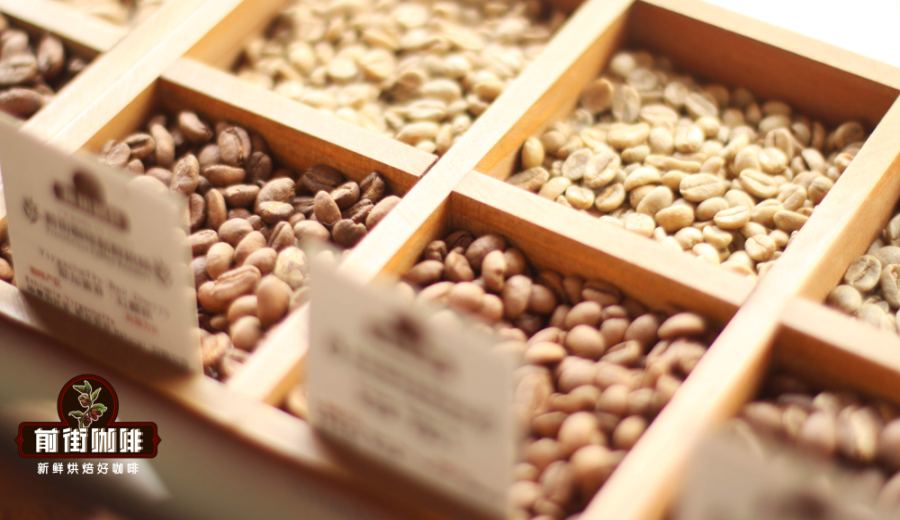
In Ethiopia’s specialty coffee grading system, G1 represents the highest quality grade. These beans typically feature excellent green bean appearance, low defect rates, and great flavor potential. However, even among G1 grades, differences in origin and processing methods can lead to vastly distinct final flavor profiles. This year’s new crop Hua Kui G1 comes from the Buku Abel washing station in Ethiopia’s Guji-Hambela area, processed using the traditional Natural (sun-dried) method, dried on African raised beds to fully preserve the fruity sugars and aromatic compounds.
This processing method gives Hua Kui pronounced tropical fruit notes, including the bright acidity of citrus and pineapple, along with sweet layers of peach, guava, and strawberry jam. The finish delivers soft floral notes and a round body reminiscent of black tea.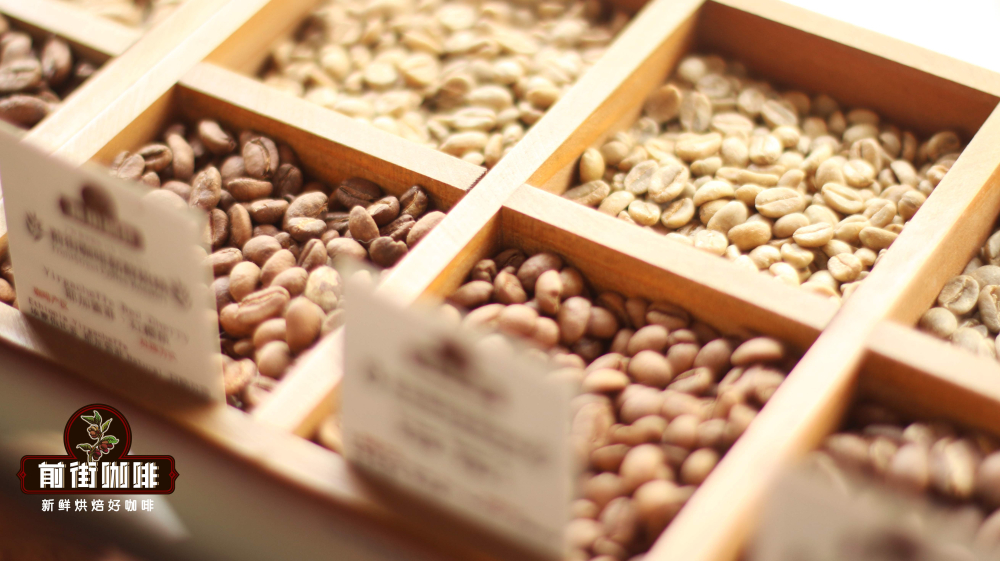
Ethiopian coffee is renowned for its prominent floral and fruity aromas and bright acidity, characteristic of a typically light-bodied style. To faithfully showcase these traits, a certain coffee shop opts for a light to light-medium roast. This roast level not only preserves the inherent flavors but also enhances the balance of acidity and sweetness as well as aroma expression. Using a darker roast, while potentially bringing out caramel and smoky notes, can easily mask its delicate fruitiness and deviate from the regional characteristics.
For different brewing methods, two roast profiles are recommended: the light-medium roasted version is ideal for pour over and cold brew, highlighting clear berry and citrus notes; the medium roasted SOE version is tailored for espresso and moka pot, enhancing sweetness and body.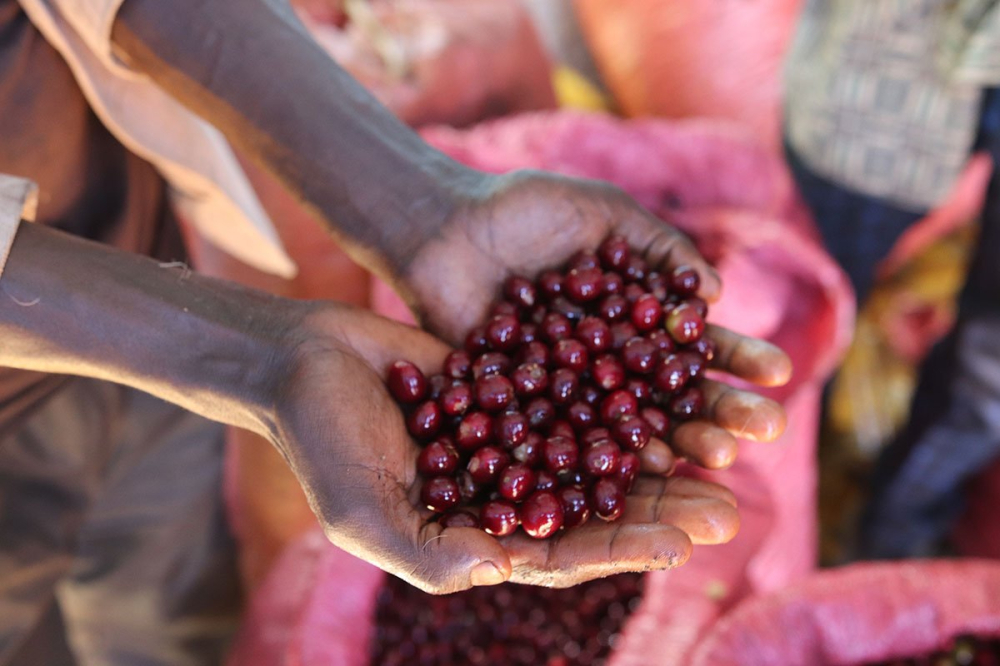
Below are the standard parameters and brewing suggestions for V60 pour over of Hua Kui: Use a V60 #01 filter cone, with water temperature controlled between 90–91°C, 15 grams of coffee, and a 1:15 coffee-to-water ratio. The grind size is recommended to be medium-fine, roughly equivalent to 80% extraction through a Chinese No. 20 sieve. Employ the classic three-pour method: start with a 30-second bloom using 30 grams of water, then pour in a small circular motion until reaching 125 grams for the first pour, wait for the water level to drop slightly, then continue pouring to 225 grams to finish. Remove the filter cone just before the water level is fully drained. The total brew time is recommended to be around 2 minutes.
For those who prefer espresso, a certain coffee shop also offers SOE version Hua Kui G1 espresso brewing parameters: use a double shot basket, 20 grams of coffee, aiming for 40 grams of extracted liquid, with a 1:2 coffee-to-water ratio, and extraction time controlled between 25 to 32 seconds. The grind size is recommended to be set at 2.0 on the Galileo grinder, with fine-tuning possible based on actual flow rate.
For operation, first evenly distribute the coffee grounds with a distribution tool, then tamp vertically and firmly with a tamper to ensure a compact and level puck. Before starting extraction, run water for 1–2 seconds to wet the group head and remove any residual coffee grounds. After resetting the scale to zero and placing it under the receiving cup, attach the portafilter to the group head and begin extraction. When the coffee reaches 40 grams and the time approaches 30 seconds, end the extraction process.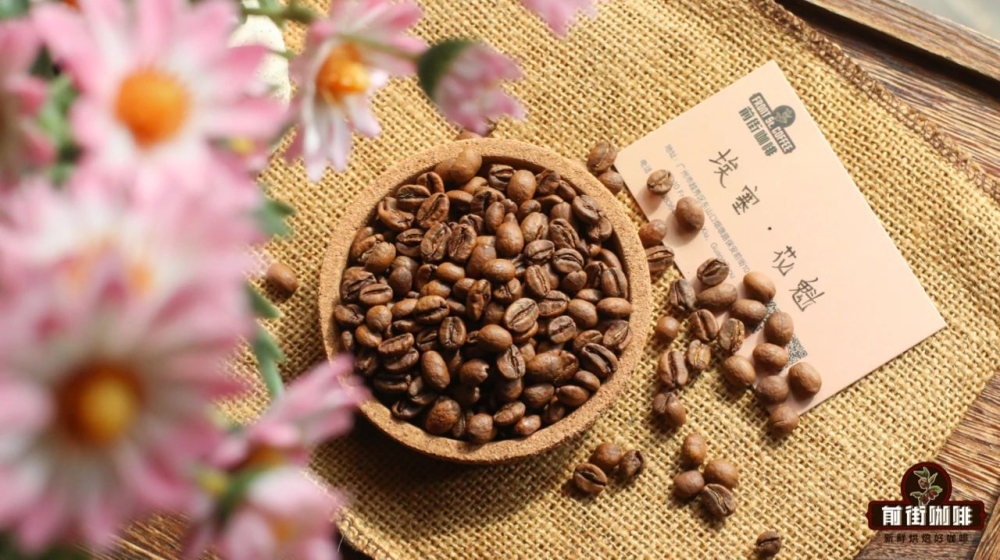
In terms of flavor profile, the V60 pour over version of Hua Kui exhibits rich berry aromas, with a bright acidity and sweetness akin to creamy strawberries and passionfruit upon tasting. The sweetness is clear, the mouthfeel is full, and it is highly suitable for coffee lovers who enjoy fruity and vibrant acidic profiles.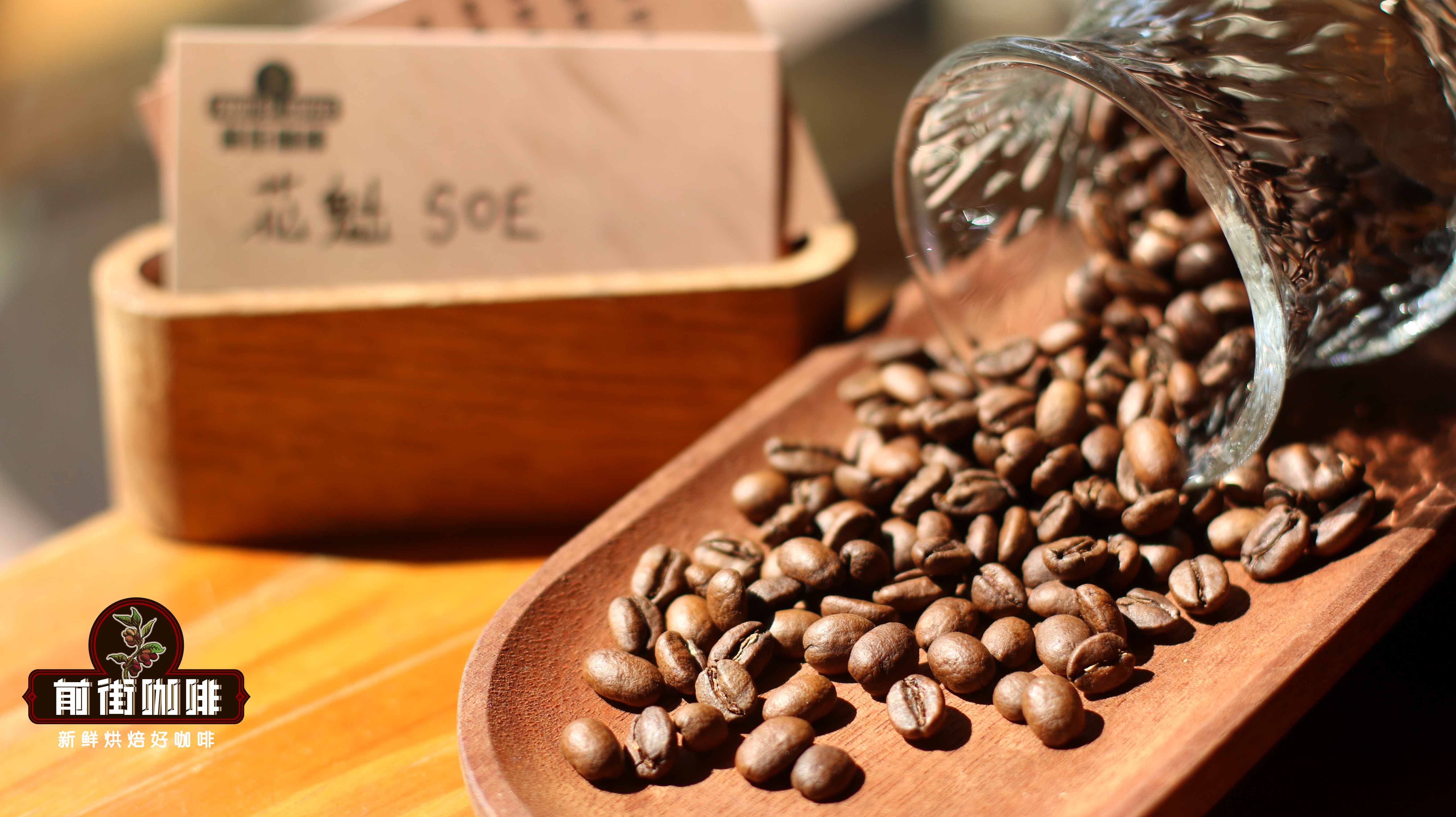
As for the SOE version of Hua Kui used in espresso, a moderate golden crema can be observed, with intense tropical fruit aromas. If further prepared as a Hua Kui SOE Americano, the berry acidity and citrus tones become even more pronounced, delivering an overall flavor that is refreshing like black tea with a clean and crisp finish. When milk is added to make a latte, it presents a silky sweet taste, with flavors of creamy cranberry and a soft caramel finish, making it an excellent choice for everyday enjoyment or sharing with friends.
The above content is compiled by CoffeeHunters, a coffee news website.


