







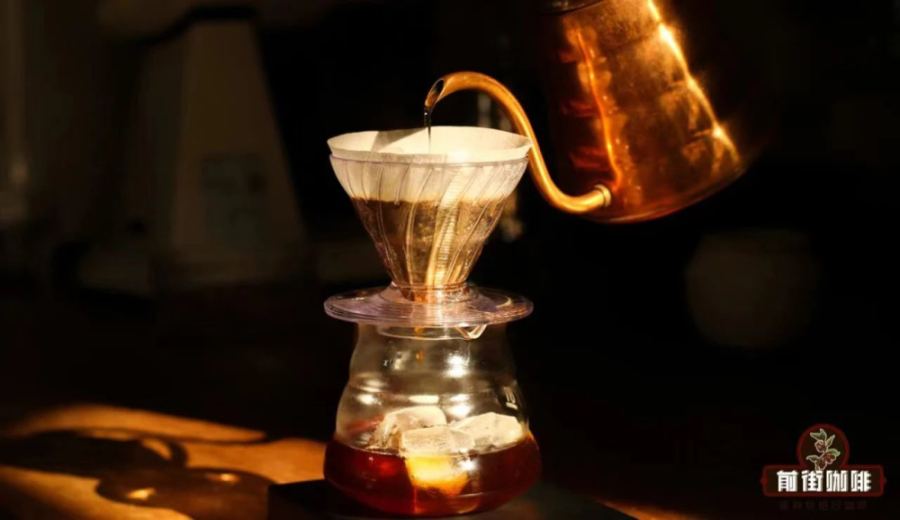
Introduction:Choosing the right pour over coffee filter material directly affects the flavor profile of your coffee. From the most common paper filters and durable metal mesh to reusable cloth filters, each material has its unique extraction characteristics and maintenance requirements. This article delves into the pros and cons, suitable scenarios, as well as proper cleaning and storage methods of these three types, helping you select the most suitable filter based on your personal preferences and brewing habits, to brew a cup of coffee with distinct layers and exceptional flavor.
Brewing a great cup of coffee often hinges on the choice of filter material, which is key to determining the direction of the flavor. Metal mesh, paper filters, and cloth filters are the three most commonly used filter materials in pour over brewing, each offering different extraction characteristics and taste profiles. Understanding their pros and cons and maintenance methods not only enhances coffee quality but also extends the lifespan of the filter material and prevents off-flavors.
Many people pursue the pure flavor of pour over coffee, and the filter material is a crucial factor influencing the coffee’s clarity, oil retention, and layering. From the bright acidity of paper filters, to the full-bodied mouthfeel of metal mesh, to the smooth richness of cloth filters, each choice delivers a distinctly different taste experience. Next, we’ll analyze the characteristics of these three commonly used filter materials one by one, so you can feel more confident when selecting and using them.
Metal Mesh: Retains Oils, Full-Bodied Mouthfeel
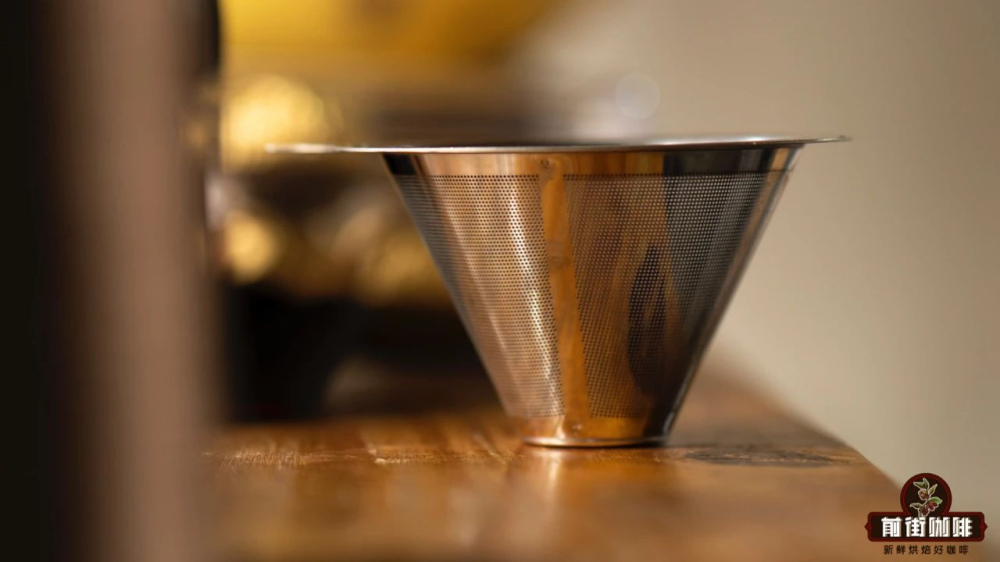
Metal mesh is one of the most common pour over filter materials. Its biggest advantage is its ability to retain the natural oils in coffee, resulting in a smoother and fuller mouthfeel. Many people find this similar to the flavor profile of a French press. Because the oils are preserved, the balance between acidity and bitterness is relatively good, and the sweetness is more pronounced, making the overall flavor closer to the coffee’s original taste.
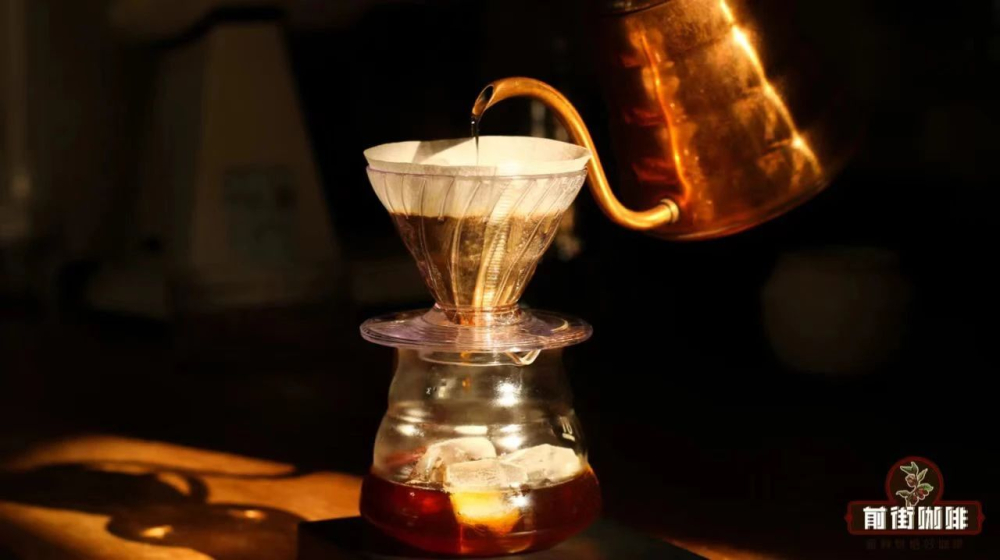
However, metal mesh also has its limitations. Fine coffee particles are not completely filtered out, which may result in a slightly rougher mouthfeel, especially noticeable in filter cones with budget-friendly designs. Additionally, the flow-guiding grooves of many metal meshes are not finely crafted, which can lead to uneven extraction, causing some to perceive the coffee as more bitter. For those who seek distinct layers and bright acidity, metal mesh may not be the best choice, especially when it comes to showcasing the acidity shift from hot to cold—paper filters usually perform better in this regard.
Paper Filter: Highlights Acidity and Layers, Clean and Refreshing
Paper filters are the most widely used pour over filter material and are favored by many coffee enthusiasts. Their biggest advantage is the effective filtration of fine coffee particles and oils, resulting in a cleaner mouthfeel while highlighting the layers of fruit acidity and aroma. Whether it’s the floral and fruity notes of light roasts or the caramel flavors of dark roasts, paper filters can clearly present these characteristics.
However, paper filters also have notable drawbacks. Since oils are largely filtered out, the coffee’s body and smoothness are not as pronounced as with metal mesh, especially for light roasts where the lack of oil can make the mouthfeel feel somewhat thin. In addition, the environmental impact of paper filters is often discussed, and they require proper disposal to reduce paper waste. More importantly, it’s essential to rinse the paper filter with hot water before use to remove any paper pulp taste and impurities, avoiding any negative impact on the coffee’s pure flavor.
Cloth Filter (Flannel): Smooth and Rich, Suitable for Medium to Dark Roasts
Cloth filters are a type of reusable pour over filter material, particularly well-suited for brewing medium to dark roast coffee beans. Since cloth does not completely block oils and fine particles, the coffee’s mouthfeel is usually smoother and richer in sweetness, making it ideal for coffee lovers who enjoy a full-bodied flavor. Many pour over enthusiasts specialize in flannel brewing techniques, adjusting water flow and time to fully showcase the coffee’s complex layers and bold flavor characteristics.
But maintaining cloth filters is relatively more tedious. If not thoroughly cleaned, residual coffee oils can oxidize, leading to an oily or fishy smell during the next brew, which can affect the overall flavor. Moreover, if brewing parameters and techniques are not adjusted accordingly, cloth filters may make the coffee seem less clear, with aroma details being masked and the mouthfeel becoming murky. Therefore, when using cloth filters, it’s important not only to focus on cleaning and storage but also to fine-tune the brewing method according to the characteristics of the filter material to achieve the best results.
Filter Material Maintenance Guide: Extend Lifespan, Maintain Flavor
Whether it’s metal mesh, paper filters, or cloth filters, proper cleaning and maintenance are key to ensuring coffee flavor. For metal mesh, it’s recommended to soak it in boiling water with a small amount of baking soda, gently scrub it once the water cools to a comfortable temperature to remove attached oils and impurities, then rinse thoroughly with clean water and let it dry.
The maintenance of cloth filters is even more particular. After washing, they should not be exposed to air directly. It’s recommended to store them in a zip-lock bag or sealed container inside the refrigerator to prevent absorption of odors or mold growth. Paper filters are for single use only, and before each brew, they must be rinsed with hot water to remove paper taste and impurities, ensuring a pure extraction process.

There are also various special filter materials on the market, such as the metal filters used in siphon coffee makers, modified mesh cloth filters, and various types of paper filter materials, each with its unique advantages. Feel free to try different combinations to find the filter material setup that best suits your taste and brewing style.
In summary, choosing a pour over coffee filter material is not just about flavor expression, but also about the overall brewing experience. From the rich oils of metal mesh, the clear layers of paper filters, to the smooth richness of cloth filters, understanding the characteristics and maintenance methods of each filter material will help you brew the perfect cup that aligns more closely with your personal preferences on your coffee exploration journey.
The above content is compiled by CoffeeHunters, a coffee news website.


