







Introduction:Delve into the unique charm of Costa Rican coffee, from its long-standing cultivation history and eight classic growing regions, to its diverse honey processing methods and popular coffee varieties. This guide covers the key factors that influence flavor and includes practical pour over recommendations and grind settings to help you comprehensively understand this shining star of Central American coffee, whether you're a beginner or an advanced enthusiast.
Costa Rican coffee is renowned for its bright acidity, rich floral notes, and sweet aftertaste, making its flavor profile highly appealing to coffee lovers worldwide. The delicate and varied flavor characteristics of Costa Rican coffee are inseparable from its meticulous cultivation practices, exceptional geographical environment, and innovative honey processing techniques.
Geographical Location and Natural Conditions
Located in the Central American isthmus, Costa Rica borders Nicaragua to the north and Panama to the southeast. The country is predominantly mountainous, especially the Central Plateau region, which features active volcanic terrain covered with mineral-rich volcanic ash soil. Combined with stable year-round climate, significant day-night temperature differences, and abundant rainfall, these conditions create an ideal environment for growing specialty coffee.
Evolution of Coffee Cultivation History
Costa Rica is one of the first countries in Central America to introduce coffee trees, with the first arrivals from Cuba dating back to 1729—nearly three hundred years ago. Since gaining independence from Spanish colonial rule in 1821, the government actively promoted coffee cultivation through policies such as free seed distribution and land allocation. Today, there are over 29,000 coffee farmers nationwide, reflecting the crop’s importance. Additionally, since 1989, the Costa Rican government has banned the cultivation of lower-quality Robusta, and in 2001, it launched the National Coffee Plan, requiring all producing regions to sign quality assurance agreements. These measures ensure only ripe coffee cherries are harvested, significantly improving overall coffee quality.
Eight Growing Regions and Their Distinct Flavor Profiles
Costa Rica has eight major coffee-growing regions: Brunca, Turrialba, Tres Ríos, Orosi, Tarrazú, Valle Central, Valle Occidental, and Guanacaste. Each region’s unique terrain, altitude, and microclimate contribute to diverse flavor profiles.
Among them,the Tarrazú regionis known for its high altitude (approximately 1200 to 1700 meters) and is one of the country’s most famous coffee-growing areas. With significant day-night temperature variations, coffee cherries take longer to ripen, allowing for richer nutrient accumulation. The harvest season runs from December to March each year. Coffee from this region typically exhibits a dense, hard bean structure, high acidity, and clear fruit notes, making it a quintessential representation of Costa Rican coffee flavors.

Flavor Profile of Washed Tarrazú Beans
Washed-process coffee from the Tarrazú region, primarily made fromCaturraand
Catuaí
varieties grown at around 1500 meters altitude, often features tasting notes of sweet orange, honey, toffee, and nuts. These coffees are clean, bright, and have a long-lasting finish. This processing method highlights the region’s core terroir characteristics and is well-suited for those new to Costa Rican coffee.
An In-depth Look at Honey Processing
- Honey processing in Costa Rica is a semi-dry method that falls between natural and washed processing. Farmers remove the outer skin and pulp of the harvested coffee cherries but retain the sweet, mucilage-covered layer before sun-drying. As the sugars and aromatic compounds in the mucilage interact with the seeds during drying, they impart a richer sweetness and more complex aroma to the coffee.Depending on the amount of mucilage retained, honey processing can be categorized into:
- Yellow Honey: retains about 60% of the mucilage
- Red Honey: retains about 75% of the mucilage
Black Honey
: retains almost all the mucilage and undergoes the longest sun-drying period
The more mucilage retained, the longer the drying time required and the stricter the climate control needed. In terms of flavor, these processes result in more pronounced sweetness and body. However, excessive heat can lead to over-fermentation or mold, so careful management during drying is essential.
Innovative Raisin Honey Processing
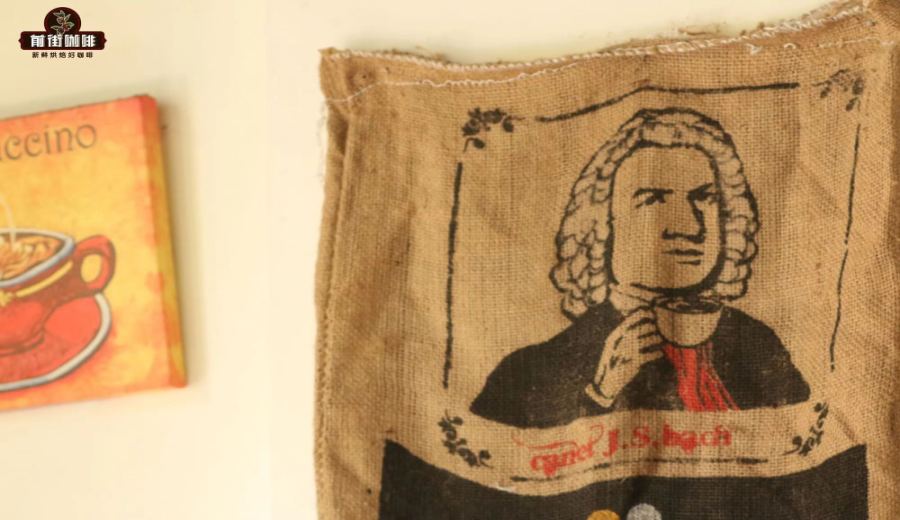
A recently developed method, such as the “Mozart” variety in the Musician Series, involves soaking the coffee cherries in water tanks to remove floaters before allowing them to dry in the sun until they reach a “raisin” state (usually taking more than three days). The cherries are then depulped and processed using honey processing. This technique deepens the sweetness and imparts more tropical fruit and fermented aromas, such as raisin, osmanthus, berries, and pineapple.Main Varieties and Green Bean Grading SystemThe main coffee varieties grown in Costa Rica are
Caturra
- andCatuaí
- . The former is a Bourbon mutation, characterized by shorter trees, stable yields, strong disease resistance, and bright, sweet flavors. The latter is a hybrid of Caturra and the Mundo Novo variety, producing tightly clustered, less-shedding cherries with more pronounced, fresh fruit aromas.Green beans are graded into three levels based on altitude:
- SHB (Strictly Hard Bean): grown above 1500 meters, with prominent acidity and intense flavors
GHB (Good Hard Bean)
: grown between 1100–1500 meters, with stable quality
HB (Hard Bean)
: grown below 1000 metersA well-known café often selects washed Tarrazú beans that fall under the GHB grade. These beans are plump and well-suited for showcasing the region’s foundational flavor profile.Brewing Recommendations and Parameter Guide91°CTo explore the diverse processing flavors of Costa Rican coffee, it’s recommended to start with washed-process beans and gradually explore the variations of honey processing. Use freshly roasted coffee beans (within 5 days of roasting) to fully appreciate their aroma and flavor potential.We recommend using aV60 dripper1:15, with a water temperature of approximately[temperature missing, placeholder preserved], a coffee dose of
The above content is compiled by CoffeeHunters, a coffee news website.


