








Introduction:Americano, Long Black, and Lungo are all espresso-based coffees, but their taste profiles vary greatly due to differences in brewing methods, coffee-to-water ratios, and preparation sequences. This article delves into the definitions, production differences, and flavor characteristics of these three drinks, helping you understand the essence of espresso coffee. We also recommend coffee beans suitable for different preferences to help you find your ideal match.
The world of coffee offers a wide variety of brewing methods—just the common ones include French press, pour over, siphon, espresso, cold brew, and Americano. Even the names for the same drink can differ greatly across regions. Among them, Americano, Long Black, and Lungo—three common black coffees based on espresso—are often confused. Though all originate from espresso, they differ significantly in the order and proportion of water addition and extraction techniques, resulting in distinctly unique flavors and mouthfeels. This article will detail their differences, explore the nature of espresso coffee, and introduce several practical blended beans so you can find the one that best suits your taste.
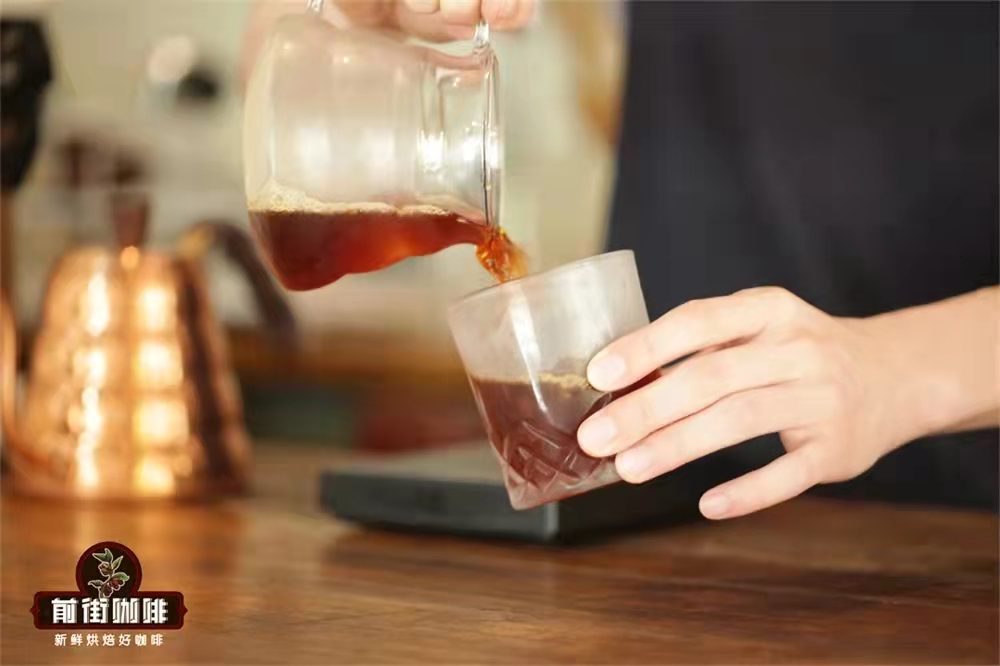
Many people often ask: What’s the difference between Americano, Long Black, and Lungo? At first glance, they all seem like black coffee, but their production methods are notably distinct. For instance, an Americano is typically made by adding hot water to extracted espresso, while a Long Black involves pouring hot water first and then adding espresso. A Lungo, on the other hand, is made by extending the extraction time of espresso to increase the liquid volume. These subtle differences lead to markedly varied taste, intensity, and crema presentation.
Let’s start with the most widely known Americano. Its history dates back to World War II, when American soldiers stationed in Europe found the strong European espresso unpalatable. They began diluting the espresso with plenty of hot water to replicate the taste of American drip coffee. This practice was later brought back to the United States and became part of the espresso coffee culture. Nowadays, the typical ratio for an Americano is 1:5 to 1:8 coffee to water, adjustable according to personal preference. Since water is added afterward, some of the coffee crema may be diluted or dissipated. As a result, some prefer to pour the espresso first and then add hot water to preserve more of the crema.
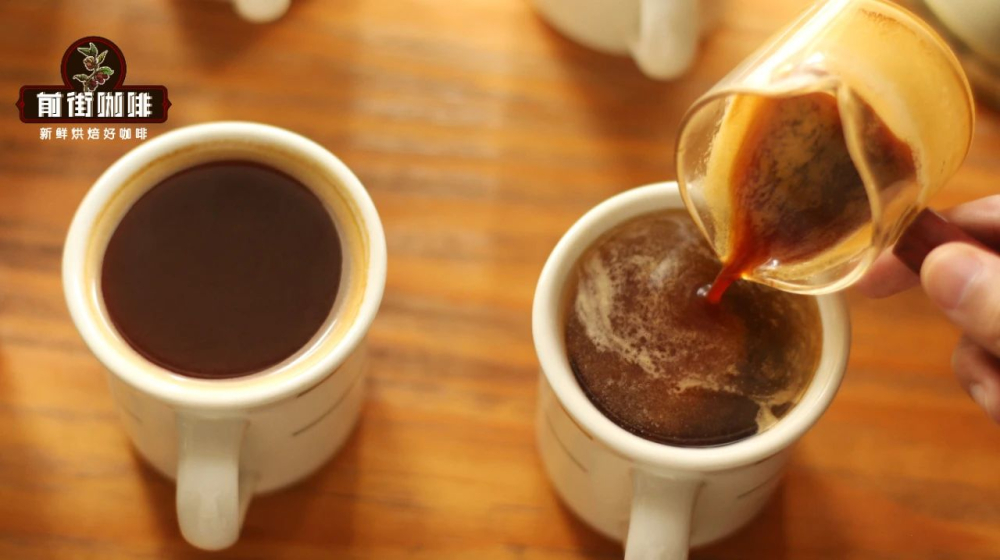
Long Black is extremely popular in countries like Australia and New Zealand. Its defining feature is pouring hot water first, followed by a double shot of espresso. This sequence helps retain more of the coffee’s crema, resulting in a richer and more layered flavor. The serving size of a Long Black is usually smaller, around 150ml, and the coffee-to-water ratio is relatively low, giving it a higher intensity than a standard Americano. In Australia, this method is considered closer to the idea of “short espresso with added water,” thus it is also referred to as an extension of Short Black. It is typically made using a 1:3 ratio—with a double shot of espresso and about 120ml of hot water—to deliver a more concentrated and smooth flavor.
Lungo means “long” in Italian and refers to extending the extraction time of an espresso, typically to 56–60 seconds, yielding about 100ml of coffee—more than triple the volume of a standard espresso (around 30ml). This brewing method allows more flavor compounds to be fully extracted, but it can also draw out the later-stage woody and fibrous notes from the coffee beans. As a result, Lungo often has a more pronounced bitterness and a fuller body, along with a unique wine-like aroma. It’s important to note that unlike an Americano, a Lungo increases liquid volume by extending extraction time, not by simply diluting with water.
Speaking of the base of these coffees, they all stem from espresso. Espresso is produced by forcing nearly boiling water under high pressure through finely ground coffee, extracting a concentrated coffee liquid rich in crema. This method results in a high concentration of suspended solids and soluble compounds, including the prized coffee oils. Espresso is not only consumed on its own but also commonly used as the base for drinks like lattes, cappuccinos, and macchiatos. Despite its small serving size, the high-pressure extraction means the caffeine content per unit volume is relatively high, though the total caffeine amount is still lower than that of a typical drip coffee.

To make these three differently flavored coffees, choosing the right espresso blend is crucial. Most espresso beans on the market today are blends, primarily to balance cost, consistency, and flavor. For example, blends using Brazilian and Colombian beans usually offer stable flavors and a rich, mellow profile with nutty and chocolatey notes, making them suitable for daily use in most coffee shops. Blends with a small percentage of Robusta beans can enhance intensity and crema performance, especially when paired with milk-based drinks. For those seeking layered flavors, blends based on Yirgacheffe or wine-fermented beans can provide more vibrant fruit and wine notes.
For coffee beginners or enthusiasts looking to explore different flavors, it’s recommended to start by understanding your own taste preferences. If you enjoy a clean and light black coffee, go for an Americano with a higher water ratio. If you prefer intense crema and a fuller body, Long Black is a great choice. And if you’re aiming to experience a more complete extraction and deeper flavors, try a Lungo. No matter which you choose, remember to use freshly roasted coffee beans and pay attention to grind size and extraction time to fully bring out the potential of each bean.
The above content is compiled by CoffeeHunters, a coffee news website.


