







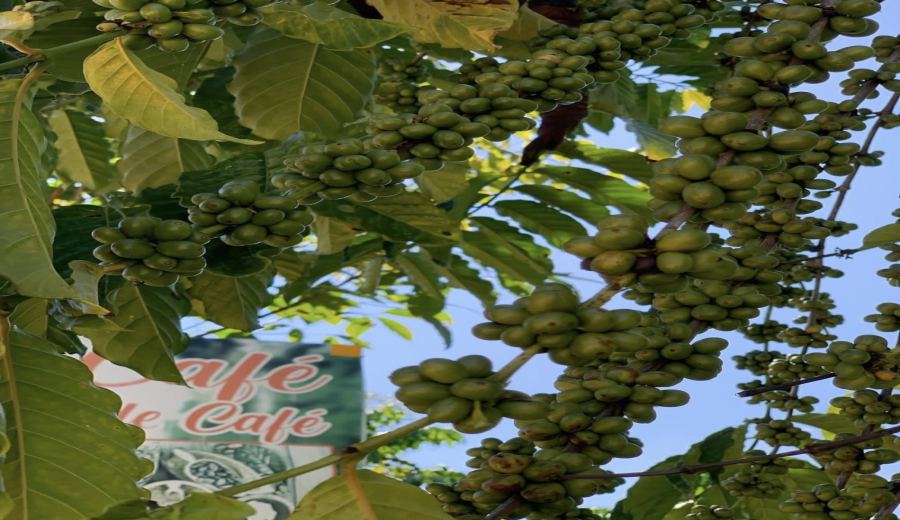
Introduction:Dominican coffee is renowned for its distinctive island flavors. Since its introduction in 1735, it has undergone generations of evolution, resulting in today’s diverse regions and varieties. This article delves into the country’s five core growing regions, primary cultivated varieties, and washed processing methods to help you understand its flavor characteristics and market status — an excellent beginner’s guide to exploring Caribbean coffee.
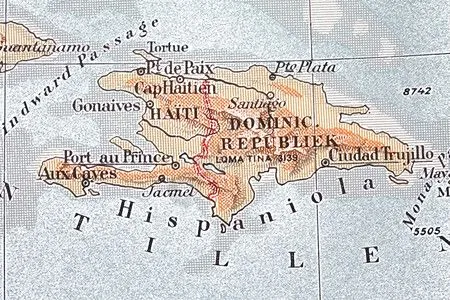
The Dominican Republic is located on the eastern side of Hispaniola Island in the Caribbean Sea, sharing the same island with Haiti. The country features both tropical rainforest and savanna climates, bordered by the Atlantic Ocean to the north and the Caribbean Sea to the south. With fertile soil and numerous high-altitude mountainous areas, it offers ideal natural conditions for coffee cultivation. The average annual temperature ranges between 25–30°C, and annual rainfall is about 1,350 mm. These conditions collectively nurture coffee with distinct island characteristics.
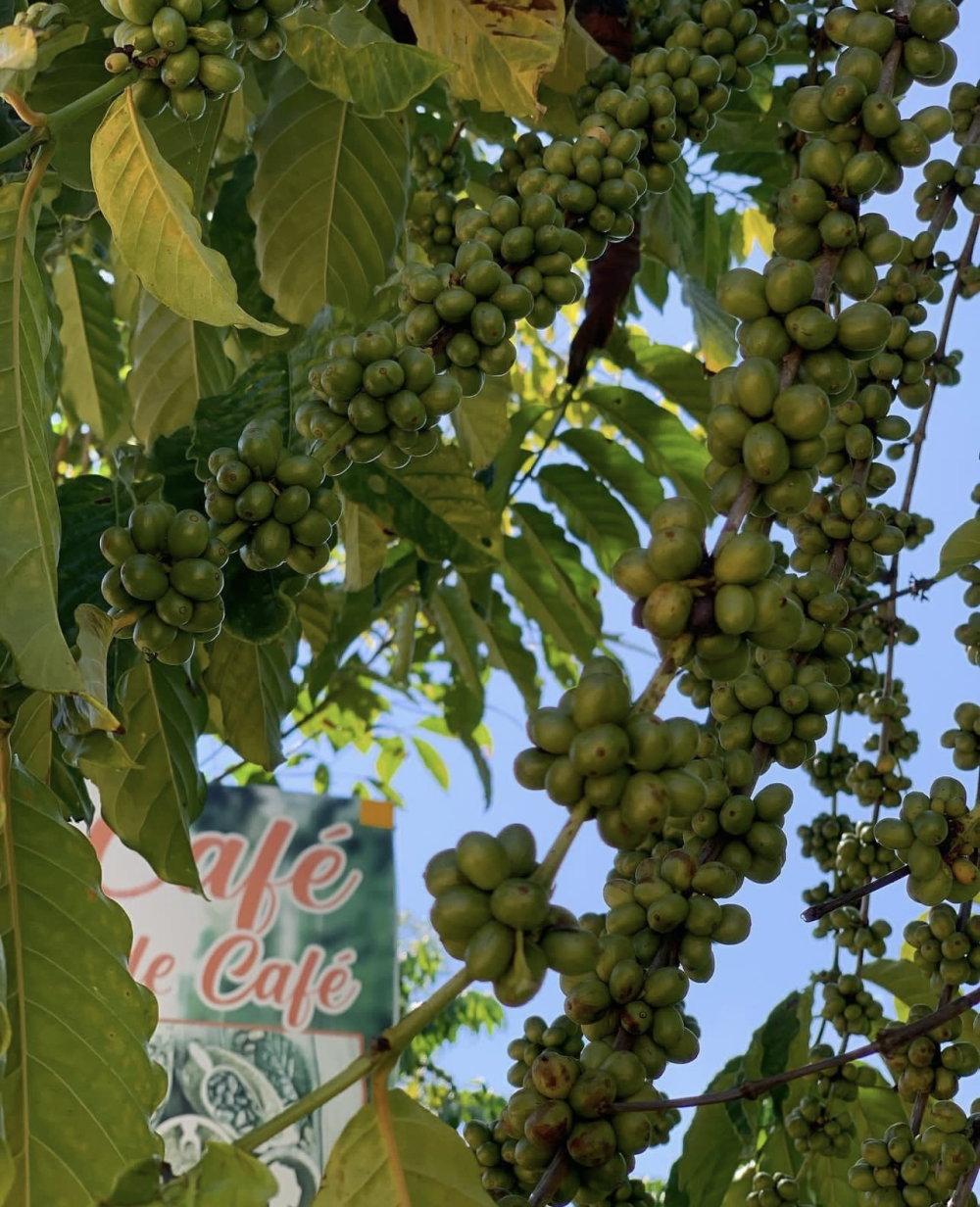
The history of coffee cultivation in the Dominican Republic dates back to 1735, when coffee plants were first introduced to the Spanish-controlled island of Hispaniola. It is believed that the earliest plantings may have been around the Bahorco Panzo hills near Neyba, later expanding to other mountainous regions. By the end of the 18th century, coffee had become the country’s second most important agricultural product after sugarcane. However, cultivation at the time heavily relied on slave labor until the abolition of slavery in 1791, which brought a turning point for the industry.
The solid foundation of the Dominican coffee industry was laid between 1822 and 1844, particularly in the southern mountainous Valdesia region, which became the country’s coffee production hub by 1880. Starting in 1956, certain regional coffees began to be exported, mainly from Bani, Ocoa, and Valdesia. By the 1960s, farmers collectively formed cooperatives and established their own processing facilities in 1967. However, by the late 20th century, due to drastic fluctuations and uncertainty in international coffee prices, many farmers shifted to planting leguminous crops or avocados, with only a few remaining committed to coffee in anticipation of market recovery.
In response to the industry crisis, the government established the Coffee Committee (CODOCAFE), actively promoting industry transformation through technical improvements, organic certification, quality control, and cooperative systems. These efforts not only enhanced the overall quality of the coffee but also improved farmers’ livelihoods and promoted the sustainable use of natural resources. However, due to high domestic coffee consumption, approximately 60% of production is supplied to the local market, with only 40% destined for export.
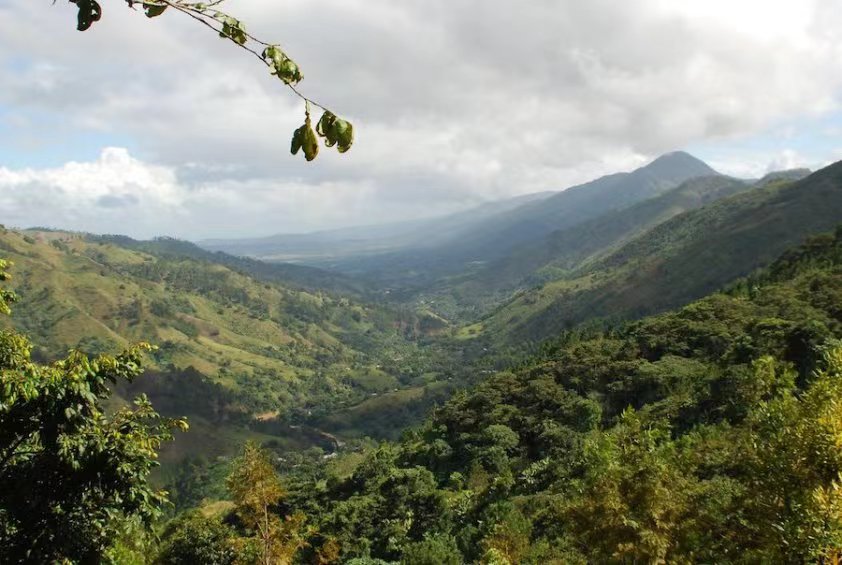
The main coffee-growing regions in the Dominican Republic include Barahona, Cibao, Central Mountains, Neyba, and Valdesia. Each region, thanks to its unique geography and climate, produces coffee with distinct flavor profiles.
Barahona is located in the southwestern part of the country, primarily distributed around the Bahoruco mountain range, with planting elevations ranging from 600 to 1,300 meters. Although the altitude is not particularly high, the lower latitude and abundant sunlight still allow for the production of good-quality coffee. Typica accounts for about 80%, complemented by a small amount of Caturra (20%), yielding coffee with a mild taste and island-specific aromas.
Cibao (Cibao) is situated in the northern part of the country, within the river valleys between the Northern Mountains and the Central Mountains, with elevations ranging from 400 to 1,500 meters. This area mainly grows Typica (90%) with a small amount of Caturra (10%), benefiting from favorable altitude conditions suitable for high-quality coffee cultivation.
The Central Mountains are the highest mountainous region in the Dominican Republic, spanning elevations from 600 to 1,500 meters. The coffee beans from this region are known for their plump beans and excellent acidity, offering a rich taste with distinct fruity notes and a sweet aftertaste. The variety composition is dominated by Typica (30%), Caturra (65%), and Catuai (5%).
Neyba is located in the southwest, with planting areas concentrated in the Neyba mountainous region at elevations of 700 to 1,400 meters. It is believed to be one of the earliest origins of coffee cultivation in the country. This region mainly grows equal parts Typica and Caturra (50% each), boasting deep historical roots and unique regional flavors.
Valdesia is the most well-known coffee-growing region in the Dominican Republic and has even been granted the status of a Denomination of Origin, enjoying a higher market positioning and selling price. With elevations between 500 and 1,100 meters, it primarily cultivates Typica (40%) and Caturra (60%), making it one of the country’s key sources of coffee exports.
In terms of processing methods, Dominican coffee mainly uses the washed process, with only a small portion employing the natural (sun-dried) method. The washed process includes the following steps: first, the harvested coffee cherries are placed in water tanks for flotation to remove unripe fruits; then, machines are used to remove the pulp, leaving the mucilage layer. The beans are then fermented in water tanks for 18 to 36 hours to break down the mucilage. After fermentation, the beans are moved to washing channels, where they are cleaned with continuous flowing water and manual agitation to ensure a smooth and clean surface. Finally, the beans are dried to approximately 12% moisture content before hulling. This process imparts a clean, bright acidity and a full-bodied cup with delicate and elegant flavors.
Currently, coffee cultivation in the Dominican Republic is still dominated by Typica and Caturra, which together account for as much as 99%. Other varieties such as Bourbon, Pacas, Mundo Novo, and Villalobos make up only a very small proportion. Thanks to the island’s diverse microclimates and terrain, farmers can employ sequential planting methods to achieve year-round coffee harvesting. Major export markets include Puerto Rico, Italy, Japan, the United States, and France, making the Dominican Republic an noteworthy specialty coffee-producing nation in the Caribbean.
The above content is compiled by CoffeeHunters, a coffee news website.


