







Introduction:From Panama's Hacienda Esmeralda to Ethiopia’s heirloom varieties, confusion often arises from the difference between the names Geisha and Gesha when it comes to Geisha coffee. This article delves into the genetic lineage, cultivation background, and market positioning of the two major lineages, while also explaining the selection criteria for Red Label grades and pour over recommendations. From variety naming to real flavor experiences, get to know the essential knowledge about Geisha coffee all in one go.
After Luckin Coffee launched its Gesha SOE series in 2022, this coffee variety—hailed as one of the top-tier options in the coffee world—once again became a hot topic. However, many consumers are unaware that although Geisha and Gesha differ by just one letter, they represent entirely different lineages, cultivation costs, and flavor profiles. In particular, Panama’s Geisha is the T2722 lineage that has been selectively bred over multiple generations and is known for its delicate floral notes, whereas Ethiopia’s Gesha originates from the wild plants of the Gesha Mountain and presents a more bold and varied flavor profile. This article will comprehensively break down the evolution of Geisha coffee—from naming origins, lineage distinctions, roasting strategies, to the Red Label grading system—and supplement it with actual cupping flavor references to help coffee enthusiasts clarify the various details of this star variety.
In September 2022, Luckin Coffee introduced Gesha SOE to the market, instantly sparking widespread discussion. The Geisha coffee most consumers are familiar with is often associated with bright citrus tones, cherry acidity, and a tea-like aftertaste—all traits typically derived from Panama’s Geisha lineage. However, Luckin chose Ethiopia’s native Gesha, which differs significantly in cultivation history, preferred processing methods, and final flavor expression. It’s worth noting that as the reputation of Geisha has risen, so too has its market price year after year. Whether the entry of chain brands further impacts supply and demand balance is something worth continued observation.
What exactly is the difference between Geisha and Gesha? On the surface, it’s merely a difference in English letters, but behind that lies a complex story of variety tracing and naming translation. Records indicate that in the early days, a British explorer collected mixed samples near Ethiopia’s Gesha Mountain and originally labeled them as Gesha before sending them to a plantation in Kenya. However, subsequent correspondence mistakenly transcribed the name as Geisha, leading to the widespread use of this name in European literature. Additionally, because Geisha sounds similar to the Japanese word for "geisha" (艺妓), this coffee has also been imbued with cultural connotations. In reality, the industry already had the conditions to correct this, but due to considerations of distinguishing lineages and maintaining historical continuity, the dual naming system has been retained.
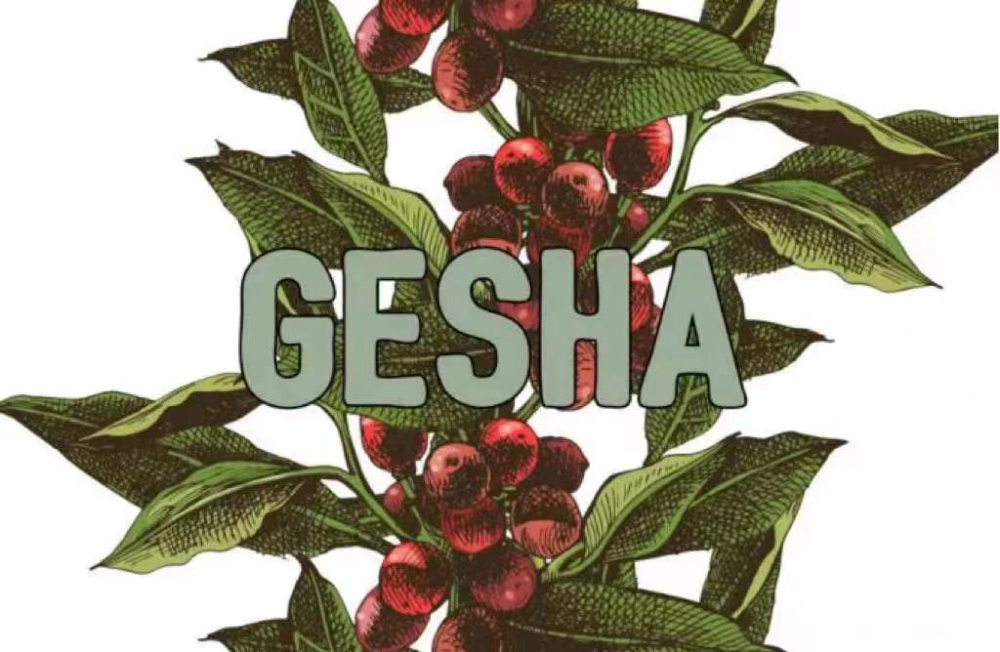
If we consider Geisha as a broad lineage rather than a single variety, its roots can be traced back to the original forests of Gesha Mountain in Ethiopia’s Bench Maji region. Among these, Panama’s Geisha (designated T2722) is a descendant that has been long domesticated and selectively bred by breeders, exhibiting highly consistent delicate floral notes and complex acidity. However, its high cultivation threshold and scarce yield have led to consistently high prices. In contrast, Gesha represents the native genetic resources of the region. Though it shares some genetic lineage with Geisha, it shows distinctly different traits in flavor expression, environmental adaptability, and economic benefits.
According to professional literature, the native Gesha produced in the Bench Maji region often exhibits impressions of berries, nuts, spices, and plant roots under deep roasting conditions (dropped after the second crack), forming a sharp contrast with the fresh fruity-floral tones of Panama’s Geisha. Although most roasters aim to highlight the light molecular aromas of Geisha—such as citrus, white flowers, and tea-like qualities—by using light roasting to preserve acidity, Ethiopian native varieties can actually showcase unique soil and herbal layers under deep roasting. Improper light roasting may instead bring out grassy or immature astringent notes. Therefore, roasters generally recommend adjusting heat based on bean appearance, density, and target flavor, rather than rigidly adhering to the doctrine of light roasting. For example, a certain coffee brand’s “Ethiopia Gesha Village Red Label Gori Gesha” is medium-light roasted to present a balanced combination of berry acidity, red floral notes, roasted nuts, and fermented tea flavors.
The discovery of Gori Gesha is also quite the story. According to accounts, the owners of Gesha Village Estate identified the Gori Forest—where the British sampler might have visited—by comparing historical records and re-entered the area in 2011 to conduct variety screening. The ultimately selected Gori Gesha 1931 was not based on genetic testing, but rather inferred its relation to Panama’s Geisha through plant morphology, bean characteristics, and cupping performance. It’s worth noting that even though they share the same positioning, the Gori Forest is home to thousands of wild lineages, and the selected plants do have varietal differences from the original T2722, so slight variations in bean shape and flavor profile are normal.
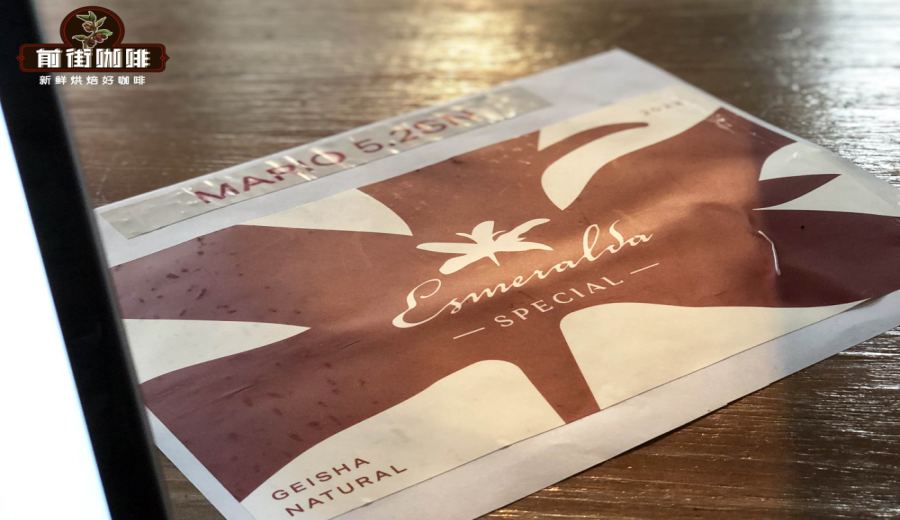
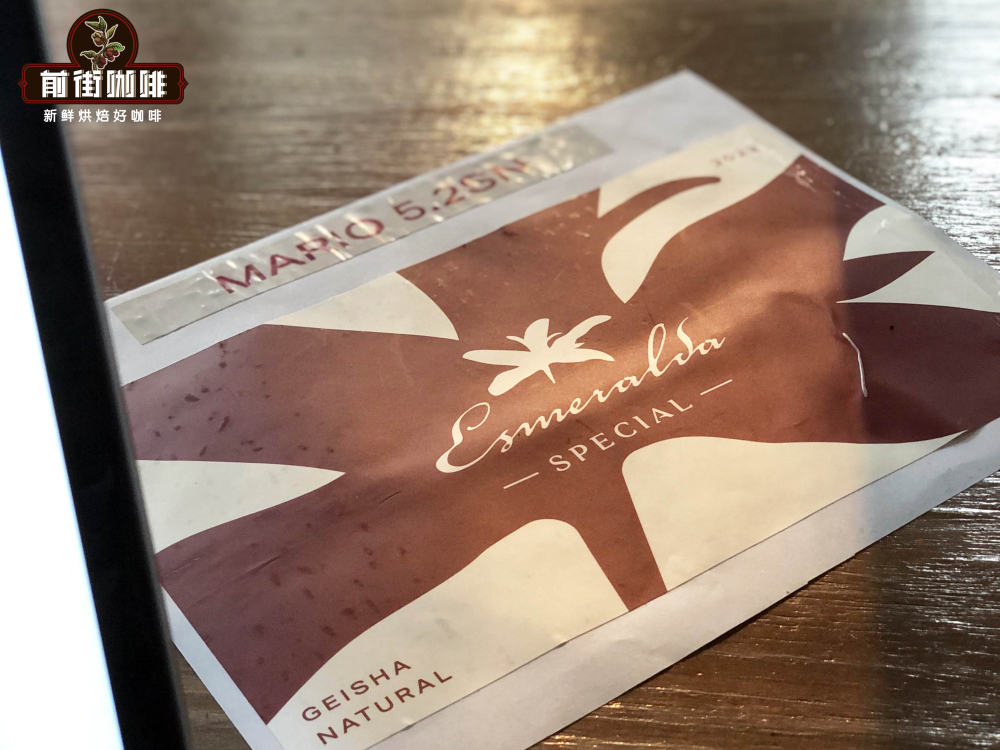
When it comes to the Red Label grade circulating in the market, the scoring standards and positioning of Panama and Ethiopia differ significantly. The Red Label (Reserve) of Ethiopia’s Gesha Village accounts for about 15% of its annual production. These beans must have complete traceability information and achieve a cupping score of 88 (according to SCA standards). While their flavor intensity and complexity may slightly lag behind the top-tier Gold Label, they remain a high-value single-origin choice. In contrast, the Red Label of Hacienda Esmeralda (officially named “Esmeralda Special”) is the flagship of its premium series, selecting only lots from specific detailed plots at altitudes of 1600–1800 meters, with each batch requiring a cupping score exceeding 90. This series is commonly found in sub-farms such as Jaramillo and Canas Verdes, with each batch assigned an independent number traceable to a specific small plot (such as the Mario plot lot sold by a certain coffee brand), allowing consumers to choose based on flavor preferences.
In terms of actual tasting experience, Panama’s Hacienda Esmeralda Red Label Geisha often exhibits rich berry acidity, rose floral notes, honey sweetness, and black tea aftertaste. It’s suitable for medium-light roasting paired with a fine grind pour over (recommended brew ratio 1:15, water temperature 90–92°C, with pulsed pouring to preserve delicate aromas). Meanwhile, Ethiopia’s Red Label Gori Gesha, due to the traits of its native variety, can simultaneously deliver fruity acidity vibrancy and deeper tonal layers under appropriate roasting, offering coffee enthusiasts a diverse space for flavor exploration.
The above content is compiled by CoffeeHunters, a coffee news website.


