








Introduction:Kenya AA-grade coffee beans are renowned for their bright acidity and rich fruit aromas, making them one of the classics beloved by specialty coffee enthusiasts worldwide. By gaining an in-depth understanding of their regional characteristics, the K72 washed process, and professional pour-over techniques, you can also easily brew a Kenya-style coffee with distinct layers and juicy flavors at home. This article will guide you step-by-step through key details — from grading standards, processing methods, roast flavor profiles, to V60 pour-over parameters.
Kenya AA-grade coffee beans have always enjoyed high popularity in the global specialty coffee market. These beans not only feature distinct fruit notes but also offer a solid and refreshing acidity that leaves a lasting impression. Especially the AA TOP grade green beans from Kenya’s high-altitude regions, after 72-hour washed processing, often exhibit aromas of cherry tomatoes, dark berries, and even complex notes reminiscent of wine. If you’d like to learn how to replicate this layered flavor profile at home, this article will deeply analyze the essential elements of Kenya AA coffee, including terroir, processing methods, roast flavor expressions, and the most suitable pour-over extraction parameters.

The reason why Kenya AA has become one of the benchmarks of specialty coffee is inseparable from its strict grading system. In Kenya, the grade of coffee beans is primarily determined by the size, appearance, density, and color of the green beans, among which “size” is the most important evaluation criterion. Kenya AA represents the highest grade of coffee beans in the country, which must be able to pass through a sieve with a hole diameter exceeding 1/4 inch (about 6.35 mm). In practice, most AA-grade beans reach 18 mesh, meaning their diameter is greater than 7.22 mm. These larger-sized beans not only help produce more aromatic compounds during roasting but also offer better extraction performance when brewing.
Although it neighbors Ethiopia, the birthplace of coffee, Kenya’s coffee industry started relatively late, with systematic cultivation only beginning in the late 19th century. At that time, Kenya was still under British colonial rule, and the colonial government actively promoted coffee planting to increase foreign exchange earnings, shipping large quantities of green beans to London for trade. It wasn’t until 1933 that Kenya established the Coffee Board, gradually reclaiming coffee sales rights for the domestic market. After gaining independence in 1963, local farmers continued to accumulate planting and post-harvest processing expertise, gradually establishing Kenya’s own high-standard coffee system, giving rise to the unique flavor characteristics seen today.
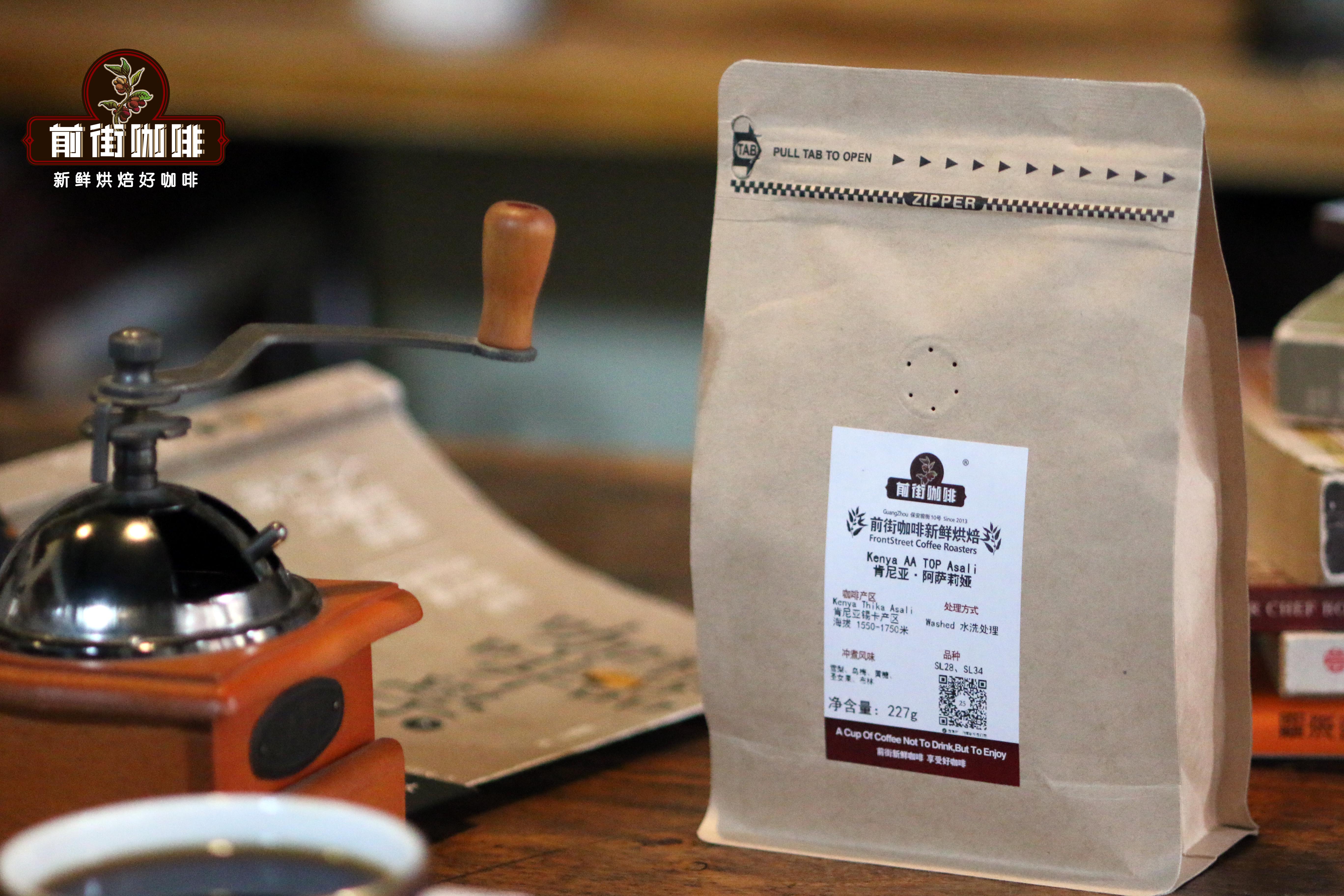
Coffee cultivation in Kenya is mainly concentrated in the highland areas surrounding Mount Kenya and Mount Elgon. These regions enjoy ideal microclimates, including fertile volcanic soils, moderate altitudes, and good drainage systems — all excellent conditions for growing Arabica coffee. Additionally, Kenya’s soil tends to be acidic, with a pH value ranging between 5.3 and 6.0. This soil type helps the coffee beans develop a bright yet solid acidity. Coupled with annual rainfall of about 1000 to 2000 mm divided into two distinct rainy seasons, these factors not only benefit coffee growth but also make the area a producer of high-quality tea.
When it comes to the most representative flavors of Kenya AA coffee, they are the clear blackberry and dark berry acidity notes — a unique character largely derived from the phosphate content in the local soil, further enhanced by Kenya’s signature K72 washed process. The so-called K72 washed process is a double fermentation, multiple washing method. Unlike standard washed processing that involves only a single fermentation, K72 carries out three 24-hour fermentation cycles, accumulating a total processing time of 72 hours. This processing method effectively improves the coffee’s cleanliness and bright acidity, resulting in a more transparent and layered final flavor.
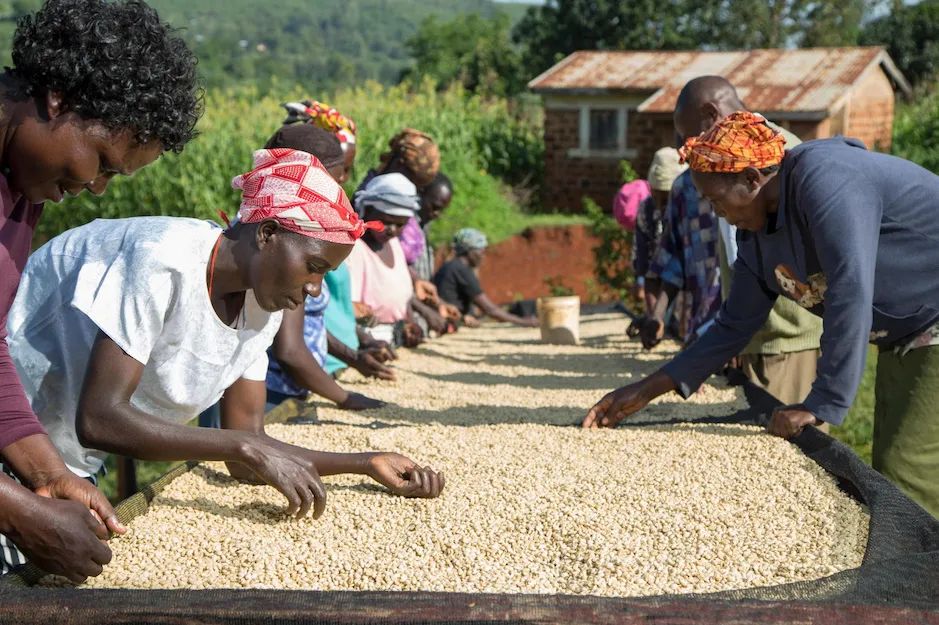
Taking Kenya AA TOP grade coffee beans as an example, after undergoing the K72 washed process, they typically exhibit intense flavors of blackberry, black cherry, and other dark berries, as well as the sweet-tart nuances of stone fruits such as plum and apricot. To preserve these delicate fruity aromas, many roasters opt for light roasting, allowing the beans’ inherent characteristics to shine through to the greatest extent. During cupping, such coffees usually show dry aromas of cherry tomato, dark plum, and caramel, while in the cup, they deliver bright acidity and a rich mouthfeel of fruit flesh. The body is medium, and the finish is clean with a hint of black tea-like aftertaste.
If you wish to brew Kenya AA coffee at home using the pour-over method, here are professionally recommended parameter settings: It is advised to use a V60 dripper, with water temperature controlled around 92°C, a coffee-to-water ratio of 1:15, approximately 15 grams of coffee grounds, and a grind size where about 80% of the particles can pass through a No. 20 sieve — roughly similar in coarseness to fine sugar. Such settings can fully highlight the abundant floral and fruity aromas of lightly roasted beans, while avoiding under-extraction due to insufficient contact time between coffee and water.
In terms of dripper selection, the V60, with its unique spiral flow channels and large central hole design, can extend the contact time between water and coffee grounds while maintaining a stable flow rate, making it highly suitable for medium-light roasted Kenya coffee. When using the V60, it is recommended to start by pouring 30 grams of hot water for a 30-second bloom, ensuring all coffee grounds are evenly saturated. Next, pour 120 grams of water in the second phase, and around the total weight of 150 grams, observe the expansion of the coffee bed — this step typically takes about 55 seconds. Finally, in the last phase, add 90 grams of water using a gentle stream, reaching a total of 240 grams of water poured, with the overall extraction time controlled around 2 minutes and 10 seconds to achieve a balanced and layered taste.
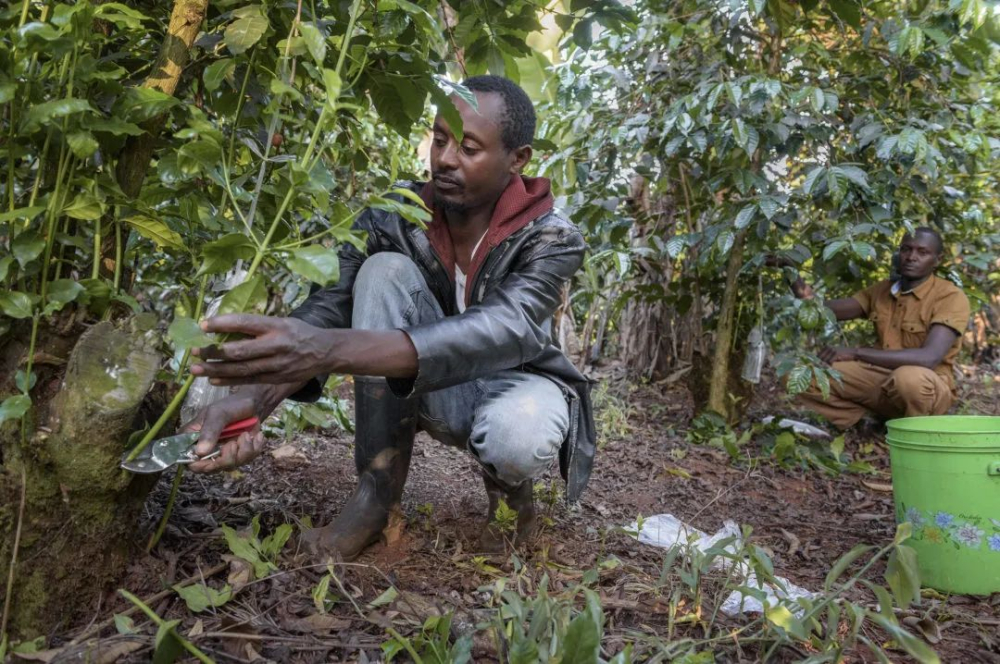
The brewed Kenya AA coffee delivers an initial impression of bright acidity from dark fruits such as black plum and dark plum, followed by a middle palate showcasing a sweet-acid balance of apricots and stone fruits. The finish is soft with a slight roundness reminiscent of black tea. As long as you understand the background of the processing method, the roast flavor characteristics, and the detailed pour-over parameters, you too can effortlessly enjoy this classic coffee from the highlands of Kenya at home.
The above content is compiled by CoffeeHunters, a coffee news website.


