







Introduction:Want to understand the difference between SOE and pour over single origin beans but not sure how to choose the right coffee? This article delves into the extraction principles of SOE, suitable roast levels, and the key differences in flavor expression and brewing techniques compared to pour over. It also features 4 single origin beans that balance bright acidity and sweetness with rich body, along with practical parameter suggestions to help you brew flavorful SOE espresso at home.
In the world of specialty coffee, SOE (Single Origin Espresso, or single origin espresso) is gaining increasing attention. Unlike traditional espresso blends, SOE emphasizes the unique flavors of a single origin, often featuring bright acidity and clear regional characteristics. However, many people encounter issues like under-extraction or lack of flavor depth when first using SOE for pour over or espresso. This article will explore the fundamental differences between SOE and pour over single origin beans — from extraction principles and roast selection to practical parameters — to help you better grasp the essence of both brewing methods. We also recommend 4 single origin beans that are well-suited for SOE and deliver outstanding flavor performance.
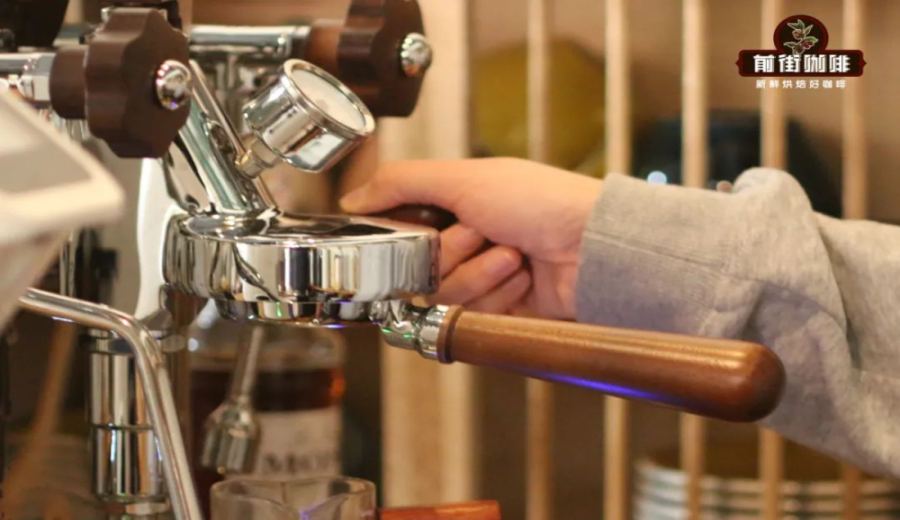
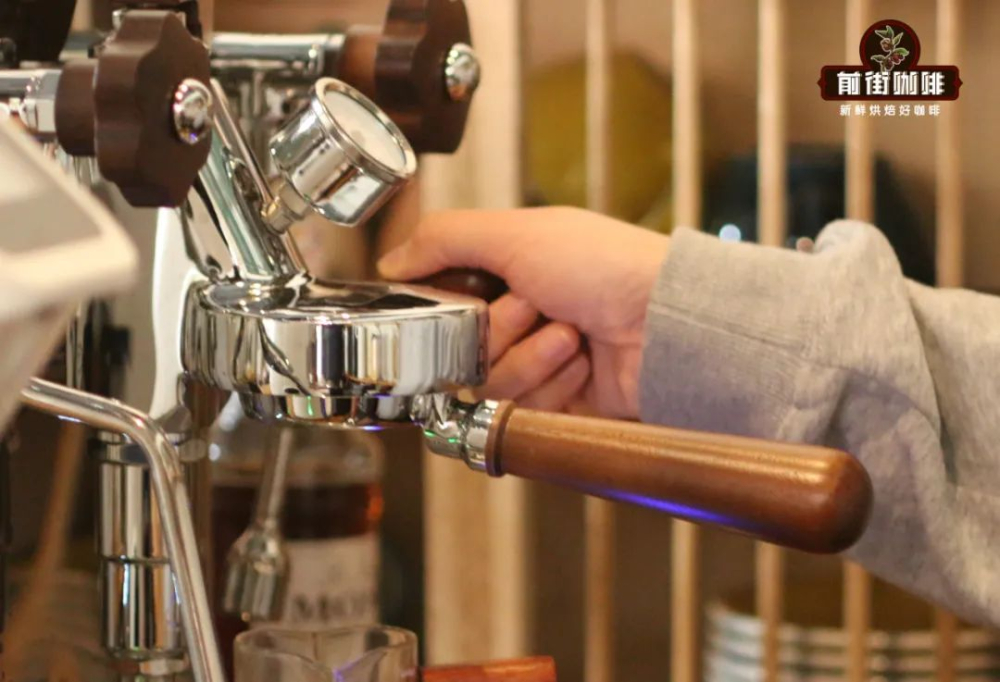
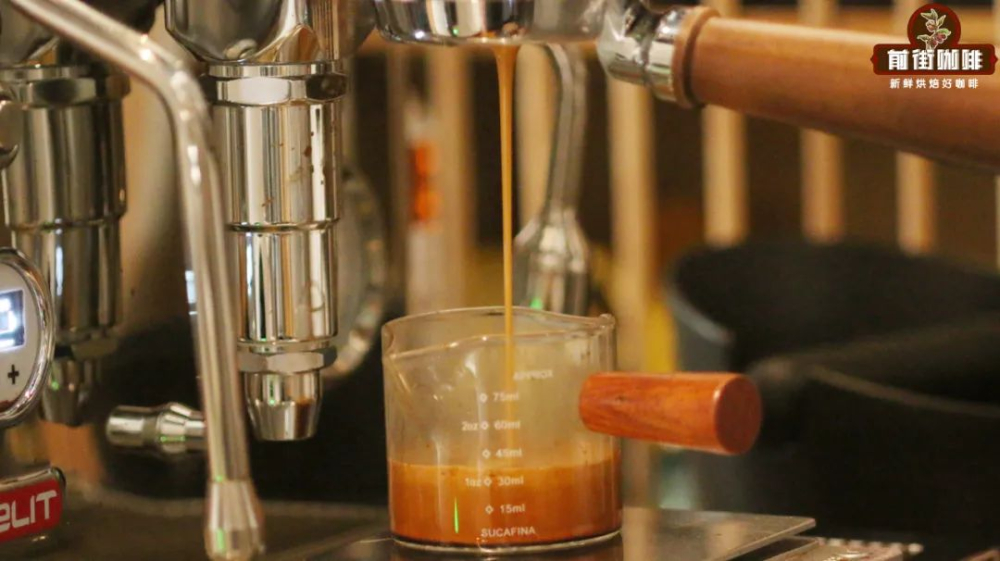
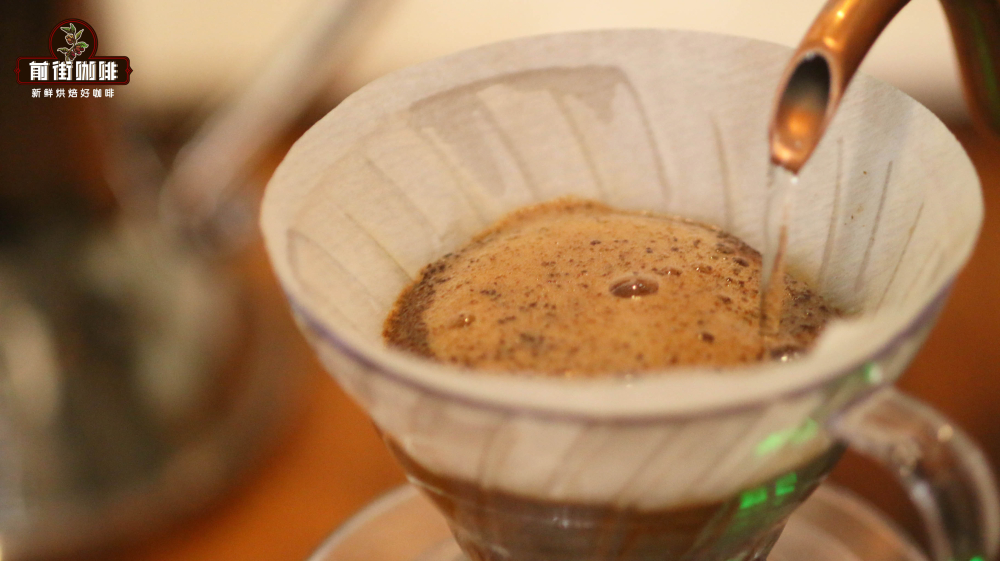
First, there are significant differences in extraction techniques between SOE and pour over. SOE is brewed using an espresso machine, which extracts very finely ground coffee under high temperature (about 90–96°C) and high pressure (about 9 bar) in a short time (usually 25–30 seconds) to produce concentrated espresso. This pressure-based extraction fully releases the coffee’s acidity, aroma, and sweetness, but can also amplify any flaws in the flavor profile. In contrast, pour over is done at ambient pressure, using hot water (about 88–94°C) to slowly soak and penetrate the coffee grounds. Flavor compounds are extracted through a paper or metal filter over a longer period (about 2–4 minutes), making it a drip-style extraction that better highlights the coffee’s delicate layers and sweet finish.
Due to the different brewing methods, the roast level requirements for SOE also differ from those for pour over.Light to light-medium roastis generally used for SOE to preserve the unique acidity and fruity notes of the origin. However, such roasts can make flavors harder to fully extract, especially under high pressure. Improper parameters can easily result in sharp or thin-tasting espresso. Therefore, when brewing SOE, it is recommended toadjust the grind size (finer), water temperature (slightly higher, up to 94–96°C), extend extraction time, or increase coffee doseto improve overall extraction yield, resulting in fuller and more balanced flavors. Similarly, if using SOE for pour over, lower the water temperature (about 88–92°C), use a medium-coarse grind, and extend brew time to effectively bring out its nuanced flavors.
Whether for SOE or pour over, the core of single origin roasting lies in showcasing the unique terroir and bean variety characteristics of the origin. For example, Yirgacheffe should display bright citrus and lemon acidity, while Blue Mountain emphasizes the rich aroma of dark chocolate and caramel. Over-roasting can mask these delicate regional traits with carbonized or heavy flavors, while under-roasting may lead to under-extraction, resulting in unpleasant sharp acidity or dull taste. Therefore, choosing the right roast level is crucial. Ideally, opt forlight-medium to medium roastsingle origin beans that can express clear regional flavors while maintaining good extraction balance for either SOE or pour over.
If you want to try making SOE at home, selecting a single origin bean with excellent flavor performance and suitability for high-pressure extraction is key. Below are 4 highly acclaimed beans well-suited for SOE, each with a unique flavor profile and capable of delivering captivating complexity under the right brewing conditions.
1. Natural Heirloom (Huakui) Coffee Beans
These beans are processed using the natural (dry) method. Even for pour over, they already exhibit rich fruitiness and sweetness. When used for SOE extraction, simply fine-tuning the grind size slightly is enough to produce delicate crema with a light yellow hue, releasing distinct berry and caramel aromas. The acidity and sweetness are well-balanced, with a clean and refreshing mouthfeel. When combined with steamed milk, it highlights a honey-like sweet finish, making it ideal for coffee lovers who enjoy bright fruity notes.
2. Colombian Sidamo Coffee Beans
With a balanced roast level, these beans retain moderate roasty notes while highlighting the fresh acidity of tropical fruits. As an SOE, they showcase vibrant flavors of passion fruit and grape, paired with milk to deliver a smooth mouthfeel reminiscent of raisins and chocolate. The overall flavor is soft yet layered, making them an excellent choice for beginners exploring SOE.
3. Costa Rican Mozart Coffee Beans
Processed via anaerobic honey method, the beans undergo sealed fermentation while retaining their full mucilage layer before drying, maximizing sweetness. For pour over, you can detect intense rose floral notes and rich raisin sweetness, whereas as an SOE, they release bold tropical fruit and fermentation aromas, resulting in a more three-dimensional and distinctive flavor.
4. Brazilian Queen Estate Yellow Bourbon Coffee Beans
Sourced from a renowned estate in Brazil, a medium-dark roast imparts intense notes of nuts, cream, and peanuts, with a sweet chocolatey finish. When brewed as SOE, it produces rich and stable crema, making it suitable for milk-based drinks as well as showcasing a full-bodied and bold taste as a black coffee. It’s an ideal choice for coffee enthusiasts who prefer intense flavors.
When making SOE, here are a few practical tips to keep in mind: First, since SOE beans are typically lightly roasted to preserve origin characteristics, their flavor compounds are less easily extracted. Therefore, it is recommended toadjust the grind to a finer setting, increase water temperature, extend extraction time, or slightly increase coffee doseto ensure sufficient extraction. Second, when preparing drinks based on SOE (such as lattes or cappuccinos), it is advised toreduce the milk ratioto let the intrinsic flavors of the coffee shine through, avoiding having the unique aromas of the beans overwhelmed by too much milk. Lastly, no matter which beans you choose, make sure to use them within 5–14 days after roasting to achieve the best flavor performance.
The above content is compiled by CoffeeHunters, a coffee news website.


