







Introduction:Want to brew a bright, refreshing Ethiopian washed Yirgacheffe at home with pronounced floral and fruity notes? This article dives deep into the origin characteristics of this classic coffee bean, the advantages of washed processing, and roasting profiles, while also providing practical guidance on pour over equipment pairing, grind size recommendations, water temperature control, filter selection, and a step-by-step three-pour brewing method. Whether you're a beginner or an advanced enthusiast, you’ll master the key techniques to perfectly highlight its citrus, lemon, and berry layers.
When it comes to Ethiopian Yirgacheffe, many coffee lovers immediately think of a bright and lively beverage—bursting with floral notes like jasmine, along with citrus, lemon, and berry tones. This is the unique charm brought by washed processing. After tasting this classic bean in a café, many wish to replicate a similar flavor profile at home. This article starts with the regional background of Yirgacheffe, introduces the benefits of washed processing and suitable roast levels, then takes an in-depth look at the essential equipment preparation, grind fineness, water temperature control, and filter selection during pour over brewing. We’ll guide you step-by-step through the practical operation of a three-pour method to help you fully unlock the potential of this bean.
The popularity of a certain brand’s washed Yirgacheffe is inseparable from its clear flavor profile—bright citrus, vibrant lemon acidity, and lively berry notes, together forming a crisp and elegant taste experience. But these flavors don’t appear out of nowhere; they are shaped by the origin environment, processing method, and roasting strategy. Understanding these backgrounds will help you brew a café-quality cup at home.
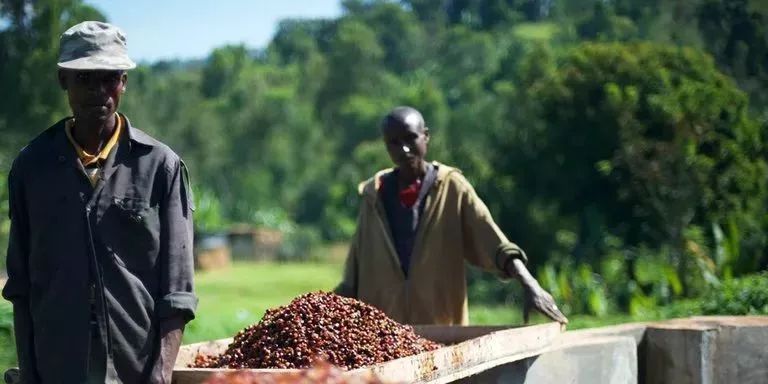
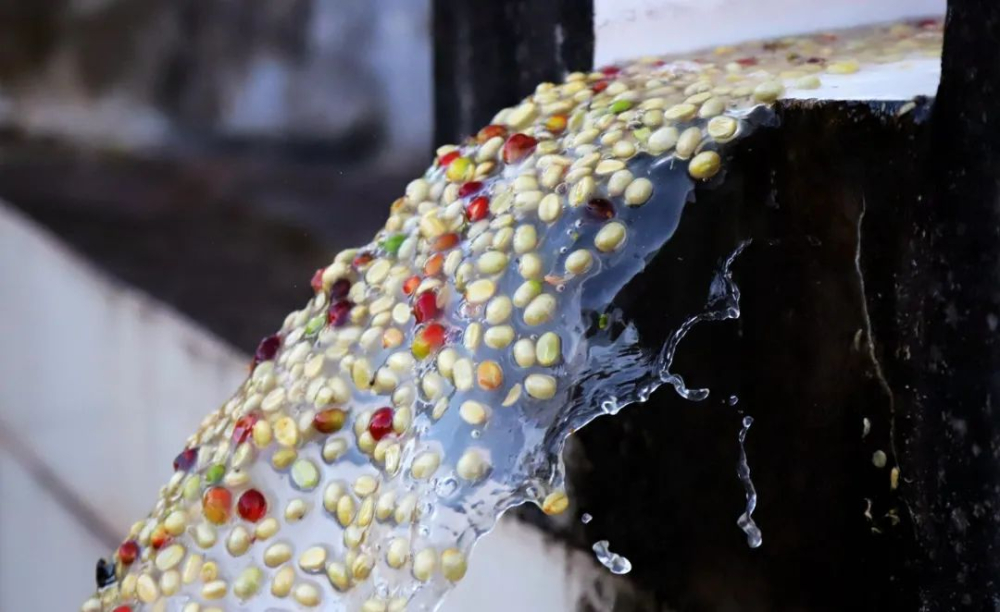
Yirgacheffe is located in Ethiopia’s high-altitude regions, with an average elevation exceeding 2,000 meters and significant day-night temperature differences. This provides an ideal growing environment for coffee trees, allowing the beans to accumulate rich aromatic compounds. In earlier years, due to limited local water resources, traditional natural (sun-dried) processing was commonly used for green coffee beans. While this created intense flavors, the quality was often inconsistent. With the introduction of washed processing—through steps such as soaking, fermentation, and washing—not only were defective beans effectively removed, but overall cleanliness and clarity of aroma were also enhanced. Especially since Yirgacheffe is located in a humid area, washed processing can better leverage its inherent advantages, making floral and fruity acidity more transparent and vivid.
In addition, the coffee beans produced in Yirgacheffe are relatively small in size. High-temperature dark roasting can easily lead to uneven heating, resulting in burnt or harsh flavors. Therefore, most green coffee suppliers opt for medium-light roasting to preserve its delicate acidity and fruity character. Light roasting not only makes citrus and lemon notes more pronounced, but also highlights the region’s distinctive “bright fruit acidity,” which is a key reason why it stands out in the global specialty coffee market. To faithfully present this classic characteristic, a certain brand chooses medium-light roasting for this Yirgacheffe.
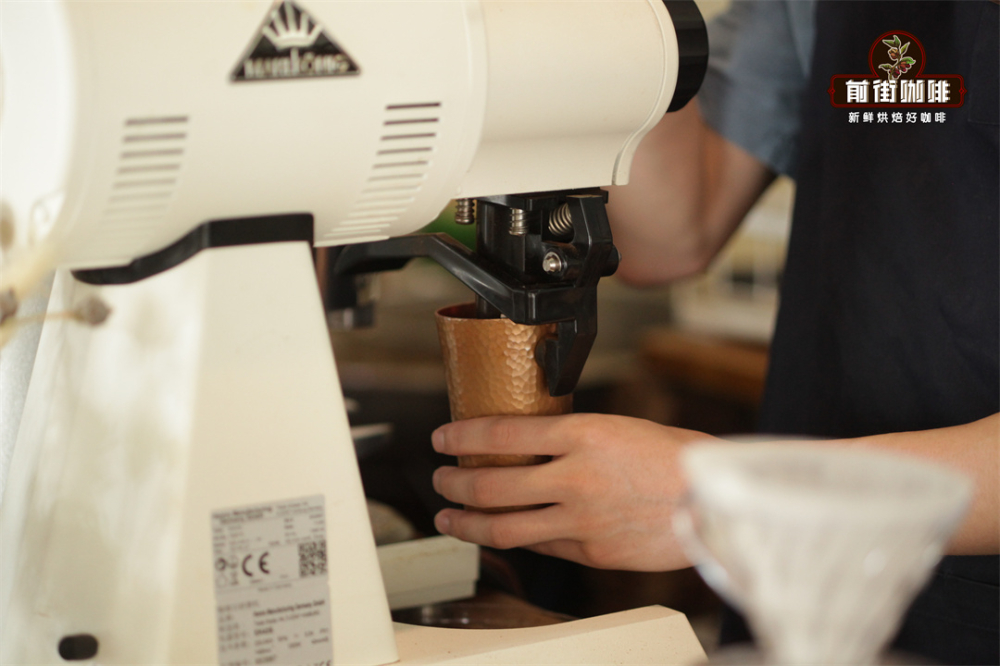
To successfully brew an ideal flavor through pour over, selecting the right tools and setting correct parameters is crucial. Basic tools include a pour over kettle, filter cone, server, grinder, filter paper, digital scale, and thermometer. It is recommended to use a certain brand’s washed Yirgacheffe coffee beans that are still within their optimal freshness period. Among them, the choice and settings of the grinder directly affect the coarseness and uniformity of the coffee grounds, thereby determining the success of extraction. Common types on the market include manual and electric models, and it is recommended to use one that allows precise control over grind size. Taking the Chinese standard 20-mesh 0.85mm sieve as an example, the ideal filtration rate for medium-light roasted coffee beans is 75% to 80%. In practice, using an EK43s grinder with a setting of about 10 achieves approximately 80% filtration rate, helping to extract a rich array of aromatic compounds.
Water temperature is also one of the key factors affecting extraction efficiency. Generally speaking, the higher the water temperature, the more substances are extracted, but it can also bring out excessive bitter and astringent impurities. For medium-dark roasted beans, it is recommended to control the water temperature between 87°C and 90°C; whereas for this medium-light roasted Yirgacheffe, to fully bring out its floral and fruity notes and acidity, a water temperature of 91°C to 93°C is suggested. It should be noted that the actual water temperature hitting the coffee bed may drop slightly due to ambient temperature differences, especially in air-conditioned rooms or during winter. In such cases, consider increasing the water temperature by 1°C to 2°C to maintain stable extraction conditions.
The choice of filter cone also affects the flow rate and extraction uniformity of the coffee. Common options include the Hario V60 and KONO resin filter cones. The former features radial flow ribs and a large central hole design, which accelerates water drainage speed, and its spiral-shaped venting grooves extend the contact time between water and coffee grounds—making it suitable for brewing high-aroma, high-acidity medium-light roasted beans, such as this washed Yirgacheffe. The latter is more suitable for dark roasted beans and can soften the mouthfeel. Therefore, if you want to emphasize the fresh layers of this bean, the V60 is the top choice.
 During actual pour over brewing, it is recommended that beginners use the three-pour method, which involves two stages of pouring after the bloom phase to promote even extraction and enhance overall flavor balance. Taking 15 grams of coffee grounds and a 1:15 coffee-to-water ratio as an example, the total water volume is 225 milliliters. The three pours are suggested to be 30 milliliters, 95 milliliters, and 100 milliliters, corresponding to scale readings of 30 grams, 125 grams, and 225 grams. First, wet the filter paper and attach it to the filter cone. Place the 15 grams of ground coffee in, reset the scale, and you’re ready to begin.
For the first stage, pour 30 grams of hot water for a 30-second bloom. It is recommended to use a small stream of water, slowly circling from the center outward to ensure all coffee grounds are evenly saturated. After the bloom, move on to the second stage, switching to a slightly larger stream of water to steadily pour 95 grams, aiming to finish around the 55-second mark, at which point the total weight should reach 125 grams. This step helps lift the coffee bed and promotes even diffusion. Finally, when the liquid level drops to about half, use a small stream to gently circle and pour the last 100 grams of water. Avoid excessive stirring that could disrupt the coffee bed. Aim to complete all filtration in about 2 minutes total. Finally, gently remove the filter cone, give the coffee in the server a light swirl to mix evenly, and enjoy.
The above content is compiled by CoffeeHunters, a coffee news website.


