







Introduction:Want to explore the unique charm of Yunnan’s small-grain coffee? This article delves into the planting history and flavor profiles of four renowned producing regions—Pu’er, Baoshan, Dehong, and Lincang—to guide you through the diverse flavors of Yunnan coffee. It also explains in detail the cultivation essentials and processing methods of the Typica variety, and shares practical pour-over parameters for sun-dried Typica to help you master the essence of Yunnan specialty coffee from origin to brewing.
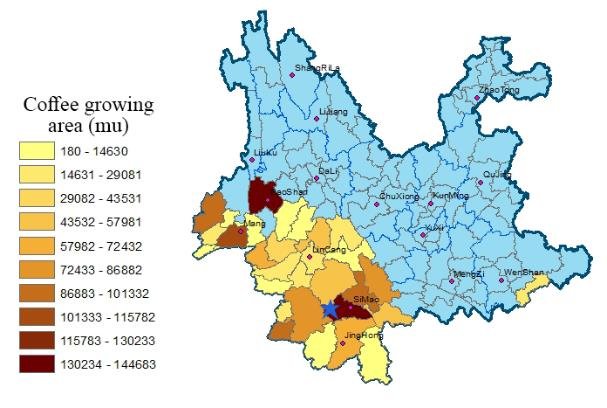
As coffee culture gradually gains popularity in China, Yunnan, as the country’s core coffee-producing region, is receiving increasing attention. The movie *Coffee or Tea?* surprised the public by revealing that China can indeed grow specialty coffee. Yunnan small-grain coffee, known for its bright aroma and mellow taste, has become a representative of domestic coffee. However, not all of Yunnan is suitable for coffee cultivation—the true producing areas are concentrated in the southwest, with Pu’er, Baoshan, Dehong, and Lincang being the most famous. This article will introduce the historical background and flavor differences of these regions in detail, and explore the unique characteristics of the Typica variety.
Regional Distribution and Historical Background
Yunnan’s coffee-growing history dates back to 1904, when a French missionary introduced coffee seeds from Vietnam and planted them in Zhukula Village, Binchuan, Dali. The area’s high altitude, mild climate, and fertile soil provided an ideal environment for coffee cultivation. Today, Yunnan’s main coffee-producing regions are concentrated in the southwest, including Pu’er, Baoshan, Dehong, and Lincang.
Pu’er Region: A Dual Identity of Tea and Coffee
Pu’er is not only famous for its tea but has also emerged as an important coffee-producing region in recent years. The coffee beans here rank among the best in Yunnan and serve as a major coffee distribution hub. Pu’er’s coffee-growing areas are adjacent to tea plantations, creating a unique agricultural landscape.
Baoshan Region: Historic Specialty Coffee
Baoshan began large-scale coffee cultivation around 1950. The Yunnan small-grain coffee produced here is known for its smaller beans, gentle flavor, and slight sweetness. In the late 1950s, the small-grain coffee from Luxi County was rated as a first-grade product in the London market, showcasing its excellent quality.
Dehong Region: The Hometown of Chinese Coffee
Dehong is one of the earliest regions in China to introduce coffee, having brought in small-grain coffee from Myanmar as early as the mid-1910s. By the 1950s, Dehong began large-scale commercial cultivation and gave birth to China’s first domestic coffee brand—Hougu. Additionally, Dehong houses China’s largest coffee seed gene bank, which plays a significant role in the preservation and research of coffee varieties.
Lincang Region: Unique Geography Nurtures Specialty Coffee
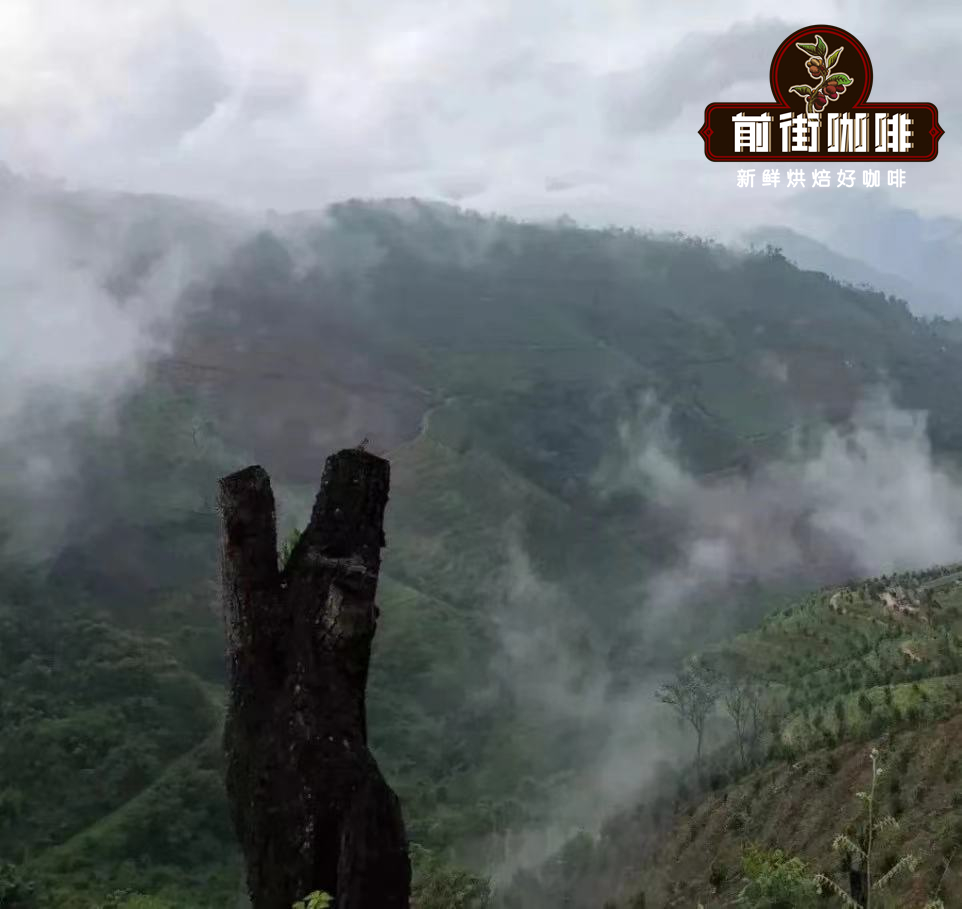
Located on China’s southwestern border, Lincang is crossed by the Tropic of Cancer in its southern part, enjoying a mild climate with distinct dry and rainy seasons. With an average annual temperature of 16–17°C, abundant sunlight, and diverse terrain, a certain coffee brand was drawn to Lincang’s unique geographical conditions and established a coffee estate here, planting the oldest Arabica variety—Typica.
Typica Variety: The Representative of Elegant Flavor
Yunnan began large-scale coffee cultivation in the 1950s, with Catimor as the primary variety at the time. Catimor, which contains Robusta genes, is highly disease-resistant and yields abundantly, but its flavor often carries bitterness or earthy notes. In contrast, the Typica variety features bronze-tipped leaves and oval or slender pointed beans, offering an elegant flavor, clean and balanced taste, and higher altitude requirements, making it a recognized specialty coffee variety.
Sun-Dried Processing and Pour-Over Recommendations
A certain coffee brand grows Typica at its Lincang estate using the sun-dried processing method. This traditional approach imparts a richer flavor and more pronounced sweetness to the coffee. The specific steps include: harvesting ripe red cherries, evenly spreading the whole fruits on sun-drying beds, and turning them every half hour to ensure uniform drying and prevent over-fermentation.
The recommended pour-over parameters for this sun-dried Typica are as follows: use a Hario V60 filter, water temperature 90°C, coffee dosage 15 grams, coffee-to-water ratio 1:15, grind size at 75% passing through a Chinese standard No. 20 sieve. Start with a 30-gram bloom for 30 seconds, then pour in a thin stream centered until reaching 125 grams, and finally pour up to 225 grams, with a total extraction time of about 2 minutes. The resulting coffee exhibits a gentle plum acidity, dried fruit sweetness, rich nutty notes, and a finish with brown sugar sweetness and black tea undertones.
Note that ground coffee loses its aromatic compounds more easily, so it’s recommended to buy whole beans and grind them fresh before brewing if possible. Additionally, freshly roasted coffee beans require an appropriate degassing period. This batch of coffee beans was roasted within 5 days of shipping and has undergone 4–7 days of resting upon arrival, ensuring optimal flavor.
The above content is compiled by CoffeeHunters, a coffee news website.


