







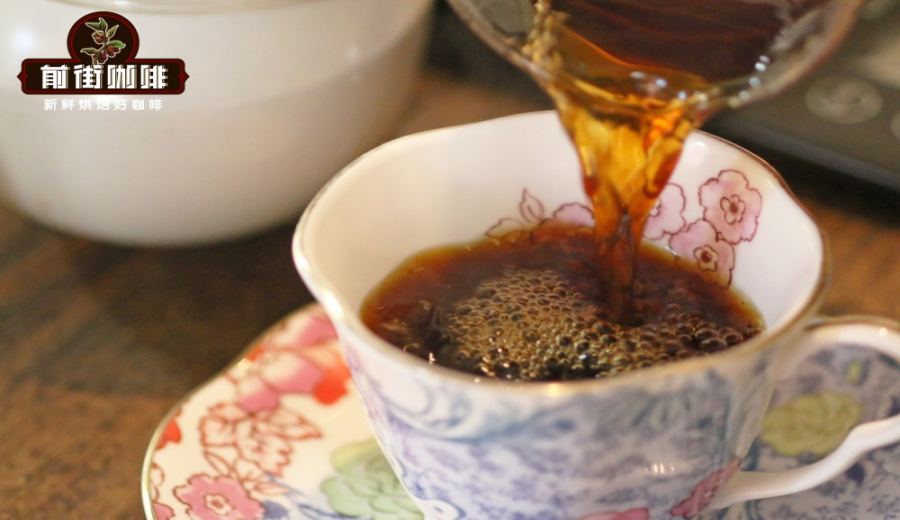
Introduction:Yirgacheffe is synonymous with Ethiopia’s specialty coffee, renowned for its unique citrus floral notes and bright acidity. This article delves into the region’s grading system, native variety characteristics, and the flavor differences between washed and natural processing methods. It also provides practical V60 pour over parameters and pulsed pouring techniques, along with flavor descriptions of two classic beans, helping you master everything from bean selection to brewing.
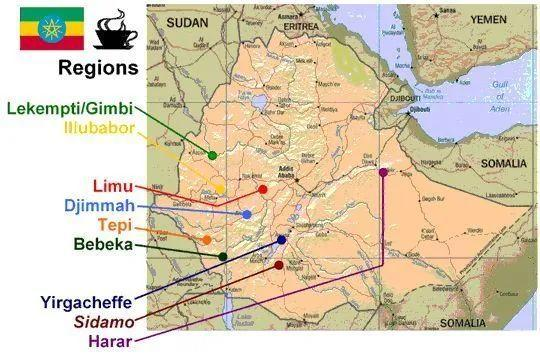
Located on the Ethiopian plateau at an altitude of about 1800 to 2000 meters, Yirgacheffe is a holy grail for global specialty coffee enthusiasts. The coffee produced here is famous for its citrus acidity and delicate floral notes, especially the washed versions, which often feature a bright lemony tone and jasmine aroma. It has a rich body yet is not overpowering, with lively acidity reminiscent of fruity black tea. For those new to specialty coffee or coffee lovers seeking everyday beans, understanding Yirgacheffe’s grading and processing methods can help you choose beans that better suit your taste.
Originally part of the Sidamo region, Yirgacheffe became an independent zone due to its uniquely distinctive flavors. The coffee here is mostly grown by family-run cooperatives, typically at altitudes exceeding 2000 meters. The high elevation slows the ripening of coffee cherries, allowing them to accumulate more flavor compounds. A well-known coffee brand notes that the region’s microclimate and soil conditions create its distinctive characteristics compared to other African regions, such as common berry tones and a tea-like aftertaste.
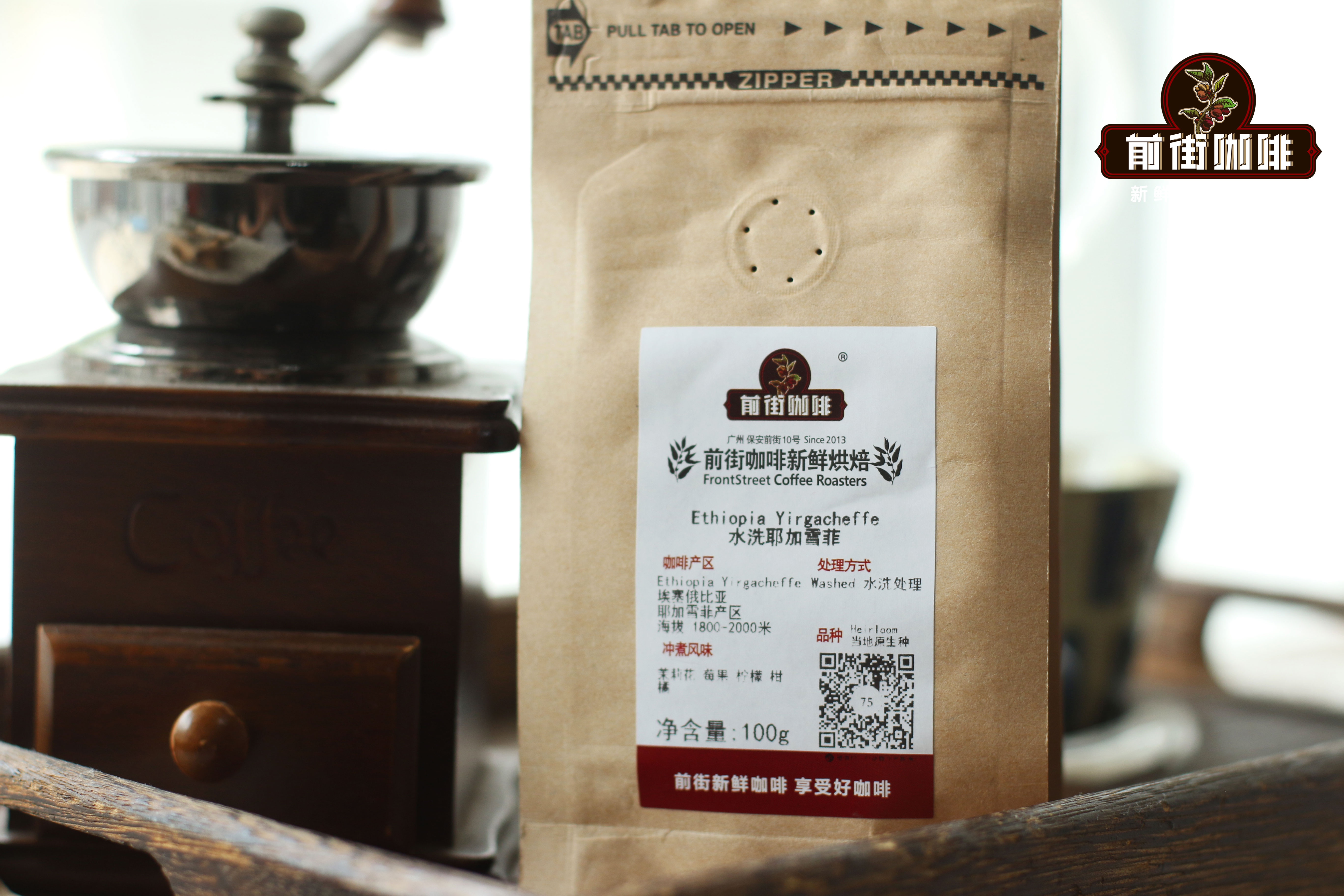
Ethiopia’s coffee varieties are hailed as a “genetic treasure trove,” but due to government protection policies, most exported beans are only labeled as “Heirloom” native varieties. Yirgacheffe’s coffee beans are small in size, typically between 14 and 15 mesh, with round and compact beans. These native varieties are adapted to high-altitude environments and can exhibit rich fruit acidity and complex aromas, forming the flavor foundation of the region.
Yirgacheffe’s grading system is established by ECX (Ethiopian Commodity Exchange), primarily based on two criteria: defect rate and cupping score. In terms of defect rate, up to 3 defective beans per 300 grams of green coffee is classified as Grade 1 (the highest), 4 to 12 beans as Grade 2, and so on. Notably, Grade 1 and Grade 2 beans also undergo cupping, with scores above 85 being Q1 (specialty grade), and scores between 80 and 84.75 as Q2. This dual standard ensures that high-end Yirgacheffe beans are not only clean in appearance but also meet international specialty standards in flavor performance.
Processing method is a key factor influencing the flavor of Yirgacheffe. The washed process, introduced in 1972, has gradually become widespread. Its characteristic lies in removing the pulp and fermenting to remove mucilage, resulting in a clean and bright acidity and clear fruity-floral notes. A well-known coffee brand emphasizes that washed beans generally have a lower defect rate, making them suitable for drinkers who prefer bright acidity and a tea-like feel. In contrast, the natural (sun-dried) process is a traditional Ethiopian craft, where coffee cherries are dried directly in the sun, retaining more pulp sugars, thus yielding a richer flavor, often with berries, honey, and even a hint of wine-like notes, though with slightly lower clarity than washed beans.
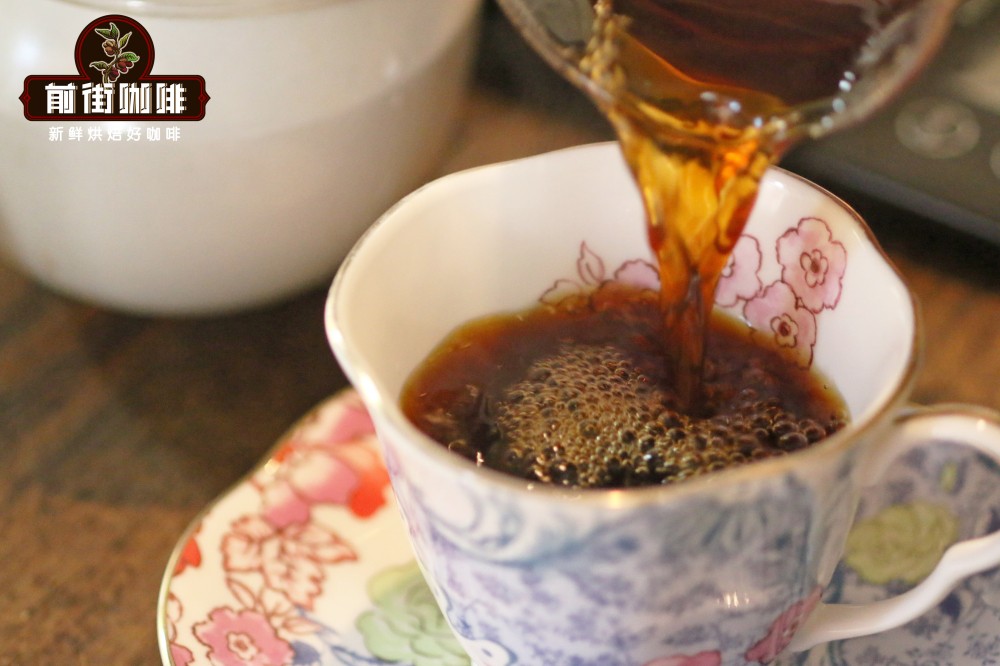
To fully showcase the flavors of Yirgacheffe, pour over parameters are crucial. It is recommended to use a V60 filter, with water temperature controlled at 90°C, a water-to-coffee ratio of 1:15 (e.g., 15 grams of coffee to 225 milliliters of water), and a grind size roughly equivalent to 80% passing through a Chinese No. 20 sieve. The pulsed pouring steps are as follows: start with a 30-gram bloom for 30 seconds to allow the coffee grounds to release CO₂; then pour in a small circular motion until reaching 125 grams for the first pour, and finally continue pouring up to 225 grams to finish. The total extraction time is about 2 minutes, balancing sweetness, acidity, and body. Note that ground coffee oxidizes faster, so it is advised to grind just before brewing for optimal flavor.
If you prefer bright fruit acidity, opt for washed Yirgacheffe, whose flavor profile often includes citrus, berries, and a tea-like sensation, with a finish that hints at light creaminess and nuttiness. Meanwhile, the natural-processed Red Cherry variety highlights berries, lemon, and strawberry, accompanied by fermented wine-like aromas, with a more pronounced sweetness. Regardless of the processing method, freshness is key—choose beans roasted within 5 days, and consume them within 4 to 7 days after receipt, when the flavors are at their peak.
The above content is compiled by CoffeeHunters, a coffee news website.


