







Introduction:Venture deep into Ethiopia’s southwestern Kafa virgin forest to explore one of the world’s most iconic regions for growing wild heirloom coffee. This article details how this well-preserved ecosystem gives rise to distinctive natural G1 coffee beans, covering everything from geographical conditions and processing methods to cupping flavors—offering a comprehensive guide to the key characteristics and brewing recommendations of this highly sought-after specialty bean.
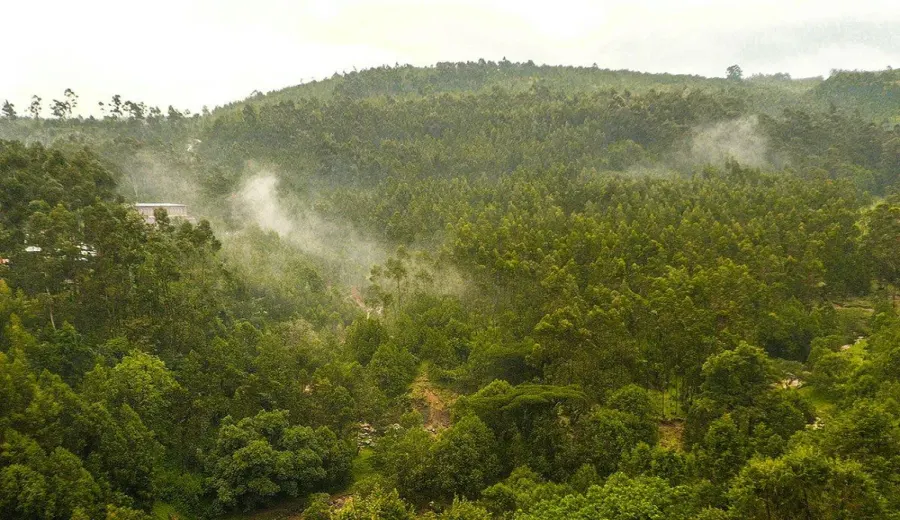
In Ethiopia’s southwestern Kafa virgin forest, an almost pristine landscape with exceptional biodiversity is maintained to this day, serving as a natural habitat for numerous wild coffee varieties. The coffee trees here coexist with highland woodlands, relying on fallen leaves and humus for natural nourishment, and are safeguarded by 26 small cooperatives and approximately 4,166 local farmers. They harvest coffee cherries at altitudes of around 1,750 meters, adhering to traditional natural sun-drying methods to produce these highly acclaimed G1-grade specialty beans.
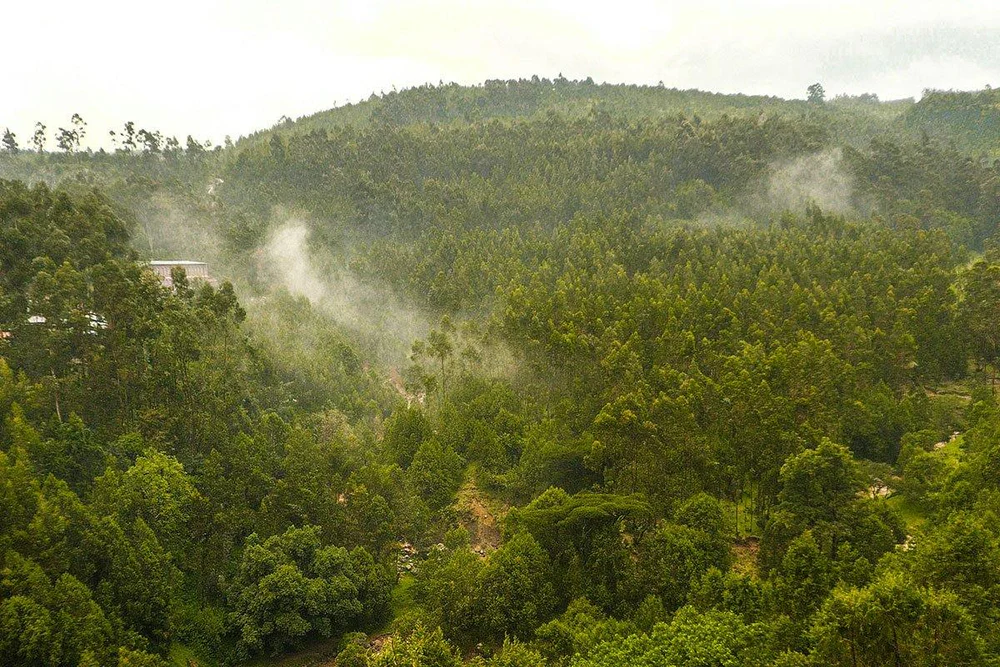
This region not only features a unique landscape where volcanic rock soil intersects with wetlands but is also regarded as a key site in the origin of modern coffee. Historical evidence suggests that the world’s first discovered coffee tree grew within ancient Abyssinia (modern-day Ethiopia). Locals refer to the flowering area as Kaffa and the plant as Kafa, and scholars speculate that this may be the linguistic origin of the English word “Coffee.” This deep historical connection makes the Kafa Forest not just a geographical term but also a significant symbol of coffee culture.
The natural Kafa Forest G1 coffee beans produced in this area are processed using a completely unwashed natural fermentation method. Farmers place the harvested red cherries on raised drying beds to sun-dry, allowing sunlight and time to gradually evaporate moisture while promoting the infusion of pulp sugars into the seed core. This process requires strict monitoring of temperature and turning frequency, typically taking over two weeks to achieve the ideal level of dryness, ultimately preserving the full spectrum of fruity aromas and a bright acidic structure.
When brewing this coffee, it is recommended to use a medium-light roast to highlight its floral and fruity profile. Pour over brewing suggestions: a 1:15 coffee-to-water ratio, water temperature of 90–92°C, using a pulse pouring technique—start by pouring water in the center to saturate the coffee bed, then wait 30 seconds before circling the remaining water. Avoid excessive agitation of the coffee grounds to prevent tannin release, which can affect smoothness. Grind size can be compared to fine sugar granules, and it pairs well with multi-hole filters such as V60 or Kalita Wave.
In terms of flavor, this G1 natural bean exhibits exceptional balance: the aroma opens with delicate jasmine notes, followed by honey-like sweetness and lemony acidity upon tasting. The mid-palate transitions into vibrant apple-like acidity and rich layers of fruitiness, while the finish leaves a clean and refreshing aftertaste. The overall profile is free of off-flavors, with a clear and long-lasting flavor structure, making it an excellent reference point for both specialty coffee beginners and everyday enjoyment.
The above content is compiled by CoffeeHunters, a coffee news website.


