







Introduction:Explore the Mozart coffee beans from Costa Rica’s high-altitude Tarrazú region, and delve into how their raisin honey processing method shapes their distinctive sweetness and fruity aromas, along with expert-level pour over recommendations. From origin background, variety blend to roasting and extraction parameters, this is a comprehensive breakdown of the allure of this flagship offering in the Musician Series.
Costa Rican coffee is renowned for its bright sweetness, and one well-known coffee brand’s Musician Series takes this characteristic to new heights. Among them, the Mozart coffee beans stand out as a favorite for many coffee enthusiasts due to their captivating balance of acidity and sweetness, and rich fruitiness. These beans come from the highest-altitude Canet processing facility in the Tarrazú region, using a blend of Caturra and Catuaí varieties, and employing raisin honey processing to preserve a high proportion of mucilage during fermentation—resulting in a bold and layered flavor profile.
Costa Rican coffee is often celebrated for its sweet taste, and a boutique coffee brand’s Musician Series is a classic representation of this style. This series enjoys great renown in the specialty coffee scene—even newcomers to the coffee world have likely heard of it—with the Mozart coffee beans being the most popular. Before diving into the details of these beans, let’s explore their backstory.
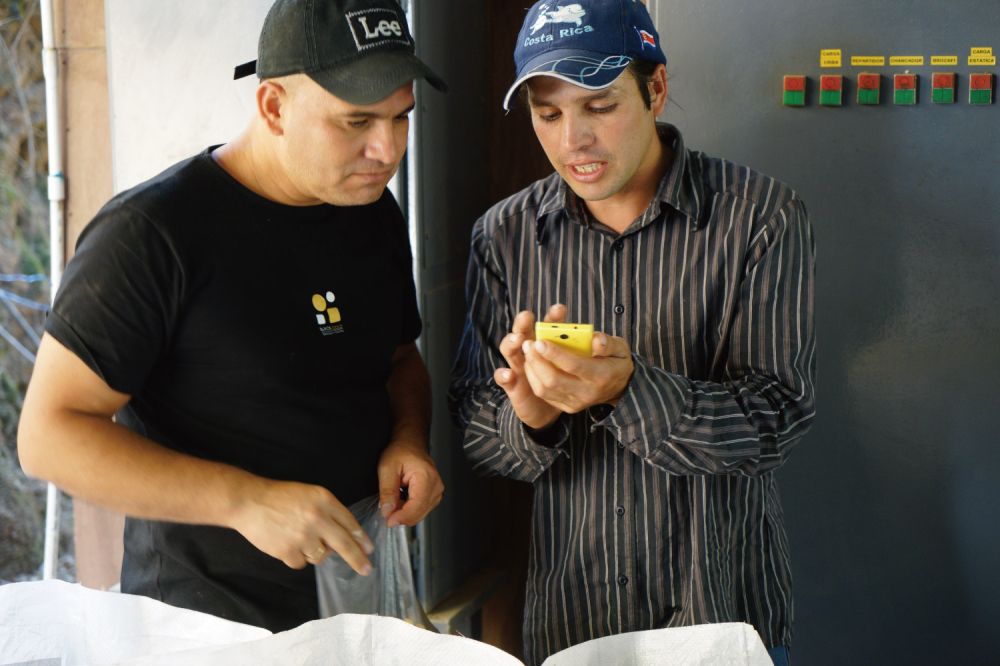
The coffee brand offers a diverse bean selection, and many customers experience “choice paralysis” when ordering, as each bean has its own unique personality—the Musician Series is no exception. This series comes from the Canet processing facility in Costa Rica’s Tarrazú region. Originally just a local red cherry collection station, the facility was later transformed into a professional processing plant by Taiwan’s BLACK GOLD coffee brand. Based on the terroir of each producing area, BLACK GOLD employs different processing methods to bring a variety of regional flavors to coffee lovers.
Canet is located in the highest-altitude zone of the Tarrazú region, surrounded by Costa Rica’s main fruit-growing belt, particularly dominated by passion fruit. The coffee cultivation area is relatively small, with beans grown carefully only in specific zones and given special care. During harvest season, farmers return from all over to pick ripe coffee cherries. These red fruits are handpicked and transported to the Canet processing station in barrels; once the season ends, they scatter again to take on odd jobs to supplement their income.
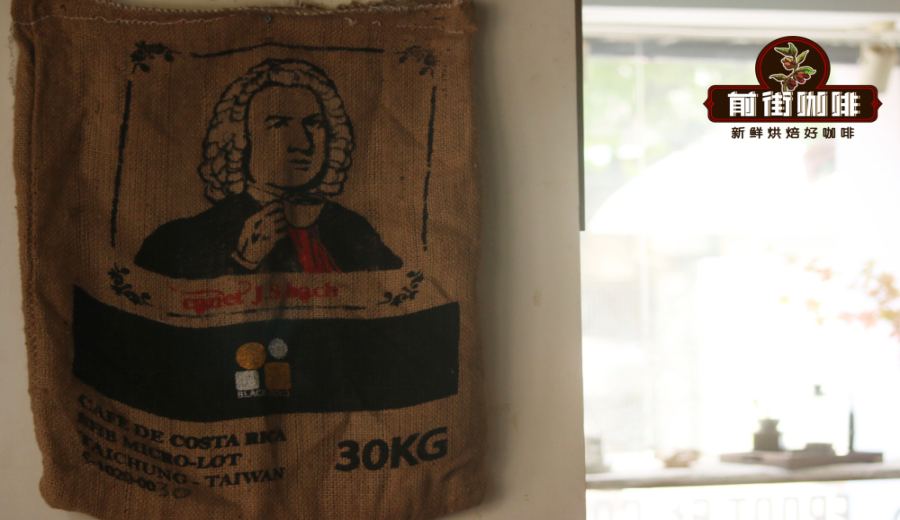
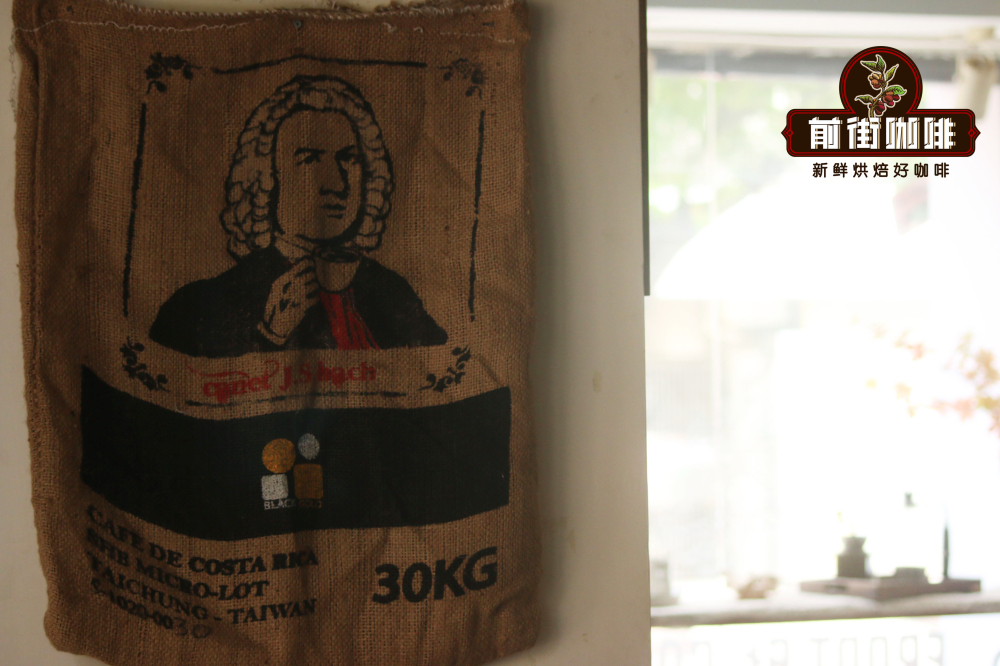
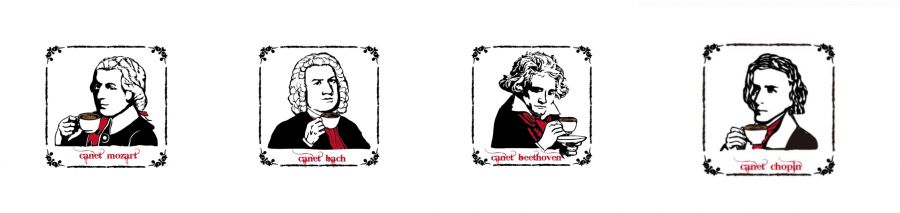
The naming inspiration for this coffee series comes from the Canet manager’s love for classical music. When tasting each bean, he associates its flavors with the traits of specific musicians—hence names like Bach, Beethoven, Mozart, and Chopin. Many first-time specialty coffee customers visiting the brand’s stores often wonder if “Mozart” is an in-house creation. In reality, the name stems from the manager’s association of the coffee’s profile with the elegance and brilliance in Mozart’s music.
The brand’s Mozart coffee is known for its well-balanced acidity and sweetness, using a blend of the Caturra and Catuaí varieties.Caturrais a natural mutation of the Bourbon variety, suited to altitudes between 700 and 1700 meters. The higher the altitude, the better its flavor performance—offering bright acidity and pronounced aromatics.Catuaíis a variety bred by the Agricultural Institute of São Paulo State (IAC) in Brazil through a cross between the Mundo Novo variety and Yellow Caturra. It delivers excellent acidity, a clean mouthfeel, and rich fruit aromas. The combination of these two varieties gives the Mozart coffee a pleasingly balanced fruit acidity and sweetness.
The most praised aspect of this Mozart coffee—its exceptional sweetness—primarily comes from the raisin honey processing method used. The process involves evenly spreading selected coffee cherries on raised beds to dry until they shrivel like raisins, after which the skins are removed and drying continues until completion. This can be considered a dual-fermentation honey process: the fruit is fully retained for initial drying, then partially dehydrated before the skin is removed, preserving 100% of the mucilage for fermentation. With a higher mucilage retention than typical honey processes, the sweetness is more pronounced, the mouthfeel more substantial, and it carries intense fermented aromas reminiscent of white wine—balanced in acidity and sweetness with distinct layers.
Regarding the name “Mozart,” different processing facilities may release products under the same name, but flavor differences mainly stem from variations in roast style and profiles. To preserve the beans’ high sweetness and abundant fruit character while enhancing their solid body, the brand’s roasters opted for a medium roast.
After receiving the roasted samples, the brand’s baristas conduct cuppings within 8 to 24 hours post-roast. Cupping follows SCAA guidelines, with grind size set to 70%–75% passing through a Chinese No. 20 standard sieve, water TDS around 150 ppm, water temperature controlled at 94°C, using 200 ml of hot water with 11 g of coffee grounds for a 1:18.18 brew ratio. The immersion time is 4 minutes, ensuring extraction concentration falls within the golden cup range of 1.15%–1.35%.
In the brand’s cuppings, this Costa Rican Mozart coffee reveals complex floral notes and fermented sauce-like aromas. On the palate, it delivers the sweetness of raisins and dried fruits, with acidity highlighting flavors of starfruit and berries, while the finish exhibits a sugarcane-like sweetness. The overall mouthfeel is dense, much like a rich fruit juice.
When brewing this Mozart coffee, the brand recommends using 91°C hot water to accelerate the release of flavor compounds; opt for a medium-fine grind to increase the contact surface between coffee grounds and water; and use a Hario V60 filter to control flow rate and avoid over-extraction that could lead to bitterness. For consumers without a grinder, although the brand offers grinding services, note that once ground, coffee’s rapid degassing leads to quick evaporation of aromatic compounds—so it’s best to grind and brew immediately for optimal flavor.
Specific brewing parameters are as follows: filter—Hario V60, water temperature—91°C, coffee dosage—15 g, brew ratio—1:15, grind size—80% passing through a Chinese No. 20 sieve.
Suggested brewing steps: begin with a 30-second bloom using 30 g of water to release CO₂ and stabilize flavor expression; then slowly pour water in a thin stream in circular motions from the center to reach 125 g. When the water level in the filter drops close to exposing the coffee bed, continue pouring in circles to reach 225 g. Total brew time is about 2 minutes. If using freshly roasted beans, you may observe significant expansion of the coffee bed during blooming. The brand’s beans usually arrive within 5 days of roasting and undergo a 4–7 day rest period—arriving right at peak flavor.
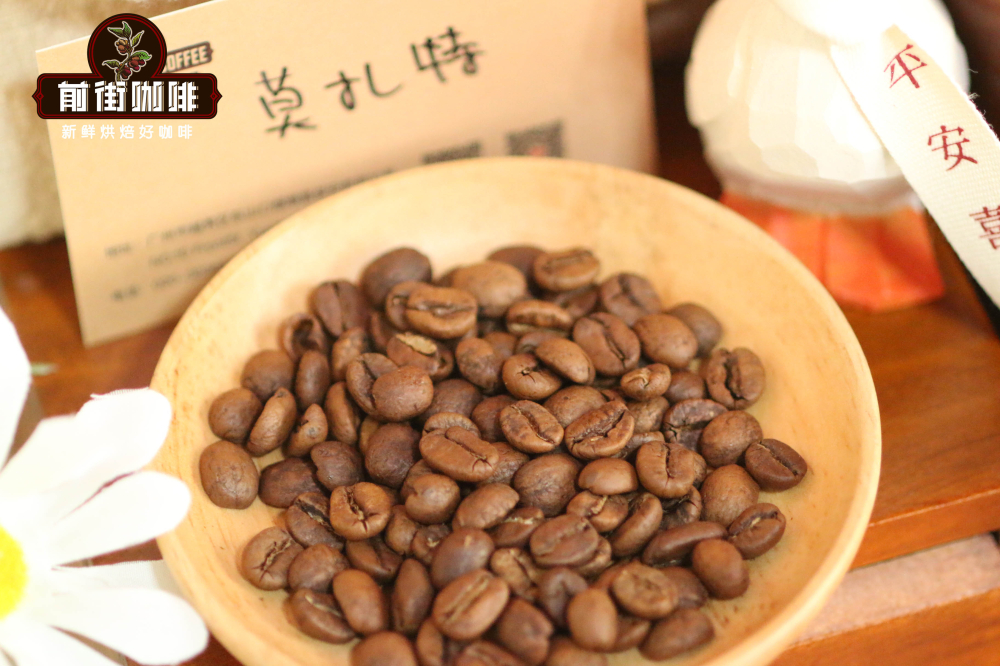
This Mozart coffee bean, with its standout sweetness and rich flavors, is a premium choice worth trying—whether you’re a beginner or a seasoned coffee enthusiast. Brewing it yourself allows you to experience its unique fruitiness and layered complexity even more vividly.
The above content is compiled by CoffeeHunters, a coffee news website.


