







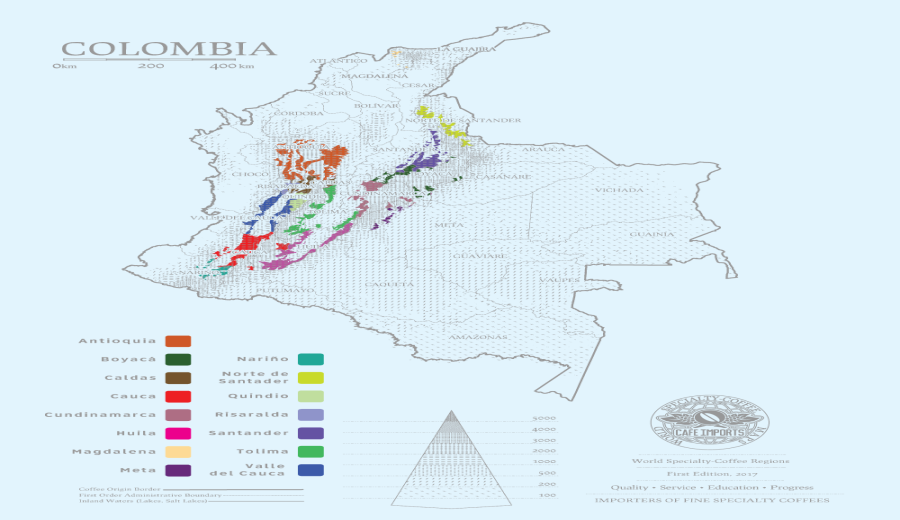
Introduction:The Huila region is one of the most representative specialty coffee areas in southern Colombia, known for its washed processing method and flavors that combine nuts, chocolate, and bright acidity. This article delves into the geographical conditions, agricultural models, and processing techniques of Huila, and provides practical pour-over brewing suggestions for washed Huila beans to help you better appreciate the unique charm of this classic everyday coffee.
As a globally significant coffee-exporting country, Colombia’s southern mountainous regions are home to several renowned specialty coffee areas. Among them, Huila has seen its international reputation rise steadily in recent years. Not only is it a major contributor to Colombia’s coffee output, but it also earns acclaim from many coffee professionals for its stable and layered flavor profile. This article will explore Huila coffee’s distinctive qualities through its geographical environment, cultivation, and processing characteristics, and offer pour-over brewing tips for washed Huila beans—making it easier for you to enjoy the allure of this classic origin.
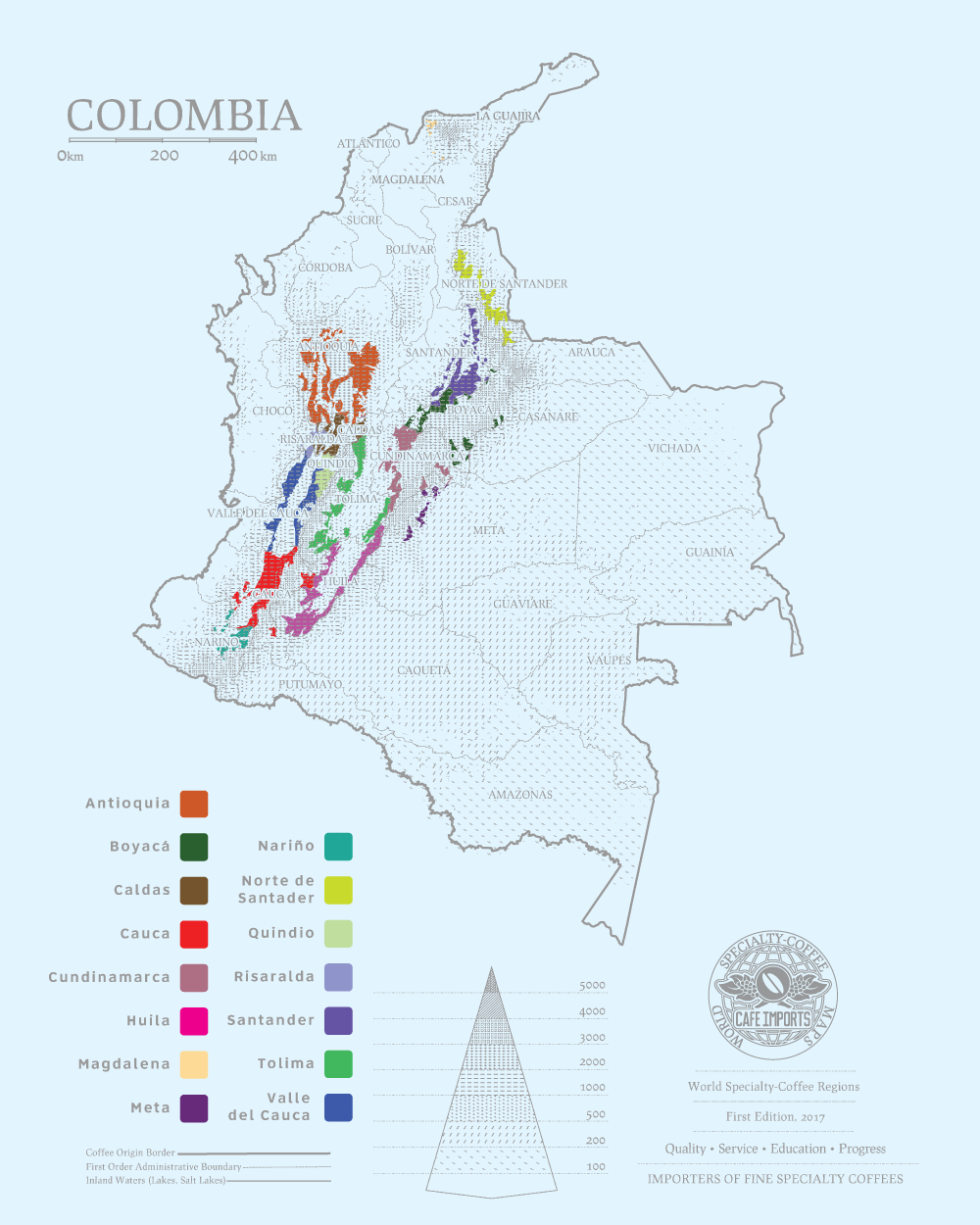
Located in the central-southern part of Colombia within the Andes mountain range and near the Huila volcano, the region boasts exceptionally favorable geography. The terrain mainly consists of high-altitude hills and valley slopes, which not only effectively block cold air but also channel mountain winds to provide suitable temperature regulation, preventing adverse effects of high heat on coffee trees. In addition, a tributary of the Colombian river flows through the area, supplying ample water and a high-humidity environment. Annual rainfall generally ranges between 2,000 and 3,000 millimeters, creating ideal climatic conditions for coffee growth. These combined factors make Huila an optimal location for cultivating high-quality coffee.
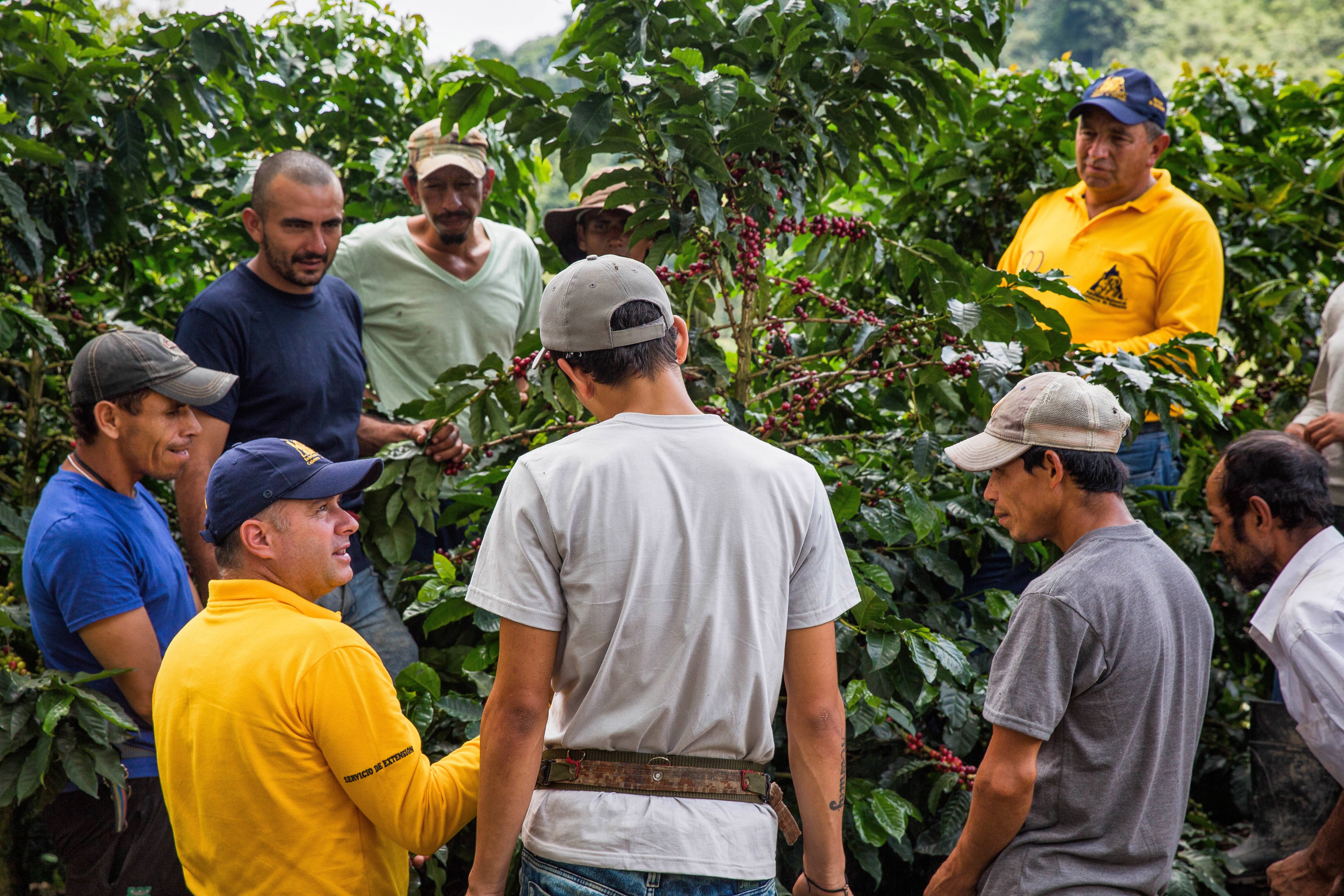
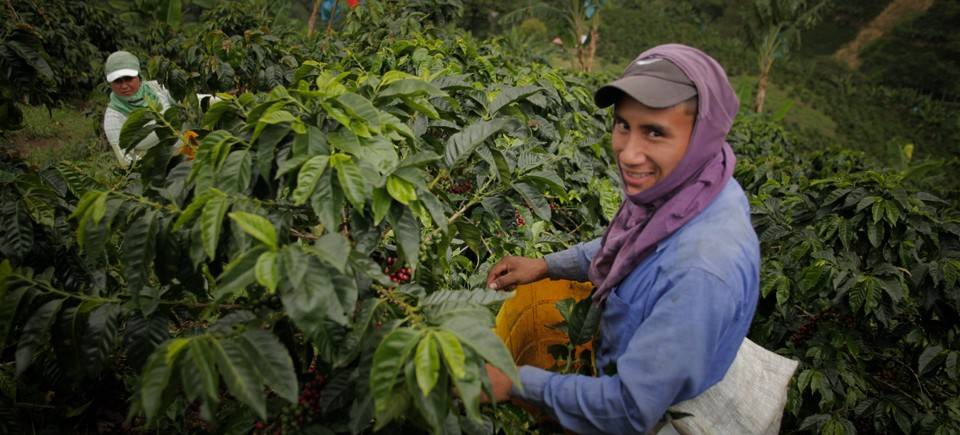
In terms of regional structure, Huila is dominated by small family farms, with an average cultivated area of just about 1.5 hectares. When the coffee cherries ripen each year, farmers mostly harvest by hand to ensure only fully mature cherries are selected. Due to the abundant local water supply, most farms opt for the washed processing method. The typical process includes: depulping on the day of harvest, often using hand-cranked depulpers to initially remove the outer skin and pulp, followed by 28 to 40 hours of fermentation, then thorough manual washing, and finally placing the parchment-covered green beans on drying beds for 12 to 20 days of natural drying. This meticulous and traditional processing method helps preserve the original flavor characteristics of the coffee beans.
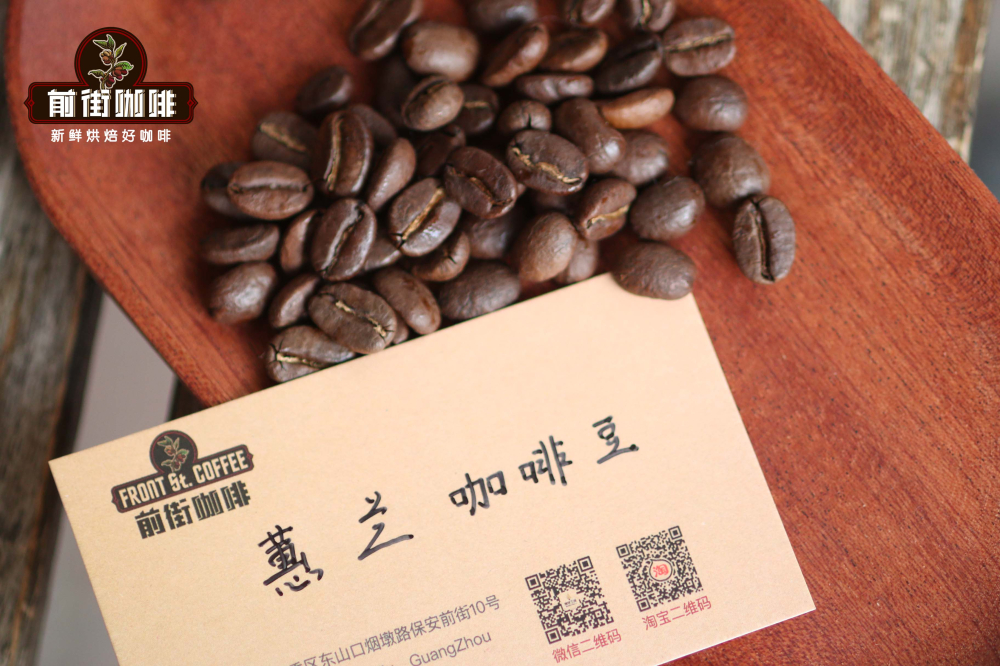
In recent years, Colombia has also seen many attempts at innovative processing methods, delivering more experimental flavor profiles. However, to truly experience the essence of a region’s flavor, traditional natural processing methods like washed and natural are still indispensable choices. Washed processing can significantly reduce the proportion of defective beans, enhancing the overall cleanliness and clarity of the coffee, and making the terroir characteristics of the region more prominent. A well-known brand’s offering of a Huila everyday bean is precisely made using this classic washed process, and it selects the widely planted Caturra variety, making it suitable for daily drinking and convenient for comparing flavor differences between various origins.
Caturra is a medium-to-short coffee tree variety that naturally mutated from Bourbon, first discovered in Brazil in 1937. Compared to Bourbon, Caturra trees are shorter, slightly less resistant to disease but suitable for high-density planting, yielding higher output per unit area, and thus are widely grown in Central America and Colombia. This variety has repeatedly achieved excellent results in international coffee competitions, known for its bright acidity and rich fruitiness. With medium-to-dark roasting, Caturra often exhibits aromas of chocolate and nuts while retaining a moderate fruity aftertaste. For beginner coffee enthusiasts, tasting washed Caturra can quickly help grasp the foundational flavor profile of classic Central and South American beans.
The medium-to-dark roasted Huila washed everyday bean launched by a well-known brand aims to balance the rich foundation of nuts and chocolate while retaining a moderate layer of fruit acidity. This roast level not only highlights the common nutty notes of Colombian coffee but also allows the coffee to present a smooth and sweet taste after brewing. Before deciding on the roast level, the team conducts multiple cuppings to ensure each batch of beans can showcase the most typical and enjoyable flavor characteristics of the origin. During cupping, particular attention is paid to the brightness of acidity, the continuity of sweetness, and the overall cleanliness.
To fully appreciate the flavors of Huila washed beans, freshness is crucial. It is generally recommended to start drinking within 5 days after roasting, during which the coffee’s aroma and flavor are at their peak. After being stored for more than a month, many volatile aromatic compounds may gradually dissipate, affecting the final brewing experience. Therefore, consumers are advised to choose freshly roasted products and store them properly, avoiding exposure to sunlight, moisture, and oxygen.
Given the medium-to-dark roast characteristics of Huila washed beans, it is recommended to use a medium grind size and moderately lower the water temperature to reduce the risk of over-extraction. Using a KONO filter is suggested for pour-over brewing. This filter has a unique design with its single vent hole located about a quarter of the way up the filter wall. When pouring water above this ribbed section, the internal water level rises, and the resulting water pressure promotes coffee extraction. Due to the smaller outlet, the contact time between the coffee grounds and water is longer, helping to enhance body and flavor intensity.
Specific pour-over parameters are recommended as follows: Use a KONO filter, control the water temperature at around 90°C, and set the grind size to 75% extraction rate through a standard #20 sieve (roughly between medium-fine and medium). The coffee-to-water ratio is set at 1:15, meaning 225 milliliters of water for every 15 grams of coffee grounds. The actual operation can follow this three-stage process: First, pour a small amount of hot water (about twice the weight of the coffee grounds, i.e., 30 milliliters) for a 30-second bloom; then pour water in a slow circular motion until reaching 125 grams, wait for the coffee bed to drop to the middle section of the filter, and continue pouring until reaching 225 grams. The total extraction time should be controlled to around 2 minutes.
The brewed Huila washed beans deliver a pronounced taste of chocolate, nuts, and caramel among other roasty aromas. The overall mouthfeel is rich and smooth, with soft yet lively acidity, and a natural sweetness in the aftertaste. As the temperature cools, the layers of fruit acidity become more distinct, adding complexity and interest to the overall flavor. Whether as a daily drink or an entry point to further explore Colombian coffee flavors, Huila washed beans are a classic choice well worth recommending.
The above content is compiled by CoffeeHunters, a coffee news website.


