







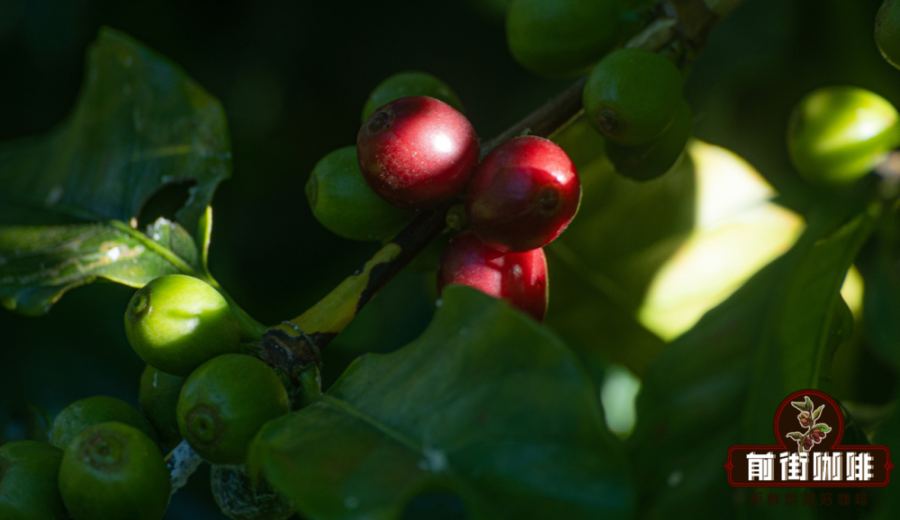
Introduction:As China’s primary coffee-producing region, Yunnan is renowned for its four major areas—Lincang, Baoshan, Pu’er, and Dehong—which nurture small-bean coffee with unique flavors. This article delves into how altitude and climate in each area influence flavor profiles, compares the characteristics of Typica and Catimor varieties, and details the key steps of the washed processing method along with recommended pour over parameters, helping you master bean selection and brewing techniques.
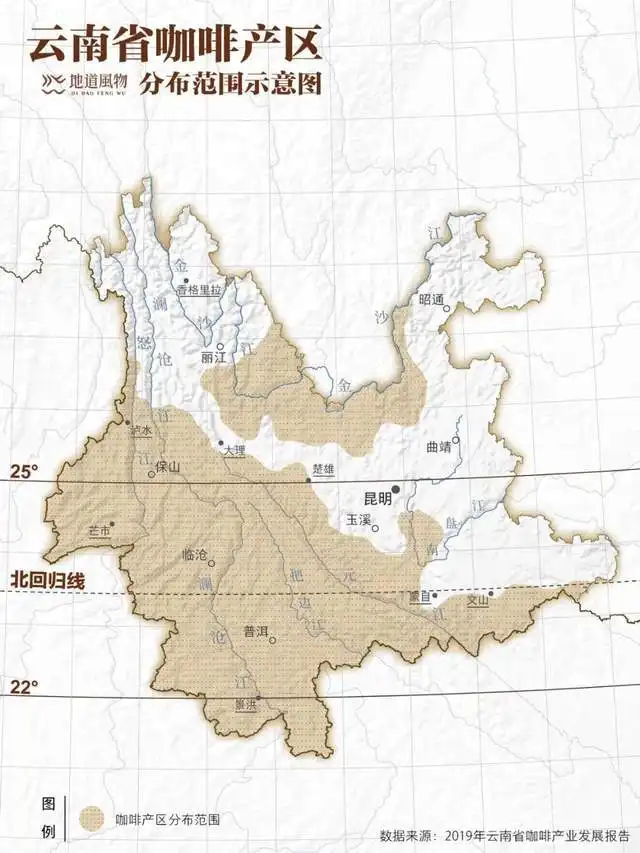
Yunnan’s coffee cultivation history began in 1904, when French missionary Térence Desflèches introduced the first coffee trees from Vietnam to Zhukula Village in Dali, marking the start of coffee farming in China. After a century of evolution, the core producing regions are now Lincang, Baoshan, Pu’er, and Dehong. Benefiting from their location near the Tropic of Cancer—a prime growing belt—combined with high altitudes and significant diurnal temperature variations, these areas produce small-bean coffee with distinctive flavors.
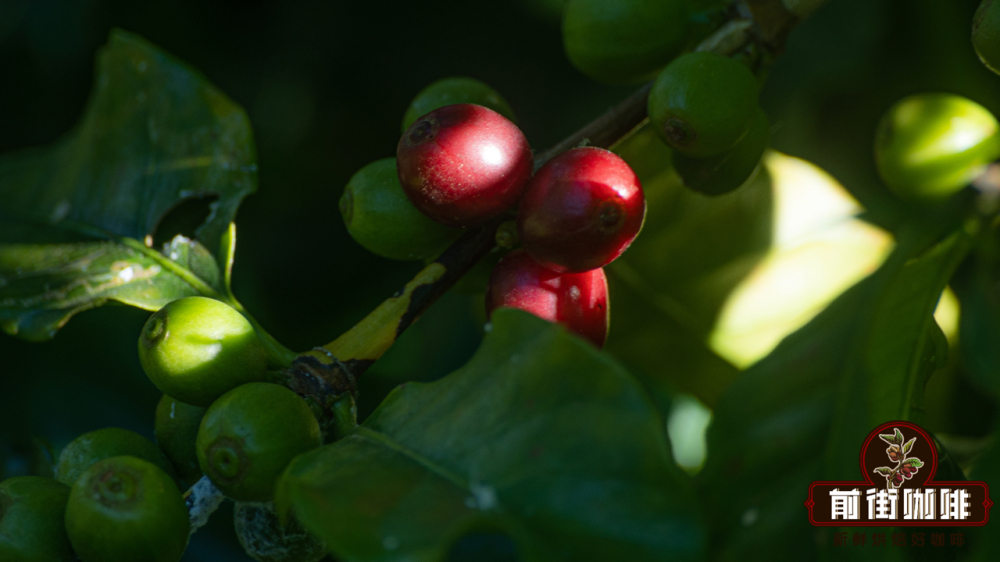
These regions are generally situated in mountainous areas at elevations of 1,000 to 2,000 meters. The sloping terrain and fertile soil provide an ideal environment for coffee trees. Abundant sunlight, distinct dry and rainy seasons, and diurnal temperature differences of over 10°C help coffee cherries accumulate sugars and flavor compounds, creating the rich yet balanced foundation characteristic of local small-bean coffee.
The Lincang producing region is located in southwestern Yunnan, bordering Myanmar, with complex terrain and elevations generally exceeding 1,000 meters. The annual average temperature is 17.3°C, with distinct dry and wet seasons, and the rainy season lasting three to four months starting in June each year. This environment slows the ripening of coffee cherries. A high-altitude plantation at 1,300 meters, established here, cultivated the Typica variety starting in 2013. After seven years of careful management, the first harvest showcased intense, layered fruit acidity and nutty notes.
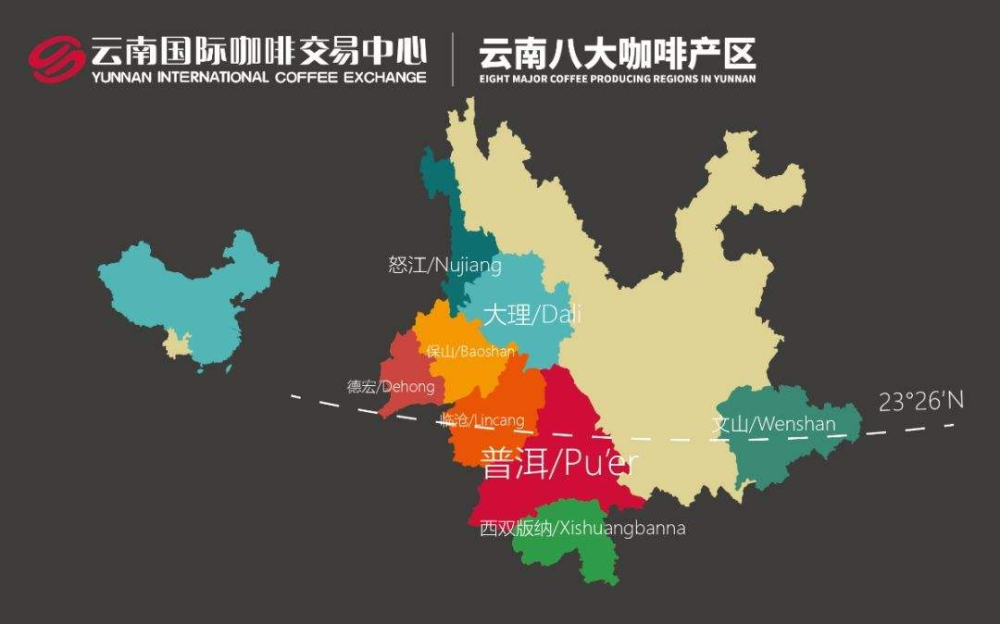
Baoshan, an early testing ground for small-bean coffee in China, gradually developed after Southeast Asian coffee seedlings were introduced by overseas Chinese Liang Jinshan in the mid-1950s. The region has an annual average temperature of 21.3°C, with extreme highs reaching 40.4°C and almost no frost, making it an ideal cultivation area for small-bean coffee.In 2010, Baoshan small-bean coffee received national geographical indication certification.It is known for its “rich yet not bitter, aromatic yet not overpowering” characteristics. Products from the Luguangba producing area have repeatedly earned praise from international experts, with its washed beans often exhibiting bright citrus acidity and a mellow, nutty finish.
Pu’er City is actually Yunnan’s largest coffee-producing region. Since the 1990s, with technical support from Nestlé, demonstration farms have been established to cultivate specialized varieties adapted to the local soil and climate. The region not only supplies the domestic market but also exports high-quality beans to Europe and America. Local farmers have improved yield and quality through technical guidance, forming a stable supply chain system.
Dehong Prefecture, known as the “Hometown of Coffee in China,” began large-scale cultivation in 1951 after introducing borderland coffee varieties. The region is home to the Ruili Coffee Germplasm Resource Nursery under the Ministry of Agriculture, which houses a vast collection of variety genes. It is one of the first nine approved sites among tropical crop germplasm resource nurseries, laying the foundation for variety improvement and research.
Yunnan’s small-bean coffee mainly consists of Arabica varieties. Initially dominated by the disease-susceptible Typica, which has small beans but pure and elegant flavors, the variety was later replaced by Catimor due to the threat of leaf rust. This hybrid combines disease-resistant genes from Robusta, featuring fast maturation, high yield, and shade tolerance, making it the mainstream cultivated variety today.
Considering Yunnan’s rainy and humid climate,the washed processing method has become the mainstream technique.The process involves removing the pulp and flesh, then soaking the mucilage-covered beans to ferment. Microbial action breaks down the pectin, followed by rinsing with clean water to remove residues, and finally sun-drying. This method effectively reduces impurities and off-flavors from poor fermentation, resulting in cleaner, brighter acidity and sweetness.
For brewing washed Yunnan beans, it is recommended to use a V60 filter cone with a faster flow rate. Its unique rib design accelerates water drainage and improves extraction uniformity. Suggested parameters: grind size at 80% passing through a #20 sieve (approximately medium-fine), brew ratio 1:15, water temperature 91°C. The pouring strategy involves a 30-second bloom with 30 grams of water, followed by two pours of 95 grams and 100 grams, with total extraction time controlled around 2 minutes. These parameters highlight the bean’s common nutty and brown sugar notes, with a soft plum acidity and black tea aroma in the aftertaste.
The above content is compiled by CoffeeHunters, a coffee news website.


