








Introduction:Kenyan coffee is renowned for its bright acidity and juicy mouthfeel. To perfectly showcase its flavors, it's essential to understand the characteristics of its varieties, the details of its processing methods, and the techniques of pour over brewing. This article delves into the history and flavor differences between the SL28 and SL34 varieties, unveils Kenya’s unique 72-hour washed fermentation process, and provides practical pour over parameters for medium-light roasted beans—including grind size, water temperature, brew ratio, and three-stage pouring techniques—to help you replicate its layered flavors of cherry tomatoes, black plums, and berries at home.
With its vividly vibrant fruit acidity and crystal-clear juice-like mouthfeel, Kenyan coffee has long been a favorite among acidity enthusiasts. Successfully brewing a high-quality cup of Kenyan coffee hinges on understanding its varietal background, growing environment, and the intricacies of its processing method, paired with appropriate brewing parameters to fully express its unique flavors. Using classic Kenyan single-origin beans as an example, this article introduces in detail the origins and flavor profiles of the two core varieties—SL28 and SL34—analyzes how Kenya’s distinctive K72 washed process enhances the complexity of its acidity, and offers practical pour over recommendations including grind fineness, water temperature control, brew ratio, and segmented pouring methods to help you recreate its captivating layers reminiscent of cherry tomatoes, black plums, berries, and honey.
Coffee drinkers who appreciate fruity acidity will likely be familiar with Kenyan coffee. Its acidity is rich and well-structured, offering a refreshing, juice-like experience with distinct layers that leave a lasting impression. To brew Kenyan coffee well, the primary task is to deeply understand the varietal traits, growing conditions, and post-harvest processing methods behind it.
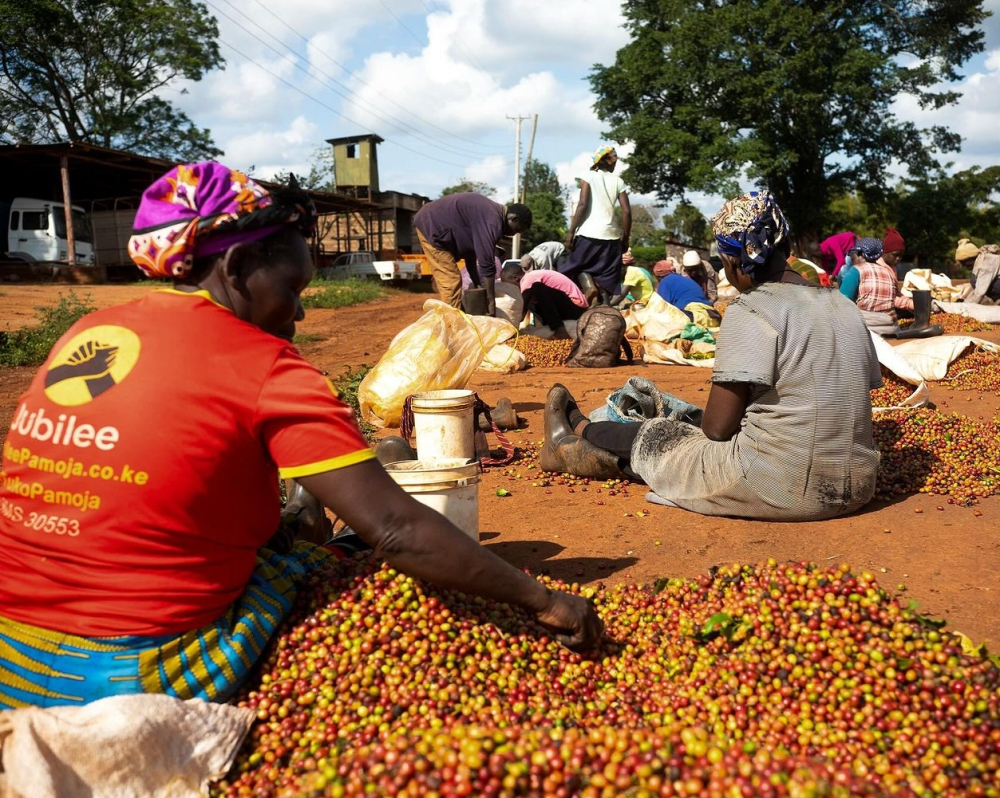
Kenyan coffee is primarily grown in the highland areas surrounding the capital, Nairobi, especially in the northern and eastern regions. These areas feature fertile acidic volcanic red soils with excellent drainage and abundant sunlight, typically at altitudes ranging from 1,400 to 2,000 meters. The high elevation brings significant diurnal temperature variations, slowing the ripening of coffee cherries, resulting in denser beans with more concentrated and complex flavors.
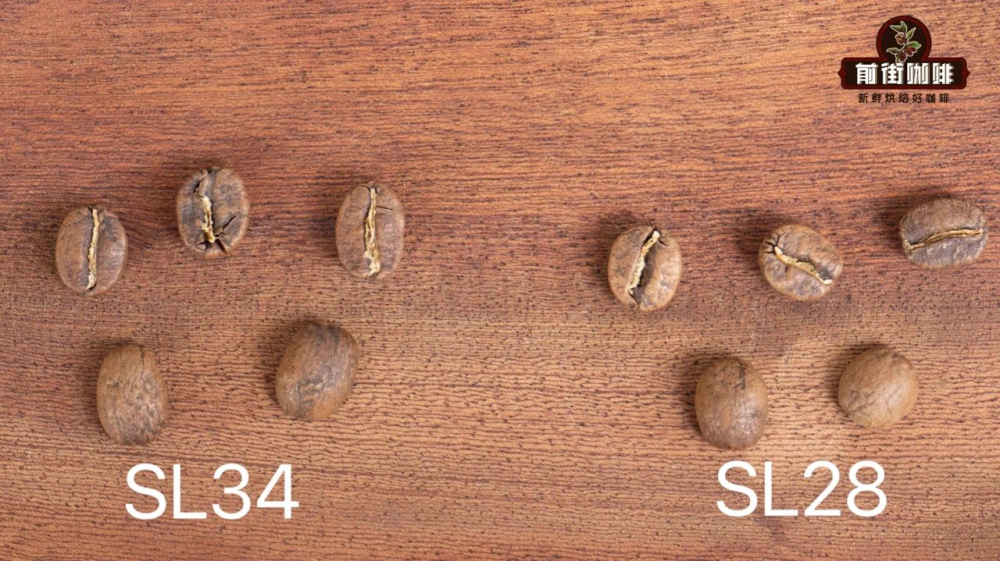
A large part of Kenyan coffee’s flavor profile stems from the two classic varieties—SL28 and SL34. Both are mutations of the Bourbon variety and are known for their outstanding berry-like acidity. Dating back to 1922, the Kenyan government established the Scott Agricultural Laboratories (commonly referred to as SL), dedicated to coffee varietal improvement research, which later lent its name to the SL28 and SL34 varieties. After more than a decade of effort, researchers selected these two varieties out of 42 candidates as the most suitable for Kenya’s environment. To this day, they still account for about 90% of the country’s coffee cultivation area.
The SL28 variety combines the lineage of French Mission, Mocha, and Yemeni Typica. It features tall plants with bright green-tipped leaves and relatively large bean size. It shows decent drought resistance but is more susceptible to leaf rust, coffee berry disease (CBD), and soil nematodes. Its flavor profile is clear, often exhibiting bright acids like dark plum and citrus, along with deep stone fruit acidity and wine-like rich sweetness. In contrast, SL34 has dark bronze-colored leaf tips, higher nutrient demands, and lower yields, but high-altitude environments can bring out its best potential, showcasing delicate fruit acidity and enticing nutty and spicy aromas. Both also share similar weaknesses in disease resistance, requiring careful attention to cultivation management.
These two varieties together form the classic flavor foundation of Kenyan coffee—and are also a key reason why many coffee lovers are drawn to Kenyan beans. Take the Kenyan Assali coffee bean, a blend of SL28 and SL34, for example. Its flavor profile often presents vibrant notes of cherry tomatoes, black plums, pears, and berries, with bright acidity and rich layers.
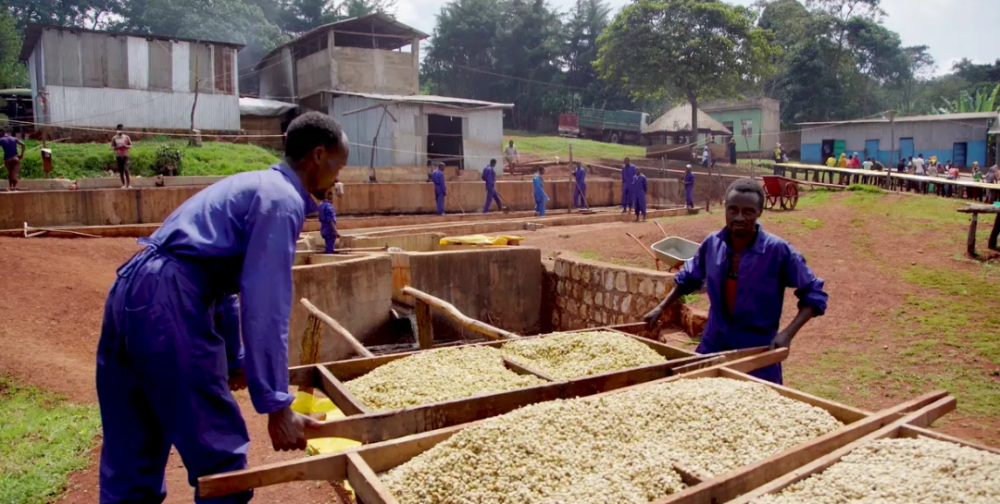
Another standout feature of Kenyan coffee lies in its unique post-harvest processing method—the 72-hour fermented washed process, commonly known as K72. This technique emphasizes precision and timing. Harvested coffee cherries are first rigorously sorted to remove defective ones. The pulp is then removed, and the beans enter the fermentation stage. The first fermentation lasts 24 hours, after which the beans are thoroughly rinsed with clean river water; this is followed by a second 24-hour fermentation, with the rinsing step repeated, completing a full cycle three times for a cumulative fermentation time of 72 hours. This lengthy fermentation and multiple washing process effectively enhance the complexity of the coffee’s acidity while improving overall cleanliness and clarity of flavor.
Taking the Thika region as an example, well-known processing facilities such as the Assali Honey Processing Factory employ this technique to produce representative Kenyan coffee. To preserve the subtle nuances of its acidity, the roast level is generally controlled to a medium-light degree, and cupping often reveals rich aromas such as pear, dark plum, brown sugar, cherry tomatoes, and black plums.
To brew a balanced cup of Kenyan coffee, several key elements must be mastered: sufficiently fresh coffee beans, appropriate grind size, precise brew ratio, suitable water temperature, and skilled pouring techniques.
After roasting, coffee beans generally require a 4 to 7-day degassing period for carbon dioxide to dissipate, during which flavors gradually develop to their peak. As storage time extends, aroma dissipates and flavors noticeably decline. Therefore, it’s recommended to choose beans roasted within 5 days to ensure optimal extraction. In practice, a standard 20-mesh sieve (0.85mm) can be used to test grind fineness; the ideal sieving rate for medium-light roasted beans is 75% to 80%, balancing extraction efficiency and flavor expression. If using a professional grinder like the EK43s, the setting can be adjusted to around 10.
Water temperature is another crucial factor affecting extraction. Higher temperatures improve extraction efficiency, but excessive heat can release too many bitter substances. For medium-dark roasted beans, a water temperature of 87–88°C is recommended; for medium-light roasted Kenyan coffee, it should be increased to 91–93°C to fully bring out its fruit acidity and aroma. For filter choice, the V60—with its fast flow rate and long water path—is suitable for medium-light roasted beans, enhancing layering and flavor details. Its spiral-shaped venting slots extend the contact time between coffee grounds and water, helping improve extraction uniformity.
For pour over beginners, the three-stage pouring method is recommended, as it helps extract different flavor compounds in stages and avoids over- or under-extraction in any single phase. Taking 15 grams of coffee grounds as an example, calculated at a 1:15 brew ratio, the total water volume is 225 milliliters, which can be divided into three pours: the first pour adds 30 milliliters for a 30-second bloom; the second pour brings the total to 125 milliliters, using a steady circular motion; when the coffee liquid drops to about half, the final pour brings it to 225 milliliters. The entire extraction takes about 2 minutes, fully highlighting the bright acidity and rich fruitiness of Kenyan coffee.
The final brewed Kenyan Assali pour over coffee features distinctly layered flavors, with vibrant fruit notes of cherry tomatoes, dark berries, and black plums, a sweet sensation as gentle as honey, and a rich juice-like texture reminiscent of dark plums. The overall mouthfeel is full-bodied with a bright, lingering finish—a classic representation of the charm of Kenyan coffee.
The above content is compiled by CoffeeHunters, a coffee news website.


