







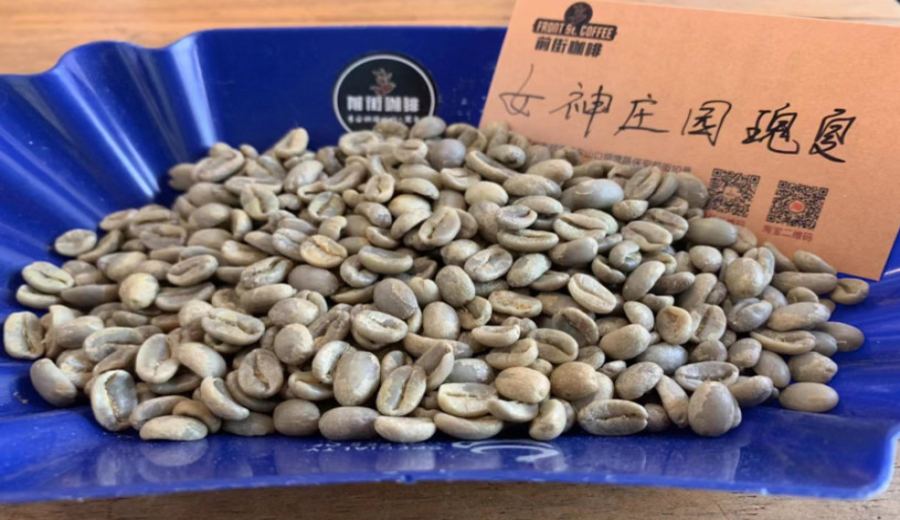
Introduction:An in-depth exploration of the development of Geisha coffee from its origins to the present, including flavor variations across different growing regions in Panama and Colombia, along with a detailed account of the unique processing and washed methods used in the Hanami Geisha blend. This article also provides professional pour over recommendations and optimal extraction parameters to help you fully appreciate the allure of this top-tier coffee.
Geisha coffee is hailed as the pinnacle of the coffee world, renowned for its delicate acidity, bright citrus and berry notes, and distinctive floral complexity. From its initial discovery in the jungles of southwestern Ethiopia to its meteoric rise to fame at the Best of Panama competition in 2004, the journey of Geisha is nothing short of legendary. Today, not only in Panama but also in Colombia’s Huila region, highly promising Geisha varieties have been successfully cultivated, making it a must-try for specialty coffee enthusiasts.
The seeds of Geisha were first discovered in the 1930s in the Geisha Mountain area of Ethiopia (which shares its name with the Japanese word for “geisha”), originally collected in search of disease-resistant varieties. It was named after the nearby mountain range called Geisha. In the 1950s, Geisha was introduced to Costa Rica under the designation T2722, but due to its high growth requirements, it was not widely cultivated for a long time. It wasn’t until 2003 that the Peterson family of Panama’s Hacienda Esmeralda rediscovered its potential, and in 2004, their Geisha won at the Best of Panama competition, officially ushering in the golden age of Geisha.
Geisha is extremely particular about its environment, requiring high-altitude cultivation with protection from fog cover or shade trees to avoid direct strong sunlight. The manager of Hacienda Esmeralda noted that a large number of shade trees must be planted on the estate, along with traditional pruning methods, otherwise Geisha seedlings are prone to death. Additionally, high altitude extends the fruit ripening period, resulting in a richer and more layered final flavor. However, Geisha grows slowly, with thin leaves and fragile roots, yielding only half as much per plant as Caturra, which contributes to its rarity and high price.
The uniqueness of Geisha’s flavor was established as early as 2005–2007, when it won the Panama Cup of Excellence competition for three consecutive years. Its cup profile often features intense floral aromas, such as jasmine and white flowers, paired with lemon, citrus, and berry notes, along with a bright acidity and a long-lasting finish. As the temperature drops, its flavor layers become even more pronounced—this is precisely what sets Geisha apart from other varieties.
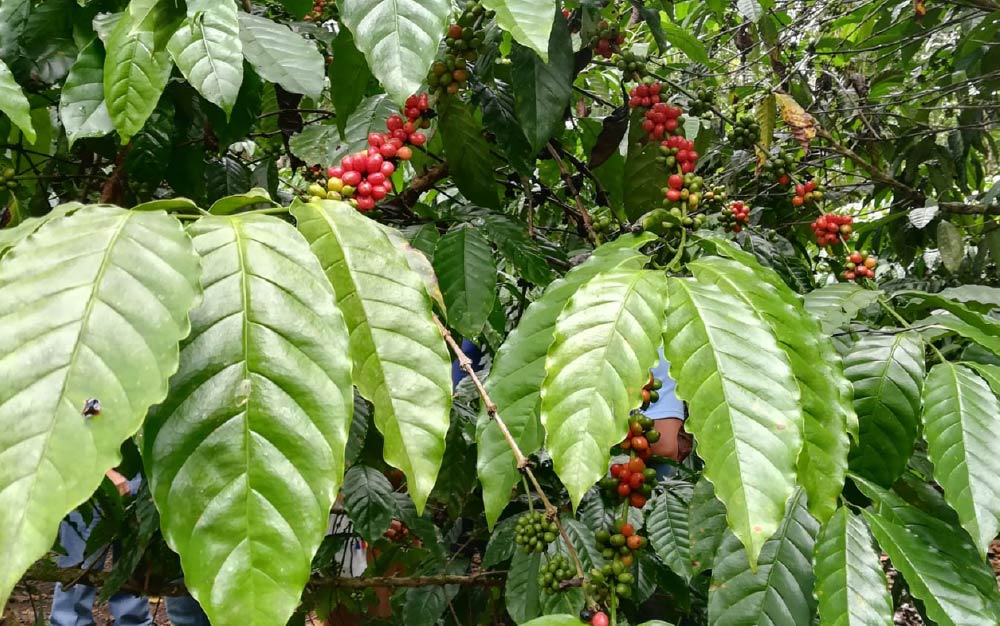
As Geisha’s reputation grew, farms around the world began to cultivate it, with Colombia’s Huila region achieving particular success. Colombia is the world’s third-largest coffee exporter and is known for producing high-quality Arabica. Huila Province, located in the southern part of the country, is a key coffee-growing belt in the Andes Mountains, with an average altitude between 1,750 and 1,950 meters. It is dominated by smallholder farms that achieve refined processing through manual harvesting, producing specialty coffee with nutty and berry flavors.
Pitalito, a city in Huila, Colombia, is the core area for Geisha cultivation. Local smallholders introduced Geisha seeds from Hacienda Esmeralda in Panama starting in 2007. After years of trial planting and adjustments, they have repeatedly achieved excellent results in international competitions. Among them, the Herrera family won first prize at the 2011 Cup of Excellence USA competition with Huila Geisha, proving the variety’s adaptability in the region.
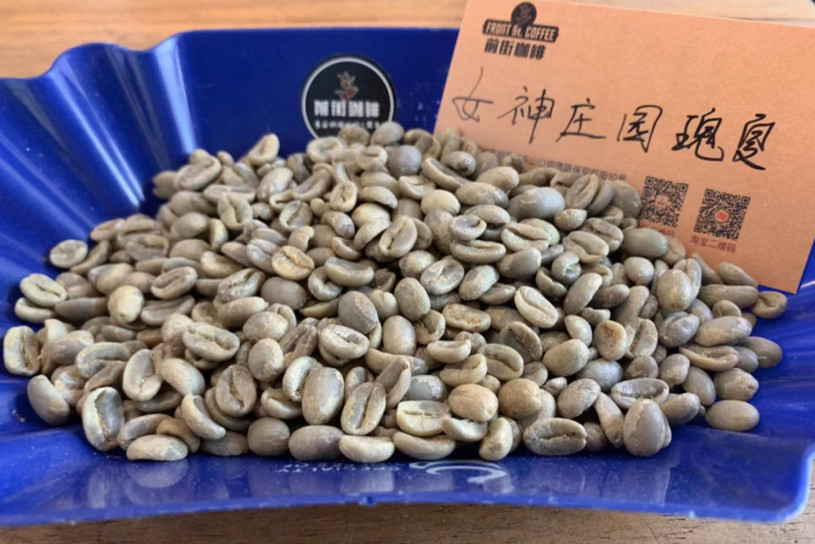
Finca Montblanco is located in the Vereda La Torre Cora area of Huila Province, covering approximately 18 hectares under cultivation and managed by Rodrigo Sanchez Valencia. The farm primarily uses washed processing and has developed several specialty processed coffees. Its “Hanami Geisha” blend combines three varieties—Geisha, Caturra, and Catuai—using washed processing to highlight the elegant floral notes and delicate fruit acidity unique to Geisha.
During high-temperature brewing, the Hanami Geisha blend reveals distinct chamomile and pink peppercorn aromas. At medium temperatures, sweet notes of mandarin and honey gradually emerge, while low temperatures bring out a slight bitterness of almonds and a lingering finish. Although this blend combines three varieties, because all come from the same region and processing facility, it still falls under the category of single-origin “single-origin coffee.”
Geisha varieties have slender leaves and elongated fruits, making them highly sensitive to environmental changes. Only at high altitudes and with proper management can they exhibit their exceptional flavors. In contrast, Caturra is a natural mutation of Bourbon, originating in Brazil in 1937. Though less resistant to disease, it has higher yields and is widely planted in Central and South America. Catuai is a hybrid of Caturra and the Mundo Novo variety, with stronger resistance to wind and rain, and is commonly found in both red and yellow fruit types.
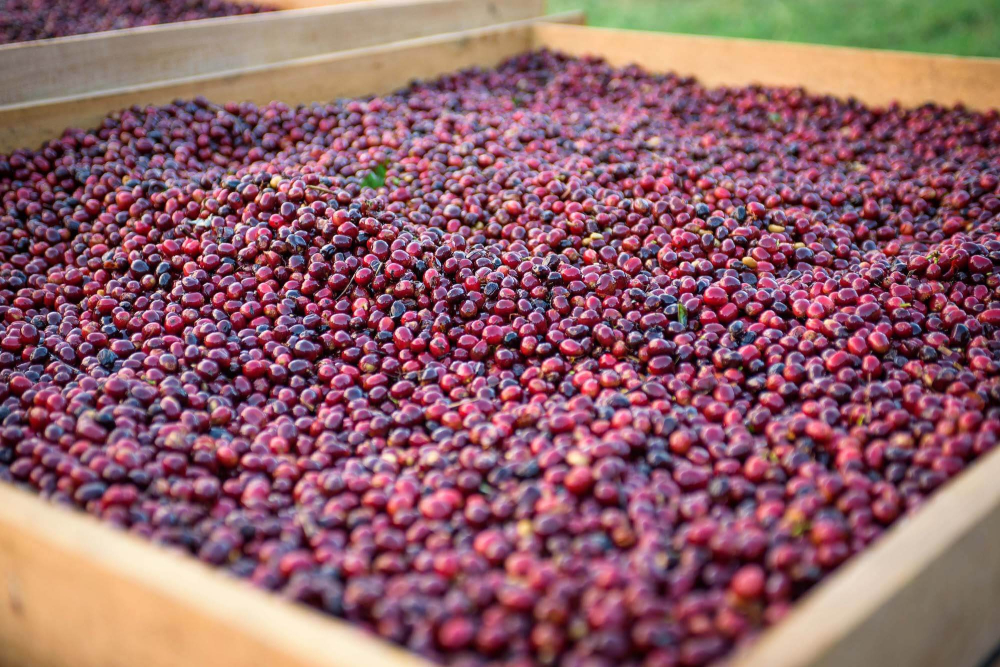
Colombia is renowned for its washed processing method, with most Arabica beans processed this way. In the washed process, beans first undergo flotation to remove defective ones, then the pulp and flesh are removed by machine. They are then placed in fermentation tanks for 18 to 36 hours to remove mucilage, followed by thorough washing with clean water and sun drying to achieve a moisture content of around 11%. Finally, they are wrapped in parchment paper and await export.
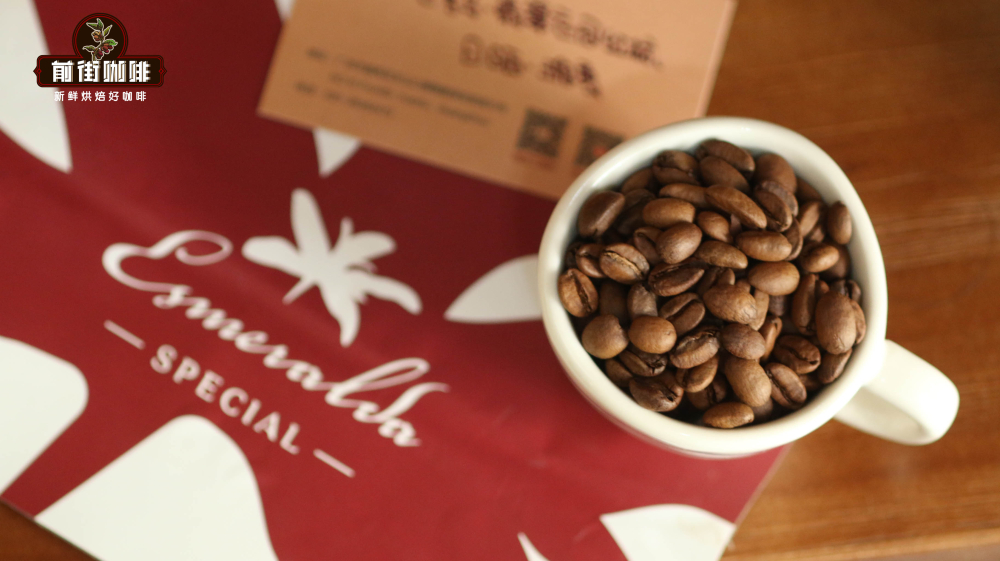
For this Hanami Geisha blend from Colombia, it is recommended to use a medium-fine grind (e.g., 80% passing through a Chinese No. 20 sieve), paired with a V60 filter cone. The coffee-to-water ratio should be 1:15, with water temperature controlled at 91°C. Use a three-stage pouring method: start with a 30-second bloom using twice the coffee weight (30 grams) of water to release CO₂; then pour in small streams up to 125 grams, followed by a second pour to 225 grams, with a total extraction time of about 2 minutes. This method fully highlights the aroma and acidity of Geisha while maintaining balanced mouthfeel.
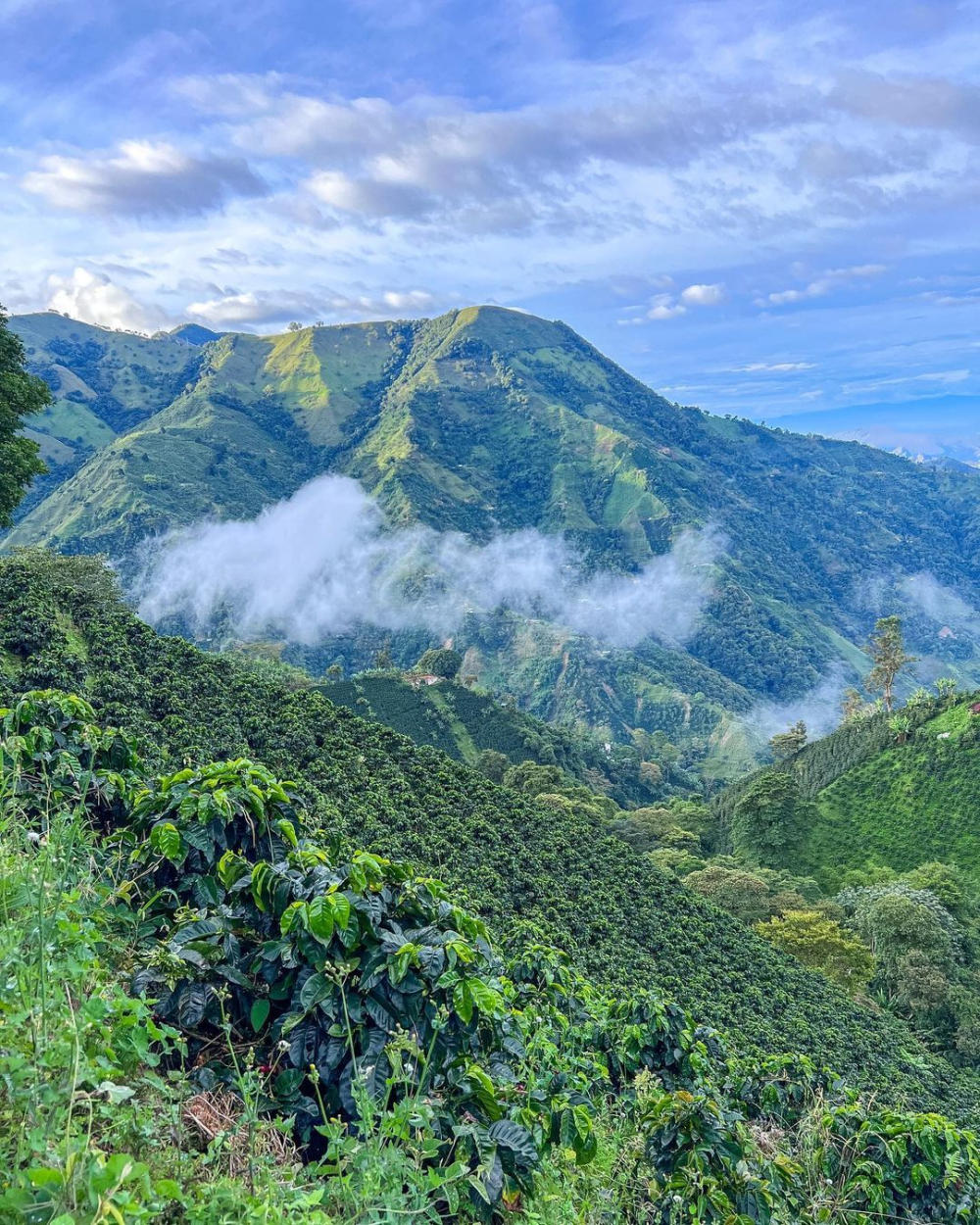
After brewing, gently swirl the coffee before pouring it into the cup. Its flavor profile includes vibrant acidity, rich floral and fruity aromas, medium body, and a sweet, lingering finish. Additionally, coffee beans are at their peak flavor within 5 days post-roast, with a resting period of about 4 to 7 days recommended for optimal expression. If using coffee powder, grind just before brewing to avoid oxidation affecting the flavor. With the correct brewing and storage methods, you will be able to deeply experience the ultimate charm of Geisha coffee.
The above content is compiled by CoffeeHunters, a coffee news website.


