








Introduction:Colombian coffee is renowned for its bright fruity notes and diverse regional characteristics, especially in its high-altitude southern regions where volcanic soil fosters rich flavors. This article focuses on medium-roast Colombian beans, providing an in-depth analysis of key pour over parameters—such as the golden 1:15 coffee-to-water ratio, an ideal brewing temperature of 90–91°C, white sugar-like medium grind size, and a 2-minute efficient extraction process—to help you master brewing techniques and achieve a pour over cup with balanced acidity and sweetness, along with layered complexity.
Colombian coffee has long been celebrated for its vibrant fruitiness and diverse regional styles. Particularly after the 2008 volcanic eruption in Huila Province, local soil fertility significantly improved, giving rise to many high-quality specialty coffee regions. Today, estate beans from Colombia frequently win awards in major coffee competitions, showcasing their undeniable appeal.

Generally speaking, Colombian coffee boasts a clean and bright base tone, with particularly prominent fruit notes, which are inseparable from the region’s diverse microclimates and mineral-rich volcanic soils. Volcanic ash contains abundant trace elements such as iron, calcium, magnesium, and phosphorus, effectively promoting the root development of coffee plants and thereby influencing the flavor profile of the beans. These exceptional natural conditions have secured Colombian coffee a notable place in the global specialty market.
Colombia’s main specialty coffee regions are concentrated in the high-altitude south, such as San Augustin in Huila Province, Popayan in Cauca Province, as well as Narino and Tolima provinces, mostly at elevations exceeding 1,500 meters. Their proximity to the equator, combined with cool mountain climates, results in coffees from these regions that exhibit crisp acidity alongside enchanting floral and fruity aromas.
Frequent drinkers may have noticed that different processing methods also impart distinct flavor profiles to Colombian coffee. Whether it’s traditional washed processing or the recently popular anaerobic fermentation method, Colombian beans can showcase their unique regional traits, ranging from berry-like acidity and sweetness to caramelized honey notes, all in rich layers.
For medium-roast Colombian coffee beans, pour over is one of the brewing methods that best highlights their flavor nuances. To brew a cup of pour over coffee with balanced acidity and sweetness and clear aromatics, the key lies in mastering the following core parameters: the recommended coffee-to-water ratio is1:15, which is15 grams of coffee grounds to 225 grams of water; water temperature should be controlled within90-91℃, to avoid over-extraction from excessive heat or under-extraction from too low a temperature; grind size should be a medium grind similar tothe coarseness of white sugar, as this particle size helps release the appropriate amount of soluble flavor compounds.
In addition, the overall extraction time is recommended to be aroundapproximately 2 minutes. By using a pulse pouring technique, you can extract the coffee bed more evenly, avoiding localized over- or under-extraction. Below are practical pour over steps suitable for most manual brewing devices, especially the V60 dripper.
First, prepare a fan-folded filter paper, fold it in half, and place it into the V60 dripper. Rinse the filter paper with hot water beforehand. This step removes any paper taste and also preheats your brewing setup, helping maintain temperature stability during extraction.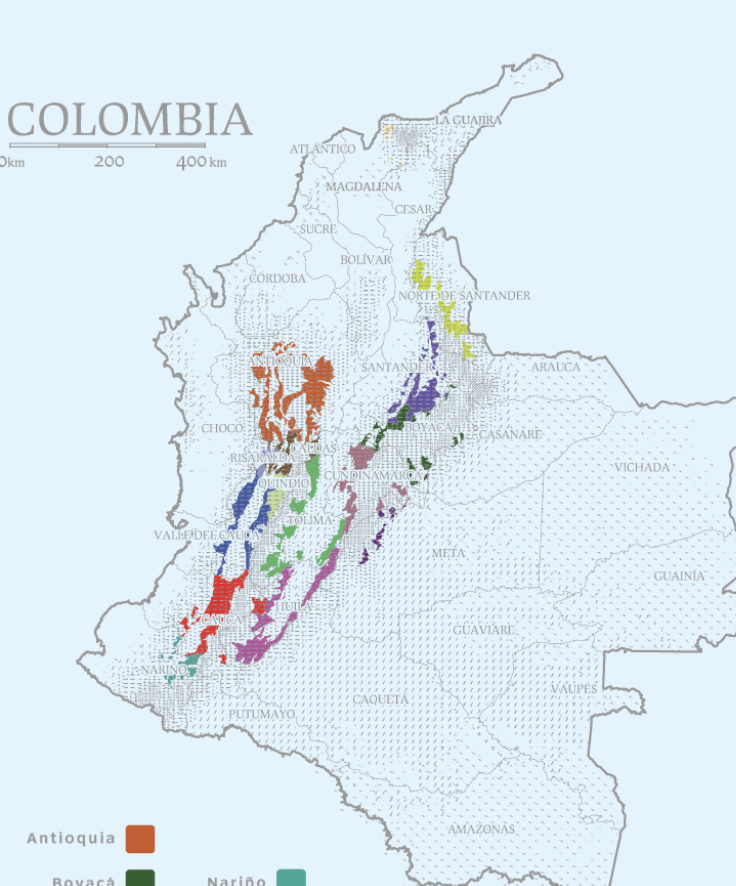
Next, weigh out15 grams of coffee beansand grind them to a coarseness close to that of white sugar. It’s recommended to use a grinder with adjustable grind settings to ensure consistent grind size each time, which is crucial for stable extraction. Place the ground coffee into the dripper, gently shake to level the surface, and ensure an even distribution of the coffee bed.
Then, heat the water to boiling and let it sit briefly until the temperature drops to90-91℃before beginning to pour. The first step is the bloom phase: use about30 grams of water (roughly double the weight of the coffee grounds)to evenly wet all the coffee grounds, allowing them to expand and form a “bloom dome.” This step should last approximately30 seconds. Blooming activates the aromatic compounds in the coffee grounds, laying the foundation for subsequent extraction.
After blooming, begin the main extraction. It’s recommended to pour with a steady and fine stream of water, moving in a circular motion from the inside out and then from the outside in. When the total water volume reaches125 grams, pause pouring and allow the coffee bed to settle slightly. Once the water level drops to about halfway down the dripper, continue pouring with the same fine stream until you reach a total of225 grams, aiming to complete the entire process withinabout 2 minutes. This pulsed pouring method helps improve extraction uniformity and reduces channeling effects.
Once extraction is complete, it’s recommended to gently swirl the server to fully mix the coffee liquid, ensuring a consistent flavor in every sip. Finally, pour the coffee into a preheated cup, and you’re ready to enjoy a Colombian pour over with balanced acidity, sweetness, and delightful aromatics. If desired, you can also adjust the flavor to your taste by adding sugar or milk.
By mastering the above parameters and steps, even novice coffee enthusiasts can easily brew professional-level Colombian pour over coffee at home, experiencing its distinctive fruitiness and layered complexity.
The above content is compiled by CoffeeHunters, a coffee news website.


