







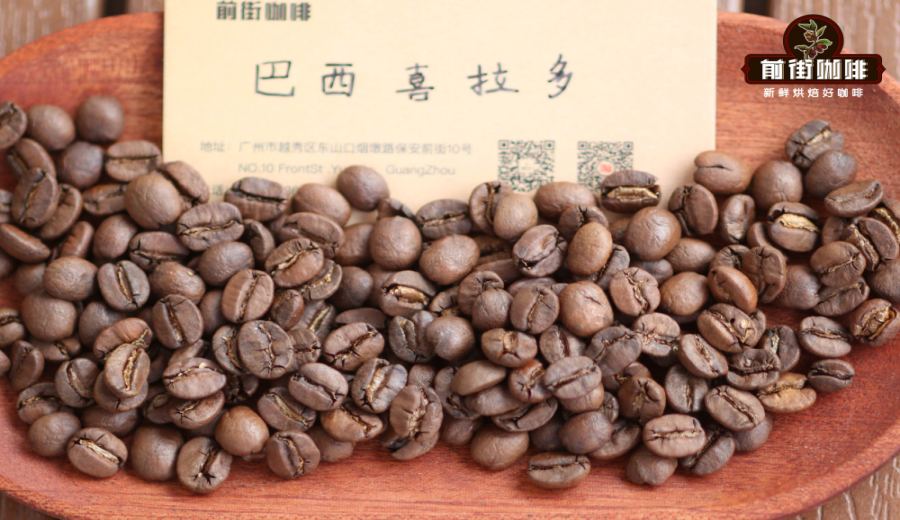
Introduction:Gain an in-depth understanding of Brazil’s green coffee grading system and regional terroirs. From defect ratios and bean size specifications to cupping flavors, we break down the true meanings of professional terms such as NY.2, 17/18 mesh, and Strictly Soft. This article will also take you on a journey through renowned regions like Mogiana and Cerrado, exploring their unique conditions, as well as the flavor profile of Yellow Bourbon from Fazenda Rainha. Helping you select and evaluate Brazilian coffee with greater precision.
As the world’s leading coffee producer, Brazil contributes approximately 45% of the global supply of green coffee beans, making its grading system a key reference in the international market. However, Brazil’s green coffee grades are not based on a single criterion but are evaluated through a combination of factors including defect ratio, bean size, and cupping performance. This article will delve into the logic behind Brazil’s coffee grading, helping you understand common terms like NY.2, 17/18 mesh, and Strictly Soft, while also exploring the characteristics of representative regions such as Cerrado and Mogiana, as well as the actual performance of Yellow Bourbon from Fazenda Rainha.
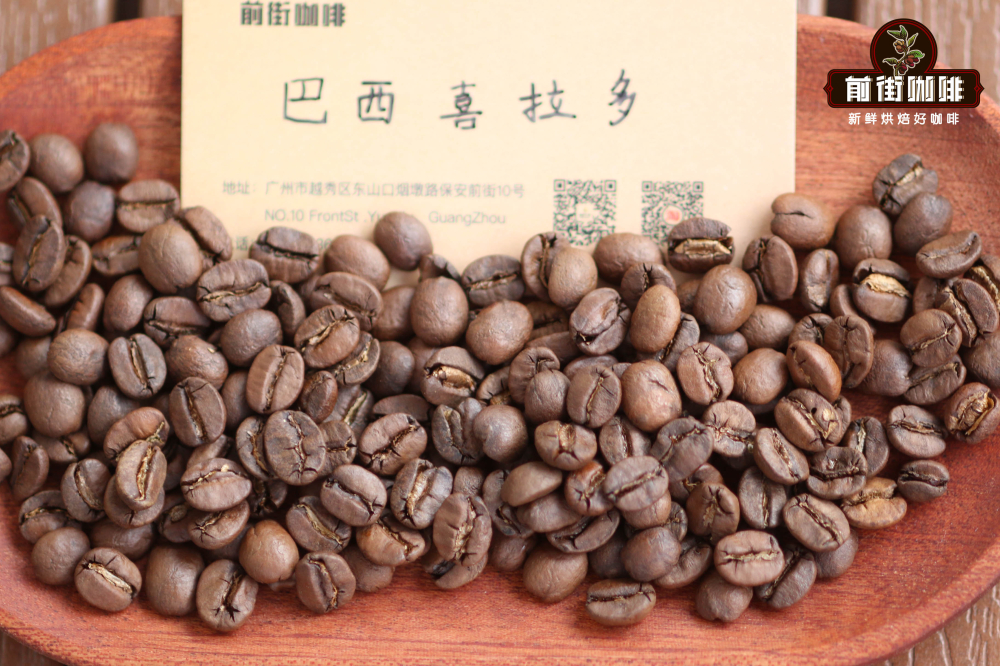
Brazilian coffee is known for its rich and balanced flavor, typically featuring mild aromas and a neutral taste profile. It is suitable for single-origin pour over brewing and is also widely used in espresso blends. The country’s coffee trees are mostly planted at altitudes between 600 and 1200 meters. Although this is relatively lower compared to high-altitude regions like Colombia, Brazil’s vast flat terrain facilitates large-scale cultivation and mechanical harvesting. During harvest season, many farms use machinery to strip entire branches at once, improving efficiency but affecting the precision of bean selection.
Brazil’s coffee-growing regions span seven states nationwide, with Minas Gerais in the southeast being the largest producer, further divided into multiple sub-regions. Notably, Cerrado is the first Brazilian coffee region to receive origin certification, renowned for producing high-quality Arabica beans and being one of the earliest regions for commercial coffee production. Additionally, São Paulo state is not only home to Latin America’s largest coffee export port—Port of Santos—but also hosts well-known regions such as Santos and Mogiana. Among them, Mogiana, with its iron-rich red volcanic soil and moderate altitude, produces many specialty-grade coffees.
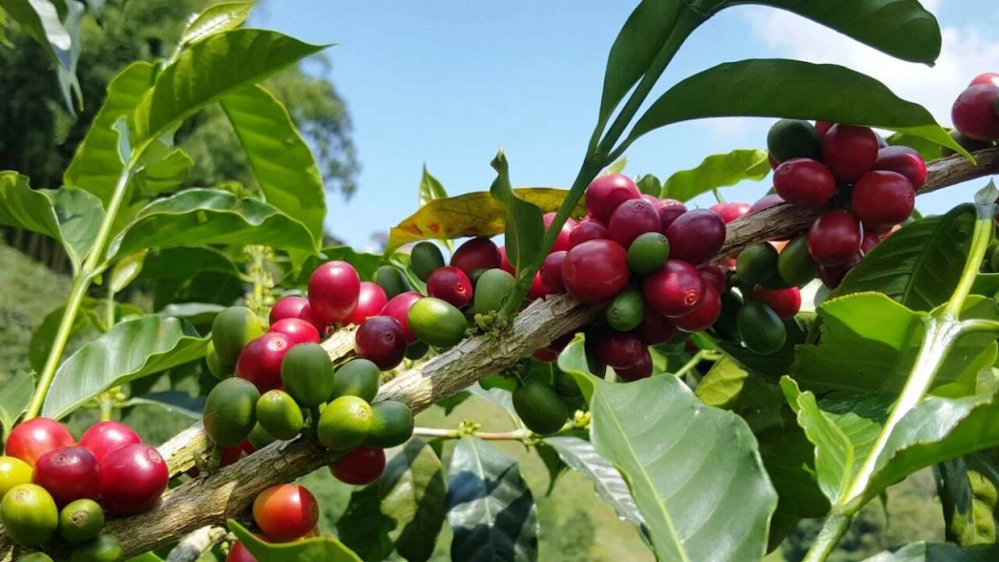
A Brazilian coffee from Fazenda Rainha listed on a certain brand’s menu comes from the Mogiana region, grown at elevations between 1400 and 1950 meters, using the Yellow Bourbon variety and the natural processing method. It presents intense notes of chocolate, nuts, cream, and peanuts, with a natural caramel sweetness in the aftertaste. Such specific information about the region, variety, and processing method is especially crucial for specialty coffee beans, helping consumers trace flavor origins and make more informed choices.
Due to Brazil’s large coffee output and diverse regions, its grading system is also relatively multifaceted, taking into account defect ratios, bean size, and cupping results. A common practice is to count the number of defects in a 300-gram sample and determine the grade based on a deduction system. For example, a bag labeled “Brazil NY.2SC – 17/18 FC Cerrado” indicates that NY.2 means, according to the New York grading standard, the defect deduction is below 4 points, placing it in the high-quality grade. It’s worth noting that NY.1 represents zero defects, but due to extremely limited supply, NY.2 is generally regarded as the highest commercial grade for Brazilian green coffee.
The number “17/18” refers to bean size between 17 and 18 mesh (each mesh equals 1/24 inch), which is considered a larger specification and usually positively correlates with better density and flavor potential. In terms of cupping, Brazilian green beans are also rated by mouthfeel smoothness as Strictly Soft (extremely smooth), Soft (smooth), Softish (slightly smooth), Hard (somewhat hard), or Rioy (with distinctive off-flavors); among these, SC (Strictly Soft) represents the highest level of mouthfeel quality. Meanwhile, cupping flavors are categorized as Fine Cup (excellent), Good Cup (good), Fair Cup (average), Poor Cup (poor), and Bad Cup (inferior), with Fine Cup naturally representing the top-tier flavor profile.
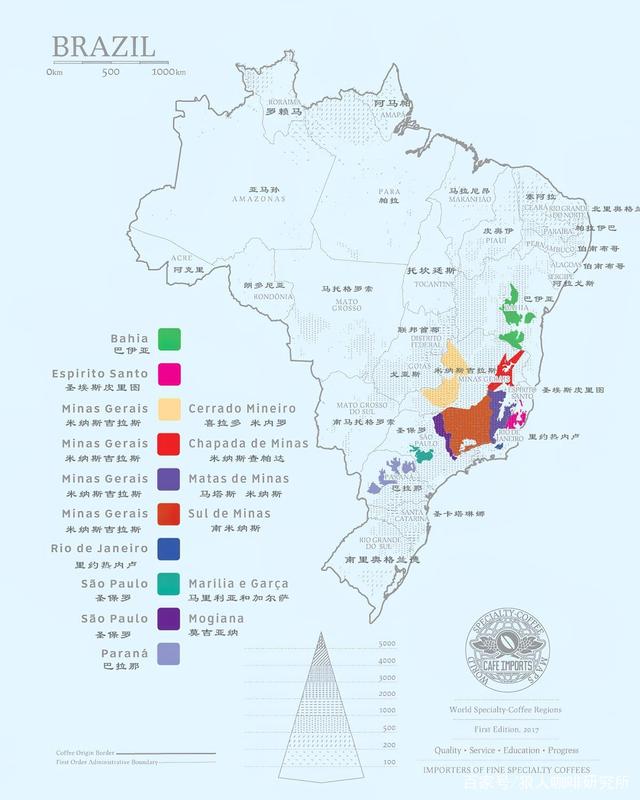
Beyond basic grading information, many specialty-grade Brazilian coffees also provide more detailed regional data, including altitude, processing method, variety origin, and even specific farm information. These details are extremely helpful for gaining a deeper understanding of the coffee’s flavor profile and tracing origin characteristics. Mastering these basics will help you select, evaluate, and even brew Brazilian coffee more professionally, experiencing its unique balance and charm.
The above content is compiled by CoffeeHunters, a coffee news website.


