







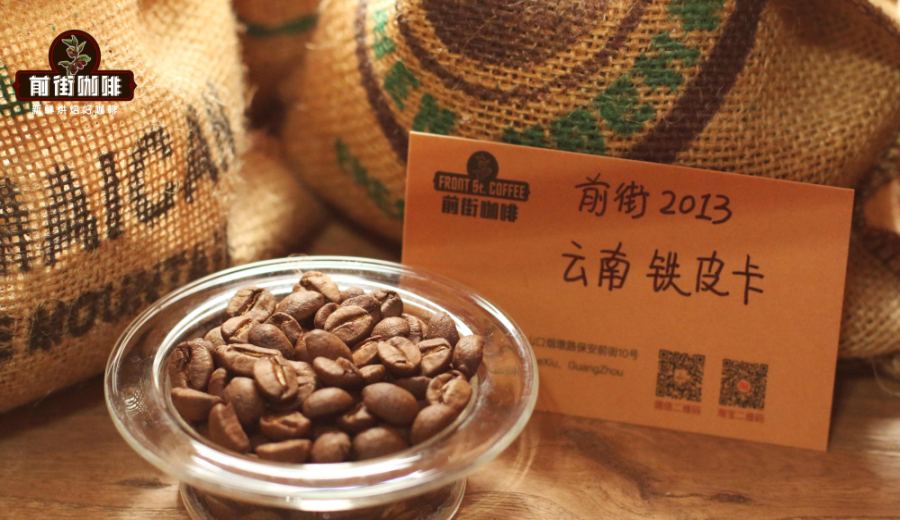
Introduction:An in-depth analysis of Yunnan, China’s leading coffee-producing region, covering its mainstream varieties and regional characteristics—from the cultivation status of Catimor and Typica to how natural and washed processing methods shape unique flavor profiles, and an exploration of industry practices in Lincang. This guide helps coffee enthusiasts comprehensively understand practical knowledge about Yunnan coffee, from bean variety selection and processing methods to pour over parameters.
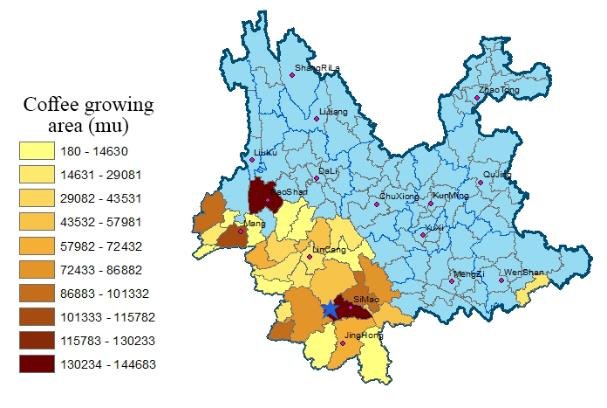
As the core area of coffee production in China, Yunnan contributes approximately 98% of the country’s total coffee output, primarily distributed across Pu’er, Baoshan, Dehong, Lincang, and Xishuangbanna. Thanks to its high altitude, abundant sunlight, and large diurnal temperature variations in its plateau climate, the region grows coffee beans with distinct regional characteristics. This article will focus on Yunnan’s two mainstream varieties—Catimor and Typica—analyzing their flavor profiles, cultivation status, and the impact of different processing methods on flavor, while also sharing practical roasting and brewing recommendations to help you better understand the potential of this homegrown Chinese coffee.
 As domestic coffee consumption trends shift toward specialty and localization, Yunnan’s small-bean coffee is gradually gaining attention. Many consumers are pleasantly surprised to discover that these coffee beans produced in China can also exhibit rich acidity, sweetness, and complexity. Especially in the specialty coffee market, the Yunnan producing region is no longer just a supplier in terms of quantity but is gradually demonstrating quality potential. From Dehong to Lincang, coffees nurtured by different microclimates each showcase unique flavor characteristics.
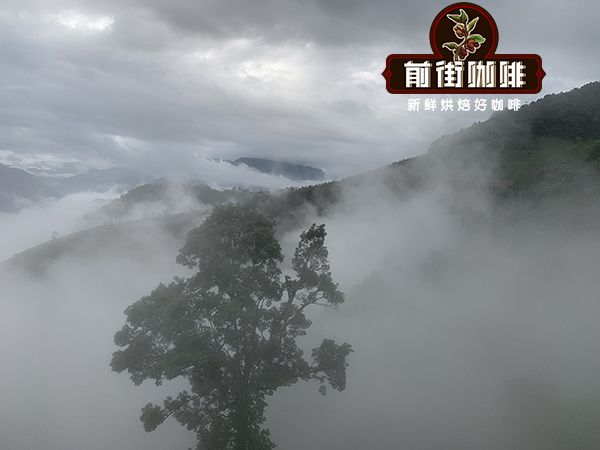
Yunnan’s geographical conditions are highly suitable for coffee cultivation, especially in mid-to-high altitude areas (mostly between 1,000 and 2,000 meters). The region features a subtropical plateau monsoon climate with significant day-night temperature differences, along with fertile soil and ample sunlight, providing an excellent growing environment for coffee trees. In particular, areas located between 15°N and the Tropic of Cancer are regarded as the golden zone for cultivating Arabica varieties. Major producing regions such as Dehong, Baoshan, Lincang, and Pu’er are all situated within this golden belt.
 Among them, Dehong Prefecture is known as the “Hometown of Chinese Coffee,” with its coffee-growing areas mostly situated at altitudes above 1,000 meters, and some high-altitude regions exceeding 1,600 meters. Organic farming methods are commonly used here, resulting in consistently excellent and stable quality. Baoshan was one of the first regions in China to introduce modern coffee cultivation. Since the 1950s, when overseas Chinese Liang Jinshan brought coffee seedlings from Southeast Asia, the small-bean coffee from the Luguangba region has gained international acclaim and was awarded “National Geographical Indication Product” protection in 2010. Lincang, with its unique microclimate and soil conditions, has also gradually become an emerging hub for coffee cultivation, with industry planting bases located here. Pu’er, besides being a well-known tea region, has a coffee cultivation history of over a century and has been one of the key crops driving local agricultural transformation since the 1990s.
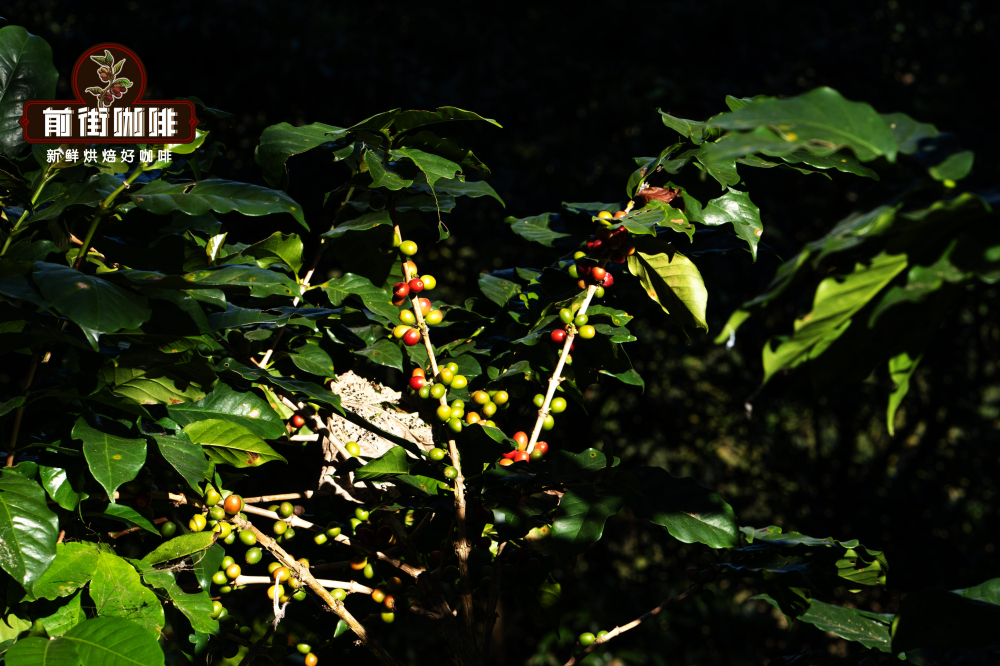
When it comes to coffee varieties in Yunnan, the most prominent currently are Catimor and Typica. Catimor, due to its strong disease resistance and stable yield, has become the most widely planted variety in Yunnan and is the main source of what is called “Yunnan small-bean coffee.” However, its Arabica genetics include 25% Robusta lineage, which can result in thin flavors, astringency, or even moldy notes under low-altitude cultivation or improper processing. In contrast, Typica is a classic Arabica variety with a more elegant flavor profile, such as bright acidity and delicate sweetness, but it has lower yields and weaker disease resistance, requiring more careful cultivation.
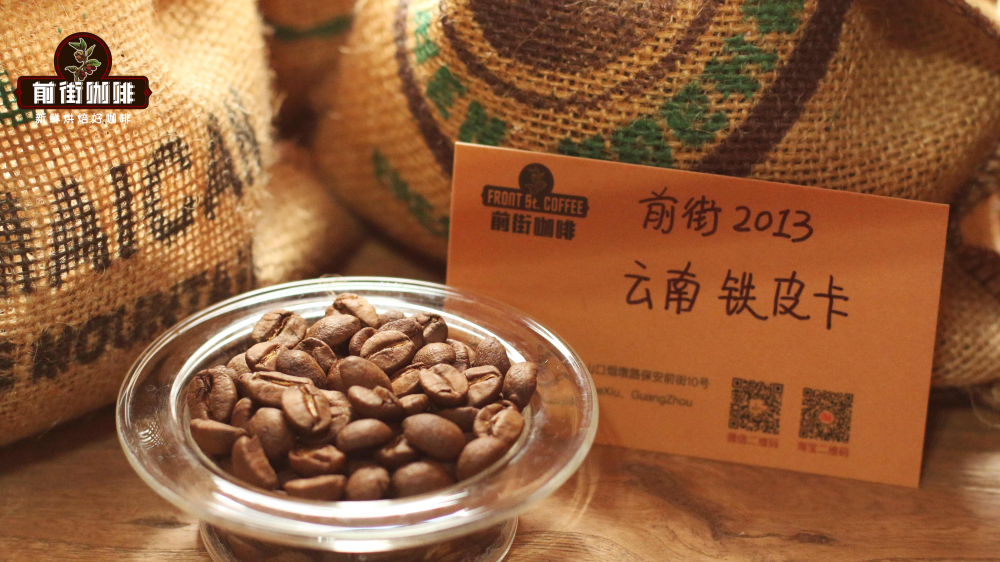
 Although Typica currently accounts for a smaller proportion of coffee cultivation in Yunnan, a small number of plants can still be found in places like Baoshan, as well as Typica and Bourbon varieties cultivated by the industry in Lincang. Typica’s top leaves exhibit a distinctive reddish-copper color, earning it the nickname “red-topped coffee,” and it is also the main variety in many traditional specialty coffees such as Jamaican Blue Mountain. Since 2013, the decision to plant Typica in Lincang was based not only on its historical ties but also on the clean, bright flavor characteristics this variety can display under proper management.
In terms of processing methods, Yunnan coffee mainly employs two traditional techniques: natural (sun-dried) and washed. Different processing methods have a significant impact on the final flavor. Natural processing retains more pulp sugars, resulting in coffee with intense sweetness, fruity aromas, and even wine-like notes, making it suitable for drinkers who enjoy rich complexity. Washed processing, on the other hand, controls the fermentation process to highlight clearer, brighter acidity, a cleaner mouthfeel, and good clarity, making it easier to express the terroir characteristics of the producing region. The staple bean series often primarily uses washed processing to emphasize the unique character of each producing area.
 Taking a practical example, the Typica variety grown in Lincang is processed using the natural method. Ripe coffee cherries are evenly spread on raised drying beds and continuously turned to ensure consistent drying and avoid off-flavors caused by uneven fermentation. Through full pulp fermentation and sugar transfer, this natural Typica exhibits intense aroma, rich sweetness, and soft wine-like notes. Roasters recommend medium roasting to achieve the best balance of acidity and sweetness and to highlight the complexity of flavors.
For consumers, choosing freshly roasted coffee beans is key to enjoying Yunnan coffee. It is generally recommended to select beans shipped within five days of roasting and to let them rest for four to seven days after receipt, allowing the degassing period to pass before brewing to achieve optimal flavor. If choosing coffee powder, it is advised to use it immediately to prevent oxidation from affecting the aroma. For those who wish to experience pour over brewing firsthand, it is recommended to use a Hario V60 dripper, with a water temperature of 90°C, a 1:15 coffee-to-water ratio, and a medium-fine grind (approximately 70% extraction through a #20 sieve), which can fully showcase the delicate characteristics of Yunnan coffee.
[2013 Natural Typica Coffee Flavor Profile]: Bold and full-bodied on entry, with balanced acidity and sweetness, featuring citrus and berry notes, and a lingering finish with hints of wine-like aroma and caramel sweetness, reminiscent of the smoothness of black tea and cream.
[Washed Yunnan Small-Bean Coffee Flavor Profile]: Presents a herbal base, accompanied by nutty and chocolatey aromas, with a mellow caramel note in the aftertaste.
The above content is compiled by CoffeeHunters, a coffee news website.


