







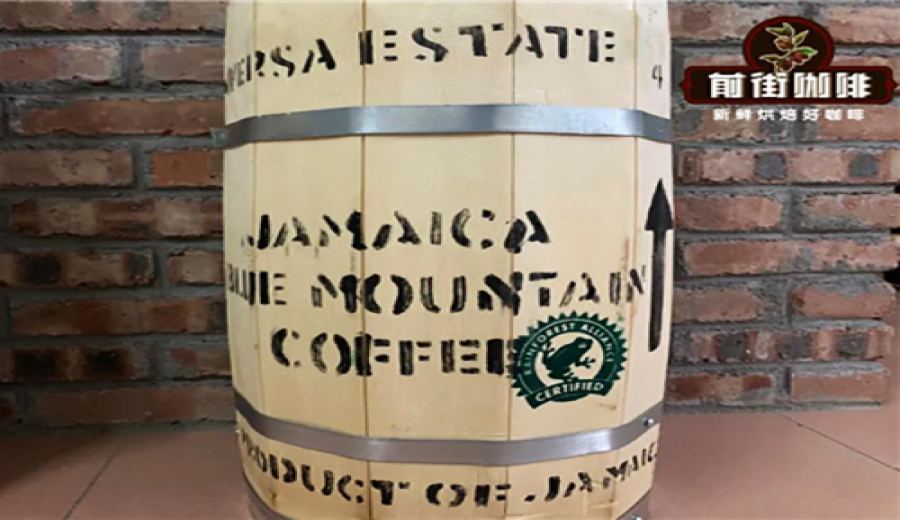
Introduction:As one of the finest coffees in the world, Blue Mountain No.1 not only holds an exceptionally high market status but is also often regarded as a benchmark for specialty coffee. This article will delve into the variety classification, grading system, and pricing characteristics of Blue Mountain No.1, clarify whether it belongs to the Arabica species, and guide readers through a comprehensive understanding of this legendary coffee—from its variety to brewing—using practical pour over parameters such as the Kono dripper, 88°C water temperature, and a 1:15 coffee-to-water ratio.
Among the many specialty coffee offerings, Blue Mountain No.1 beans have long been the dream item for coffee enthusiasts. Its name represents not just a place of origin, but also the ultimate pursuit of coffee quality and flavor. So, what coffee variety does Blue Mountain No.1 actually belong to? How is it graded? And why does it command such high prices in the market? This article will answer all these questions for you.
First of all, Blue Mountain No.1 beans are undoubtedly of the Arabica variety, and they are among the highest quality within this species. Arabica coffee is known for its delicate acidity, rich aroma, and smooth mouthfeel, and Blue Mountain No.1 is the pinnacle of this category. These beans are grown exclusively in the Blue Mountains of Jamaica, where the unique microclimate—including moderate altitude, stable rainfall, and cloud cover—creates its irreplaceable flavor profile.
Regarding the grading system of Blue Mountain coffee, it is mainly divided into Blue Mountain No.1, Blue Mountain No.2, Blue Mountain No.3, and Blue Mountain Peaberry. Among them, Blue Mountain No.1 is considered the highest grade, with intact bean shape and an extremely low defect rate. Each bean is typically rigorously screened. Only those that meet specific criteria can be classified under this grade, which is why Blue Mountain No.1 is in such high demand and short supply on the market.
In terms of price, Blue Mountain No.1 beans are significantly more expensive than ordinary coffee, not only due to their limited production but also because of the strict cultivation, harvesting, and processing procedures. For this reason, it maintains a premium position in the international market and is the preferred choice for many coffee collectors and high-end restaurants.
When it comes to actual tasting experience, Blue Mountain No.1 is known for its balanced flavor profile. It has gentle acidity without being harsh, along with natural sweetness and subtle notes of stone fruit and caramel, with a clean and lingering aftertaste. This balance allows it to showcase the layers and details of the coffee itself even without milk or sugar, making it ideal for those who prefer the pure taste of coffee.
Take the Blue Mountain No.1 produced by Clifton Mount Estate as an example. This cultivation area, located in the heart of the Blue Mountains, is considered an ideal location for producing top-tier Blue Mountain coffee thanks to its high altitude and excellent drainage system. The beans produced here often exhibit richer aromas and more refined flavor expressions.
If you’d like to try brewing Blue Mountain No.1 at home, you can refer to the following practical parameters: it’s recommended to use a Kono dripper, as its design helps achieve even extraction and reduces the risk of over-extraction. The water temperature should be controlled at 88°C—this temperature can fully bring out the aroma and sweetness of Blue Mountain coffee without extracting too much bitterness due to excessive heat. The grind size is suggested to be medium-coarse, similar to the texture of fine sugar, to match the flow rate and extraction time of pour over.
The specific brewing steps are as follows: first, place 15 grams of Blue Mountain No.1 coffee grounds into the dripper, then pour 30 grams of water for a 30-second bloom to awaken the coffee grounds; next, proceed with the second pour to about 125 grams, and when the coffee liquid level drops to about halfway down the dripper, perform the final pour, reaching a total water volume of 225 grams. In total, this gives a coffee-to-water ratio of 1:15, which balances flavor intensity and clarity, making it very suitable for the characteristics of Blue Mountain No.1.
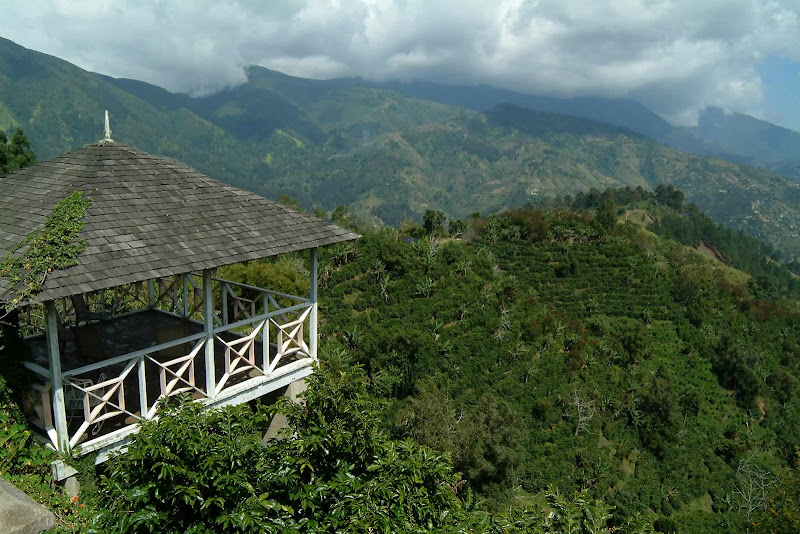
In summary, Blue Mountain No.1 beans are not only among the finest of the Arabica species but are also made all the more precious due to their rarity and strict grading system. Whether for everyday enjoyment or collection, it offers an extraordinary coffee experience. If you get the chance to try it, follow the pour over suggestions above and personally experience the unique charm of this legendary coffee.
The above content is compiled by CoffeeHunters, a coffee news website.


