







Introduction:Want to understand how to distinguish between washed and natural processing methods in Yirgacheffe? What is the Red Cherry Project? This article delves into the craft characteristics and flavor profiles of the two classic processing methods in Ethiopia’s Yirgacheffe region, and through practical bean comparisons, helps you master key techniques from bean selection, roasting, to pour over brewing. It also explores the quality improvement strategy behind the Red Cherry Project, enabling you to truly appreciate the finesse and diversity of Yirgacheffe.
Yirgacheffe, a renowned coffee region from Ethiopia, has long been a symbol of specialty beans among global coffee enthusiasts due to its distinctive bright acidity and floral-fruit aromas. Among these, the natural and washed processing methods are key to creating its diverse flavors. This article will focus on the development background of the Yirgacheffe region and compare the differences between the two mainstream processing methods—natural and washed—to take you on an in-depth journey from craftsmanship to flavor.
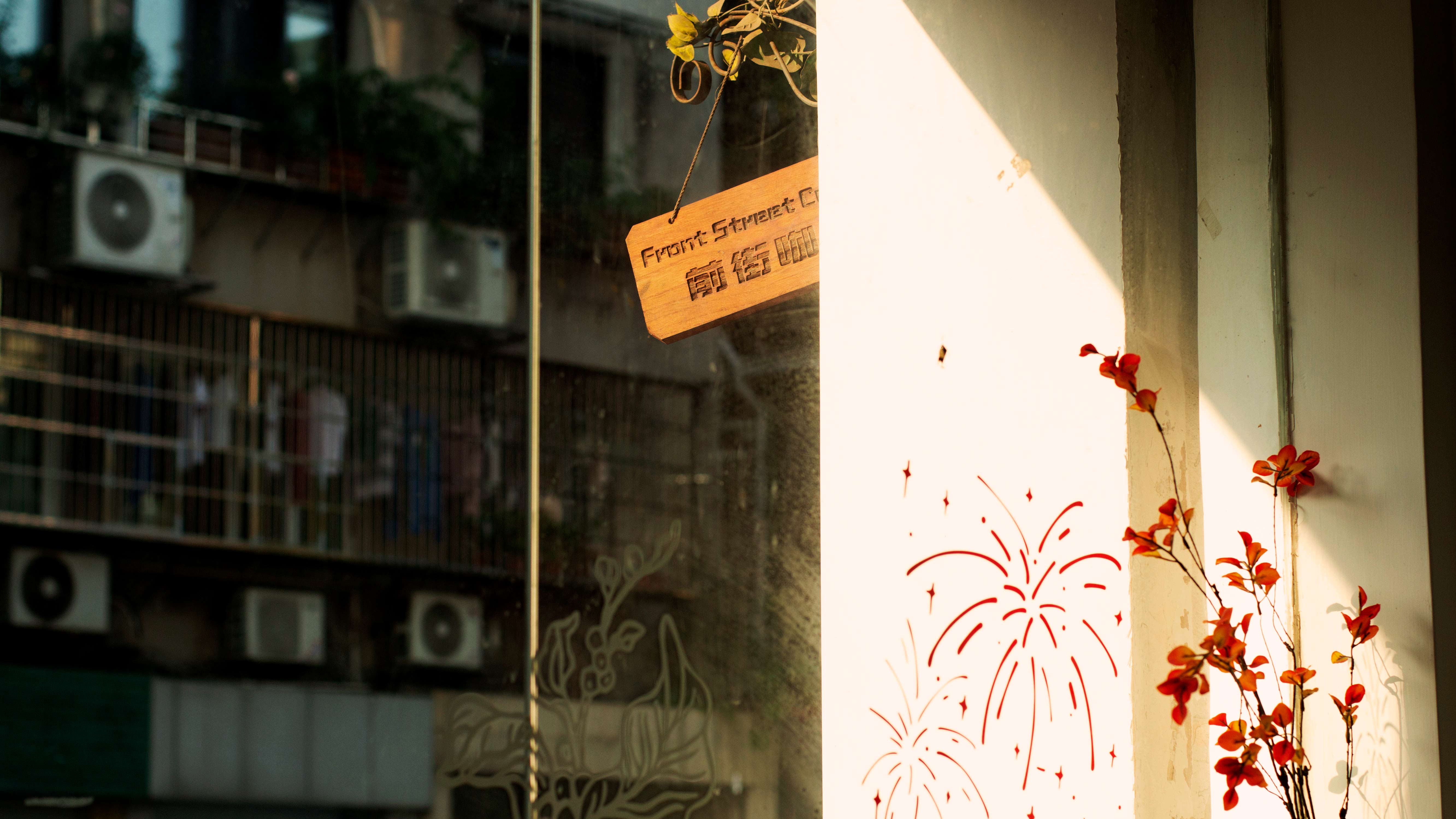
Yirgacheffe was originally just a sub-region under Ethiopia’s Sidamo region. Due to its particularly delicate and highly distinctive flavor profile, it eventually stood out and became an independent region. The area is mostly home to small-scale family-run farms, located in mountainous regions at altitudes of around 2,000 meters, with cool climates and significant day-night temperature variations—ideal growing conditions for coffee cherries. In addition to the main Yirgacheffe region, micro-regions like Kochere, Guji, and Gedeb also boast noteworthy flavor profiles thanks to their unique cooperatives.
Among the various processing methods, washed and natural are the most common and also the ones that best highlight regional characteristics.Washed Processing MethodThis method involves removing the coffee cherry's skin and pulp, then fermenting to remove the mucilage, followed by rinsing with clean water, and finally drying the beans on raised beds. This process typically yields a cleaner, brighter acidity, along with layered flavors such as citrus and floral notes.Natural Processing MethodIn contrast, this approach dries the whole coffee cherry with its husk intact. The sugars and flavor compounds within the fruit pulp can more deeply penetrate the seed, resulting in coffee with a richer sweetness, berry-like tones, and a heavier body.

Take the Gedeo Cooperative located southeast of Yirgacheffe as an example. This cooperative, composed of about 300 farmers, was originally part of the Wolkite Cooperative but became independent in 2012 due to increasing market demand for “single-origin” and “traceability.” The Gedeo Cooperative primarily uses traditional washed and natural processing methods. Its washed beans often exhibit a refreshing, delicate citrus and honey aroma, paired with moderate acidity and a soft body, making them a popular choice for many pour over enthusiasts.
Regarding the processing steps, the washed beans from the Gedeo Cooperative first have their skin and pulp mechanically removed, then are placed in fermentation tanks for 18 to 36 hours, depending on local temperature and humidity. After the mucilage breaks down, they are rinsed and brushed for 30 to 60 minutes, during which lower-density defective beans are removed by water flow. The parchment beans are then dried on African beds for about 14 days, requiring frequent turning to ensure even drying. Once dried, the parchment beans undergo further processes such as hulling, color sorting, and density screening to produce high-quality G1 grade green beans.
When it comes to the leap in Yirgacheffe coffee quality, one must mention the “Red Cherry Project” (Operation Cherry Red), initiated in 2007 by the Dutch green coffee trader Trabocca. At the time, many coffee farmers prioritized quantity over quality, leading to generally low-grade beans in the market and suppressed prices. Trabocca believed that only by improving harvesting and processing standards at the source could the situation truly change, hence launching this revolutionary program.
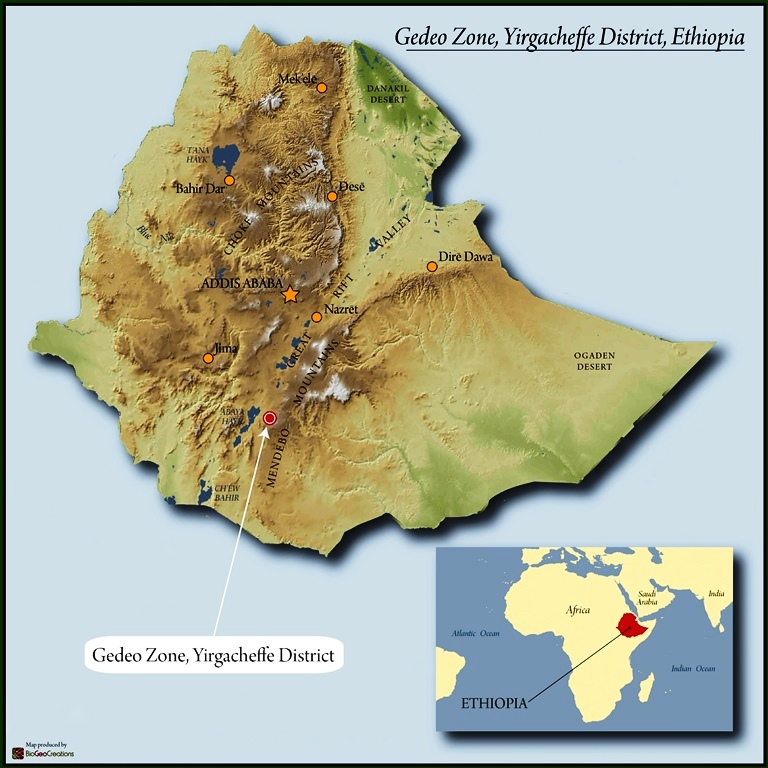
The essence of the Red Cherry Project lies inharvesting only 100% fully red-ripe coffee cherriesand insisting on manual picking to ensure each coffee cherry reaches optimal ripeness. Moreover, the project requires farmers to put more effort into the selection process, with experienced women’s teams responsible for handpicking the red cherries, greatly enhancing the purity and consistency of the final coffee flavors. In addition, Trabocca provides funding, equipment, and technical support, including sun-drying racks, shade nets, and generators, to help farms upgrade their infrastructure and ensure stable quality during processing.
The cupping standards of the Red Cherry Project are extremely strict. All coffee beans must pass two rounds of cupping, one in Ethiopia’s capital Addis Ababa and another in Amsterdam, Netherlands. Only those beans that achieve high scores are eligible for international auctions, often selling for 4 to 20 times the price of regular commercial beans. Additionally, participating farms are limited to producing between 1,500 and 3,000 kilograms to ensure each batch receives meticulous care. The project covers multiple regions including Yirgacheffe, Sidamo, the Pungu Forest, and Harrar, and later expanded to include the newly joined Golocha area.
Returning to actual tasting, we can experience the subtle differences brought by different processing methods through two popular Yirgacheffe beans—the Red Cherry Project natural and the Konga natural. Both are G1 grade and processed naturally, but differ slightly in detailed processing and microclimate conditions, resulting in their unique flavor profiles.
For brewing recommendations, both beans are suitable for use with a V60 filter, with a dose of around 15 grams, a 1:15 coffee-to-water ratio, and a water temperature controlled at 90–91°C. The grind size is recommended to be medium-fine (about 80% passing through a Chinese No. 20 sieve). Use a three-stage extraction method: start with a 30-second bloom using 30 grams of water, then pour in water up to 125 grams in a slow stream before the first pause. After the water level drops, pour up to 225 grams, and finally remove the filter just before the coffee bed is fully exposed, with a total extraction time of about 2 minutes.
A well-known coffee brand’s Yirgacheffe Red Cherry Project bean offers pronounced aromas of lemon, citrus, berries, and sweet orange, with high sweetness and a long finish, complemented by caramel and creamy notes, and a subtle hint of black tea in the aftertaste. Meanwhile, the same brand’s Konga natural bean exhibits vivid berry and citrus juice flavors at high temperatures, with bright and lively acidity. As the temperature drops, it reveals a smoother creamy texture and refined berry tones, making it ideal for coffee lovers who enjoy fruity aromas and layered complexity.
In summary, Yirgacheffe’s natural and washed processing methods each have their strengths—the former emphasizes sweetness and fruitiness, while the latter highlights bright acidity and floral notes. The implementation of the Red Cherry Project not only improves the overall quality of the coffee beans but also creates a positive cycle for the region’s sustainable development and farmer income. Whether you’re a beginner or an experienced coffee enthusiast, understanding these differences can help you make more accurate decisions when selecting beans and brewing, allowing you to savor the true charm of Yirgacheffe.
The above content is compiled by CoffeeHunters, a coffee news website.


