







Introduction:Want to understand the real differences between a French press and pour over coffee? This article provides an in-depth comparison of the two brewing methods across grind size, water temperature control, flavor profile, and ease of use, helping you find the most suitable brewing method based on your personal preferences. Whether you're a beginner or a coffee enthusiast seeking consistent flavors, you'll gain practical insights.
The French press and pour over represent two fundamentally different philosophies of coffee extraction: one relies on full immersion, the other on drip filtration. They differ markedly in steps, extraction stability, final flavor, and applicable scenarios. The French press excels in simplicity and delivers a rich, balanced taste; pour over is known for its layered complexity and high adjustability, more accurately conveying the inherent flavor characteristics of the coffee beans. Next, we’ll explore their traits and practical details by examining core parameters such as grind size, water temperature, and steeping time.
First, starting with the most fundamental brewing method—the French press is an “immersion” method, meaning hot water and coffee grounds are steeped together before filtering; whereas pour over is a “drip filtration” method, where water is manually poured through a bed of coffee grounds and drips through a paper or metal filter. This fundamental difference leads to notable variations in flavor release, operation steps, and control flexibility.
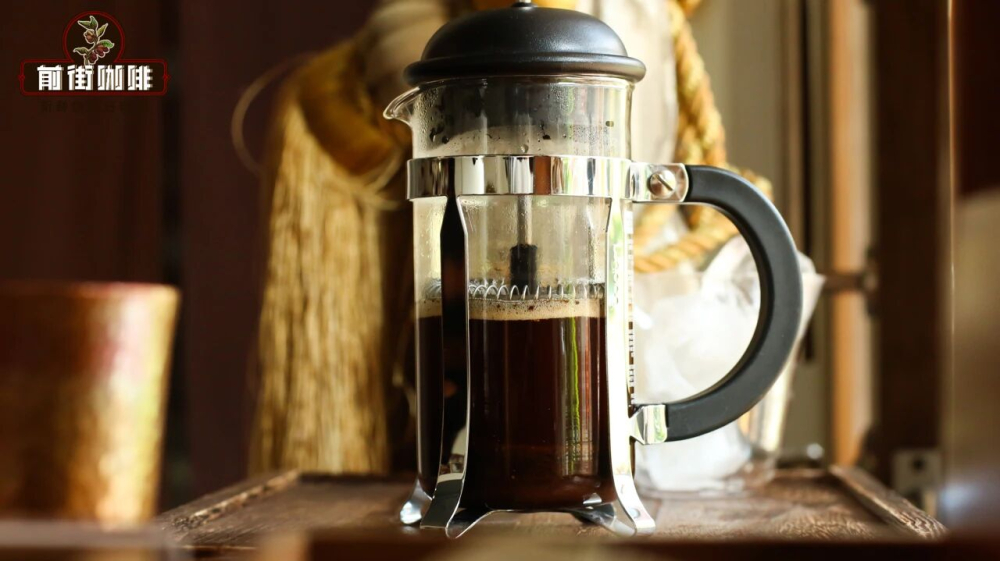
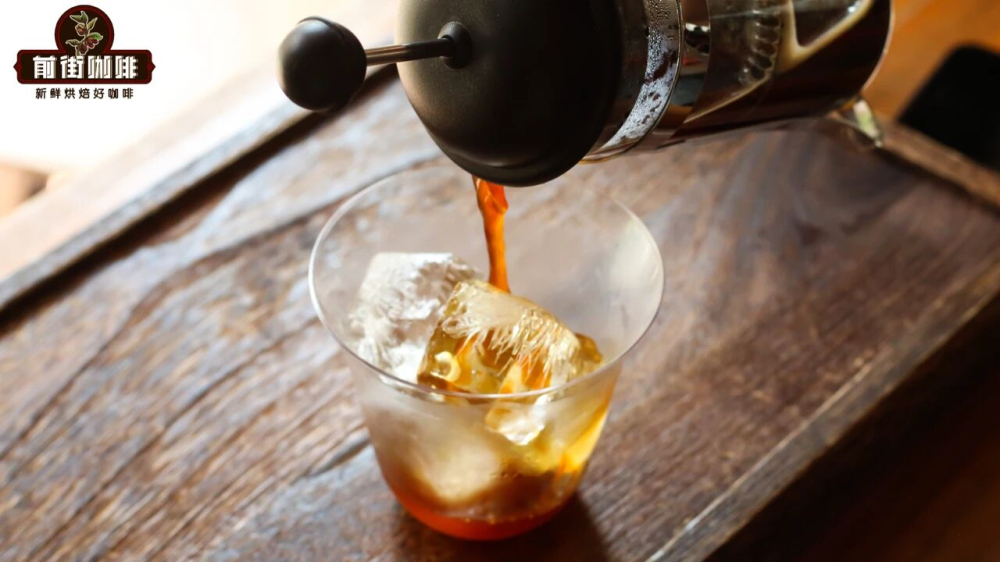
In terms of mouthfeel, pour over coffee often presents clear layers—from a bright acidic front note, to mid-palate sweetness and aroma, to a lingering finish that can be rich or echoing. This is thanks to the varying substances released at different stages during manual pouring, resulting in evolving flavors over time. In contrast, the French press uses a single pour and long steeping, leading to a more even flavor release. Its taste is usually rounder, fuller, and emphasizes mid-to-low frequency richness, with relatively softer acidity and less prominent bitterness.
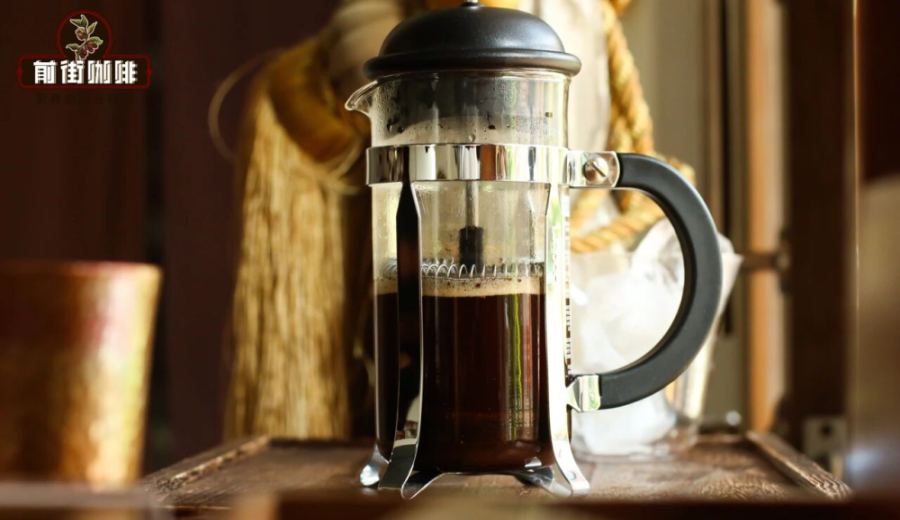
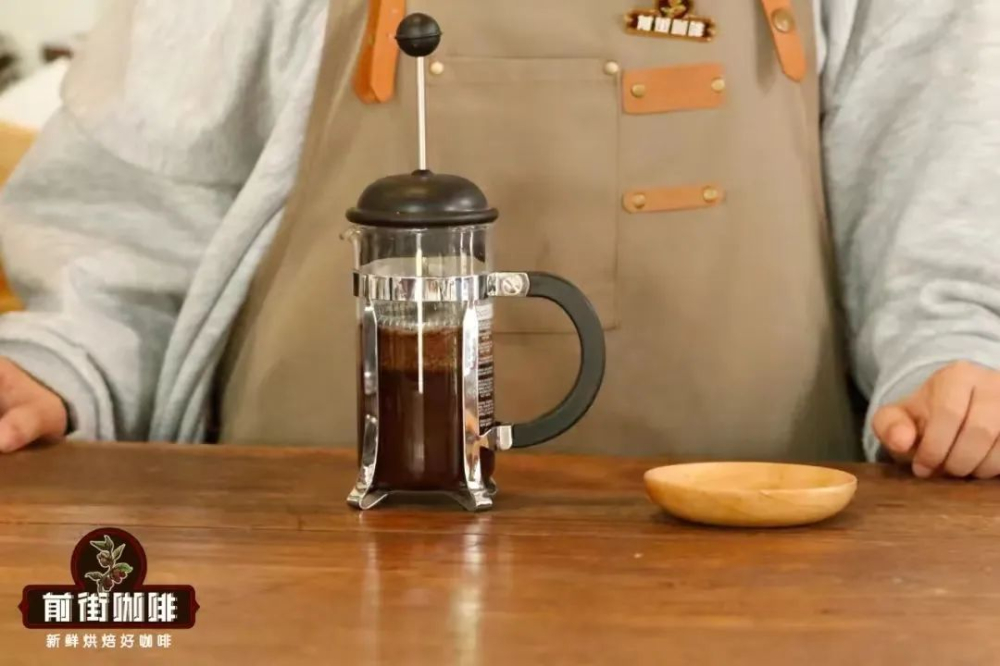
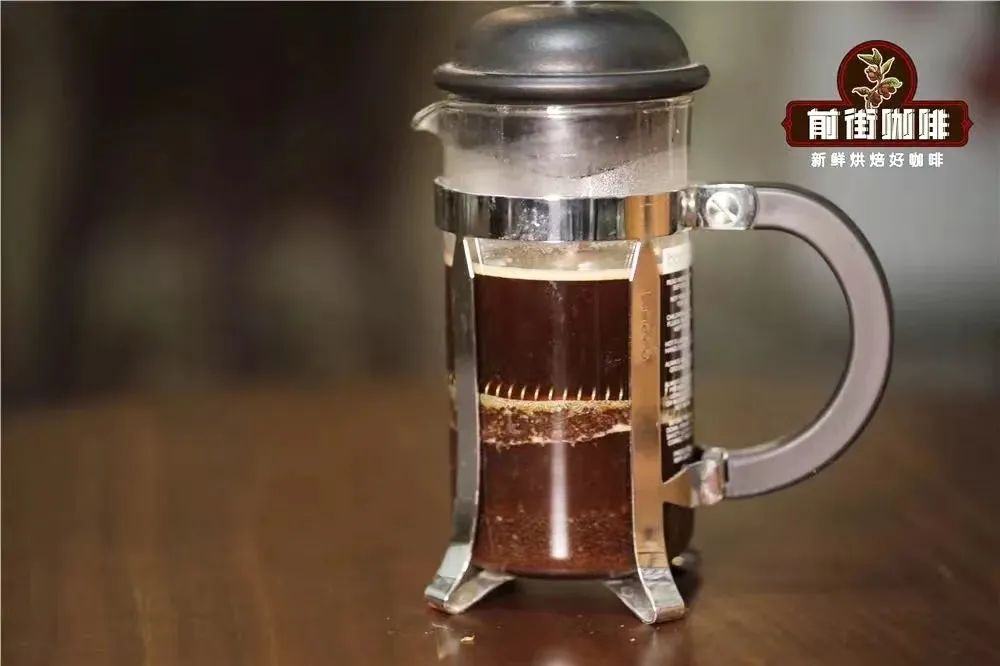
The working principle of the French press is actually very similar to brewing tea: hot water and ground coffee are poured into the pot, left to sit for a while to allow flavor compounds to naturally extract, and then the coffee grounds are pressed to the bottom using the metal filter at the base, completing the extraction. This process only requires controlling four key elements: coffee-to-water ratio (i.e., brew ratio), grind size, water temperature, and steeping time. Due to its simplicity, the French press is often the first choice for many coffee beginners and is hailed as the “lazy person’s coffee tool.”
Regarding temperature control, since the French press is fully immersed, the water temperature gradually decreases over the course of extraction. Therefore, the starting water temperature needs to be slightly higher than that for pour over. Generally, if using medium to light roasted beans with bright, acidic notes, the water temperature can be set to92~94℃; if you prefer medium to dark roasted beans with sweet and bitter profiles, it is recommended to lower it to89~90℃. Especially during colder autumn and winter seasons, it is advised to preheat the French press with hot water in advance to reduce heat loss and maintain a stable extraction environment.
Steeping time is also a critical variable for the French press. Without additional stirring steps, the duration of steeping directly affects the extraction rate. Generally speaking, when using a coarse grind, medium to light roasted coffee is recommended to steep forabout 4 minutes, while medium to dark roasted coffee is advised to shorten it to3 minutes and 30 secondsto avoid over-extraction, which can lead to unwanted bitterness, astringency, or even woody off-flavors. Adjusting the steeping time appropriately can effectively manage the balance of the final flavor.
If we’re talking about which brewing method is superior, there’s no absolute answer. If you seek a coffee experience rich in layers and intricate details, pour over is the better choice; but if you prefer simplicity and enjoy a rich, stable flavor, the French press is undoubtedly a more convenient solution. Both have their strengths—the key is finding the method that best suits your taste and lifestyle.
The reason the French press is called an “immersion masterpiece” is precisely because its logic is nearly identical to brewing tea: mix hot water with coffee grounds, let it sit, and allow the coffee flavors to slowly release, then separate the grounds from the liquid via a filter. This simple and intuitive process not only lowers the barrier to entry but also brings out the essential flavors of the coffee closer to the beans’ original characteristics—especially appealing to those who enjoy a rich, balanced taste.
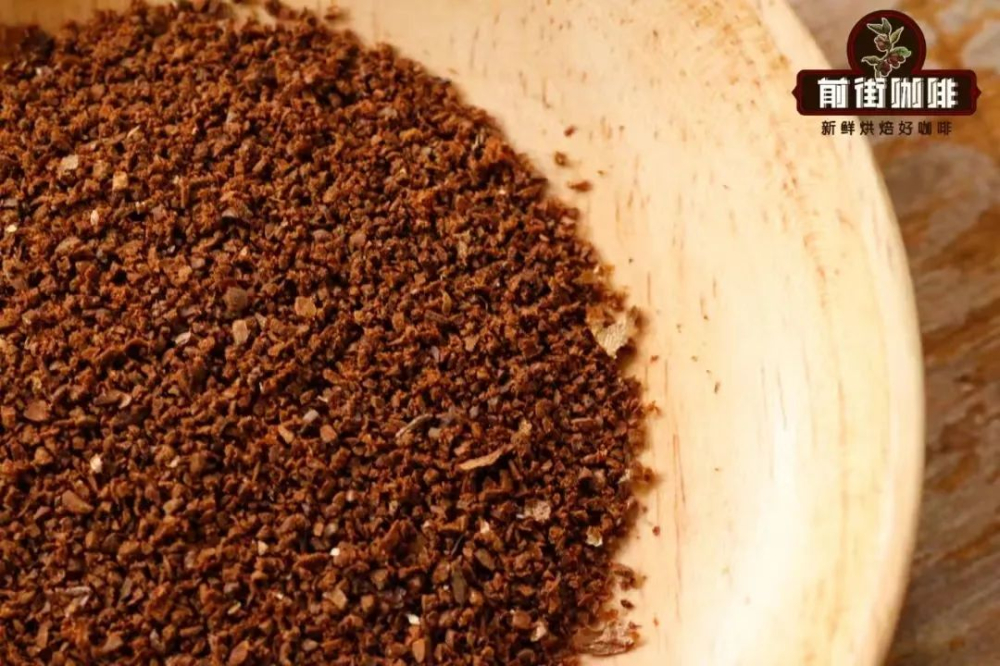
As for pour over coffee, the required equipment is relatively diverse, including: a pour over kettle, filter cone, server, grinder, filter paper, digital scale, and thermometer. Among these, the choice of grinder is particularly important—whether hand-cranked or electric, the key lies in its ability to provide a consistent grind size. Grind size directly impacts coffee extraction efficiency: too coarse may lead to under-extraction and flat flavors; too fine may cause over-extraction, resulting in bitterness and off-flavors. In practice, many specialty shops use a standard Chinese No. 20 sieve (0.85mm) to test grind uniformity. For example, for medium to light roasted, high-altitude, and harder beans (such as Yirgacheffe), it is recommended to adjust the grind so that the sieve passes 80%—corresponding to around setting 10 on some commercial grinders—to fully release their unique aromatic compounds.
Water temperature is also a key parameter in the pour over process. Generally, the higher the water temperature, the stronger the extraction efficiency, but it can also release more bitter and astringent substances. Therefore, medium to dark roasted coffee beans typically recommend using87~90℃, while light roasted beans, aiming to highlight more acidity and aroma, require a higher temperature of about91~93℃. Choosing the right water temperature helps achieve the optimal balance of aroma, sweetness, and acidity in the coffee.
The choice of filter cone also affects extraction results and flow rate. There are many types of filter cones on the market, and different designs influence water flow speed and coffee bed expansion, thereby altering extraction uniformity. Common options like the Hario V60 suit medium to light roasted beans well, highlighting acidity and aroma; whereas the KONO filter cone, due to its different internal structure, is better suited for medium to dark roasts, helping to enhance body and sweetness.
When choosing a pour over kettle, a gooseneck spout allows for a more stable and controllable water flow, aiding in even pouring and reducing channeling effects. Additionally, a digital scale with a timer function is recommended, enabling simultaneous monitoring of water volume and brewing time to ensure each brew follows preset parameters, improving stability and repeatability.
In summary, the charm of pour over coffee lies in the ability to finely adjust each variable—from grind size, water temperature, pouring technique, to time control—allowing customization based on individual taste, thus shaping a unique flavor profile. With mastery of key parameters, even home brewing can achieve a near-professional level of coffee experience.
As for coffee bean selection, regardless of which brewing method you prefer, there are plenty of options. If you enjoy floral, intense, and fruity profiles, try Panamanian Geisha; for bright acidity and berry-red tea notes, Ethiopian Huila is a great choice; if you prefer balanced, rich flavors with nutty and caramel tones, Brazilian beans usually fit the bill; and if you’re drawn to the thick mouthfeel and low acidity characteristic of Indonesian beans, opt for high-quality Golden Mandheling that has undergone strict hand-selection with extremely low defect rates—the aftertaste and aroma will be even more outstanding.
The above content is compiled by CoffeeHunters, a coffee news website.


