







Introduction:Delve into Yunnan, China’s largest coffee-growing region, and explore the characteristics of its four core production areas along with the differences among their main varieties. From the high-altitude premium beans of Dehong, the historic C. arabica var. liberica of the Longjiang Dam in Baoshan, to the Typica and diverse flavors of Lincang’s borderland and the Pu’er tea region—this guide helps you master the selection and brewing tips for Yunnan’s small-bean coffee.
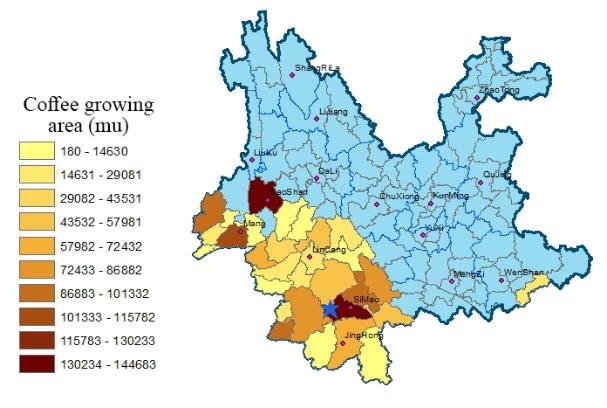
China’s coffee cultivation history spans over a century, and Yunnan has become the country’s largest coffee-producing region thanks to its prime location between 15°N and the Tropic of Cancer, elevations of 1,000 to 2,000 meters, abundant sunlight, and significant diurnal temperature variations. The small-bean coffee grown here is known for its rich yet non-bitter profile, soft aroma, and subtle fruity notes. Among the four major producing areas—Dehong, Baoshan, Lincang, and Pu’er—each has its unique traits, primarily cultivating the Catimor and Typica varieties. This article details the environmental conditions, variety characteristics, and common processing methods of each region, comparing how different processing approaches influence flavor, helping coffee enthusiasts find their ideal choice from everyday beans to specialty-grade offerings.
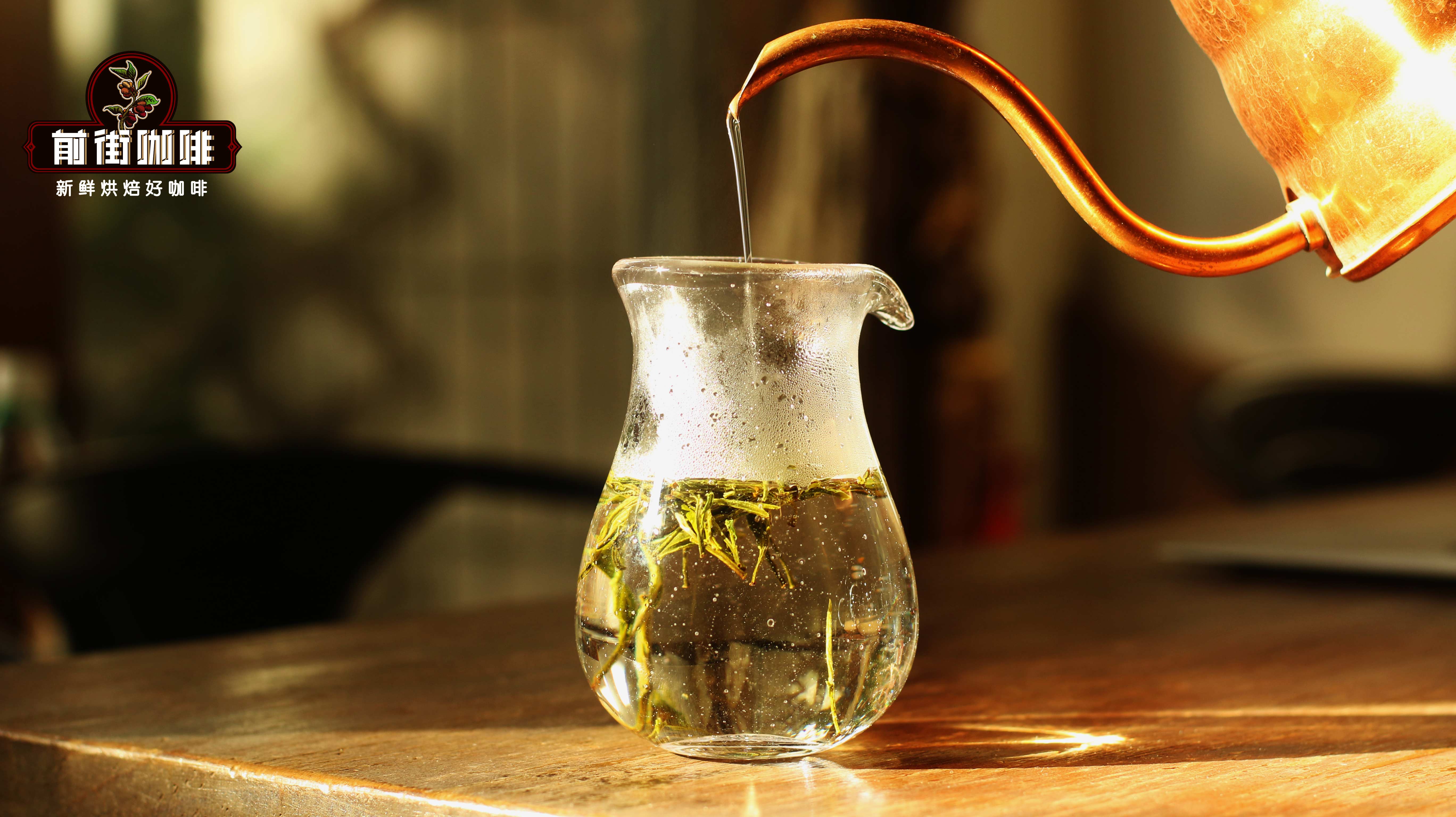
Yunnan’s connection to coffee dates back to 1892, when French missionaries successfully trial-planted coffee in Binchuan County, with over thirty original plants still surviving today. Large-scale cultivation began in the mid-1950s, with the planted area once reaching 4,000 hectares, expanding to 7,800 hectares by 1997—accounting for 70% of the national total and 83% of production, firmly establishing its dominant position domestically. The mountainous and hilly terrain, fertile soil, ample rainfall, and significant day-night temperature differences in western and southern Yunnan create the unique profile of small-bean coffee: strong yet not bitter, fragrant yet not overpowering, with a hint of fruity notes. Four renowned producing areas subsequently emerged, and the mature industrial chain ensures a stable supply of high-quality domestic coffee.
Yunnan’s coffee is mainly distributed in the southern and southwestern regions, including Dehong, Pu’er, Lincang, and Baoshan.DehongKnown as the “Hometown of Chinese Coffee,” the prefecture had a planted area of 120,900 mu (30% of the national total) in 2011, with plans to expand to 200,000 mu within the next three years. Local coffee farms generally sit at elevations above 1,000 meters, with 30,000 mu located in mountainous areas over 1,600 meters, and most farms use organic fertilizers and pesticides, producing coffee from one of the world’s rare high-quality growing regions.Baoshanis a key planting area for Yunnan’s small-bean coffee. In the mid-1950s, patriotic overseas Chinese Liang Jinshan introduced the first coffee seedlings from Southeast Asia, with the Longjiang Dam small-bean coffee standing out particularly. By the late 1950s, it was rated as a first-class product in London and has gained popularity in recent years in European, American, Arab, and Hong Kong-Macau markets, earning “National Geographical Indication Product” protection in 2010. The everyday bean “Yunnan Small-Bean Coffee” comes from the Baoshan producing area.
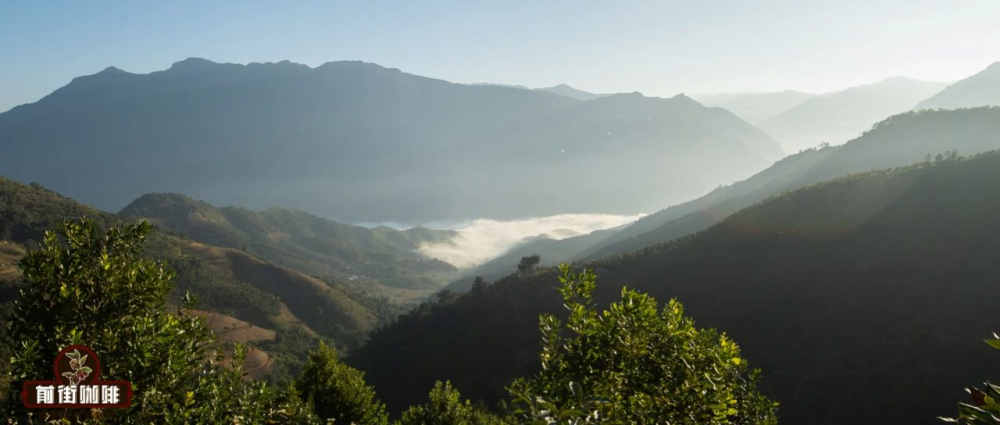
LincangCity is located in southwestern Yunnan, with the Tropic of Cancer crossing its southern part. The annual average temperature ranges from 16.8°C to 17.2°C, featuring distinct dry and wet seasons and abundant sunshine. One brand recognized this “borderland green jewel” and established its own estate in Lincang to grow the most ancient Arabica variety—Typica. Its 2013-released “Natural Typica” originates from this region.Pu’er, known as a tea region, has a 150-year history of coffee cultivation. In the early 1990s, it began promoting coffee as a backbone industry to adjust the industrial structure and boost farmers’ income, with coffee grown in 54 towns across the city’s nine counties and one district.
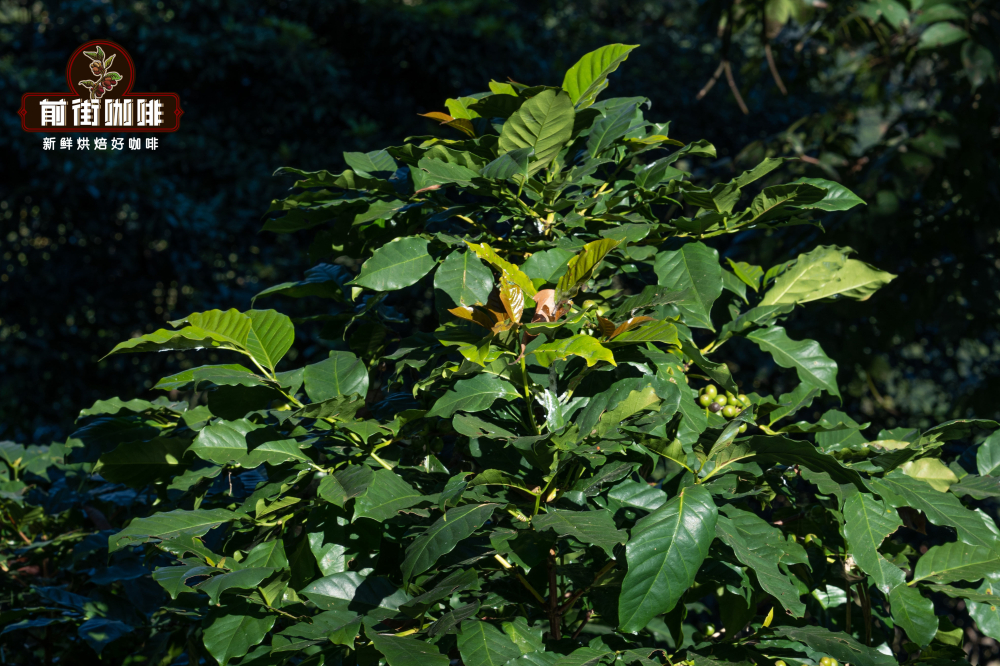
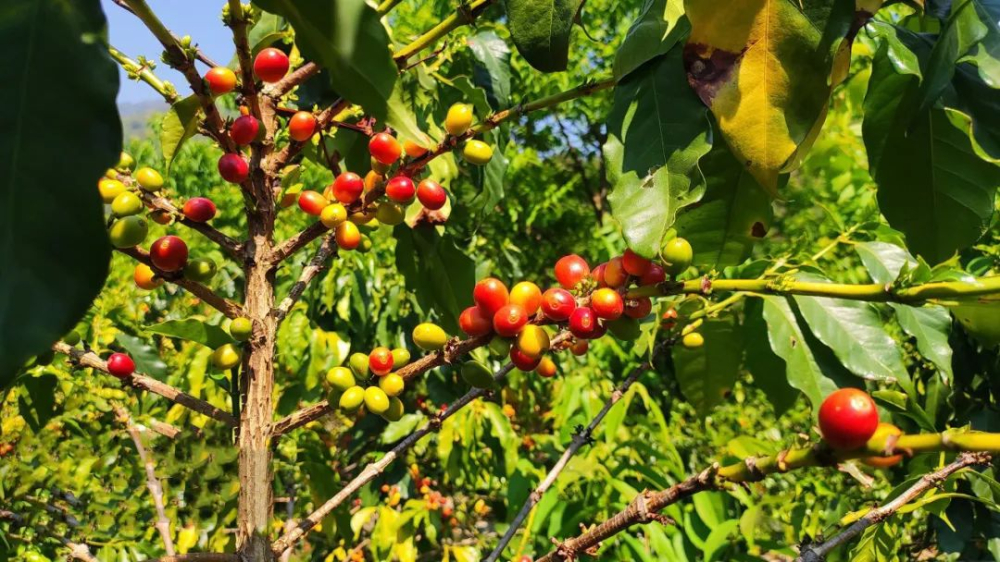
The main varieties currently cultivated in Yunnan include Catimor, Typica, Bourbon, Caturra, and Catuai, but Catimor is the most commonly seen on the market. The so-called “Yunnan Small-Bean Coffee” usually refers to Catimor, as its beans are similarly small to early Typica. Catimor is not a pure Arabica but a hybrid of the Timor variety (containing 25% Robusta genes) and Caturra (a Bourbon mutation), offering high yield and strong disease resistance, though it often exhibits insufficient aroma, heavier bitterness, astringency, or moldy notes. Typica is a classic, high-quality Arabica originally from Ethiopia and southeastern Sudan, with outstanding flavor performance but low yield and susceptibility to rust, requiring more labor-intensive management—its top leaves are copper-colored, hence called “red-top coffee.” Bourbon, derived from Typica, spread to Réunion Island (formerly called Bourbon Island) in 1708, boasting excellent aroma and rich flavor, suitable for altitudes of 1,200 to 2,000 meters, but weak in pest and disease resistance and sensitive to strong winds and heavy rainfall, with green-tipped young leaves, hence called “green-top coffee.”
Coffee processing methods are closely tied to local climate. With Yunnan’s long rainy season and unstable weather, most coffee beans undergo washed processing. However, the Typica from Lincang’s estates uses natural (sun-dried) processing: uniformly ripe coffee cherries are fully spread on elevated beds, continuously turned to ensure even drying and prevent uneven fermentation that could cause off-flavors. The retention of the whole fruit pulp allows more sugars to penetrate the green beans, imparting intense aroma and strong sweetness. Roasters, aiming to highlight the aroma and sweetness while preserving the small-bean coffee texture for this natural Typica, opt for a medium roast.
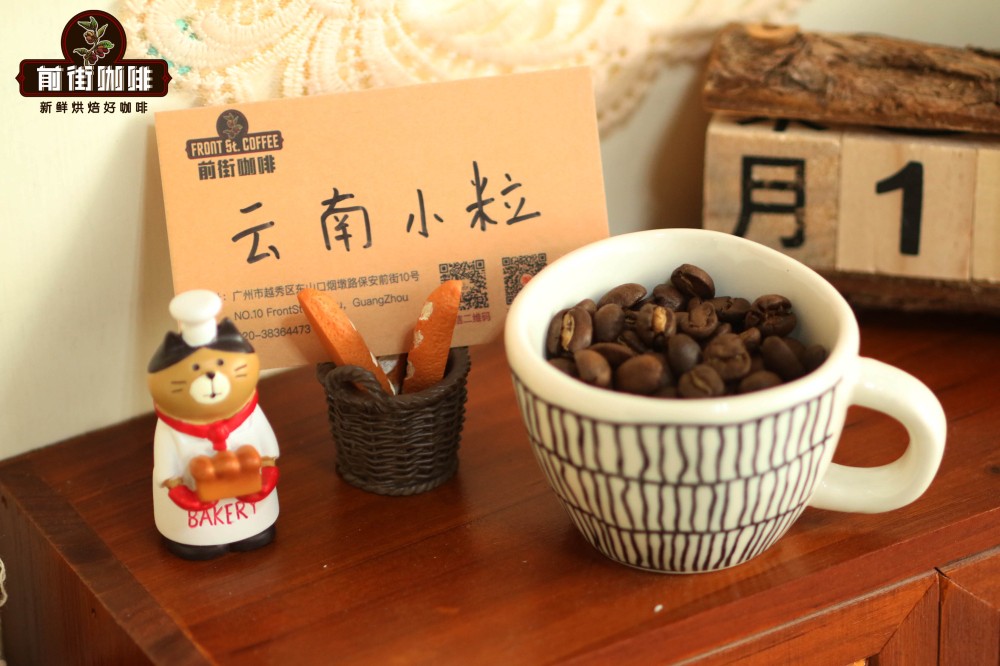
For brewing, it’s recommended to use freshly roasted coffee beans (ideally within 5 days of roasting) to fully experience the flavors, with a resting period of about 4 to 7 days. If purchasing pre-ground coffee, due to faster oxidation, brew immediately to avoid flavor loss. The Hario V60 dripper is recommended, using water at 88°C, 15g of coffee, a 1:15 coffee-to-water ratio, and medium-fine grind (75% passing through a No. 20 sieve according to Chinese standards). The natural Typica offers a heavy body, pronounced acidity and sweetness with citrus and berry notes, subtle fermented wine-like aromas, and caramel sweetness, with a creamy black-tea-like finish. Washed Yunnan small-bean coffee, meanwhile, showcases herbal and nutty aromas paired with chocolate and caramel flavors.
The above content is compiled by CoffeeHunters, a coffee news website.


