







Introduction:Drip bags and pour-over coffee actually share the same extraction principles, but many people overlook key details when brewing drip bags at home, resulting in flavors that fall short of expectations. This article delves into the shared brewing logic behind both methods—from the necessity of blooming, to water temperature control and pouring rhythm—guiding you step-by-step to master techniques that bring drip bag coffee closer to pour-over standards. It also provides practical parameter suggestions and answers to common questions, offering valuable insights for both beginners and experienced users.
In terms of extraction principles, drip bags and pour-over coffee are not vastly different—both involve hot water passing through coffee grounds to extract aroma and flavor compounds. However, many users neglect some important basic parameters and techniques from pour-over brewing when using drip bags, leading to subpar flavor results. If you want to consistently brew excellent-tasting drip bag coffee at home, understanding the fundamentals of pour-over brewing is an indispensable step.
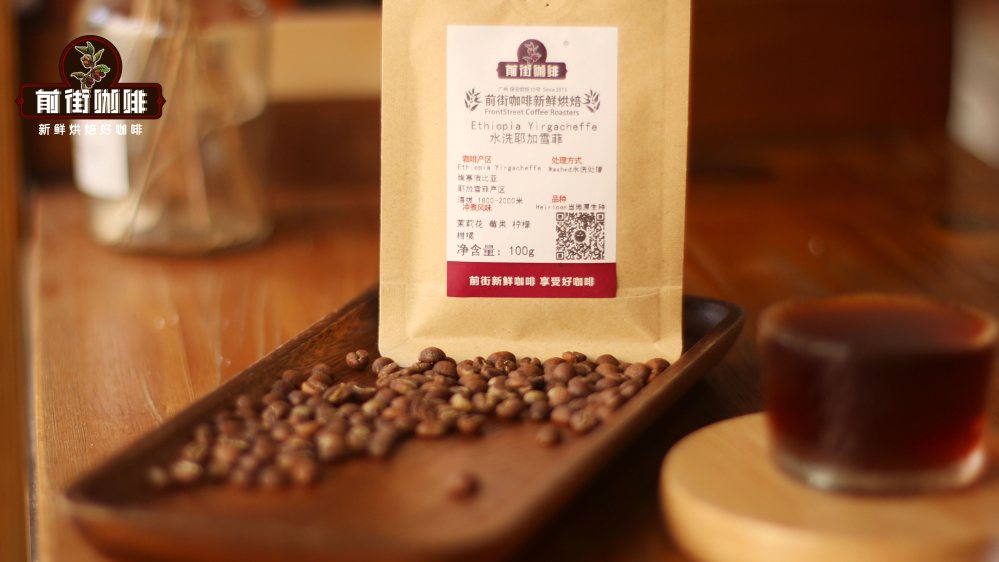
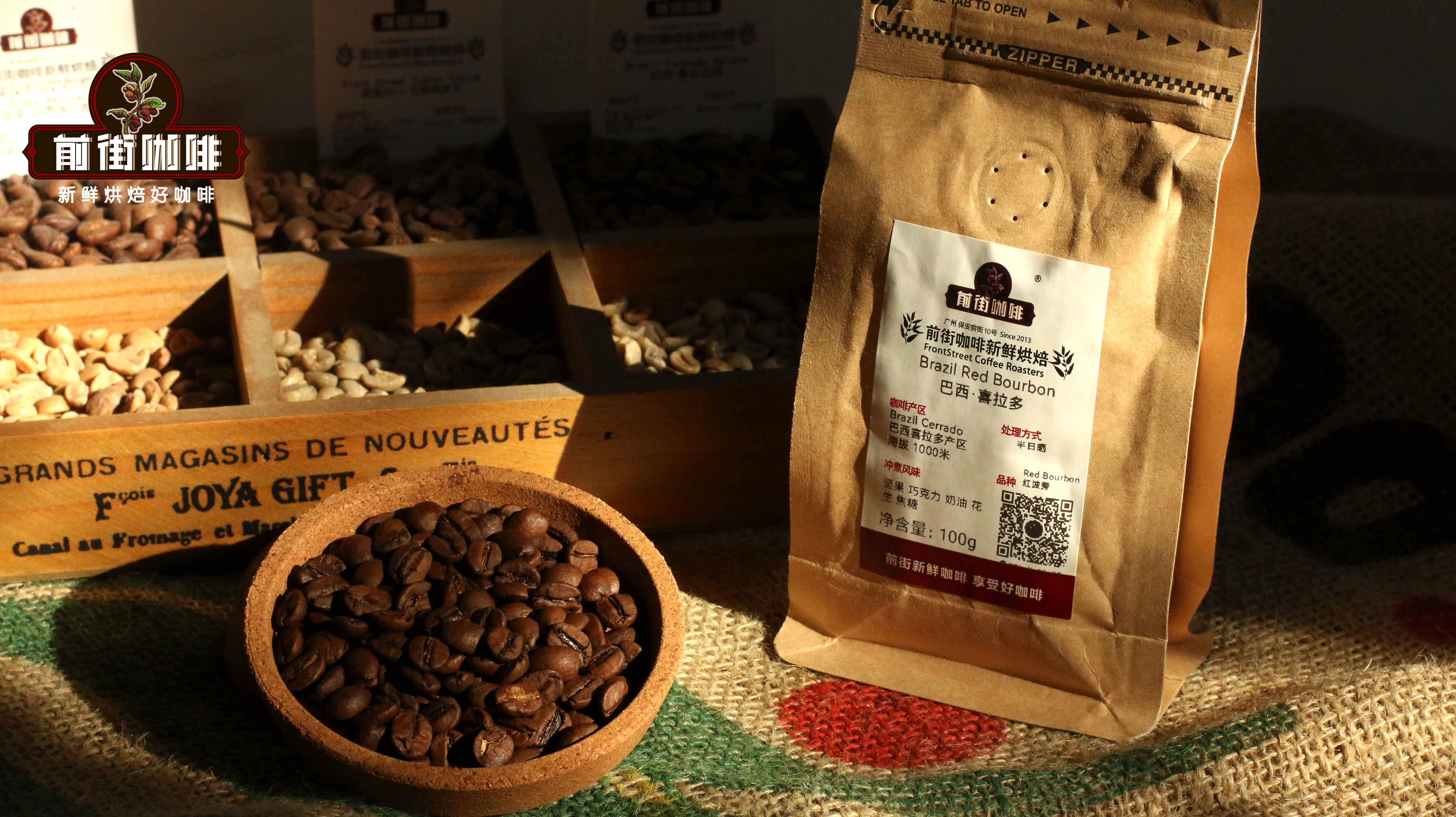
Among the many drip bag coffee products available, there are several great options for beginners. For example, a medium-light roasted Yirgacheffe drip bag offers pronounced citrus notes and white floral aromas, ideal for those who enjoy bright fruity acidity; a medium-roasted Brazilian Cerrado drip bag showcases rich aromas of toasted bread, chocolate, and creamy peanut, suiting consumers who prefer nutty profiles. If you prefer a bolder taste, a dark-roasted Indonesian Mandheling drip bag delivers layered flavors of caramel, herbs, and spices; meanwhile, a medium-roasted Yunnan small-bean drip bag highlights brown sugar, nut, and black tea notes with lower acidity, making it suitable for those who don’t enjoy overly sour flavors.
The standard brewing method for drip bags is quite similar to that of pour-over coffee, but since it uses pre-ground coffee, extra attention should be paid to freshness and brewing details. First, most commercially available drip bags clearly indicate the net weight of coffee grounds, typically around 10 grams, eliminating the need for weighing. Next, the water volume and temperature settings can follow common pour-over ratios—using a coffee-to-water ratio of 1:15 to 1:16 as a guideline. That means approximately 140–150 milliliters of water for 10 grams of coffee, with the water temperature advised to be around 90°C. If you don’t have a temperature-controlled kettle, you can turn off the heat after boiling, leave the lid open, and let the water sit for about 2–3 minutes (at around 28°C room temperature), which will bring the temperature down to a suitable range.
Once preparation is complete, you can preheat your serving mug. Then, tear open the sealed opening of the drip bag, unfold the two “ears,” and hang them securely on the rim of the cup. Gently shake to level the coffee bed. Though this step may seem simple, it ensures even water flow through the coffee grounds during brewing, helping to avoid under- or over-extraction in certain areas.
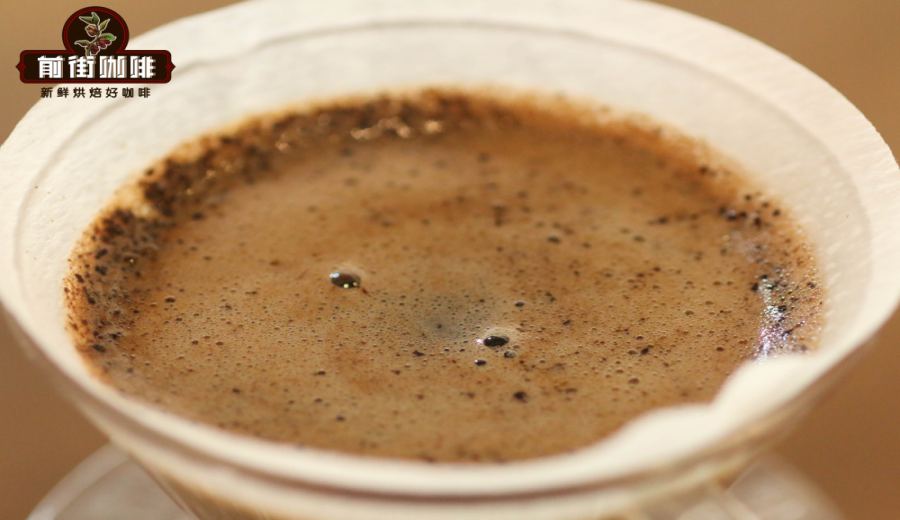
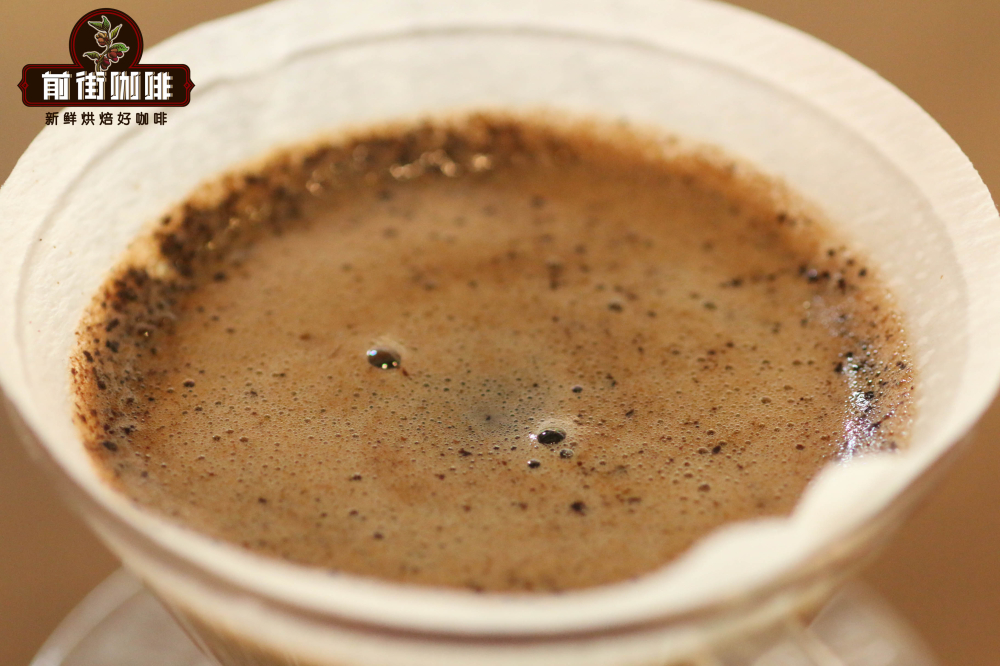
The first stage of pouring simply involves evenly wetting the coffee bed. At this point, allow for a bloom phase of about 20 seconds. Blooming helps release trapped carbon dioxide from the coffee grounds, facilitating the smooth release of aromatic compounds in the subsequent stages. Many users skip this step when brewing drip bags, which often leads to unsatisfactory flavor. In truth, blooming plays a crucial role in the overall extraction process.
After blooming, move on to the second stage of pouring. It’s recommended to use a slow, circular pouring motion with a small stream of water until the coffee bed is fully submerged, then continue pouring until the cup is about 90% full. Repeat this action about twice until the total coffee liquid volume reaches 140–150 milliliters, at which point you can remove the drip bag and enjoy your freshly brewed coffee. For more precise control over water volume, you can also pre-pour 150–160 milliliters of water into the kettle and pour it all in one go during the entire brewing process. Once all the coffee has dripped into the cup, remove the drip bag. The entire brewing time is roughly around one minute, and it’s important to maintain steady water flow and ensure even saturation of the coffee bed throughout.
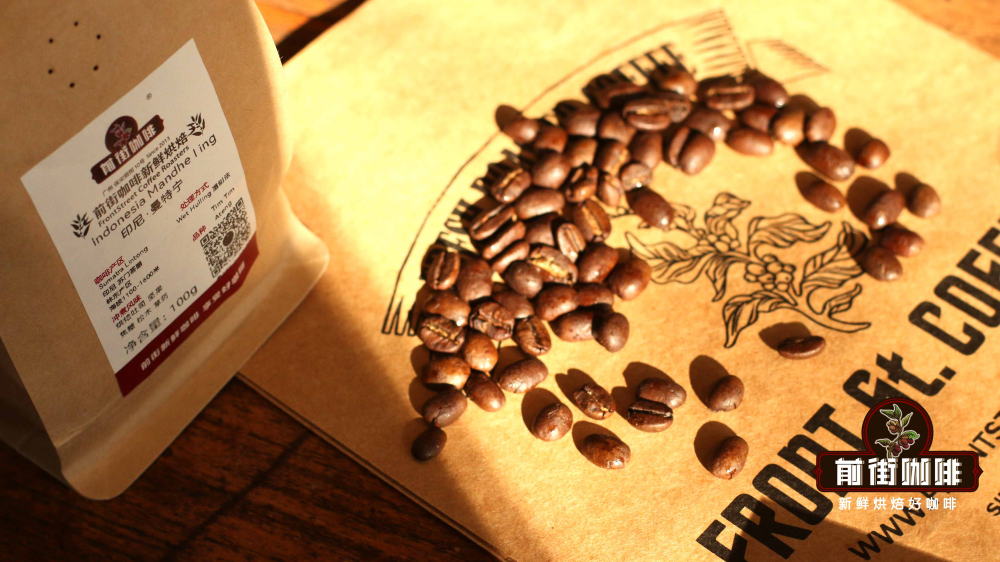
Since drip bags use pre-ground coffee, their flavors tend to dissipate more quickly compared to whole beans. Therefore, to fully experience the original flavors of the coffee, it’s recommended to choose freshly roasted products and consume them as soon as possible. Generally, freshly roasted ground coffee has a shorter shelf life after grinding. If you’re unable to brew immediately, proper storage is essential to help slow down flavor loss.
The above content is compiled by CoffeeHunters, a coffee news website.


