







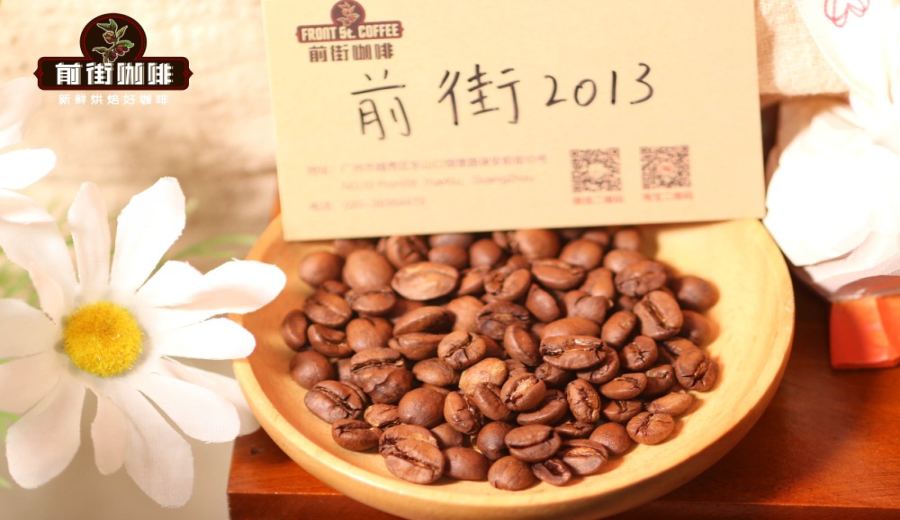
Introduction:A deep dive into the cultivation environments, mainstream variety characteristics, and flavor profiles of two major Chinese coffee-growing regions — Yunnan and Hainan. This article compiles the microclimate differences across four key Yunnan regions, analyzes the impact of washed and natural processing on flavor, and provides practical brewing parameters along with cupping insights to help you find an ideal entry-level bean.
China's coffee cultivation is primarily based in Yunnan and Hainan, with Yunnan’s small-grind coffee accounting for over 95% of the national output. If you’ve seen “Yunnan small-grind coffee beans” on the market, they usually refer to the Catimor variety — although it originates from Typica, its disease resistance and stable yield have made it the mainstream choice. Currently, the proportion of Catimor planted across Yunnan’s producing areas reaches as high as 99.99%, driven by a combination of economic benefits and market demand.
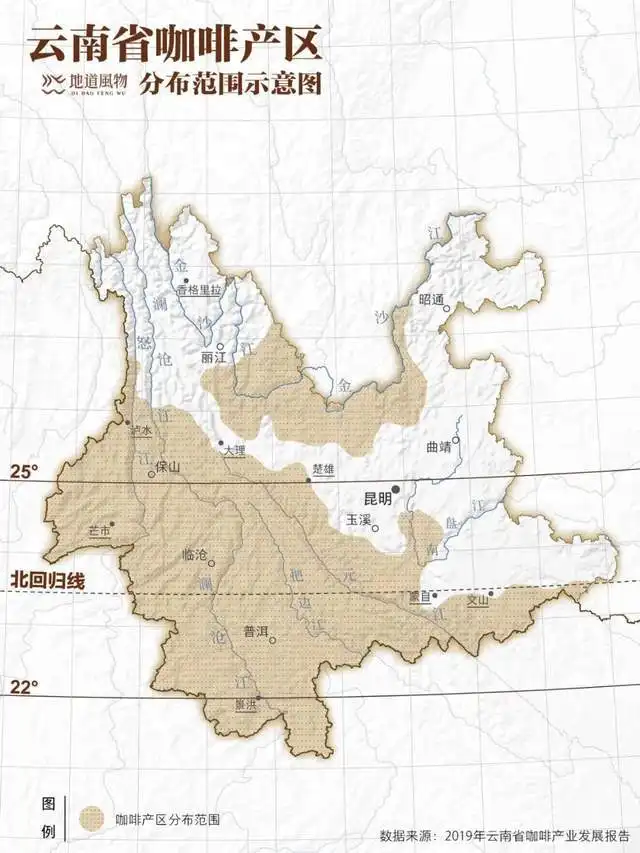
Yunnan’s coffee cultivation is concentrated in four major regions: Lincang, Baoshan, Pu'er, and Dehong. These areas are mostly located in the southwestern part of the province, each with its own unique microclimate. Take Lincang, for example: it borders Pu'er to the east, Dali to the north, Baoshan to the west, and Myanmar to the southwest, with an average annual temperature ranging between 16.8°C and 17.2°C, distinct wet and dry seasons, and abundant sunshine.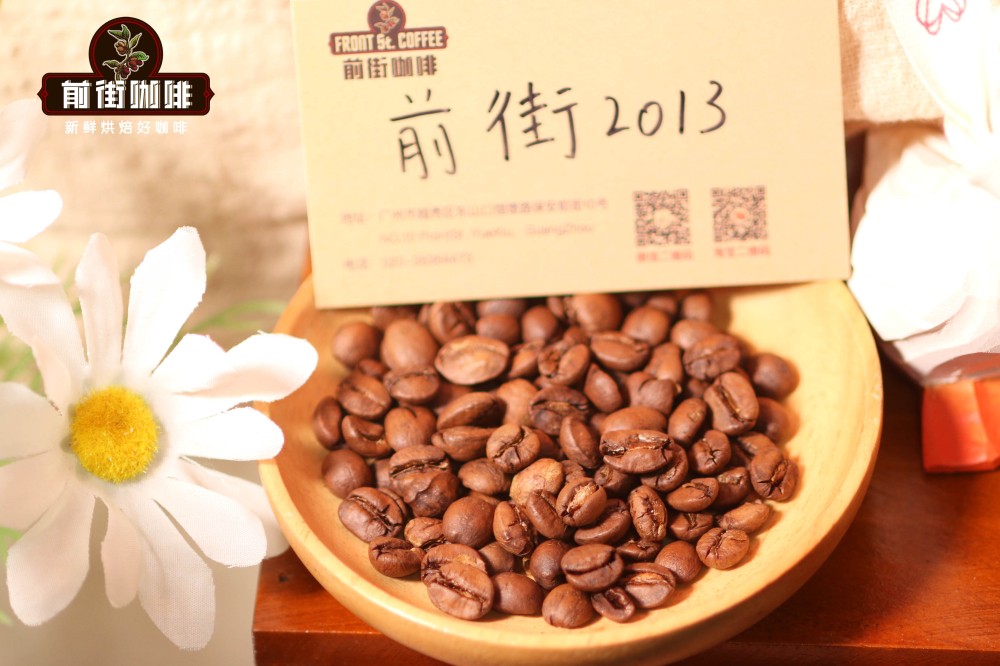
The Baoshan growing region is renowned for its high-altitude plantations, where some areas produce coffee that rivals the quality of Jamaica Blue Mountain, even giving rise to the world’s most expensive civet coffee. As early as 1952, Baoshan launched large-scale coffee cultivation, accumulating over 60 years of experience and earning the reputation as “Asia’s best coffee-growing region.” The “four seasons on one mountain, different weather within ten miles” characteristic of this low-latitude plateau provides ideal conditions for coffee growth.
Hainan, on the other hand, stands out with its unique geographical environment. Although its production volume is not as high as Yunnan’s, its tropical maritime climate produces coffee beans with distinctive regional characteristics. Next, we’ll focus on the details of Yunnan’s four major regions and explore the flavor differences among mainstream varieties.
Among Yunnan’s four major regions — Lincang, Baoshan, Pu'er, and Dehong — all feature advantages such as high altitude (most above 1200 meters), sloped terrain, fertile soil, and significant diurnal temperature variations, all of which help coffee accumulate flavor compounds. Among these, Lincang’s border location with Myanmar gives it even greater microclimatic diversity.
In terms of variety, Yunnan is currently dominated by Catimor — a hybrid of the Timor variety (which contains 25% Robusta genetics) and Caturra (a mutation of Bourbon). Although Catimor has become the economic choice due to its disease resistance and high yield, its flavor is often criticized for being relatively light in aroma, prone to astringency or musty notes. In contrast, Typica and Bourbon, as traditional Arabica varieties, offer richer aroma layers but suffer from low yield, high susceptibility to rust disease, and higher management costs.
Typica originates from Ethiopia and Sudan. Its plants are robust but not tolerant to strong sunlight, and its top leaves are reddish-copper in color (commonly referred to as “red-tip coffee”). It is the base variety for many well-known specialty beans (such as Jamaica Blue Mountain and Sumatra Mandheling).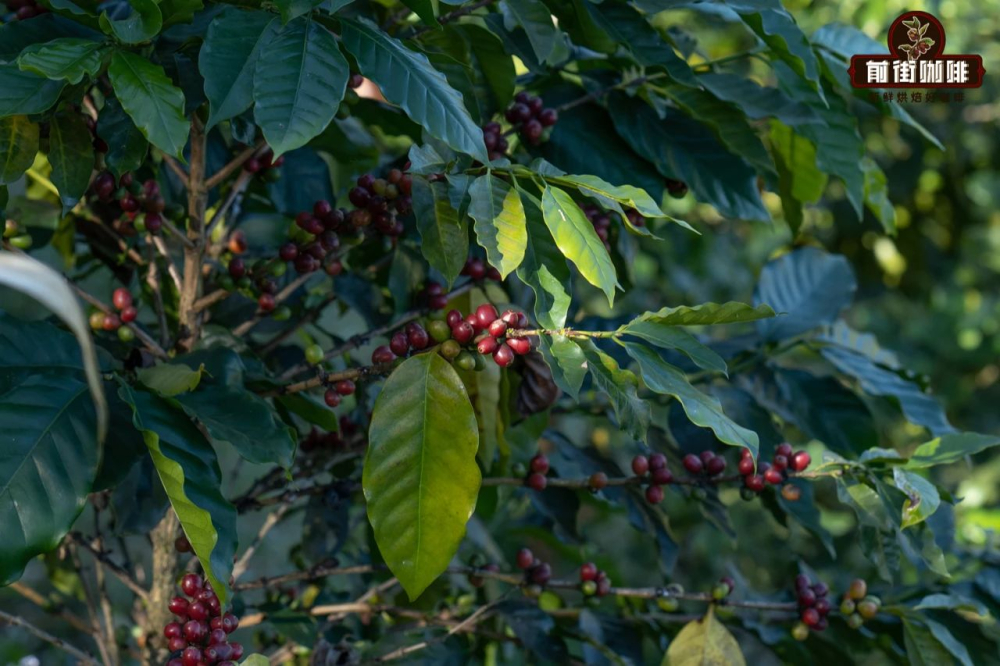 Bourbon is a round-bean coffee variety introduced to Réunion Island (then called Bourbon Island) by the French in the 18th century. Its young top leaves are green (“green-tip coffee”) and it is known for its excellent aroma and layered complexity, though it also faces challenges of low yield and weak disease resistance.
The impact of processing methods on flavor cannot be overlooked. Washed processing, which involves removing the pulp layer and fermenting the beans, results in a cleaner taste and brighter acidity (such as citrus or lemon notes), making it suitable for those who prefer refreshing flavors. Natural processing retains the full fruit flesh during fermentation, imparting richer fruitiness and sweetness (such as berry or tropical fruit notes), but requires strict control of the drying process to avoid off-flavors.
One coffee brand operates its own estate in Lincang, Yunnan, and harvested its first self-grown beans in 2021. Its offerings of natural Typica and washed Typica showcase the distinct characteristics of the two processing methods: the natural version delivers abundant fruitiness and sweetness, while the washed version excels in clear acidity and clean taste. It’s worth noting that innovative processing methods like anaerobic fermentation can create novel flavors, but may mask the region’s inherent characteristics and might not align with the “specialty coffee” pursuit of terroir expression.
For brewing recommendations, the V60 filter cone, with its wide opening and spiral ribs, enhances extraction efficiency and highlights fruity acidity and aroma — making it ideal for medium-to-high temperature brewing of Yunnan beans. Recommended parameters: a 1:15 coffee-to-water ratio, water temperature of 90–92°C, medium-fine grind (similar in coarseness to granulated sugar), using a staged extraction method — first blooming 30 grams of water for 30 seconds, then pouring up to 124 grams in the first stage, and finally adding water up to a total of 227 grams, with a total brew time of about 2 minutes.
In summary, Yunnan coffee beans are predominantly Catimor, offering stable yet slightly inferior flavor compared to traditional varieties; Hainan beans, meanwhile, possess unique regional characteristics. Regardless of the region you choose, understanding variety traits and processing differences will help you find the coffee experience that best suits your palate.

The above content is compiled by CoffeeHunters, a coffee news website.


