







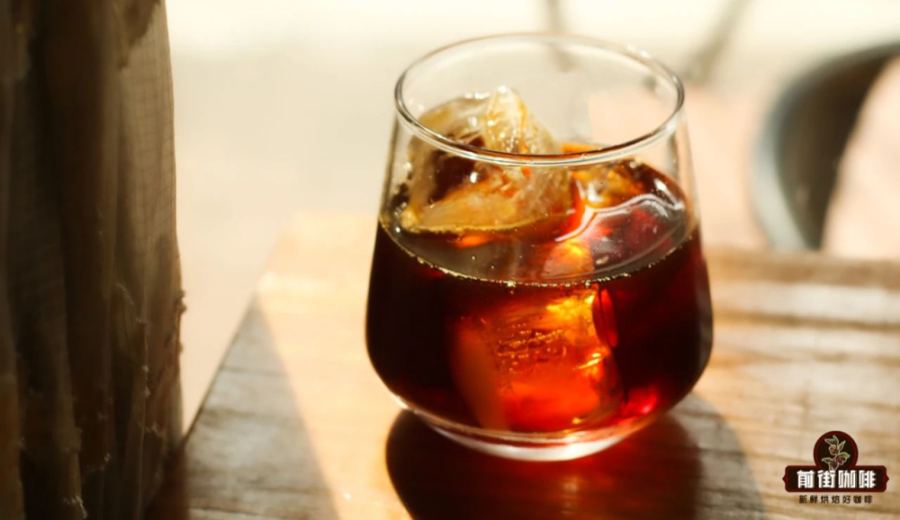
Introduction:Cold brew coffee is widely loved for its refreshing and low-acid taste, but did you know it actually originated from 17th-century Dutch maritime culture? This article will take you through the historical background of cold brew coffee, analyze its evolution in different regions, and provide professional-level grind-to-water ratio recommendations and coffee bean selection tips. Whether you want to make it at home or are looking for flavor beans suitable for cold brewing, you’ll find practical guidance here.
Cold brew coffee has now become the summer favorite for many coffee enthusiasts, but this low-temperature, long-extraction beverage actually dates back to the 17th century. Historical records indicate that the earliest cold brew technique originated in the Netherlands. At the time, the Dutch had the world’s most powerful fleet, and their sailors were often at sea for extended periods. To enjoy coffee without the ability to heat it, they developed a method of steeping coffee grounds in cold water for over twenty hours. This extraction method not only reduced bitterness and extended shelf life, but also effectively retained caffeine, making it a practical drink during the sailing era.
As the trade reach of the Dutch East India Company expanded, this cold water extraction method was introduced to Japan. The locals already had a deep culture of cold-brewed tea, so they quickly applied this technique to coffee, further developing methods similar to the Kyoto drip (Kyoto-drip). This method typically uses gravity to slowly drip the coffee, bringing out more delicate and balanced flavors, and remains a signature offering in many specialty coffee shops to this day.

When it comes to making cold brew coffee,the grind-to-water ratiois key to influencing the final flavor. For everyday drinking, it is generally recommended to use a ratio of1:131:13, which means 1 gram of coffee grounds to 13 milliliters of water. This concentration can be consumed directly without additional dilution. If you plan to use the cold brew base to make specialty drinks—such as adding milk, soda water, or creating iced coffee cocktails—you can adjust the ratio to1:101:10, to achieve a stronger coffee flavor.
In practice, using a 1:13 ratio as an example, you can use 30 grams of coffee beans with about 400 milliliters of water. It’s important to note that the coffee bean grind size should be controlled at around80–85% passing through a 0.85 mm standard sieve,which is considered a medium-fine grind. Although the low-temperature environment reduces the risk of over-extraction, if the grind is too fine, it may still lead to premature release of acidity and sweetness, followed by excessive woody or papery off-flavors, affecting the overall purity of the flavor.
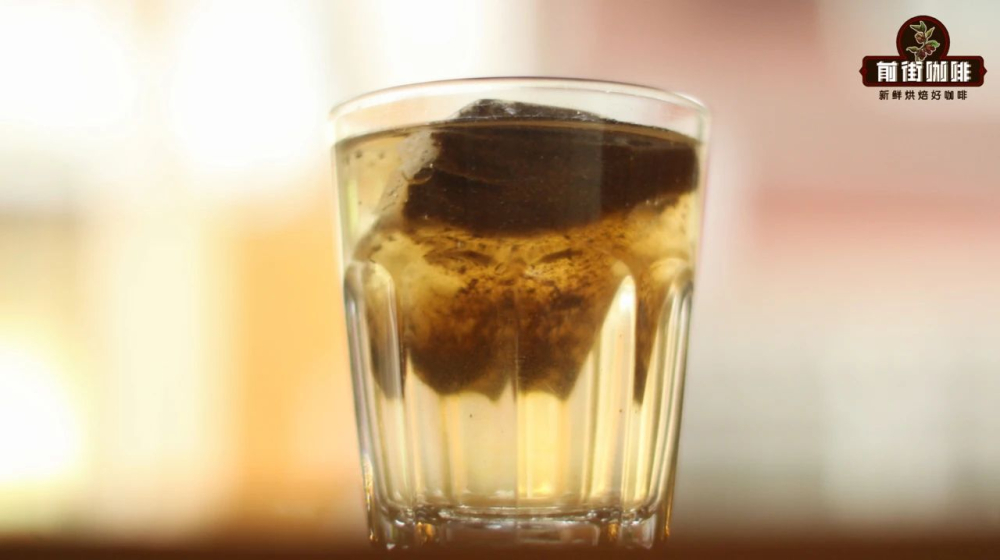
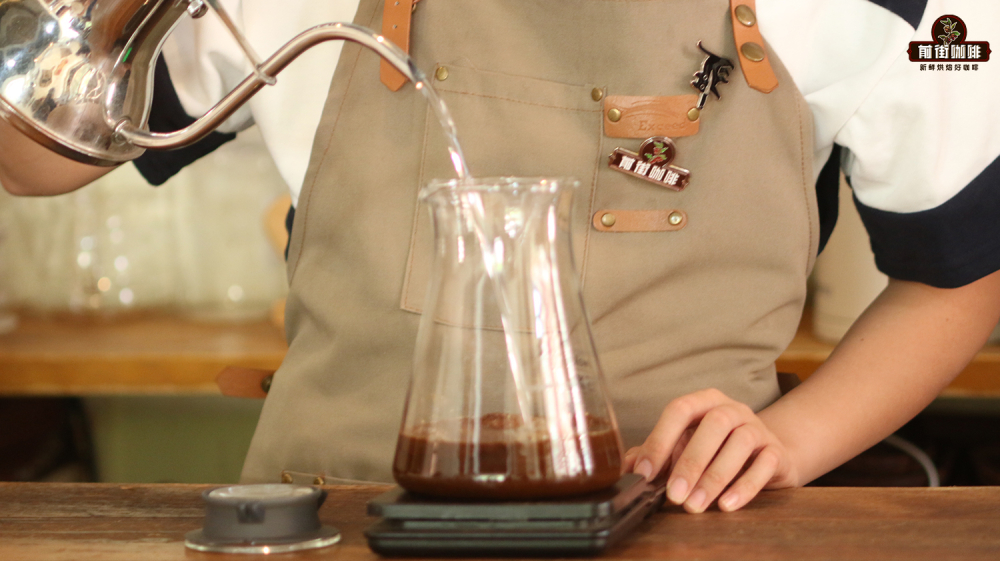
In terms of the steps, first place the ground coffee into a clean, oil-free, airtight container. It’s recommended to first add some ice cubes and cold water—for example, 150 grams of ice and 240 milliliters of room-temperature purified water—and gently shake to evenly wet the coffee grounds. Then add the remaining water to reach the desired total amount, and place the whole mixture in the refrigerator to steep for12 to 24 hours.The duration can be adjusted according to personal taste preference, but it is generally recommended not to exceed 24 hours to avoid over-extraction, which can lead to flavor imbalance. After extraction, filter out the coffee grounds using filter paper or a fine mesh strainer, and your clear and smooth cold brew coffee is ready to enjoy.
As for coffee bean selection, since cold brew is a low-temperature extraction method with limited ability to extract body-rich compounds, it is recommended to prioritizemedium-light or medium roastcoffee beans. These beans usually have more pronounced acidity, fruity or floral notes, and can showcase richer layers during the cold brew process. Dark roasted beans, on the other hand, may turn out thin and lack the desired body and mouthfeel due to low-temperature extraction.
Here are several types of coffee beans recommended for making cold brew: First are beans with bright fruit acidity and tea-like characteristics, such as Ethiopian Natural Red Cherry with complex fruit juice flavors and black tea notes; next is the Panamanian Flower Butterfly Gesha Blend, which showcases citrus tones and green tea flavors, with a well-balanced acidity and sweetness perfect for cold brew; additionally, the Costa Rica Musician Series Mozart coffee beans are notable for their distinct raisin aroma and fermentation character, offering a solid body and rich aftertaste; finally, Honduran Wine Barrel Fermented Sherry Coffee Beans are also a great choice. After cold brewing, they present whiskey-like aromas, smooth vanilla creaminess, and caramel sweetness, with unique and layered flavors.
The above content is compiled by CoffeeHunters, a coffee news website.


