








Introduction:After roasting, coffee beans release a large amount of carbon dioxide. Brewing them without proper degassing can not only affect flavor development but may also lead to uneven extraction. This article delves into the science behind coffee resting (养豆), provides recommended waiting times for different roast levels, and shares emergency brewing tips along with proper storage methods to help you enhance the quality and flavor of every pour over cup.
Many pour over enthusiasts often wonder why freshly roasted coffee beans can't be brewed right away. In fact, freshly roasted beans contain a significant amount of carbon dioxide that needs time — known as “resting” — to dissipate naturally. Only then can the aroma and flavors gradually emerge, reaching their optimal drinking state. This article will explain the scientific principles behind resting in detail, offer practical time references based on different roast levels, provide emergency solutions for insufficiently rested beans, and share correct storage advice. Whether you're a beginner or an advanced coffee lover, you’ll find useful insights here.
What is coffee resting (养豆)?
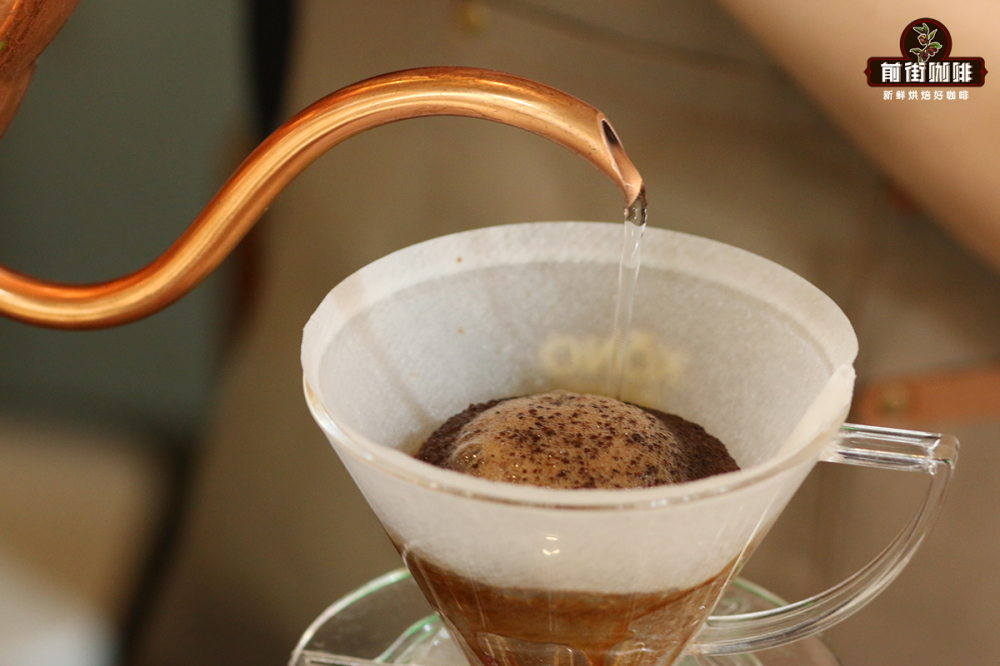
In simple terms, resting refers to allowing freshly roasted coffee beans to sit for a period so that the carbon dioxide generated during high-temperature roasting can gradually escape. This process enables flavor compounds to be extracted more smoothly. During roasting, not only do coffee beans expand in size, but they also accumulate a large amount of internal carbon dioxide. If these gases are not fully released before brewing, they can interfere with water penetration and extraction. Especially during the blooming stage, poor gas release can not only reduce extraction efficiency but also result in uneven mouthfeel and muted flavors. Therefore, letting the beans rest for a while — roughly when 60% to 70% of the carbon dioxide has been released — allows the flavors to gradually peak. This resting period is what we call the “resting phase,” and it’s key to reaching a coffee’s optimal drinking window.

How long should coffee rest? It depends on the roast level.
Resting time isn’t fixed — it’s closely related to the roast level of the beans. The darker the roast, the longer the beans are exposed to heat, and the more carbon dioxide builds up inside, requiring a longer degassing period. For example, dark roast beans that have gone through a second crack often expand significantly and exhibit more pronounced gas release. Sometimes, you might even see the packaging bag bulging due to the pressure. Generally speaking, medium to light roast beans are recommended to rest for 4 to 7 days to allow gases to release moderately and flavors to begin stabilizing. Medium to dark roast beans, on the other hand, are better left for 7 to 10 days, giving internal carbon dioxide time to drop to a suitable ratio for more complete flavor expression.
Can under-rested coffee beans be brewed directly?
Brewing coffee beans that haven’t rested enough — meaning they still contain a lot of carbon dioxide — can cause intense degassing during blooming. This not only affects extraction evenness but may also result in a grassy, astringent taste with indistinct flavor layers. If you’re really eager to try, you can apply two small tricks: first, extend the blooming time — for instance, increase the usual 30-second bloom to 40 seconds — to allow more carbon dioxide to escape. Second, after grinding the beans, let the grounds sit in the air for 1 to 2 minutes before brewing to increase surface contact with air and promote gas release. But keep in mind, ground coffee loses its aroma quickly, so try to brew as soon as possible to preserve the overall flavor quality.
How to rest coffee correctly? Simple steps, no hassle.
Resting doesn’t require complicated procedures. Simply leave the unopened coffee beans in their original packaging, away from direct sunlight and humid environments, and let them sit in a cool, dry place. Most coffee bags come with a one-way degassing valve: as the beans release carbon dioxide, the gas escapes through the valve while preventing outside air from entering, helping maintain bean freshness. After receiving your coffee beans, it’s advisable to wait patiently according to the roast date and recommended resting time. Usually, you’ll get freshly roasted beans within 1 to 3 days, and you can then plan your brew based on the resting days. Also, avoid deliberately squeezing unopened coffee bags, as this can disrupt the natural degassing process and may actually accelerate flavor loss.
The above content is compiled by CoffeeHunters, a coffee news website.


