








Introduction:Africa is the birthplace of coffee, with regions represented by Ethiopia and Kenya being renowned for their distinctive fruity acidity and floral-fruity aromas. This article delves into the varieties, farming models, processing techniques, and flavor profiles of Africa’s major coffee-producing countries, with a focus on Ethiopia’s nine premium coffee regions, Kenya’s six key production areas, as well as distinctive regions in Burundi, Rwanda, and Tanzania. It also includes brewing and extraction suggestions for classic beans such as Yirgacheffe, Huakui, and Kenya’s “little tomato,” helping you gain a deeper appreciation of the allure of African coffee.
Africa is not only the cradle of coffee but also a flavor holy land in the hearts of many coffee enthusiasts. Led by Ethiopia and Kenya, African coffee regions have long secured a place in the global specialty coffee market thanks to their uniquely bright fruit acidity, rich floral and fruity notes, and diverse processing methods. This article will take you on an in-depth exploration of the planting distribution, varietal characteristics, and processing styles of Africa’s major coffee-producing countries, with a special focus on Ethiopia’s nine premium regions, Kenya’s six key areas, and unique coffee-producing regions in Burundi, Rwanda, and Tanzania—providing comprehensive and practical regional knowledge.
A visit to the physical stores of any well-known coffee brand reveals that African-origin beans often occupy prominent positions on the menu. This isn’t just due to geographical preference—it’s because African beans possess diverse and distinctive flavor personalities. From the citrusy floral nuances of high-altitude Yirgacheffe to the bright sweet-tart profile of Kenya’s “little tomato,” each offers unique regional character. The subtle differences between various regions and processing methods are precisely what make African coffee so captivating.
From a global perspective, African coffee is predominantly concentrated in the East African region, especially around Ethiopia, Kenya, Uganda, Rwanda, and Tanzania. These areas mostly cultivate high-quality Arabica varieties, and due to their exceptionally favorable climate and altitude conditions, they produce distinctly vibrant fruit acidity and floral characteristics. In contrast, West African countries such as Senegal and Cameroon primarily produce Robusta, mainly for the commercial market. This article will focus on East Africa’s major specialty coffee regions—including Ethiopia, Kenya, Burundi, Rwanda, and Tanzania—to guide you in uncovering the mysteries of these “coffee gold belts.”

When it comes to African coffee, one is immediately reminded of its enchanting fruit acidity and rich aromas. These flavors stem from their growing environment: high altitudes, abundant sunshine, and dry climates cause coffee cherries to ripen slowly, accumulating more complex flavor compounds. African coffees generally feature lively and bright acidity, often accompanied by fruity notes such as lemon, citrus, and berries, along with floral, honey, or even wine-like scents. However, due to dry climates and limited water resources, many regions employ the natural (sun-dried) processing method, resulting in beans that are less uniform in appearance and slightly higher in defect rates. This also contributes to the richer fermentation layers in the cup.
Ethiopia: The Gene Bank of Specialty Coffee
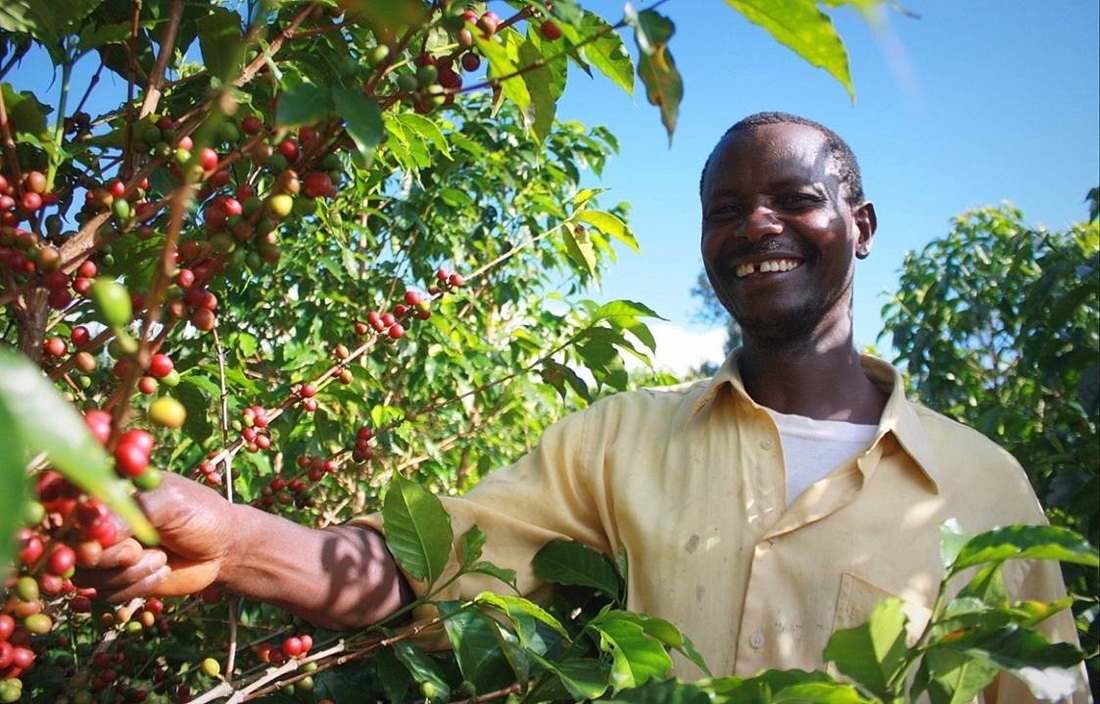
As the birthplace of coffee, Ethiopia boasts over 2,000 native and introduced coffee varieties, making it the country with the highest varietal diversity in the world. Its coffee cultivation is mainly concentrated in the highland areas of the south and west, managed by approximately 1.2 million smallholder farming families, with individual farms typically less than 4 hectares in size and altitudes ranging between 1,000 to 2,300 meters—ideal conditions for Arabica coffee.
Ethiopian coffee farming can be divided into several types: forest coffee (8–10%), semi-forest coffee (30–35%), garden coffee (50–55%), and plantation coffee (5–6%). Among these, garden coffee accounts for the largest share and is mostly grown around farmers’ homes, which is also the source of many specialty coffees. Processing methods include traditional natural (sun-dried), washed, and the increasingly prominent honey process, with the natural method widely used due to the dry climate, resulting in the intense fruity aroma and fermentation character commonly found in Ethiopian beans.
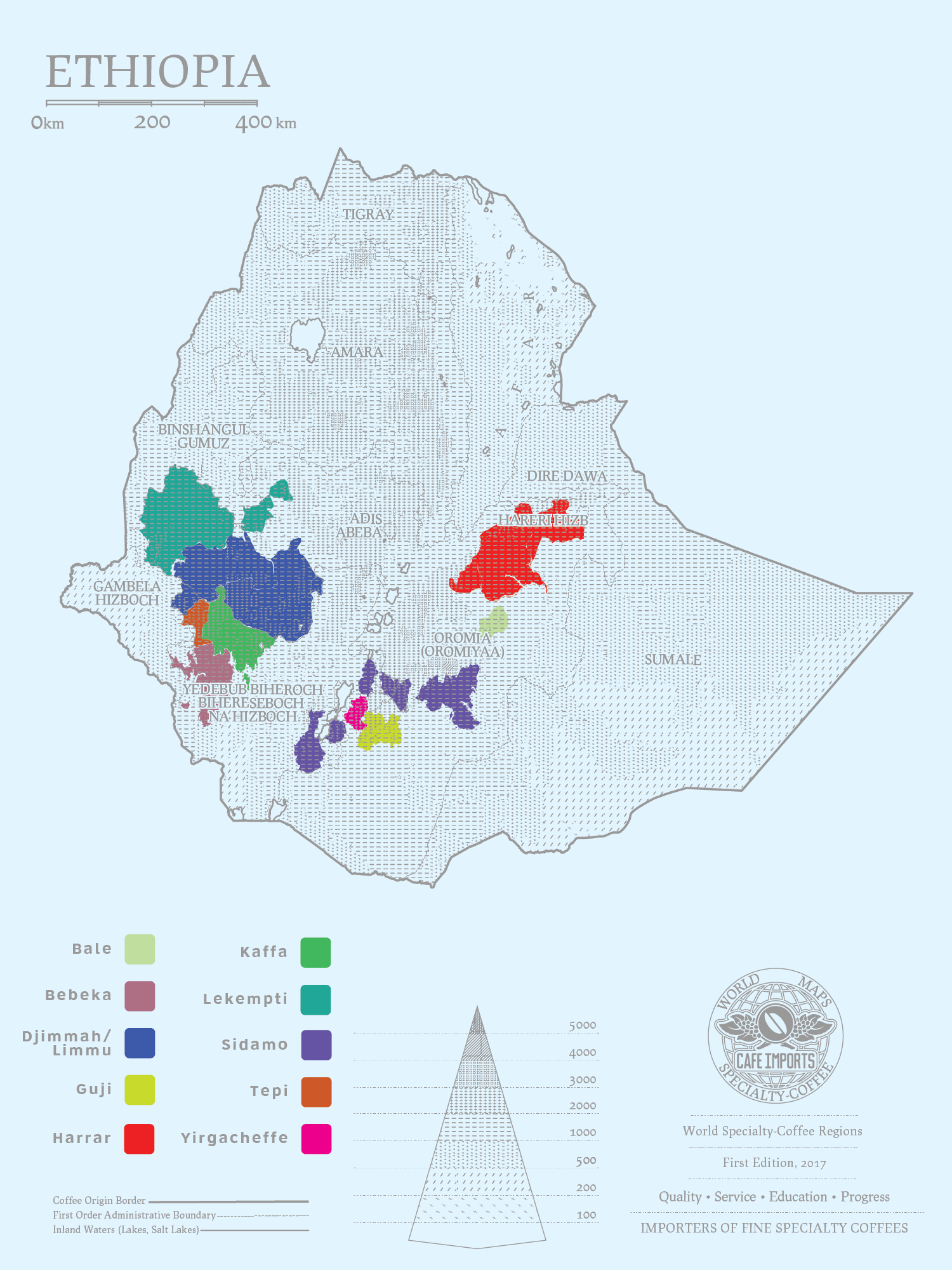
In terms of processing, Ethiopian natural (sun-dried) coffees often exhibit complex layers such as apricot, berries, cranberries, and wine-like notes; washed processing highlights clear citrus, lemon, grapefruit, and jasmine floral tones with bright acidity and a clean mouthfeel. Currently, most Ethiopian coffees in circulation are named after new administrative regions—such as Yirgacheffe, Sidamo, Limu, Jimma, Harrar—each with unique microclimates and varietal features.
Quick Guide to Ethiopia’s Nine Premium Regions
Yirgacheffe: Renowned for both washed and natural processes, at elevations of 1,800–2,000 meters, with flavors of lemon, jasmine, blueberry, and honey—it’s a top choice for many coffee beginners.
Sidamo: Similar in flavor to Yirgacheffe but with a wilder berry note, often featuring floral-fruity aromas and a rich, full-bodied character.
Limu: Offers diverse processing methods with softer flavors, accompanied by brown sugar and grassy notes.
Harrar: Almost exclusively natural processed across the region, delivering intense flavors with unique spicy and fermented characteristics.
Jimma: The largest-producing area, often yielding commercial-grade beans, though there are still plenty of washed specialty options.
Regions such as Illubabor, Gimbi-Lekempti, Teppi-Bebeka, and Lake Tana each have their own unique characteristics, suitable for coffee lovers seeking different flavor profiles.
Kenya: The Classic Representative of Bright Sweet-Tartness
Kenyan coffee is known for its strong acidity, clear fruitiness, and rich wine-like notes—especially blackcurrant, berry, and citrus tones. The coffee is primarily produced by small cooperatives, rigorously graded by bean size and cupping scores, and is famed for the K72 honey process, earning its reputation for “beautifully bright acidity.”
Kenya has six major producing regions, including Nyanza & Western, Nyeri, Kirinyaga, Embu, Machakos, and the Western Region. Each region has its own distinct microclimate and flavor expression—for example, Nyeri is known for its blackberry and citrus aromas, while the Western Region appeals to those who prefer softer profiles with mild fruit acidity and nutty notes.
Burundi: A Coffee Gem in the Mountainous Nation
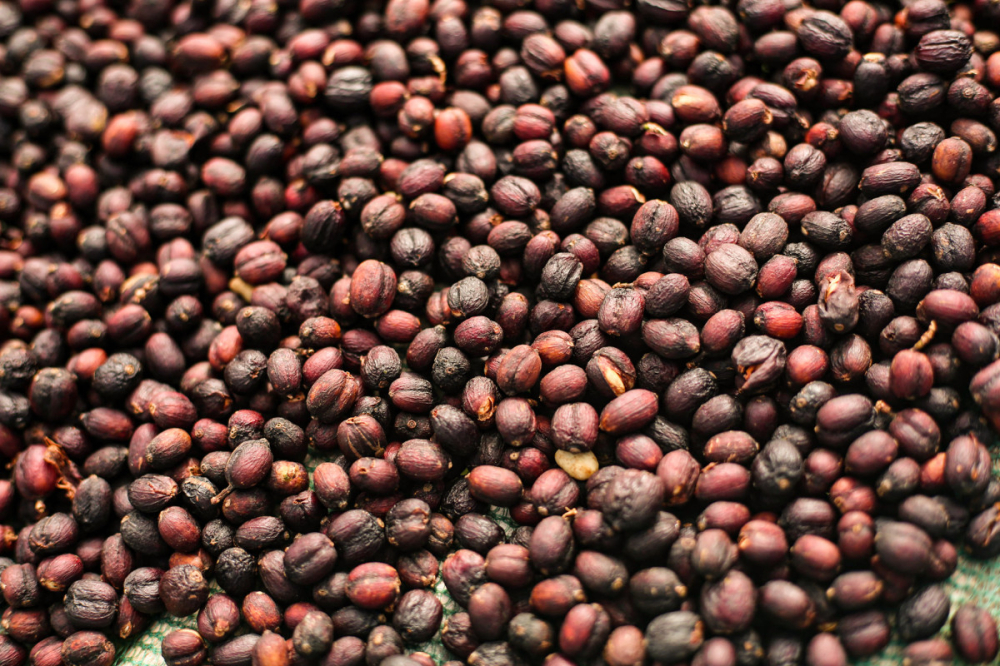
Burundi primarily grows the Bourbon variety, using washed processing to produce clear, bright acidity often accompanied by citrus, lemon, and caramel notes. Suited for coffee lovers who enjoy clean, sweet-tart profiles. Most of the country’s coffee is produced by smallholder farmers, with quality enhanced through local wet mills and SOGESTAL organizations—making it a significant player in East Africa’s specialty coffee scene.
Rwanda: Coffee Potential of the Land of a Thousand Hills
Known as the “Land of a Thousand Hills,” Rwanda features mostly highlands with a cool climate, making it highly suitable for cultivating high-quality Arabica. Its coffee is dominated by the Bourbon variety, often showcasing flavors of cherry tomato, nuts, cocoa, and red apple, with balanced sweet-tartness and a crisp finish. Rwandan coffee has gradually gained international attention in recent years and is an emerging highlight in the specialty coffee market.
Tanzania: Coffee Diversity on the Plateau
Tanzania boasts diverse terrain including Mount Kilimanjaro, mainly cultivating traditional varieties such as Bourbon, Typica, and Kent. Processing is primarily washed, often using coarse agave fiber sacks for packaging. The flavors are clear with bright fruit acidity, suiting consumers who enjoy delicate taste profiles.
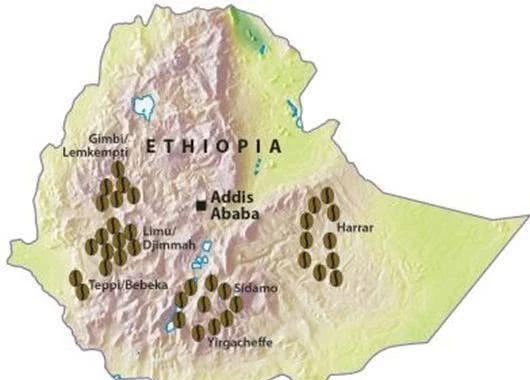
In summary, African coffee, with its rich varietal diversity, varied processing methods, and unique terroir-driven characteristics, has become an indispensable part of the global specialty coffee scene. Whether you’re a coffee newcomer or a seasoned connoisseur chasing extreme flavors, Africa’s regions offer a wealth of choices and exploration opportunities. Paired with appropriate brewing parameters—such as a V60 filter, 90°C water temperature, medium-fine grind, and a 1:15 coffee-to-water ratio—you can better highlight its bright acidity and layered aromatic complexity.
The above content is compiled by CoffeeHunters, a coffee news website.


