







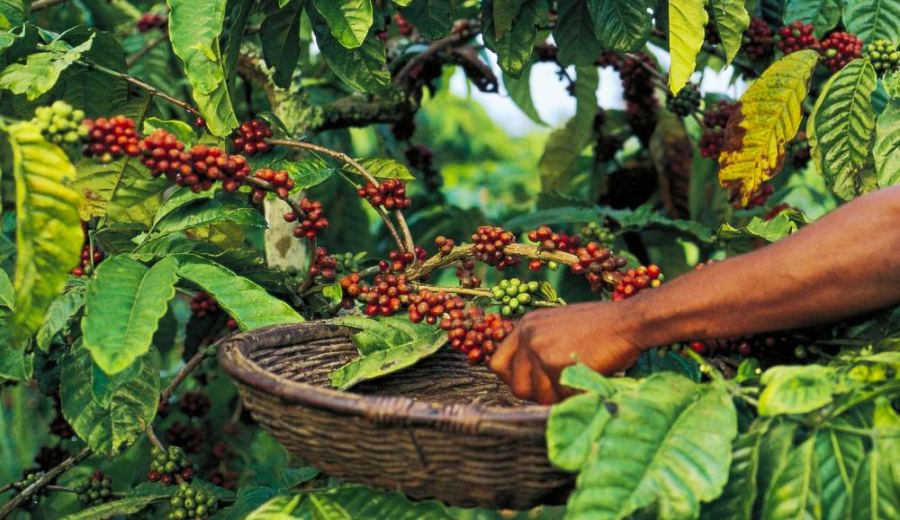
Introduction:Arabica coffee beans, with their delicate aroma and diverse flavors, have become the core of the specialty coffee market. But did you know that Geisha is actually a branch of Arabica? What are the differences between Typica and Bourbon? This article delves into the main varieties of Arabica, exploring everything from growing environments to processing methods to uncover the unique flavor characteristics of different sub-varieties. It also provides practical reference information to help you find the coffee beans that suit you best.
Global commercial coffee cultivation can be divided into three major mainstream varieties: Arabica, Robusta, and Liberica. Among them, Arabica is the preferred choice for specialty coffee due to its elegant aroma and refined taste. This article will take an in-depth look at the growing conditions and quality levels of Arabica, and provide a detailed introduction to the origins and flavor profiles of common sub-varieties such as Typica, Bourbon, Geisha, and Caturra. It aims to help enthusiasts grasp the characteristics of each variety, offering valuable insights for both beginners and seasoned coffee lovers.
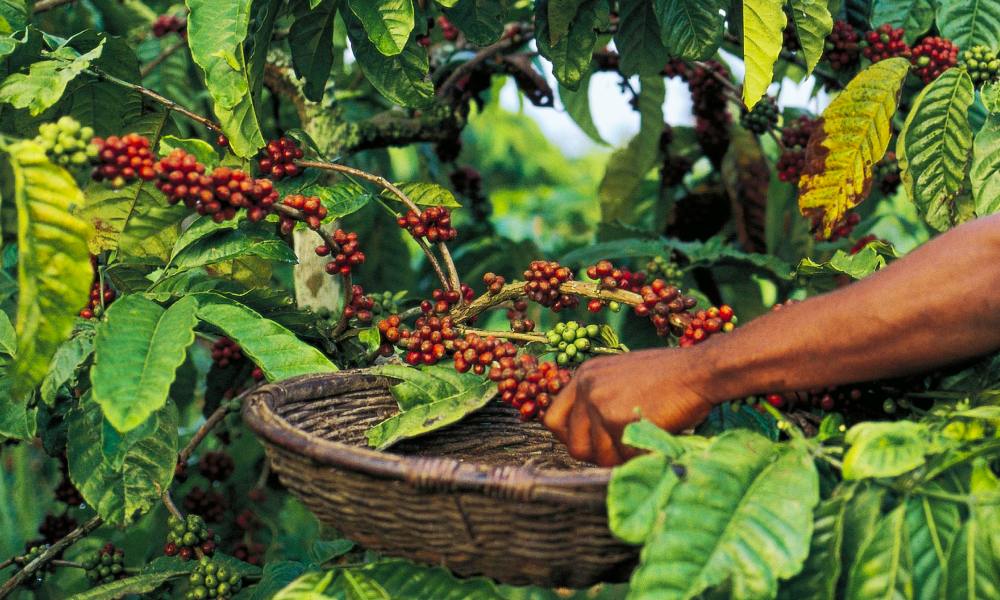
Similar to other crops, coffee also has distinctions between "species" and "varieties." The main commercially cultivated coffee species today include three categories: Arabica (commonly known as small-seeded), Robusta (medium-seeded), and Liberica (large-seeded), with Arabica and Robusta being the most widely grown.
Robusta varieties generally have a strong, heavy flavor and a higher caffeine content, making them commonly used in instant coffee or espresso blends. In contrast, Arabica originated in Ethiopia, Africa, and is widely praised for its bright and clean acidity, rich aroma, and smooth profile. Many classic coffee beans from renowned producing regions belong to the Arabica species.
Arabica is relatively demanding in terms of its growing environment, typically requiring cultivation at high altitudes between 800 and 2000 meters, while avoiding the threat of frost. It is mainly distributed within the coffee belt between the Tropic of Cancer and the Tropic of Capricorn. Generally speaking, the higher the altitude, the better the quality of the Arabica produced. Places like Ethiopia, Panama, Colombia, and Brazil are all major Arabica-producing regions.
In comparison, Robusta is mostly grown in regions that prioritize high yields, such as Indonesia and Vietnam. This variety is more resistant to pests, diseases, and climate changes, and can adapt to low-altitude environments, with faster fruit ripening and higher yields. However, Arabica is relatively more "delicate," not only having weaker disease resistance but also lower per-plant yield. The significant diurnal temperature variation unique to high-altitude regions can slow down the ripening process of coffee cherries, allowing them to accumulate more nutrients and thus develop richer and more captivating aromas. Additionally, the differences in microclimates across regions contribute to the diverse and unique flavor expressions of Arabica.

High-altitude cultivation, while beneficial for enhancing flavor, also poses challenges in management and harvesting, leading to increased production costs. To achieve top-tier quality, Arabica coffee often requires manual picking, rigorous sorting, and multiple processing steps to produce coffee beans with refined flavors and intricate layers. Examples like Jamaican Blue Mountain, Panamanian Geisha, and Ethiopian Yirgacheffe are all standout representatives of high-altitude Arabica coffee.
Under the Arabica umbrella, there are numerous sub-varieties, many of which have evolved from ancient Typica and Bourbon varieties through mutation or hybridization. Below is a brief introduction to some of the most representative Arabica varieties and their flavor characteristics.
Typica can be considered one of the most original Arabica varieties, with almost all current Arabica varieties tracing back to it. Its top leaves are bronze-colored, and the beans are oval or slender-pointed in shape. Typica offers an elegant and soft acidic aroma, but the plant is rather fragile, susceptible to leaf rust, and has a low yield. The world-famous Jamaican Blue Mountain coffee is made from the Typica variety.
Since being introduced to the Blue Mountain region in the 18th century, Typica has gradually adapted to the local island-like microclimate over more than two hundred years, with significantly improved disease resistance, especially against coffee berry disease, compared to typical Typica. Therefore, the refined and clean flavor of Blue Mountain coffee is inseparable from the dedication to the Typica variety and the meticulous cultivation practices in the region.
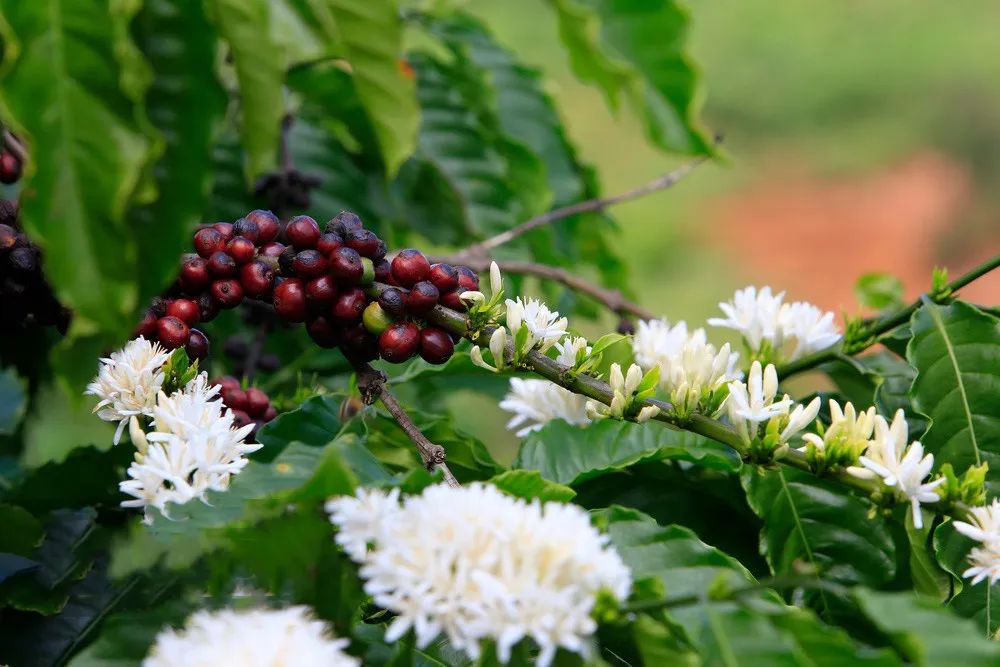
Bourbon is a natural mutation of Typica, with its bean shape changing from slender-pointed to round. It was first discovered on the island of Bourbon (now Réunion Island) off the east coast of Africa. This variety was introduced by the French from Mocha, Yemen, around 1715 and then brought to Brazil in 1727. Compared to Typica, Bourbon plants can be planted more densely, with a per-plant yield that is 20% to 30% higher.
Brazilian coffee is often characterized by its low acidity and rich aroma, with a smooth taste and comfortable aftertaste. Taking a semi-washed Red Bourbon as an example, it showcases distinct nutty and chocolatey flavors, paired with a medium caramel sweetness, delivering an overall balanced profile that is suitable for those seeking an introductory regional flavor experience.
Geisha has been a star variety in the specialty coffee scene in recent years, renowned for its stunning floral and fruity aromas and unique complexity, making it a favorite among pour over enthusiasts. Geisha also originates from Ethiopia and is a derivative of Typica. This variety has thinner leaf systems, resulting in lower photosynthesis efficiency, along with fragile roots that absorb water and nutrients slowly, leading to extremely low yields. Additionally, high-altitude environments delay the ripening period of the fruit.
Currently, Geisha is cultivated in several Latin American countries, with particularly outstanding quality found in Panama, Guatemala, and Colombia. When it comes to Geisha, one cannot overlook the renowned products from Panama’s Hacienda Esmeralda, which are categorized based on processing characteristics into Red Label, Green Label, and Volcán Geisha, among others. Take the Red Label Geisha as an example—its sun-dried processing imparts captivating flavors such as citrus, complex fruits, rose tea, and honey, leaving a lasting impression.
Caturra is a natural mutation of Bourbon, discovered in Brazil in 1937. It has a shorter tree structure, and while its disease resistance is average, it is suitable for dense planting, with a high fruit load and superior yield compared to Bourbon. Caturra is widely grown in Central America, with flavors characterized by bright acidity and abundant fruity notes. Medium to dark roasting can further bring out its sweet chocolate and nutty undertones, making it a common variety in many coffee competitions.
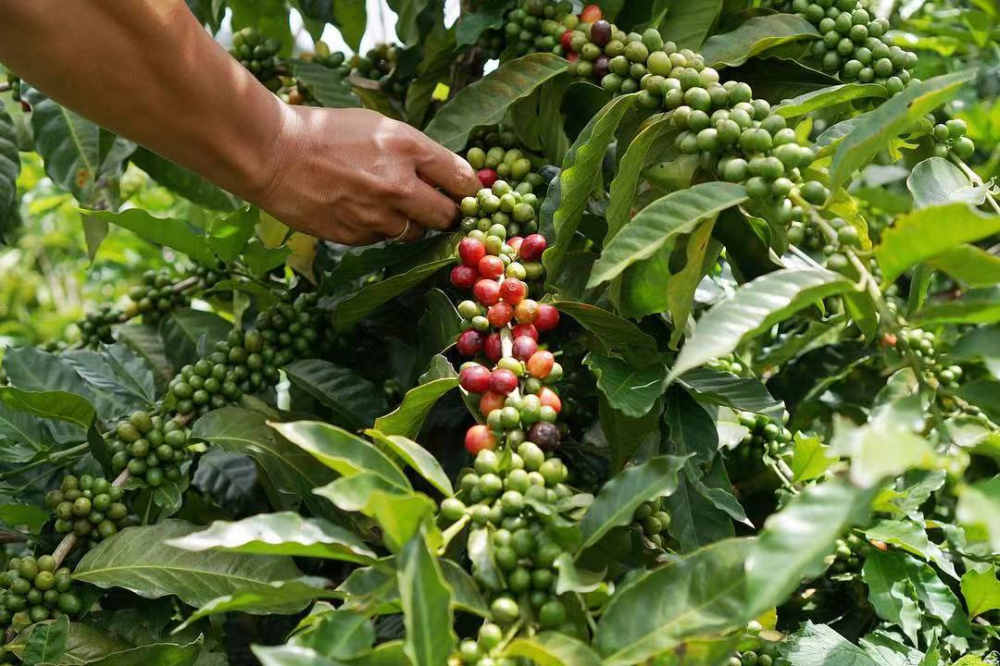
Overall, the Arabica species is incredibly diverse, with each variety offering unique flavor profiles and suitable processing methods. Whether you prefer refreshing floral and fruity notes or rich chocolatey flavors, gaining a deeper understanding of the characteristics of each variety will help you find the most satisfying coffee experience when selecting and brewing.
The above content is compiled by CoffeeHunters, a coffee news website.


