







Introduction:Delving into the world of coffee beans in China’s coffee hub, Yunnan, this article details the unique flavor profiles, growing backgrounds, and technical characteristics of mainstream varieties such as Typica, Catimor, and Bourbon. It also explores the differences between international and local grading standards, growth cycles, and how to use suitable brewing methods to bring out the best flavors. Whether you're just getting started or searching for beans from new growing regions, you'll gain practical insights.
As an important base for China’s coffee industry, Yunnan not only boasts a uniquely favorable geographical environment but also nurtures several representative coffee varieties. From the early introduction of Typica to the later development of Catimor, bred for disease resistance and high yield, and on to the aromatic Bourbon, each variety carries different historical contexts and flavor characteristics. This article will take you from the origins of the varieties, their growing environments, and domestic and international grading standards, all the way to the most suitable extraction methods, helping you fully understand the secrets of Yunnan coffee—from seed to cup.
 The history of Yunnan coffee dates back to the mid-19th century. At that time, France was expanding its influence in Indochina. Following the end of the Sino-French War, the Qing government opened Mengzi as a trading port in 1887, and French missionaries subsequently entered Yunnan. Among them, Father Terruel established a Catholic church in Zhukula Village, Binchuan County, and introduced a single Arabica coffee tree, believed to have originated in Vietnam, though its exact source is unknown. This coffee tree is not only the starting point of Yunnan coffee, but the village still preserves several old coffee trees over ninety years old, bearing witness to this history.
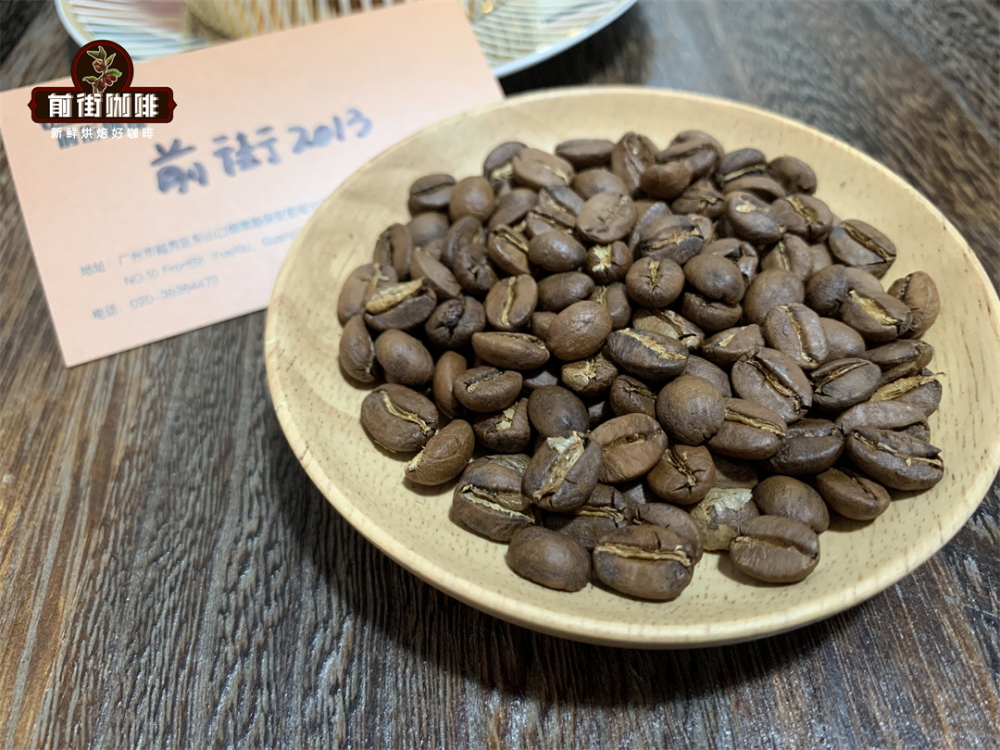
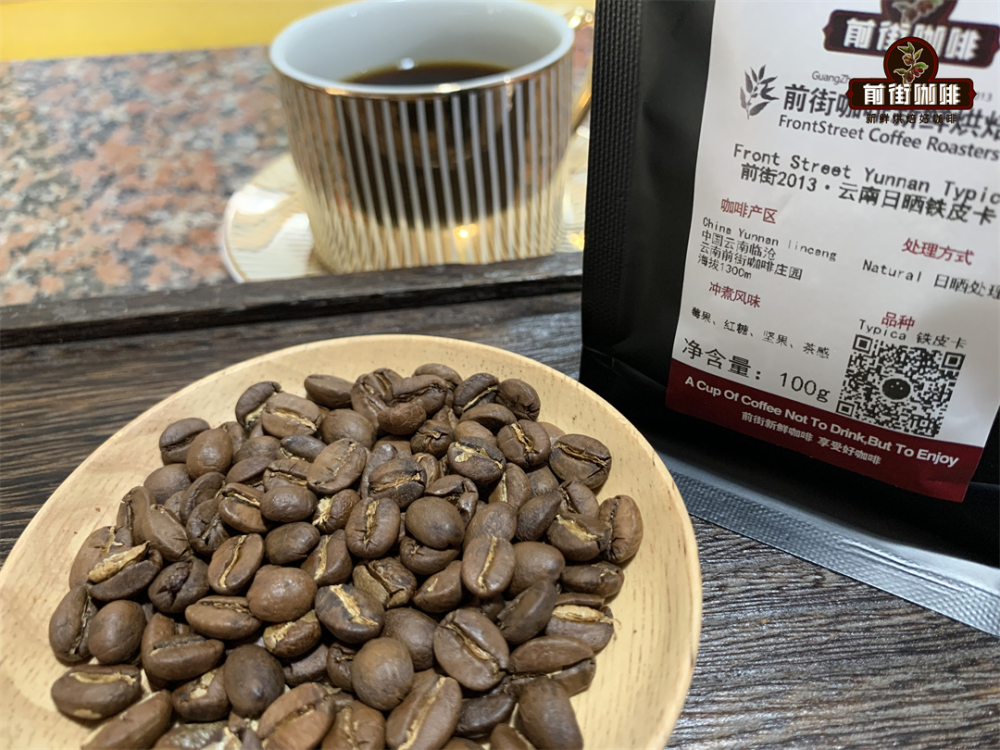
In the pristine forest areas near the Myanmar border in Lincang, some modern coffee plantations are also dedicated to revival and innovation. For example, since 2013, certain plantations have chosen to cultivate traditional Typica varieties. After years of careful cultivation, the coffee beans produced exhibit a brown sugar sweetness, chocolate texture, and clear flavor profile, successfully changing many people's preconceptions about Yunnan coffee and proving that the region can also grow high-quality Arabica coffee.
Currently, the main commercial coffee varieties in Yunnan include Catimor, Typica, and Bourbon, with Catimor occupying the largest cultivation area due to its strong disease resistance and stable yield. Overall, Yunnan coffee often features rich aromas, nutty and caramel notes, occasionally accompanied by a slight woody background, which is closely related to the genetic makeup of the Catimor variety.
Yunnan Typica Coffee
Typica is regarded as the veteran variety of Yunnan coffee. It was first successfully trial-planted by French missionary Father Terruel in 1904 in Zhukula Village, Binchuan County, and is known as small-bean coffee. Domestically, it is also commonly referred to as "Yunnan small-bean coffee." This variety was introduced to Puliang and Luoming areas by Mr. Liang Jinshan in the 1930s and was widely promoted in the Ludian area starting in 1952, with nearly sixty years of planting history. A certain coffee brand’s Typica planted in Lincang in 2013 demonstrated highly representative flavor characteristics and is an essential case study for understanding this variety.
Yunnan Catimor Coffee
The Catimor variety was born in 1959, created by Portuguese breeders who crossed Brazil’s Caturra (a mutation of Bourbon) with Timor (which has Robusta lineage), resulting in a variety that combines disease resistance and high yield. Due to the global threat of coffee leaf rust, this variety has been widely planted internationally. In 1992, Nestlé established a coffee agriculture department in Yunnan, introducing Catimor and purchasing it at market prices, significantly boosting its prevalence. However, Catimor contains approximately 25% Robusta lineage, which makes its flavor profile relatively simple, often exhibiting noticeable bitterness, astringency, and even occasional mustiness—its main challenges.
Yunnan Bourbon Coffee
Bourbon is a natural mutation of Typica, originating from the Yemeni Mocha round-seed variety. It was introduced to the French territory of Bourbon Island (now Réunion Island) in 1708 and later spread globally. Compared to Typica, Bourbon offers richer aroma and flavor, thrives at altitudes between 1200 and 2000 meters, but is more sensitive to pests, diseases, strong winds, and heavy rain. In 1952, the Yunnan Academy of Agricultural Sciences distributed seeds including both Typica and Bourbon to farmers in Ludian Dam, Baoshan, laying the foundation for the subsequent coffee plantations along the Yunnan-Myanmar Highway. According to a 1981 survey, the proportion of Bourbon in the ancient tree group of Zhukula Village reached as high as 69%. Bourbon has green top young leaves, hence it is also called Green-Tipped Coffee. Its fruits mature slowly, the berries are small, and lateral branches bear fruit densely, yielding well but requiring meticulous management.
Yunnan Coffee Grading System
The international market generally grades coffee beans based on size, commonly using round-hole sieve tests, indicated by sieve numbers (such as 14/64 inch to 19/64 inch, where higher numbers mean larger particles passing through the sieve). Domestically, diameter-based grading is more common, with typical grades being above 6.5 mm (Grade 1), 6.0–6.4 mm (Grade 2), 5.3–5.9 mm (Grade 3), 5.0–5.4 mm (Grade 4), and below 5.0 mm (Grade 5). Some premium estate beans, such as a certain brand’s 2013 self-grown batch, meet Grade 1 standards, with particle sizes mostly between 17 and 18 mesh, ensuring uniformity and consistency in extraction.
Yunnan Coffee Growth Cycle
Arabica coffee typically enters the fruiting stage three to four years after planting. Taking some Typica plantations in Lincang as an example, planted in 2013, they were not harvested for the first time until 2019. Coffee is a short-day plant with multiple flowering characteristics. In Yunnan, the flowering period is concentrated from February to July, especially vigorous from March to May. Flowering is greatly affected by climate, particularly rainfall and temperature, lasting only 2 to 3 days, mostly blooming between 3 and 7 a.m. Fruit development is slow, generally taking 8 to 10 months to fully mature, with the main harvest period falling between October and December each year, during which rainfall and climate remain key variables.
Brewing Recommendations and Flavor Profile of Yunnan Coffee
Most Yunnan Arabica coffee is processed using the washed method, though some also experiment with natural processing to bring out different flavor layers. For washed beans, it is recommended to use a V60 filter cone, paired with medium-fine grind (such as 80% passing rate of a Chinese No. 20 sieve), with a coffee-to-water ratio of 1:15, and water temperature controlled between 88–89°C. Specific operation can follow a three-stage extraction: first, bloom with 30 grams of water for 30 seconds, then pour water with a small stream up to 125 grams for the first pour, wait for the water level to drop, then pour up to 225 grams, and finally remove the filter cone just before the coffee bed is about to be exposed, with a total extraction time of about 2 minutes. Under these parameters, it often highlights flavors of plum acidity, melon-like aromas, creamy body, and black tea finish, with a smooth and bright mouthfeel, and a lingering aftertaste of subtle tea notes and fruity acidity.
The above content is compiled by CoffeeHunters, a coffee news website.


