







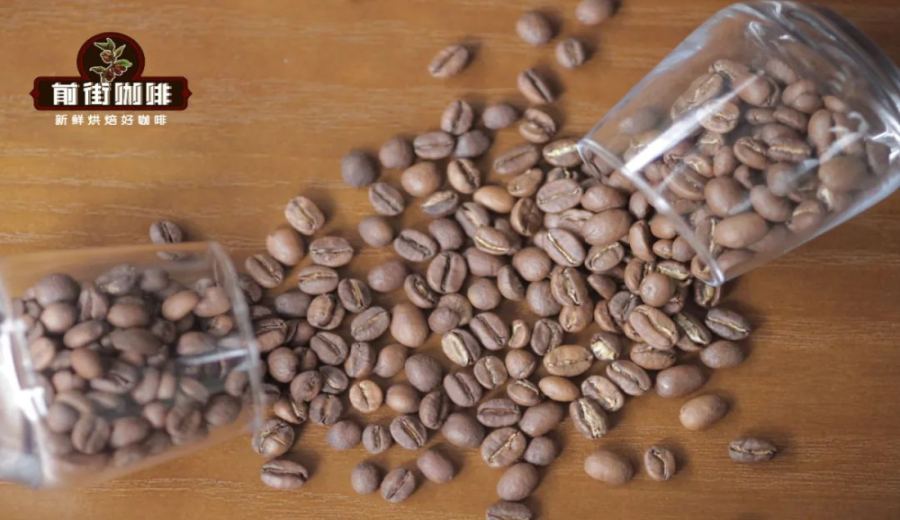
Introduction:As a star bean from Ethiopia’s classic producing region, Yirgacheffe is beloved by pour over enthusiasts for its bright acidity, floral and fruity aromas, and vibrant tea-like body. This article delves into the origins of its flavor profile—from washed processing techniques and medium-light roast characteristics to the complete home pour over process, including equipment selection, grind size, and water temperature settings. It also provides a detailed breakdown of the three-stage pouring method and timing control using 15 grams of coffee at a 1:15 coffee-to-water ratio, helping coffee beginners consistently brew a bright, layered cup.
Yirgacheffe is an entry-level specialty coffee for many beginners, with its delicate floral and fruity notes, citrus and lemon undertones, and a tea-like clarity that leaves a lasting impression. It’s not only ideal for pour over but can also shine through cold drip brewing, making it an excellent choice for experiencing the diverse flavors of coffee.
The unique flavor of this Ethiopian coffee is the result of a harmonious combination of origin conditions, varietal characteristics, processing evolution, roasting strategies, and pour over techniques. Among the popular Yirgacheffe beans, three well-known options—Gedechu Cooperative, Red Cherry, and Washed Daily Consumption—are all representative of medium-light roast profiles.
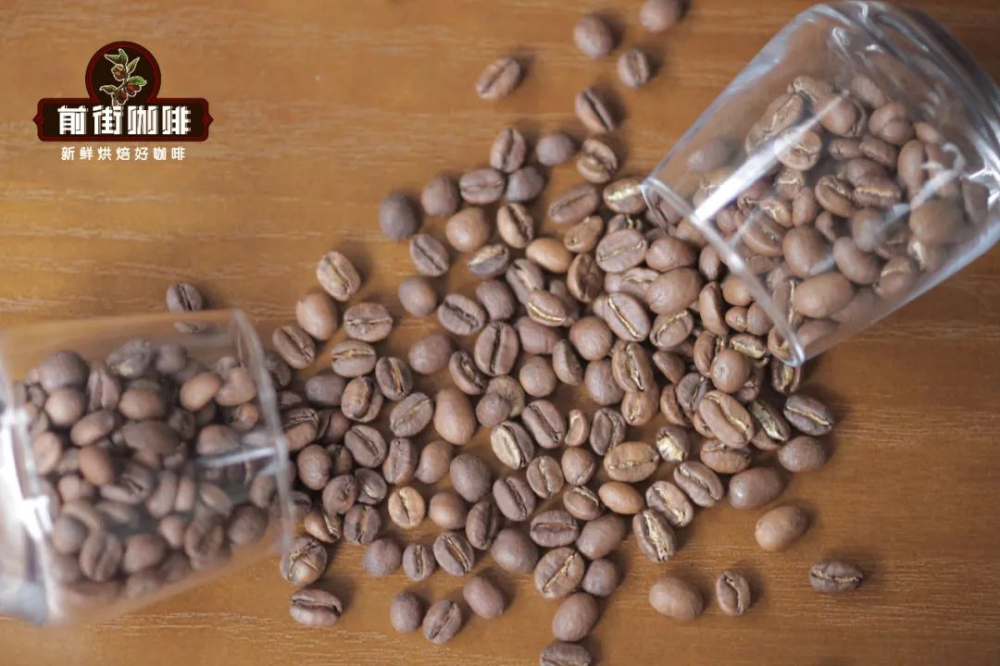
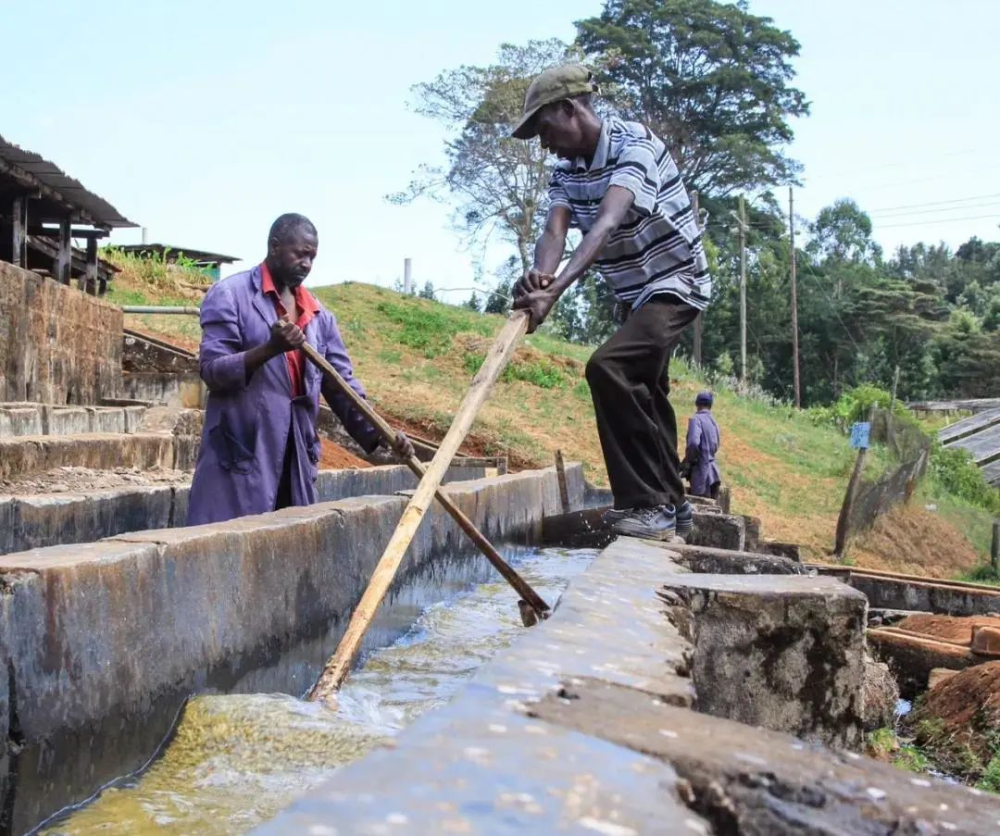
Traditionally, Ethiopia predominantly used the natural (sun-dried) processing method for green coffee beans. However, this method relies heavily on weather conditions, resulting in inconsistent quality and often including impurities or defective beans. Starting in 1972, the region introduced washed processing technology originating from Central and South America, which significantly improved the cleanliness and aroma of the coffee. Due to Yirgacheffe’s humid geographical environment, it is particularly well-suited for washed processing. Through multiple washing steps that remove floaters and underripe beans, the final flavor becomes purer, while also enhancing its citrus, berry, and floral notes.
In the past, the market was dominated by dark roasted coffees, emphasizing intense, bitter-sweet flavors like nuts and chocolate. However, Yirgacheffe beans are relatively small in size, and dark roasting can lead to uneven heating, which suppresses their elegant fruit acidity and delicate aromas. As a result, the industry has gradually shifted toward medium-light roasting. This not only successfully highlights vibrant acidity and fruity flavors but also aligns with modern consumers’ preference for clean, mildly sweet profiles, which has been a key factor in its global popularity.
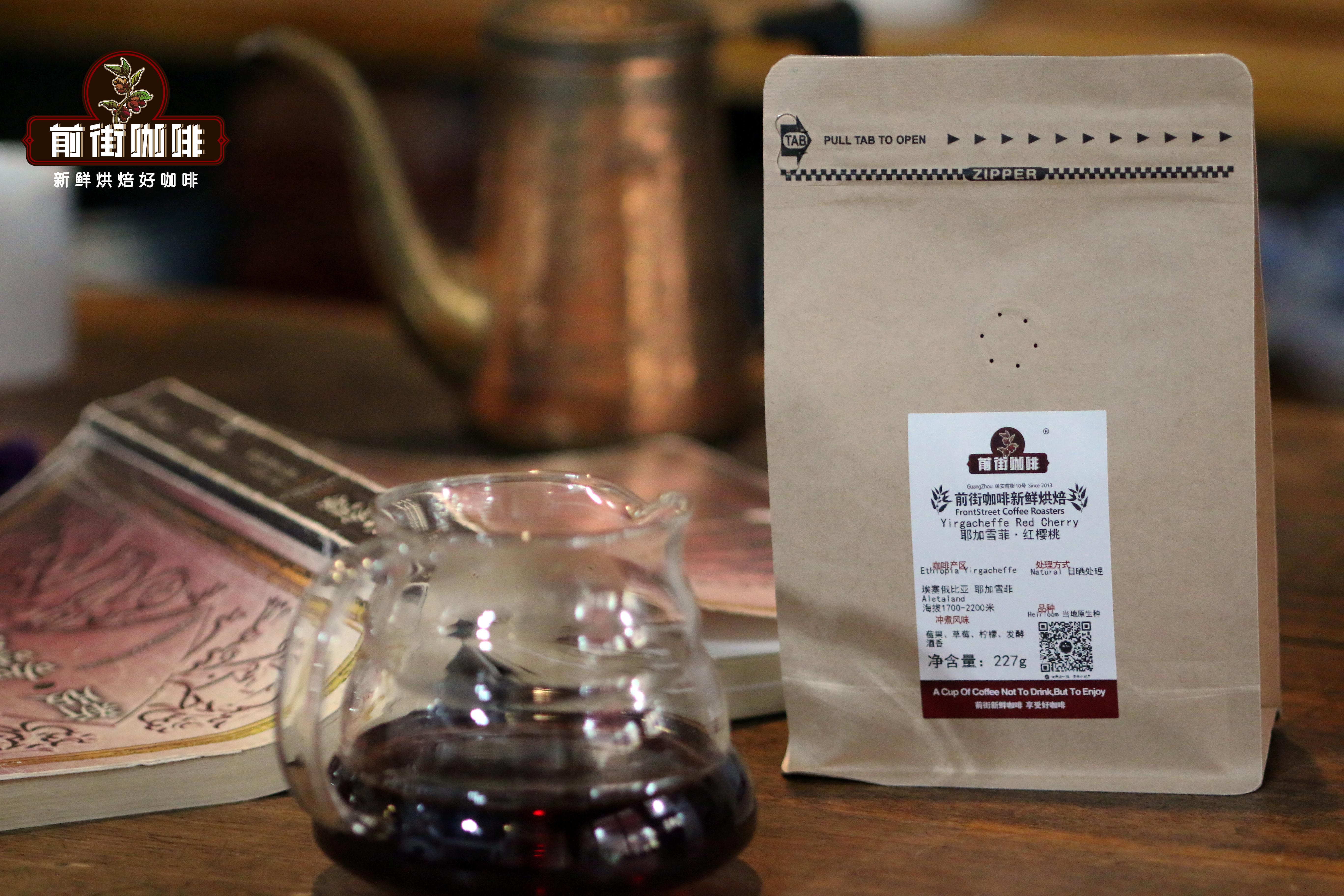
To brew high-quality Yirgacheffe at home, it’s recommended to prepare basic equipment in advance, including a pour over kettle, dripper, server, grinder, filter paper, digital scale, and thermometer. Among these, the choice of grinder is especially crucial—whether hand-cranked or electric, it must ensure uniform grinding. The coarseness of the coffee grounds directly affects extraction: too coarse may lead to under-extraction and flat flavors, while too fine can cause over-extraction and produce bitterness. A general recommendation is to refer to the Chinese No. 20 0.85mm standard sieve, with a target sieve passing rate of 75% to 80% for medium-light roasted beans. In practical terms, using the EK43s grinder at setting 10 corresponds to approximately an 80% sieve passing rate.
Water temperature is another critical factor influencing extraction. For medium-dark roasted beans, a range of 87–90°C is recommended to balance bitterness and sweetness. For medium-light roasted Yirgacheffe, it’s advised to increase the temperature to 91–93°C to fully activate its aroma and acidity. Additionally, different dripper designs can alter flow rate and extraction efficiency. For example, the Hario V60, with its central large hole and spiral ribs, accelerates water flow and extends contact time between coffee and water, making it well-suited for brewing high-altitude, delicately flavored medium-light roasted beans like Yirgacheffe.
In terms of hands-on pouring methods, common techniques on the market include single-pour (one-pour), three-stage, and four-six pour styles. For beginners, the three-stage pour is easier to master and offers balanced flavor. Using 15 grams of coffee and a 1:15 coffee-to-water ratio (total water volume 225ml) as an example, the three-stage pour suggests adding 30ml, 95ml, and 100ml respectively, corresponding to scale readings of 30g, 125g, and 225g.
The actual steps are as follows: First, fold the filter paper and place it in the dripper. Rinse the filter paper with a small amount of hot water to make it adhere to the dripper, then discard the rinse water. Next, add the coffee grounds into the dripper and gently tap to level the coffee bed. The first stage involves pouring 30 grams of water for the bloom, lasting about 30 seconds to help awaken the coffee grounds. The second stage involves steadily pouring up to 125 grams, ideally in a circular motion for even saturation. Once the water level drops halfway, proceed to the final stage by pouring up to 225 grams until dripping is complete, with the total extraction time around 2 minutes. Finally, remove the dripper, gently swirl the coffee in the server, and start enjoying your brew.
The charm of pour over lies in the ability to adjust various parameters and techniques based on personal taste preferences. From bean variety and roast level to grind size, water temperature, flow control, and pouring rhythm—each element influences the final flavor profile. This is one of the reasons why so many coffee enthusiasts are drawn to the world of pour over.

The above content is compiled by CoffeeHunters, a coffee news website.


