







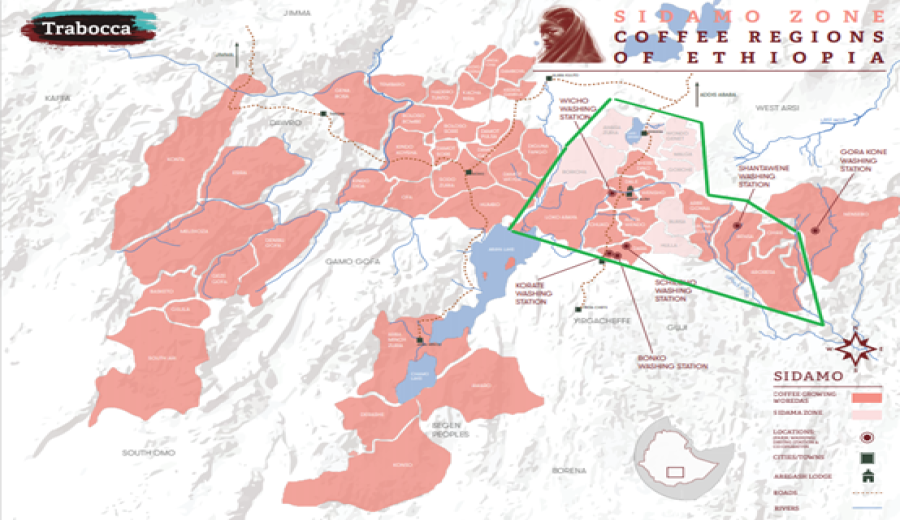
Introduction:Sidamo, as one of Ethiopia’s three registered coffee-growing regions, is renowned for producing specialty coffees with rich fruity aromas and nuanced flavor profiles, thanks to its unique microclimates. The 2024 harvest of Huila 8.0 continues the intense tropical fruit character that has drawn considerable attention. This article delves into the backgrounds of the Sidamo and Guji regions, the natural sun-dried processing method, the flavor differences between two representative beans (Alsie and Huila 8.0), and offers practical pour over brewing parameters to help you explore the diverse charms of Ethiopian coffee.
Located in southern Ethiopia, Sidamo sits on the plateau along the shores of Lake Awasa in the East African Rift Valley and is one of the world’s most celebrated specialty coffee origins. It is not only one of Ethiopia’s three trademark-registered coffee regions but also widely praised for its bold flavors, rich body, and bright acidity. The region’s elevation generally ranges between 1,500 and 2,200 meters, featuring significant diurnal temperature variations and fertile soils — ideal conditions for cultivating high-quality coffee. About 60% of the coffee here is processed using the washed method, yielding delicate floral and citrus notes, while natural sun-dried beans exhibit intense fruity and juicy characteristics.
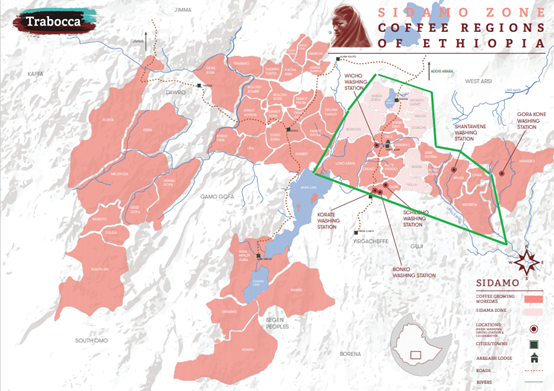
The geography and climate of Sidamo contribute to the diverse flavor expressions of its coffee. The region has only one main harvest season per year, concentrated between September and December. The red coffee cherries are harvested and begin exporting from November to December. Traditionally, local farmers rely on manual care for coffee trees, avoiding chemical pesticides and herbicides, and instead applying organic fertilizers such as fallen leaves, dried grass, and animal manure. As a result, the area is recognized as one of the few pollution-free, green organic coffee regions in the world. Notably, this region also produces some of the highest-altitude coffee in Ethiopia.
Ethiopia has numerous coffee-growing regions, which can be broadly divided into eight major zones: Limu, Yirgacheffe, Sidamo, Guji, Harrar, Djimmah, Lekempti, and Bale. Among these, Sidamo and Guji are must-try choices for specialty coffee enthusiasts. Originally part of Sidamo, Guji became a separate region due to its remote location, later development, and distinctive coffee flavor profile. Guji is located within the Guji Zone of the Oromia Region, with an average altitude exceeding 1,800 meters. Its fertile black soils and diverse microclimates provide excellent growing conditions for coffee.
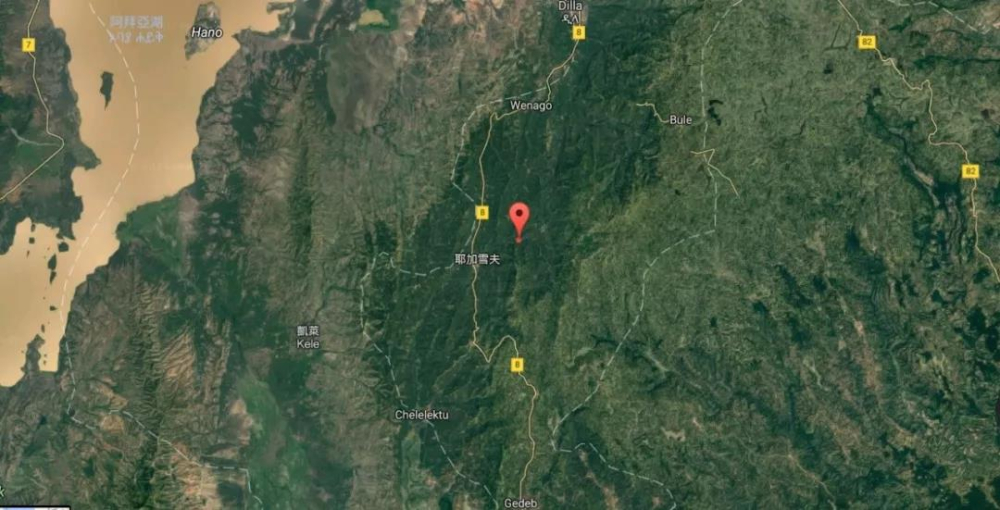
Huila coffee beans originate from the Guji zone under the Sidamo region in Ethiopia, more precisely from the Hambella Kebele within the Shakisso Woreda. Although Guji is a sub-region of Guji, it gained fame primarily because of the Huila series. The Huila beans mainly come from the Buku washing station, situated at an altitude of about 2,200 meters in Buku Abel village. Local farmers pay close attention to detail, deliberately planting shade trees during cultivation to balance sunlight exposure, allowing the coffee cherries to concentrate more essence.
Going back to 2017, a natural lot from the Buku Abel washing station under Ethiopia’s DW company won the championship at the TOH (Taste of Harvest) competition with its intense strawberry and creamy aroma. In the same year, Chinese barista Li Jianfei used “Huila” to defeat Geisha in a brewing competition and claimed national second place, instantly propelling this coffee bean from Hambella to fame. Since then, the Huila series has continued to release new editions, named sequentially by year: 2.0 in 2018, 3.0 in 2019, 5.0 in 2021, 6.0 in 2022, 7.0 in 2023, and the latest 2024 harvest, Huila 8.0.
Huila 8.0 showcases pronounced floral notes, jackfruit, dried fruits, and apricot-like tropical fruit characteristics, accompanied by a prominent fermented sweetness and a juicy mouthfeel. Another natural sun-dried bean from Sidamo, the Alsie, leads with berry and honey aromas, offering a jammy sweetness on the palate, with a finish of nectarine and plum flavors that become even more refreshing in the cup as it cools. Both beans are processed using the natural method, yet their flavor profiles differ significantly: the former leans toward intense tropical fruitiness, while the latter presents a softer, juicier berry sweetness.
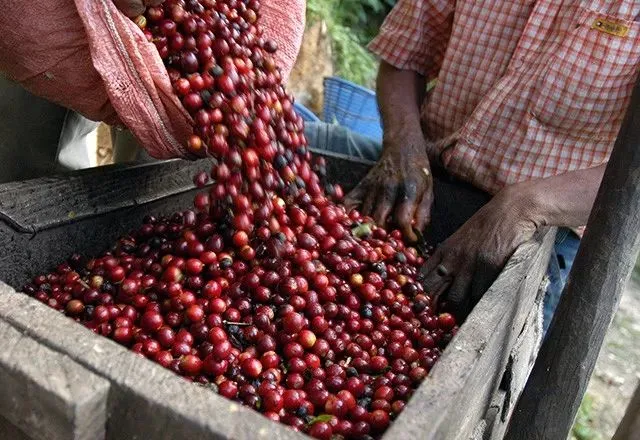
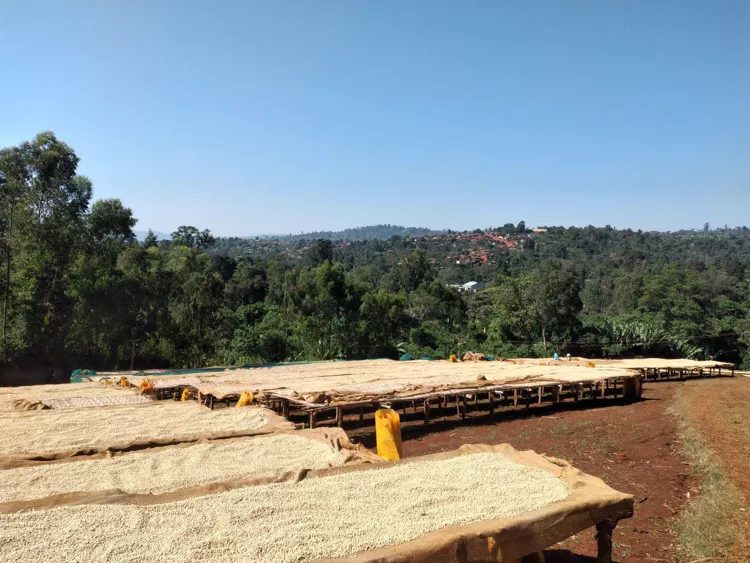
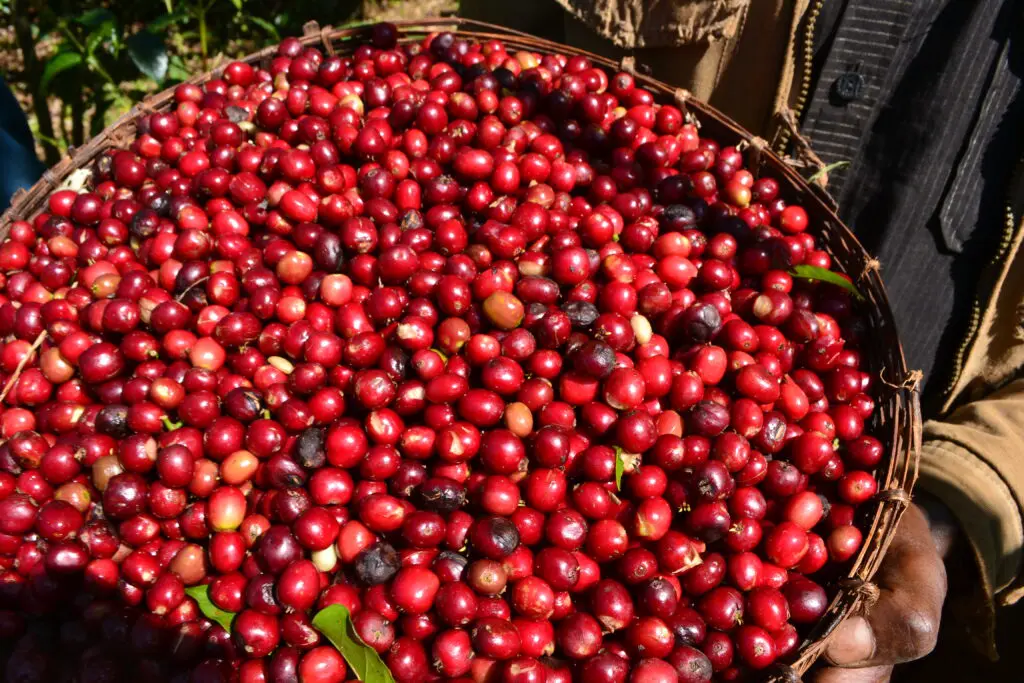
Coffee beans from the Sidamo region are predominantly processed using the natural sun-dried method, and the two beans featured here are no exception. The main harvesting period is from December to January. The Buku washing station selects only fully red cherries and ensures the sugar content reaches above 30. The coffee cherries are manually spread on African beds, shaded at noon to avoid over-fermentation, and covered at night to protect against rain. The entire drying process takes about 18 days until the moisture content of the green beans drops to 13%, after which they are packaged. This processing method imparts richer aromas, sweetness, and fermentation complexity to the coffee, highlighting fruity characteristics more than the washed method.
Ethiopia boasts a rich coffee gene pool, with a wide variety of native coffee varieties that are difficult to classify. The government collectively refers to them as Heirloom. These beans vary in size but often carry distinctive floral and fruity aromas. Recommended brewing parameters are as follows: use a V60 dripper, water temperature at 90°C, coffee-to-water ratio of 1:15, with 15g of coffee grounds. Grind size is set to 80% passing through a Chinese No. 20 sieve (approximately medium-fine). Employ a multi-pour method: start with a 30-second bloom using 30g of water to release CO₂, then pour in small streams to reach 125g, followed by pouring up to 225g before stopping. The total brew time is around 2 minutes. These parameters are suitable for light roasts and can fully highlight their delicate flavor nuances.
The flavor profiles of the two beans each have their highlights: the natural Alsie opens with berry and honey aromas, delivering a distinct jammy sweetness on the palate, with a finish of nectarine and plum that becomes more refreshing and juice-like as it cools; Huila 8.0 exhibits intense floral and fruity notes, including berries, passion fruit, strawberry, and oolong tea tones, with a prominent fermented sweetness. The flavor is bold and layered. In terms of fruit sweetness and juiciness, the Alsie edges out slightly, especially with its unforgettable jammy and honey notes at medium to high temperatures; Huila 8.0 excels in tropical fruit character, with a delightful interplay of acidity and sweetness, a more pronounced fermentation sensation, almost like being in a tropical fruit orchard.
Regarding coffee storage and brewing, freshness is crucial. It is recommended to enjoy the coffee beans within 5 days of roasting, with an ideal resting (degassing) period of about 4 to 7 days when the flavors are at their best. If grinding is needed, it is advised to use the beans immediately upon receipt. Though there’s no need for additional resting time, ground coffee oxidizes quickly, so brewing as soon as possible helps preserve the flavors. Overall, the natural beans from the Sidamo and Guji regions not only showcase the diversity of Ethiopian coffee but also offer pour over enthusiasts a rich and varied tasting experience. Whether you’re pursuing juicy mouthfeel or tropical fruitiness, you’ll find something to love here.
The above content is compiled by CoffeeHunters, a coffee news website.


