







Introduction:Many pour over enthusiasts often encounter issues such as overly fast water flow and excessively short extraction times when brewing anaerobic process beans, resulting in insufficient flavor extraction. This article delves into how the loose texture and high gas exchange characteristics of anaerobic beans affect flow rate, and through data on 20-mesh sieve passing rates, reveals the relationship between grind settings and actual particle size. Practical grind adjustment suggestions and pouring techniques are provided to help you precisely control extraction and perfectly showcase the rich fruitiness and layered complexity of anaerobic beans.
During the pour over process, anaerobic processed coffee beans often bring unexpected challenges. Many coffee lovers find that when using the same grind size to brew anaerobic beans, the water flows through noticeably faster than with regular washed or natural beans—sometimes the extraction time is even less than a minute and a half, far below the ideal duration of around two minutes. This phenomenon raises the question: is it due to the inherent characteristics of anaerobic beans, or does the grind setting need adjustment?
If you frequently use a hand grinder, you’ll likely notice a clear difference: grinding regular light-roasted washed or natural beans usually requires more effort, whereas grinding anaerobic beans of similar roast levels feels noticeably smoother. This relates to the physical properties of anaerobic beans—their texture is looser and more brittle, not only absorbing water quickly but also exhibiting particularly active degassing.
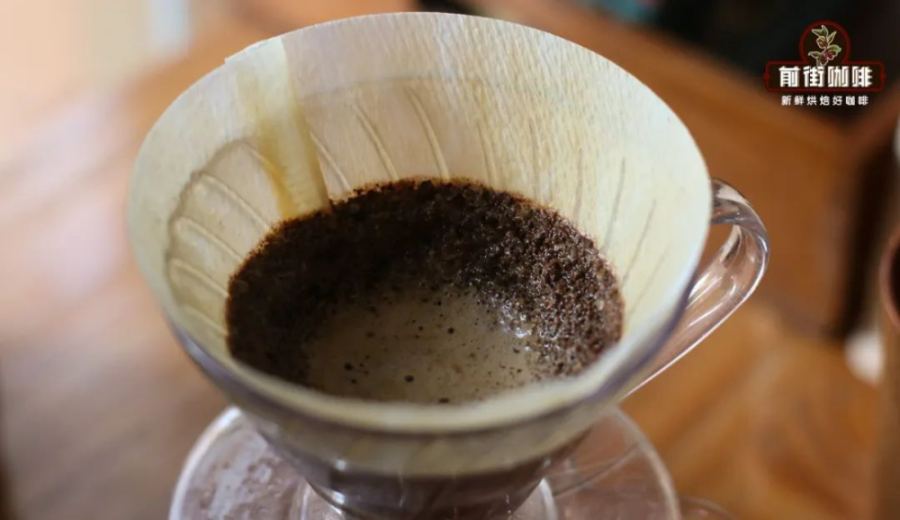
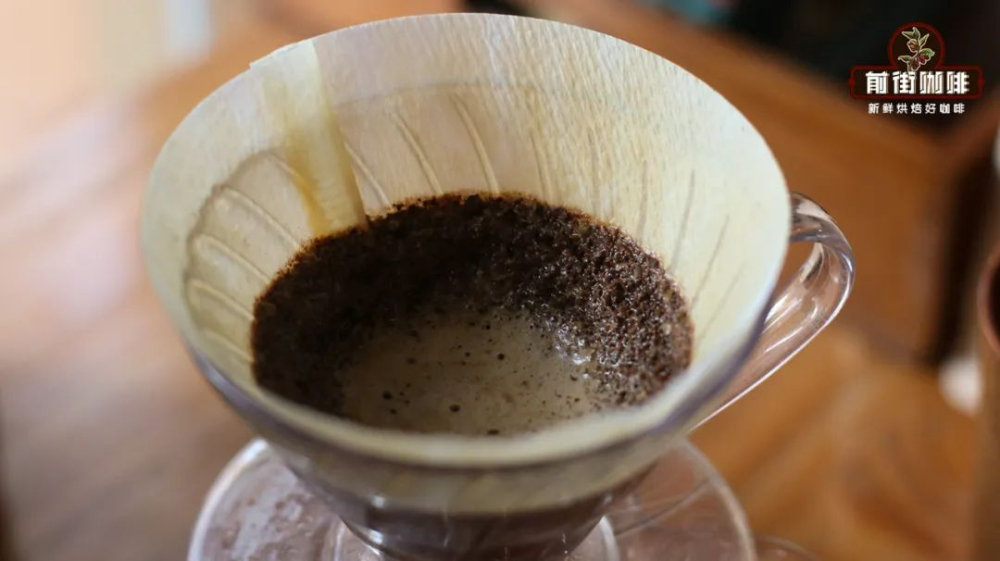
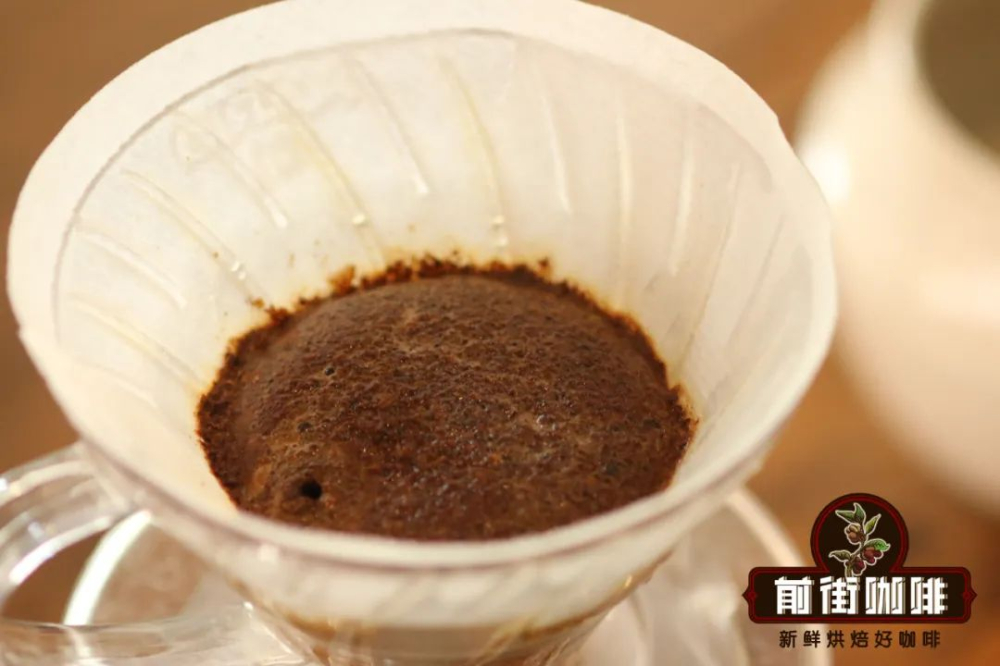
Due to their loose texture, anaerobic beans tend to rapidly expand during the bloom phase, forming a plump “hamburger”-shaped coffee bed. Additionally, their smooth gas release and lower puck density lead to more foam during brewing, causing the coffee grounds to float and cling to the inner walls of the filter during the initial pouring, thereby weakening the bed’s water resistance. This results in overly smooth water flow, with almost no clogging or water pooling.
However, when you notice that the water flows through anaerobic beans unusually quickly—for example, while other beans typically take two minutes to complete extraction, anaerobic beans finish in under a minute and a half—it indicates that the flow rate is significantly too fast, which may compromise the completeness of flavor extraction. The issue often lies in the choice of grind size.
Many coffee enthusiasts, when setting grind settings, tend to categorize by roast level into light, medium, and dark, and place anaerobic beans in the light roast category, using the same grind setting as regular light-roasted beans. But in reality, even with the same setting, anaerobic beans often yield coarser particles than typical light-roasted beans. One coffee shop tested this using an EK-43s grinder at setting 10: they ground washed beans from Africa, the Americas, and Asia, and the 20-mesh sieve passing rates all fell within the 80% (±2%) range; yet at the same setting, grinding anaerobic beans resulted in a passing rate of only 73% to 75%, proving that the particles are coarser, naturally leading to faster water flow.
To achieve extraction conditions similar to those of regular light-roasted beans—that is, a 20-mesh sieve passing rate of around 80%—the grinder setting should be adjusted finer, to between 9.2 and 9.5. Therefore, if you find that the flow rate is too fast when brewing anaerobic beans, you should consider adjusting the grinder to a finer setting, rather than relying solely on roast level to determine a fixed grind size.
It’s worth noting that common advice such as “anaerobic beans require a finer grind” is more accurately phrased as: the grinder setting should be adjusted so that the actual particle coarseness matches that of regular washed or natural light-roasted beans. Only then can extraction be uniform, fully unlocking the unique floral and fruity aromas and layered acidity brought by the anaerobic process.
Additionally, if you wish to further extend the extraction time, adjusting your pouring technique can also help. It’s recommended to reduce the water flow slightly during pouring to avoid excessive agitation of the coffee bed, which can cause it to expand too much and negatively impact water resistance. This method not only improves flow rate but also contributes to a richer and more full-bodied flavor, fully showcasing the delicate complexity of anaerobic beans.
The above content is compiled by CoffeeHunters, a coffee news website.


