







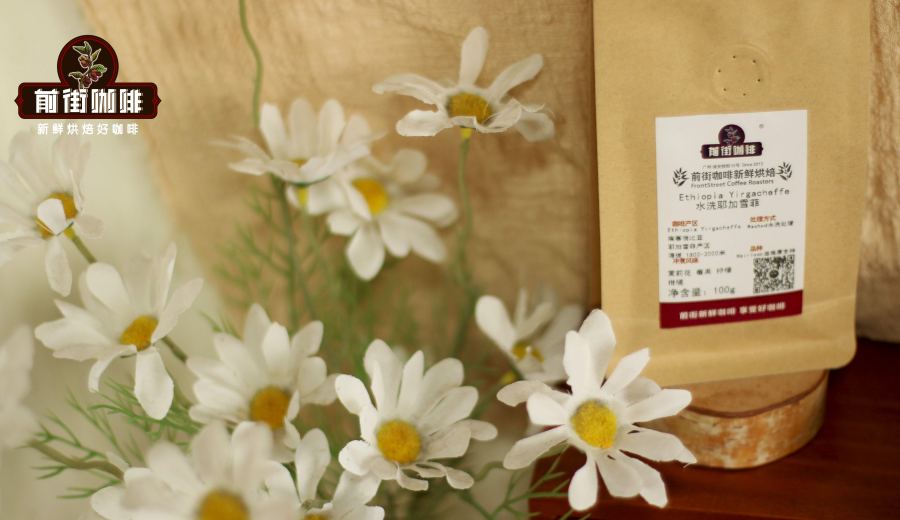
Introduction:Yirgacheffe has carved out a niche in the coffee world with its distinctive bright acidity and floral-fruit aromas. But did you know that its flavor profile is closely tied to the region’s microclimate, soil composition, and grading system? This article not only delves into the origins of Yirgacheffe’s flavors but also uses a sun-dried Red Cherry SOE—ideal for espresso—as an example to detail the full steps and recommended parameters, from extraction to Americano and latte, helping you easily master the application techniques of this uniquely flavorful coffee bean.
When it comes to coffee, many people immediately think of a strong, bitter taste. However, Yirgacheffe from Ethiopia defies this stereotype. With its refreshing brightness and delicate floral-fruit notes, this coffee bean has become a top choice for both novice and experienced coffee enthusiasts. What creates such a unique flavor profile? The answer lies in its high-altitude microclimate, phosphate-rich soil, and the Ethiopian Commodity Exchange (ECX)’s classification method based on flavor characteristics.
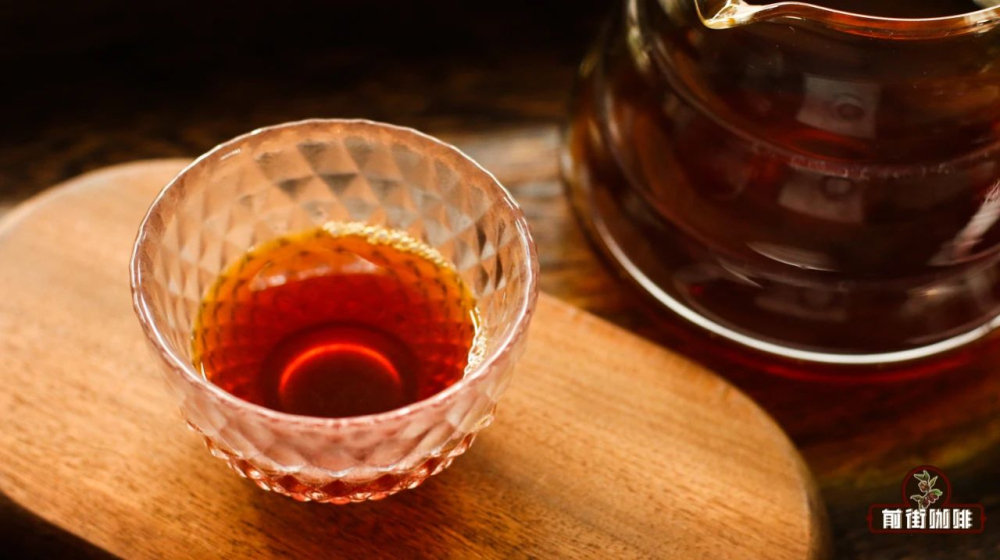
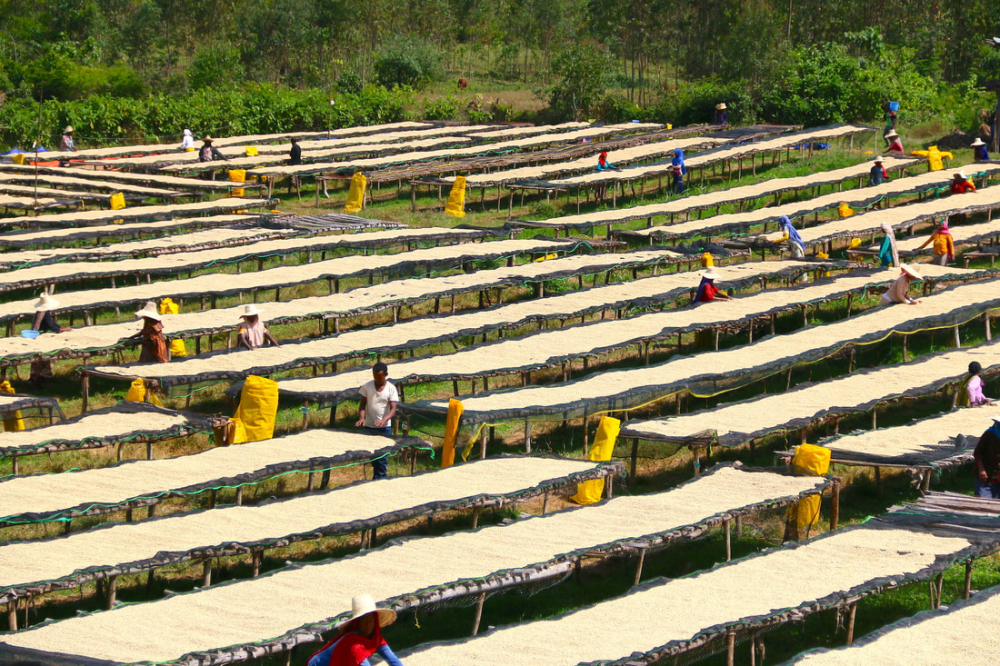
Located in Ethiopia’s high-altitude regions, Yirgacheffe experiences significant day-night temperature variations and a unique geographical environment, fostering diverse microclimates. These conditions not only influence the growth rhythm of the coffee but also directly reflect in its flavor profile. Through multiple cupping observations, this coffee typically exhibits clear floral notes paired with a bright citrus-like acidity, offering a refreshing and pleasant taste akin to lemon tea, with almost none of the charred bitterness commonly found in traditional dark roasts.
The reason newer generations of consumers are particularly drawn to Yirgacheffe is not only its light and easy-drinking profile but also because it breaks the conventional notion that “coffee must be bitter,” delivering a refreshing taste experience. This contrast has helped Yirgacheffe quickly establish a highly recognizable brand image in the market.
As Yirgacheffe’s popularity has risen, the ECX has adjusted its classification logic. Instead of naming beans solely by origin, it now categorizes them based on the flavor characteristics revealed during cupping. In other words, as long as cuppers determine that a bean exhibits typical Yirgacheffe flavors, it can be classified under this category—even if it’s grown elsewhere in Ethiopia. While this classification method increases diversity, it also offers consumers more flexibility and room for exploration when selecting beans.
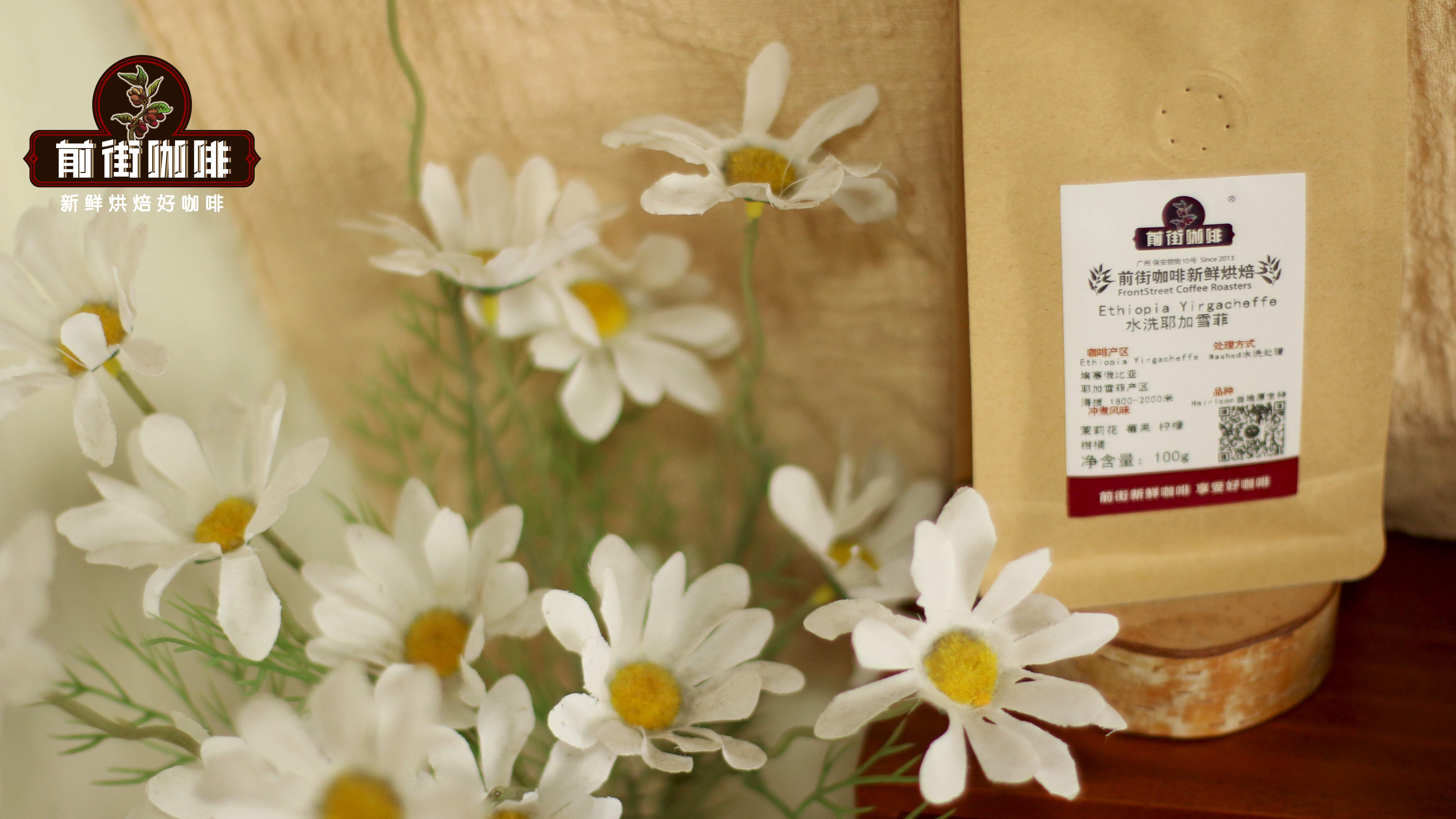
For coffee enthusiasts new to Yirgacheffe, it’s recommended to start with a well-known shop’s washed Yirgacheffe. It’s affordably priced and showcases the classic characteristics of the region. For those with more tasting experience, advanced options like the washed Gedi Cooperative G1 or sun-dried Red Cherry G1 are worth trying. These beans are ideal for preparation methods like pour over or cold brew, allowing their richly layered flavors to shine through.
If you want to further explore Yirgacheffe’s potential as an espresso coffee, consider the sun-dried Red Cherry SOE, specifically designed for espresso needs. Below, we’ll use this coffee bean as an example to explain how to extract a juicy Yirgacheffe Americano and latte.
The recommended coffee-to-water ratio for making a Yirgacheffe SOE Americano is 1:2—that is, using 20 grams of coffee grounds to extract about 40 grams of espresso, with an extraction time controlled between 25 to 30 seconds. After extraction, dilute it with 160 grams of hot water at a 1:4 ratio to create a well-balanced Americano. If you prefer it iced, replace the hot water with 100 grams of ice cubes and 120 milliliters of room-temperature water for a crisper, more refreshing iced Americano.
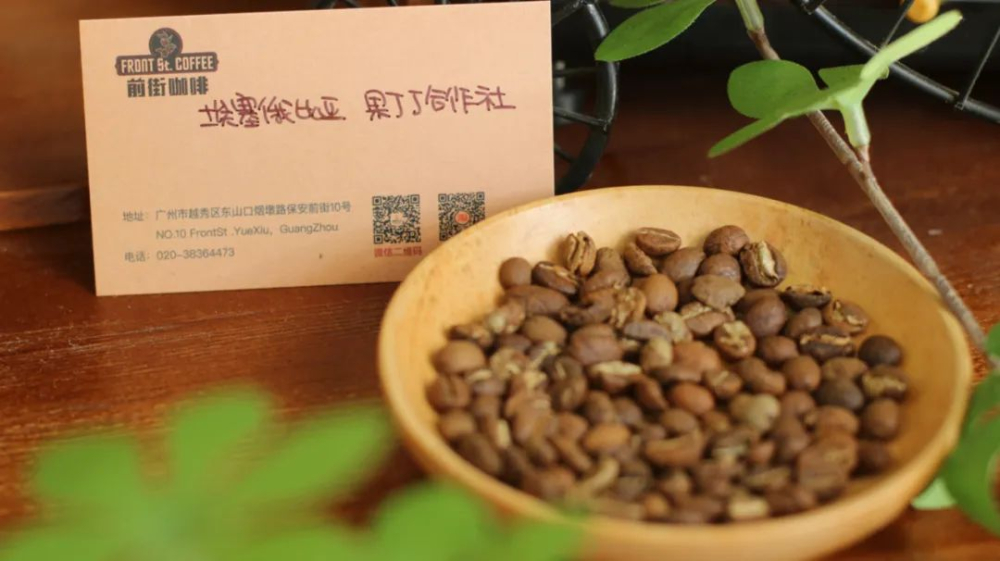
When the sun-dried Red Cherry SOE is extracted in espresso form, its flavors primarily showcase a berry-like sweet-tart profile. The acidity is gentle and non-abrasive, with a subtle caramel note in the aftertaste. These characteristics make it smoother and more layered when transformed into an Americano. When combined with milk to make a latte, its mild acidity isn’t overshadowed by the milk’s richness. Instead, it enhances the sweetness of the milk and leaves a honey-like, lingering aftertaste.
The above content is compiled by CoffeeHunters, a coffee news website.


