








Introduction:For beginners in the world of coffee, choosing a cost-effective and flavorful everyday bean is an ideal starting point for exploring the diverse world of coffee. This article selects eight classic coffee beans from different origins, providing an in-depth look at their regional backgrounds, variety characteristics, and recommended brewing methods. It also delves into the selection logic for espresso beans and offers practical blend suggestions to help readers find the coffee that best suits their taste.
Many newcomers to coffee often wonder: what is an everyday bean? Why is it called that? In fact, an everyday bean refers to a coffee bean that is affordable, comes in a manageable quantity, and is suitable for daily drinking while still allowing you to experience flavors from various regions. For beginners, it satisfies the desire to try something new without putting too much pressure on the budget or storage. This article will guide readers through eight classic everyday beans sourced from renowned coffee-producing regions around the world, including Ethiopia, Colombia, Costa Rica, Guatemala, Yunnan (China), Indonesia, and Brazil. Detailed brewing suggestions and flavor profiles are provided to help you easily discover your own coffee preferences.
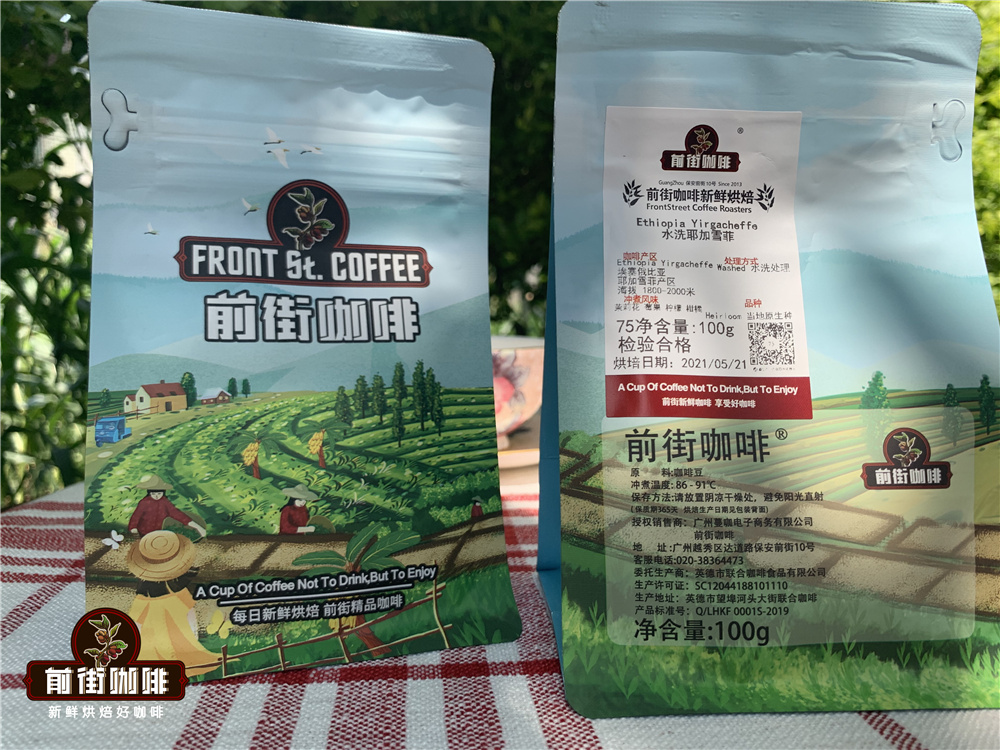
First, let’s take a look at theWashed Yirgacheffe Everyday Beanfrom Ethiopia. Grown at an altitude of approximately 1800-2000 meters in the Yirgacheffe region, this coffee is made from local native varieties and processed using the washed method. The beans are small and round. Thanks to the cool climate and moderate humidity of the region, it boasts distinct citrus and floral notes, particularly known for its lemon acidity and tea-like body. It is recommended to brew with water at 91°C, using a medium-coarse grind and a 1:15 coffee-to-water ratio, which highlights its refreshing flavors of jasmine, lemon, and berries (Image location: )..
Next is theColombia Huila Everyday Beanfrom the Huila region of Colombia, grown at an altitude of 1500-1800 meters with the Caturra variety, also processed using the washed method. These coffee beans are plump and uniformly sized, featuring gentle fruit acidity along with pronounced notes of nuts, dark chocolate, and caramel. It is recommended to brew at 90°C with a medium-coarse grind and a 1:15 ratio, making it suitable for those who prefer a smooth and mellow cup.
The Costa Rica Tarrazú Everyday Beancomes from the renowned Tarrazú coffee-growing region in Central America, grown at an altitude of about 1500 meters. The main varieties are Caturra and Catuai, also processed via the washed method. This coffee is known for its balanced flavor, rich chocolate notes, and smooth mouthfeel, making it ideal for those who appreciate consistency. Recommended brewing parameters include a water temperature of 90-91°C, a medium-coarse grind, and a 1:15 ratio, bringing out layers of sweet orange, honey, toffee, and nuts.
The Everyday Bean from theHuehuetenango region of Guatemalashowcases the bold characteristics of Central American coffee. Grown at an altitude of 1500-2000 meters with varieties including Bourbon, Caturra, and Catuai, the washed process gives it a clean acidity and clear flavor layers. This coffee features complex notes of nuts, lemon peel, berries, and citrus. It is recommended to brew at 90°C with a grind size that allows 80% of the particles to pass through a #20 sieve, fully highlighting its tropical character (Image location: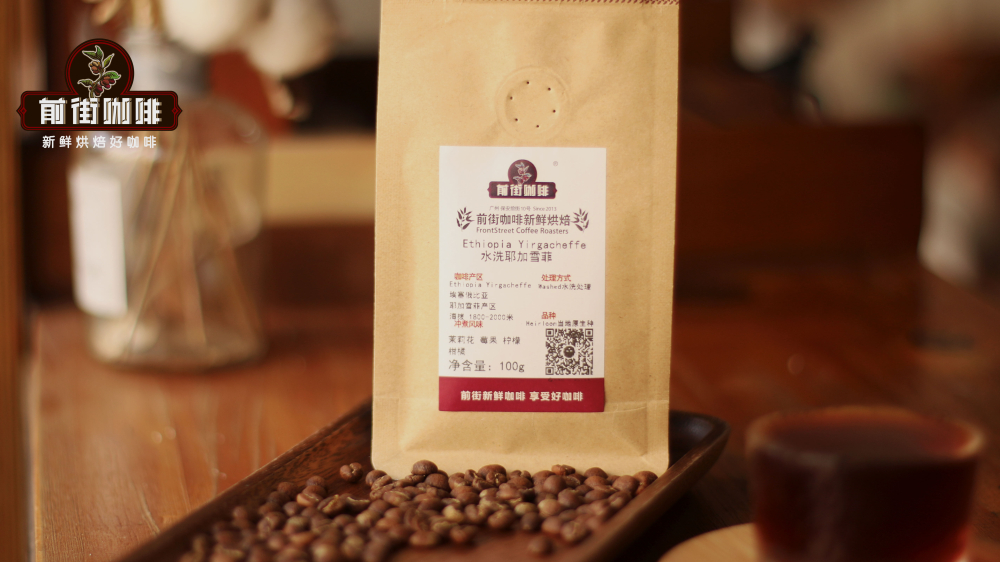 )..
TheYunnan Small Bean Everyday Beanfrom Baoshan, Yunnan, China, uses the Catimor variety and is grown at an altitude of 1200 meters. As a medium-to-low altitude washed coffee, despite its lower elevation, it still delivers respectable flavor, often exhibiting notes of melon sweetness, muskmelon, brown sugar, and plum acidity. It is suitable for those who enjoy soft fruity notes and black tea-like profiles. Recommended brewing parameters are 88°C water temperature, medium-coarse grind, and a 1:15 ratio.
Another classic is theMandheling Everyday Beanfrom the Lin Tong region of Sumatra, Indonesia, made from the local Ateng variety and processed using the wet-hulled (Giling Basah) method, which gives it a rich and full-bodied mouthfeel. Grown at an altitude of 750-1500 meters, this coffee is known for its flavors of toasted bread, nuts, caramel, pine, and herbal notes, making it especially appealing to those who enjoy deep, bold flavors and a heavy body. Recommended brewing parameters include a water temperature of 87°C, a medium-coarse grind, and a 1:15 ratio (Image location: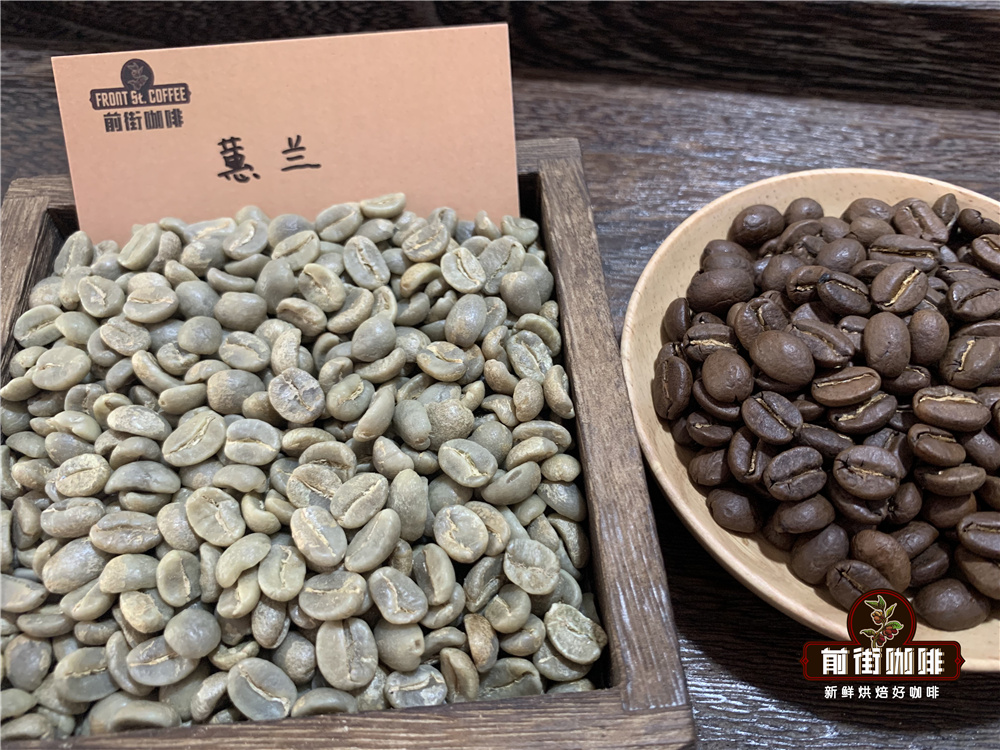
As for theBrazil Everyday Beanfrom the Cerrado region of Brazil, it uses the Red Bourbon variety and is processed using the honey (pulped natural) method, showcasing typical South American flavors. Grown at an altitude of 1000 meters, this coffee has a mild and smooth profile with prominent notes of nuts, chocolate, cream, peanuts, and caramel. It is well-suited as a base for milk-based coffee or for those who prefer a gentle and mellow cup. Brewing recommendations include a water temperature of 89°C, a medium-coarse grind, and a 1:15 ratio (Image location: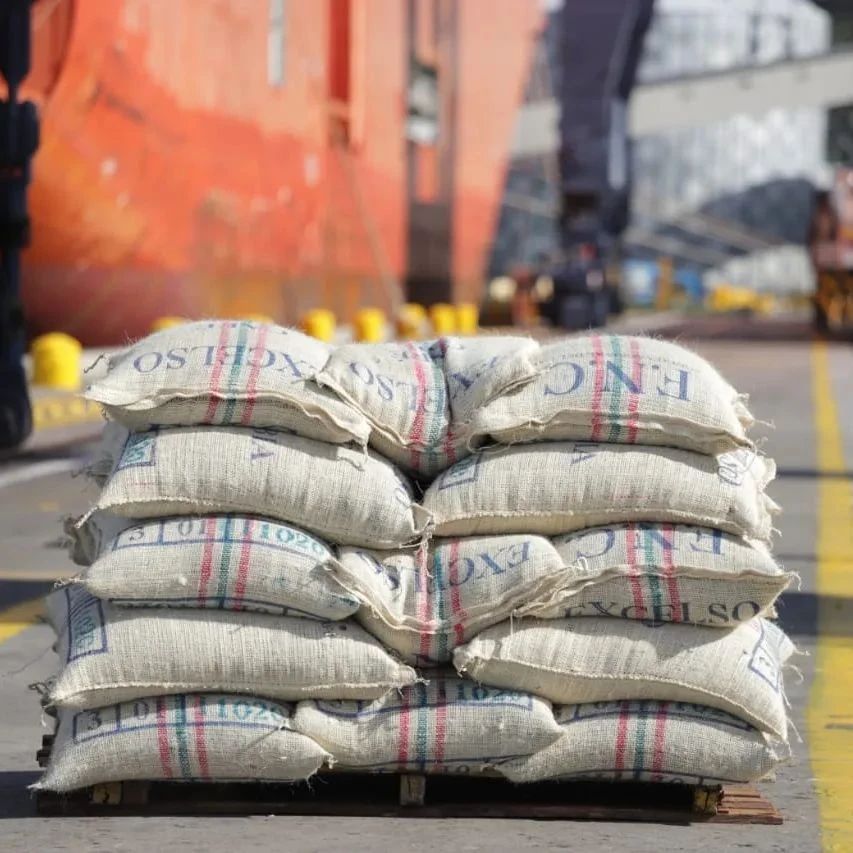 )..
After getting to know these eight classic everyday beans, let’s further explore the key points in selecting espresso beans. Espresso requires a rich, balanced cup with a good crema, so choosing beans that are medium to dark roasted, freshly roasted, and low in acidity is essential. Generally, extracting 38 grams of coffee with 19 grams of coffee grounds, using appropriate grind size and water temperature, can yield a great crema and mouthfeel. For daily milk-based coffee needs, blends primarily based on Brazilian and Colombian Arabica beans are recommended. If you want to add more body and richness, you might also consider blends with a small amount of Robusta to enhance crema and intensity.
In summary, whether you’re a beginner in pour over or a coffee enthusiast searching for the perfect espresso beans, these eight everyday beans and the related suggestions provide practical guidance. By understanding each bean’s regional characteristics, processing methods, and optimal brewing parameters, you can more accurately choose the coffee that matches your taste and enjoy the pleasure of every brew.
The above content is compiled by CoffeeHunters, a coffee news website.


