







Introduction:Have you ever wondered how to choose between Mandheling and espresso? What are the key differences between single-origin beans and blends? This article delves into their brewing methods, flavor profiles, and suitable scenarios—from extraction principles and flavor characteristics to actual tasting experiences—to help you master bean selection and brewing techniques, and discover your own coffee preferences.
Many coffee enthusiasts, when first trying dark roasted coffee, often confuse the richly flavored Mandheling with espresso. However, these two actually differ significantly in origin, processing method, brewing technique, and flavor profile. Mandheling is a single-origin coffee from Sumatra, Indonesia, typically dark roasted, with herbal, spicy, and nutty aromas, while espresso usually uses blends and is extracted under high pressure to enhance body and intensity. This article will analyze their differences from multiple angles and provide practical information to help you make choices based on your taste preferences.
Espresso refers to concentrated coffee liquid extracted using a specialized espresso machine under high pressure with finely ground coffee. Generally, the standard coffee-to-water ratio is 1:2 to 1:3—for example, using 20 grams of coffee grounds, extracting with 90.5 to 96°C hot water at about 9 bar pressure for 20 to 30 seconds, yielding approximately 40 grams of coffee liquid. The resulting espresso has a strong, concentrated flavor, noticeable bitterness, but also unique sweetness and a crema layer. Due to its intense extraction, it is usually paired with milk to make variations like lattes and cappuccinos.

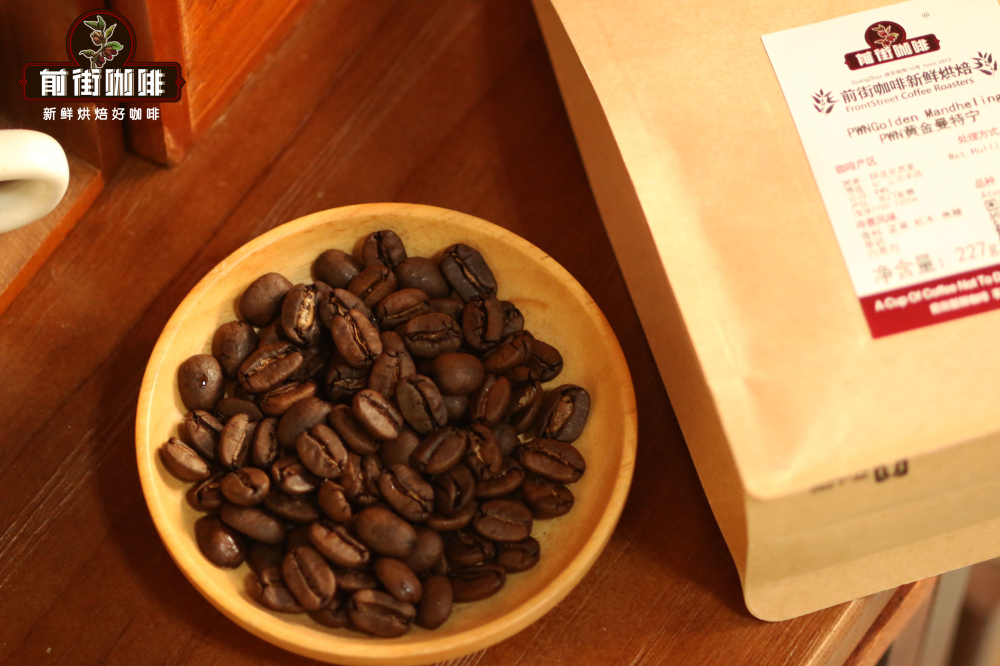
As for Mandheling, it is a single-origin coffee bean from the Sumatra region of Indonesia, often processed using the "wet-hulled" method, giving it a distinctive rich body and herbal aroma. Compared to typical single-origin beans, Mandheling’s flavor profile is heavier, with distinct notes of nuts, toast, and subtle spices upon entry, low acidity, but outstanding richness and aftertaste. These beans are usually best suited for dark roasting, which further highlights their intense aromatic characteristics.
Single-origin coffee refers to beans sourced from a single region or a single variety, emphasizing the unique flavors of their origin. Common brewing methods include pour over, French press, and siphon, which can showcase the terroir characteristics of different regions—such as fruity acidity, floral notes, and caramel sweetness. Mandheling is a type of single-origin coffee, and its distinctive regional flavor makes it a popular choice for many coffee lovers as an entry point into exploring dark roast profiles.
In contrast, most commercial espressos are not made from single-origin beans but rather blends. The purpose of blending is to combine beans from different regions to achieve balanced flavor and stable performance, especially in the face of annual climate variations that can affect regional flavor profiles. For example, many shops mix beans from Brazil, Central and South America, and Southeast Asia to create a rich base with moderate sweetness.

So, can single-origin beans be used to make espresso? The answer is yes, and such products are often called "Single Origin Espresso" (abbreviated as SOE). However, because the high-pressure extraction of espresso machines amplifies the distinctive flavor characteristics of single-origin beans—such as the pronounced fruit acidity of Ethiopian beans or the strong herbal notes of Mandheling—it may lead to an unbalanced overall flavor. Therefore, most professional shops still prefer to use carefully crafted blends to ensure stable extraction and harmonious taste.
The differences between Mandheling and espresso can be understood on three levels: first is the brewing method—espresso requires a high-pressure machine, while Mandheling can be brewed via pour over, French press, etc.; second is the coffee bean source—Mandheling is a single-origin bean that emphasizes regional and varietal characteristics, while espresso mostly uses blends to maintain flavor stability; third is the flavor expression—Mandheling focuses on richness, low acidity, and herbal/spicy notes, while espresso emphasizes intensity, crema, and sweetness. Neither is absolutely better than the other; it all depends on personal taste preference.
If you prefer coffee with intense, chocolatey, and nutty notes, consider choosing a dark-roasted blended espresso bean. If you’d rather enjoy coffee that highlights regional characteristics, Mandheling—as a single-origin bean—can showcase the unique layers and aromas of Sumatran coffee through suitable pour over or French press methods. Additionally, when selecting coffee beans, pay attention to the roast date; freshly roasted beans (usually best consumed 4 to 7 days after roasting) retain more volatile aromatic compounds, delivering a more vibrant flavor profile.
For brewing parameters, dark-roasted coffee beans are recommended to be ground medium-coarse. For pour over, you can aim for about 70% to 75% passing rate through a Chinese standard No. 20 sieve, with water temperature controlled between 90 to 93°C to fully extract the rich body without over-extraction. If using an espresso machine, adjust to extremely fine grind, with specific fineness depending on the machine, and pay attention to proper pre-infusion and tamp pressure to ensure even extraction.
In summary, the difference between Mandheling and espresso is not just a comparison of bean origin or brewing method, but also involves flavor orientation, stability, and personal preference. Whether you enjoy the complex regional flavors of single-origin beans or pursue the intense crema and balanced taste of espresso, you can start by understanding these basic differences and gradually explore your own coffee world.
The above content is compiled by CoffeeHunters, a coffee news website.


