







Introduction:The brewing time in pour over coffee is one of the key factors that influence flavor expression. From the design of the dripper to the grind size, every step is closely related to extraction efficiency. This article delves into the multiple variables that affect pour over time, including the differences between V60 and Kono drippers, the pairing of coffee-to-water ratio and water temperature, and provides a highly practical 2-minute basic brewing plan to help coffee enthusiasts master stable and well-balanced brewing techniques.
How should the brewing time for pour over coffee be managed? It’s not just a simple matter of timing, but a precise balance involving the design of the dripper, the fineness of the coffee grounds, the pouring method, and other comprehensive factors. The length of brewing time directly determines the degree to which soluble flavor compounds are released from the coffee, thereby affecting the final taste profile.
The structure of the dripper has the most significant impact on brewing time.Taking the commonly used V60 and Kono drippers as examples, the V60 features large filter holes and spiral-shaped ribs that facilitate airflow, resulting in smooth water flow channels and an overall faster brewing pace, which helps highlight the coffee’s layers and fruity acidity. In contrast, the Kono dripper’s straight, short ribs and smaller filter holes slow down the rate at which the brew passes through, creating a richer and fuller mouthfeel—ideal for those who prefer a stronger flavor.
Besides the dripper itself,the amount of coffee grounds and the pouring speed are also key variables.For example, with 15 grams of coffee using a 1:15 coffee-to-water ratio (i.e., 225 grams of total water), if you maintain a steady pouring rate of about 10 grams per second, the actual pouring action would take approximately 22.5 seconds. However, the full brewing process also includes factors like the absorption of the coffee bed, the bloom phase, and the time it takes for the water to penetrate. If you increase the coffee amount to 20 grams, corresponding to 300 grams of water, just the pouring alone may take around 30 seconds, naturally extending the overall brewing time.
Water temperature and grind size also affect extraction efficiency.Higher water temperatures (such as 90°C to 93°C) can accelerate the release of flavors, but if paired with an overly fine grind, they can easily lead to channeling or over-extraction and bitterness. Conversely, lower water temperatures with a coarse grind may result in under-extraction and a flat flavor. Therefore, when adjusting grind size, it’s essential to consider water flow speed and total brewing time together—coarser grinds suggest a faster pouring pace, while finer grinds require a slower pace to avoid clogging.
So, what is the ideal brewing time for pour over coffee? Based on years of practical experience,a brewing duration of around 2 minutes is the preferred reference value for most balanced flavor profiles.Too short a time may make the coffee lack depth and complexity, while too long can lead to over-extraction of impurities, resulting in unpleasant bitterness.
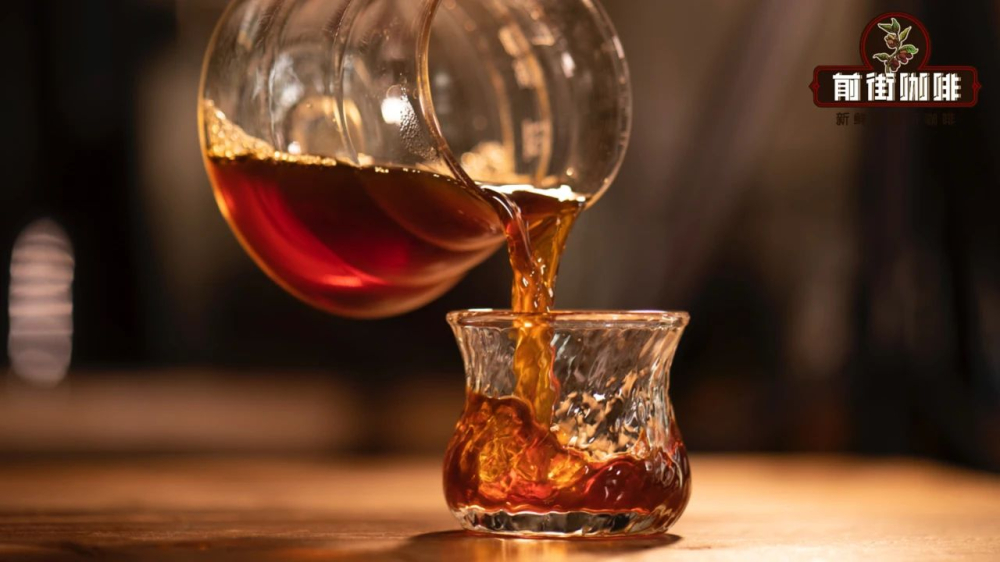
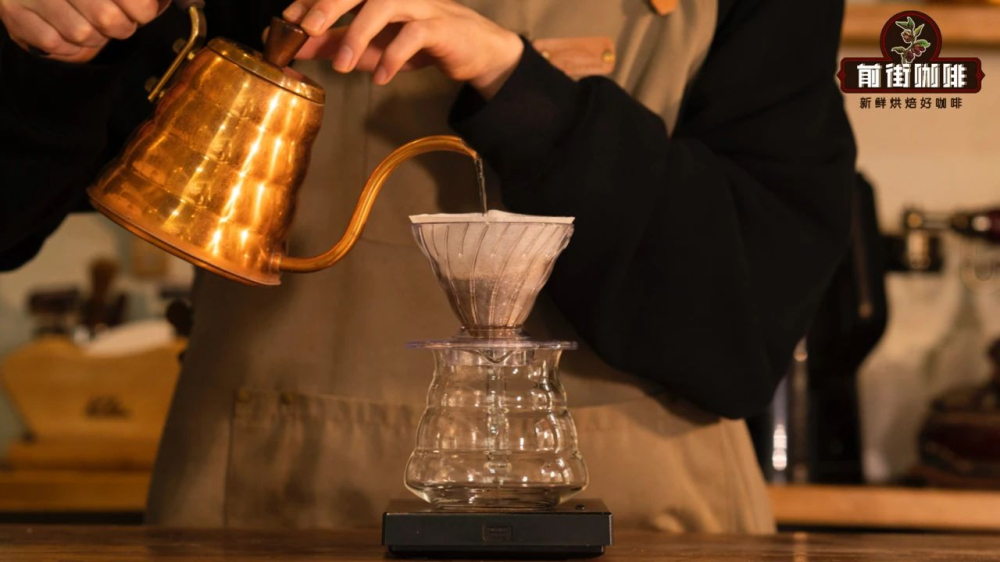
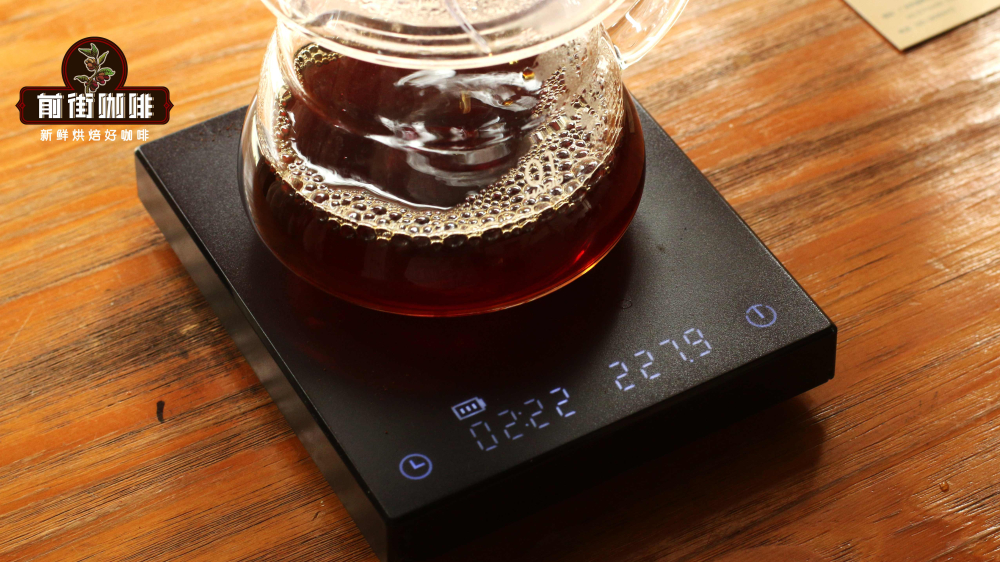
Taking the V60 dripper with 15 grams of medium-fine ground coffee (about 70% to 75% passing through a #20 sieve), 90°C water temperature, and a 1:15 coffee-to-water ratio as an example, it is recommended to use a three-stage pouring method: first, pour 30 grams of hot water for a 30-second bloom to activate the coffee grounds and release aromas; then, starting around the 45-second mark, begin the main brewing phase, gradually adding water up to a total of 225 grams, andcomplete the entire process within approximately 1 minute and 45 seconds to 2 minutes and 10 seconds.At this point, the coffee liquid in the dripper should have completely dripped through, and you can remove the dripper to finish brewing.
If you’re concerned about controlling a single pour, you can also adopt a multiple-pour strategy—for instance, start with 30 grams for the bloom, followed by 95 grams, wait about 10 seconds, then add the remaining 100 grams. The total time can still be maintained at around 2 minutes. This method is especially helpful for beginners to reduce pouring pressure while ensuring a stable extraction quality.
It’s worth noting that if you notice severe clumping in the coffee bed during brewing, significant obstruction in water flow, or even a “muddy” state, it’s usually due to an overly fine grind or uneven tamping. In this case, you should check the grinder settings and avoid compacting the coffee bed too much. On the other hand, if the coffee liquid finishes dripping too early (e.g., total time is less than 1 minute and 30 seconds), it could mean the grind is too coarse or the pouring speed is too fast, leading to under-extraction and a lack of flavor layers.
In summary, there is no absolute standard for pour over brewing time—it needs to be adjusted comprehensively based on factors such as dripper type, coffee bean characteristics, grind size, and water temperature.The 2-minute reference plan is suitable for beginners to build a foundational feel and gradually understand how each variable actually affects flavor.Through repeated practice and record-keeping, every coffee enthusiast can find their own optimal brewing rhythm.
The above content is compiled by CoffeeHunters, a coffee news website.


