







Introduction:Kenyan coffee is renowned for its vibrant acidity and juicy body, with its soul stemming from the SL28 and SL34 varieties as well as its unique double-washed processing method. This article delves into the flavor code of Kenyan coffee, exploring everything from processing methods and roast level selection to professional pour over parameters, helping you master the key techniques to recreate the classic black plum and cherry tomato flavor notes. It also provides a tested brewing recipe so you can brew bright, clean Kenyan flavors at home.
When it comes to pour over coffees with lively acidity, many people first think of Ethiopia’s Yirgacheffe or Panama’s Geisha, but often overlook the fact that Kenyan coffee also boasts layered fruit acidity and a juice-like mouthfeel. Kenyan coffee mostly employs the double-washed process, with SL28 and SL34 as the main varieties. These beans not only have bright acidity but also offer unique flavor notes such as black plum, cherry tomato, and brown sugar, making them a treasure trove for pour over enthusiasts.
The outstanding flavors of Kenyan coffee are inseparable from its refined washed processing. Unlike the common fermentation times of under 36 hours in Central and South America, Kenya uses a unique double-fermentation washed method—first fermenting for 48 hours and thoroughly removing the mucilage, then soaking again in clean water for 24 hours. This extra step imparts a purer, brighter taste to the coffee, and makes its acidity clearer and more layered.
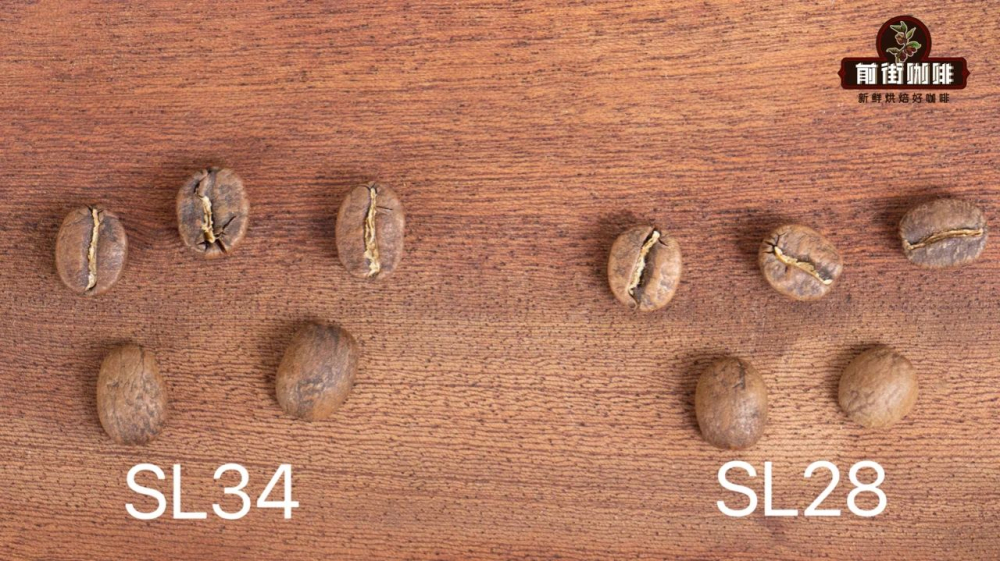
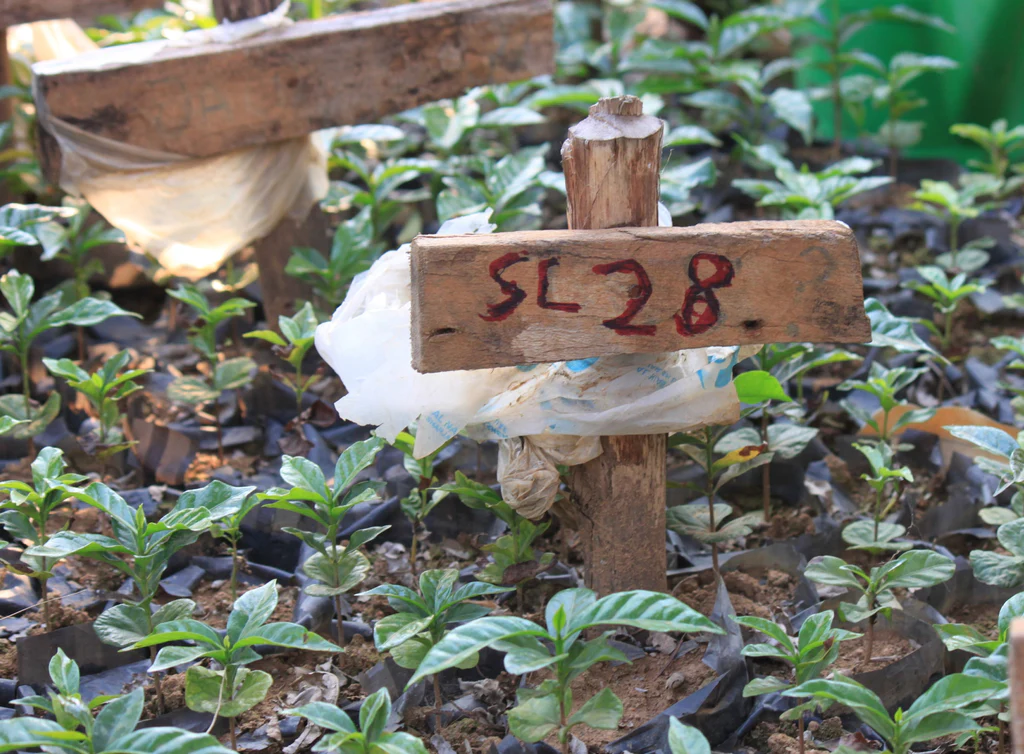
The SL28 variety is known for its pronounced black plum and citrus notes, with rich and deep stone fruit acidity, a full-bodied mouthfeel, and a wine-like aftertaste. SL34, on the other hand, exhibits softer fruit acidity, accompanied by subtle hints of nuts and spices. These two varieties pair perfectly with Kenya’s high-phosphorus soil, overturning the traditional belief that “man-selected varieties are inferior to natural ones,” and have received consistent acclaim in international coffee competitions.
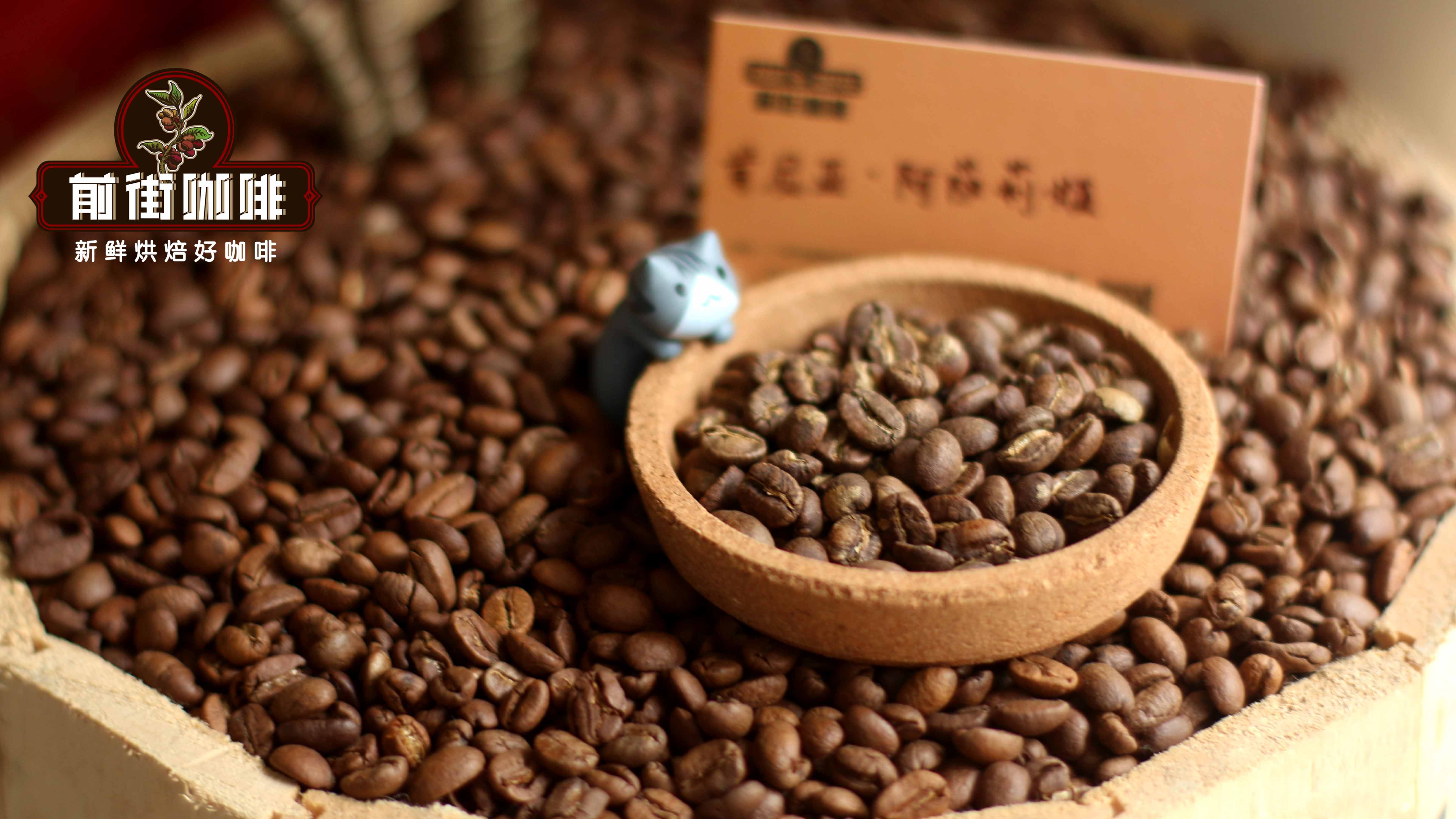
Roast level has a significant impact on the flavor of Kenyan coffee: dark roasts bring a heavy body and mellow aromas, while light to light-medium roasts can fully release the fresh characteristics of black plum, cherry tomatoes, and flowers. If you want to experience the signature berry flavors, it’s recommended to choose freshly roasted light-roast Kenyan coffee beans.
The currently popular Kenyan cherry tomato coffee beans come from the Asaliya Washing Station in the Thika region, grown at an altitude of 1550-1750 meters and processed using the washed method. This bean is a blend of SL28 and SL34, presenting the classic flavor combination of black plum, cherry tomato, brown sugar, and black plum, making it especially suitable for showcasing the unique charm of Kenyan coffee.

For this medium-light roasted Kenyan bean, it’s recommended to use a higher water temperature (91°C) along with a V60 filter cone that allows for a faster flow rate. This combination can fully extract the bright acidity while avoiding over-extraction that could lead to bitterness. Specific parameters are: a 1:15 coffee-to-water ratio (15 grams of coffee grounds to 225 milliliters of water), and a grind size similar to coarse sugar (approximately 80% through a #20 mesh sieve).
Brewing steps:
1. First, pour 30 grams of water for a 30-second bloom.
2. Then pour 95 grams of water (total around 125 grams), taking about 1 minute to complete.
3. When the water level drops to two-thirds of the coffee bed, pour the remaining 100 grams of water (total around 225 grams), finishing in about 1 minute and 40 seconds.
4. Keep the total extraction time within 2 minutes to ensure a stable flow rate and even extraction.
Flavor profile of the final cup: The entrance reveals bright and full black plum and cherry tomato acidity, the mid-palate highlights prominent sweetness with a distinct juiciness, and the finish offers berry aromas and brown sugar sweetness, accompanied by an elegant green tea note.
It’s particularly important to note that the freshness of the coffee beans directly affects flavor performance. Beans roasted over a month ago often exhibit aroma loss or even off-flavors. It’s recommended to choose products that are freshly shipped within 5 days of roasting. Professional roasters can usually guarantee stable quality and reasonable pricing—look for sellers with clearly marked roast dates for more reliable purchases.
The above content is compiled by CoffeeHunters, a coffee news website.


