








Introduction:Mastering the tasting techniques of single-origin coffee allows you to more deeply appreciate the unique charm of each coffee. This article will guide you through a systematic analysis of the tasting steps—from aroma, flavor, taste, mouthfeel to aftertaste—and combine it with the actual flavor profile of Indonesia’s PWN Golden Mandheling to help you build a professional tasting mindset. Whether for personal enjoyment or sharing, you’ll be able to describe the coffee experience with greater depth.
To accurately evaluate the quality of a cup of coffee, you can follow a systematic tasting process. By dividing the tasting into five main steps—aroma, flavor, taste, mouthfeel, and aftertaste—each step has its unique sensory focus and descriptive approach. Once familiar with this method, whether you’re casual drinking or writing reviews, you’ll be able to present your impressions more coherently. Below, we’ll detail these five steps and use the well-known Indonesian PWN Golden Mandheling as an example to demonstrate how to apply this framework and experience its rich, caramel- and spice-laden characteristics.
Many people think that tasting coffee requires professional training, but in fact, mastering basic sensory analysis logic is enough to effectively distinguish the quality of coffee. When we translate the sensory information from the drinking process into concrete descriptions, not only does it enhance our tasting ability, but it also allows us to share our experiences more clearly with others. Next, let’s break down these five key steps step by step to help you quickly enter the world of coffee tasting.

Step 1: Aroma—An Olfactory Exploration from Dry to Wet Aromas
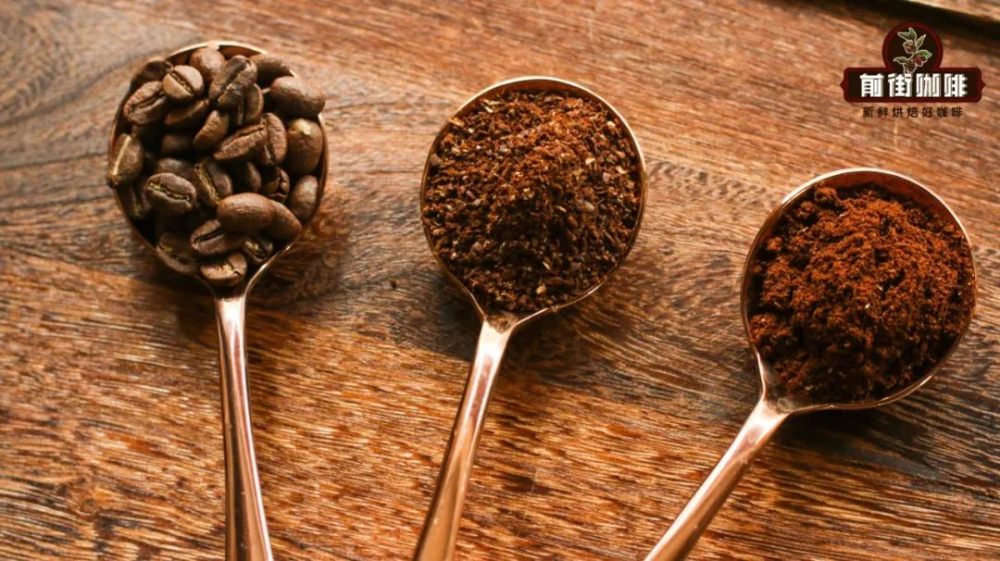
The aroma of coffee mainly comes from the numerous aromatic compounds produced during the roasting process. These substances begin to release when the beans are ground, so the tasting process actually begins at the moment of grinding. First, we use our orthonasal olfaction—that is, directly inhaling the aromas in the air—to capture the scents emitted by the ground coffee. This step can be divided into two phases: dry aroma and wet aroma.
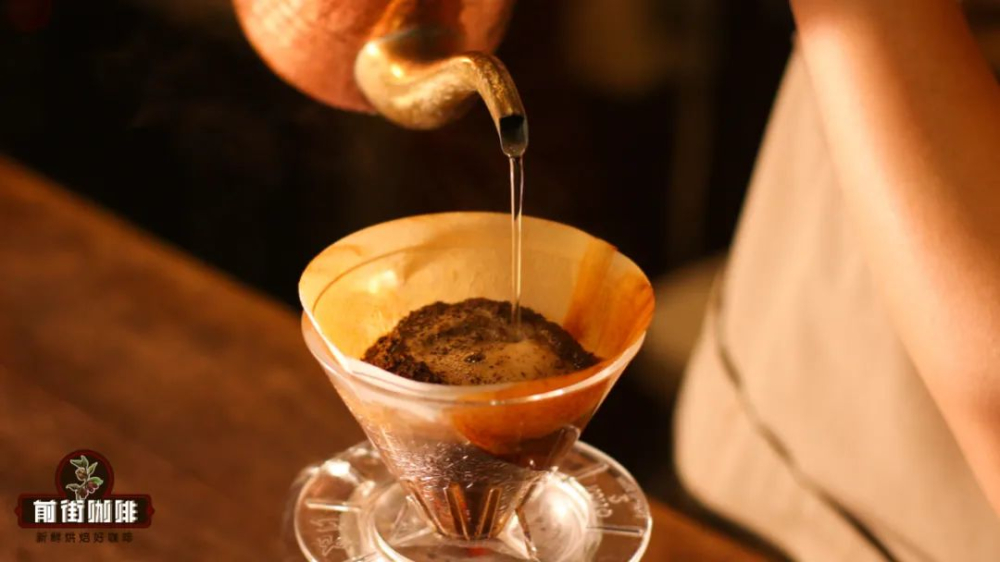
Dry aroma refers to the scent released by the coffee grounds before they come into contact with water. At this stage, the aromas are usually the most intense and diverse. Wet aroma, on the other hand, is the new scent released when hot water is poured onto the coffee grounds, and while its intensity may be slightly lower, it often reveals more delicate layers compared to the dry aroma.
Generally speaking, medium to light roasted coffee beans often emit fresh aromas such as flowers, citrus, or berries; whereas medium to dark roasts tend to have richer aromas like caramel, chocolate, or spices. When describing, you can choose appropriate adjectives based on your actual impressions, such as “lush floral notes” or “rich caramel aroma,” to more accurately convey your personal experience.
Step 2: Flavor—Identifying the Balance and Quality of Acidity, Sweetness, Bitterness, and Saltiness
The second step in coffee tasting is sipping, or experiencing the actual taste in the mouth. The basic tastes perceptible in coffee include acidity, sweetness, bitterness, and saltiness, but the focus is not just on whether these tastes appear, but also on their concentration, balance, and overall quality.
Take acidity for example. The acidity in coffee can be divided into positive acidity and negative acidity. Positive acidity is often described as bright, lively, or soft, bringing a pleasant sensation; whereas negative acidity may come across as sharp, dull, or even irritating. Learning to distinguish the texture of acidity is an important part of improving your coffee tasting skills.
Step 3: Flavor—Associating Olfactory and Gustatory Impressions with Everyday Experiences
Flavor is one of the most intriguing yet challenging aspects of specialty coffee tasting. This step involves combining the coffee’s aroma and taste, and associating them with familiar foods or scents from daily life, such as fruits, nuts, or spices.
Many people get stuck when describing coffee precisely because they lack training in flavor association. If you find yourself only able to describe basic acidity, sweetness, or bitterness, start by cultivating your olfactory memory and taste associations. Once you can link the citrus acidity you perceive to a “bright citrus tone,” you can form more vivid descriptions, such as “acidity with a bright citrus tone.”
Step 4: Mouthfeel—The Tactile Experience of Body
Mouthfeel refers to the tactile sensations coffee brings in the mouth, and the most commonly discussed aspect is “body,” or the coffee’s richness. Body describes the weight and fullness of the coffee on the tongue.
For example, skim milk feels light and thin, whole milk is richer and smoother, while cream is thick and heavy. Coffee also has such distinctions, and different roast levels and processing methods affect the body expression of the coffee, thereby changing the overall mouthfeel experience.
Step 5: Aftertaste—The Lingering Aroma After Swallowing
The final step in tasting is experiencing the aftertaste, which is the aroma and taste left in the mouth after swallowing the coffee. The length and quality of the aftertaste are important indicators of whether a cup of coffee is excellent.
A high-quality aftertaste usually lasts longer and carries positive aromatic characteristics, such as floral notes, honey, or a tea-like sensation. A poor aftertaste may be short-lived or carry negative sensations like bitterness or dryness. The aftertaste is mainly captured through retronasal olfaction, resulting from the slow release of oil-soluble aromatic compounds in the coffee.
Practical Application: Tasting Indonesia’s PWN Golden Mandheling
Take Indonesia’s PWN Golden Mandheling as an example. This coffee bean is rigorously selected, using only G1 grade green beans that are 18 mesh and above with an extremely low defect rate, and undergoes multiple rounds of manual sorting to ensure uniform bean size and consistent quality. Its flavor profile is distinctive and particularly suitable for practicing the five-step tasting method.
After grinding, Golden Mandheling emits a rich roasted hazelnut aroma. During the blooming stage after pouring water, the caramel aroma becomes especially prominent. Upon tasting, you can perceive layers of dark chocolate, nuts, caramel, and sweet fruit. As the temperature drops, spicy notes gradually emerge. The overall mouthfeel is rich and full-bodied, with a long-lasting and well-balanced finish. It’s a classic single-origin coffee with diverse flavors and a rich layering.
Conclusion
Through the five steps of aroma, flavor, taste, mouthfeel, and aftertaste, you’ll be able to taste single-origin coffee more systematically and describe your impressions with more precise language. Whether for everyday enjoyment or deeper exploration of the coffee world, this method can help you enhance your tasting skills and uncover the unique stories behind each coffee.
The above content is compiled by CoffeeHunters, a coffee news website.


