







Introduction:Want to recreate a crystal-clear, layered cold drip coffee at home? This article delves into the classic method of low-temperature extraction that takes 6 to 8 hours, starting with its historical origins during the Dutch colonial period. It will guide you through selecting coffee beans based on different processing methods and, using Panama’s Finca Emerald Diamond Mountain as an example, detail key parameter settings such as coffee-to-water ratio, grind size, and drip rate. It even covers refrigeration aging techniques—all in one go—so even beginners can confidently brew a high-quality cold drip with delicate floral notes and refined berry characteristics.
On a hot summer day, nothing beats a cool, crystal-clear coffee to quench your thirst. Compared to common iced pour-over coffee, cold drip coffee slowly filters through coffee grounds using ice water over nearly half a day, followed by several days of refrigeration to allow flavors to mature. The final cup delivers an exceptionally clean and pure taste, with soft acidity and distinct layers. This article not only traces the historical background of this ancient Dutch extraction technique but also offers professional bean selection advice based on the characteristics of various coffee processing methods. Using the renowned Panamanian Emerald Estate Diamond Mountain Geisha as an example, it fully breaks down the entire hands-on process—from assembling equipment to adjusting coffee-to-liquid ratios.
The origin of cold drip coffee is actually closely tied to 17th-century Dutch maritime trade. At the time, while the Dutch East India Company was actively promoting coffee cultivation in the Indonesian archipelago, sailors faced the challenge of brewing hot coffee during long voyages—high temperatures not only accelerated the release of coffee’s acidic notes but could also affect drinking comfort. To solve this problem, they tried using ice water instead of hot water for extraction and unexpectedly discovered that the low-temperature environment effectively suppressed the dissolution of acidic substances while slowing oxidation. This not only extended shelf life but also, due to the stable temperature during the drip filtration process, preserved the aromatic compounds in the coffee. This method of slow extraction through ice water was later called "Dutch-style ice water coffee" and is the prototype of modern cold drip coffee.
Faced with the wide array of coffee beans on the market, how do you choose the right ones for cold drip extraction? The key lies in clarifying your personal taste preferences. Those who prefer bright and refreshing flavors may prioritize washed coffee beans—for example, light-roasted Geisha from high-altitude regions often features lively citrus notes and delicate floral aromas. If you’re drawn to rich and full-bodied tastes, medium to dark roasted Brazilian Cerrado or Colombian Huila can showcase abundant nutty and dark chocolate flavors. The increasingly popular special fermentation methods are also worth trying, such as coffee beans aged in wine barrels, which often carry unique wine-like aromas and complex fruit undertones. When making a purchase, it’s recommended to consult professionals based on your expectations for acidity, sweetness, and body, to avoid misjudging the processing method and affecting the final flavor profile.
The unique charm of cold drip coffee stems from its special low-temperature extraction principle. During preparation, ice and pure water are mixed in proportion, and through precisely controlled dripping speed, the ice water slowly permeates the pre-laid layer of coffee grounds. This process typically lasts 6 to 12 hours. The low-temperature environment reduces the release of acidic substances while fully extracting the sweetness and body of the coffee. Since the entire extraction process occurs slowly at room temperature, the aromatic molecules in the coffee are stably retained in the liquid, only gradually releasing their delicate layers of aroma when poured into a cup and exposed to oral temperature.
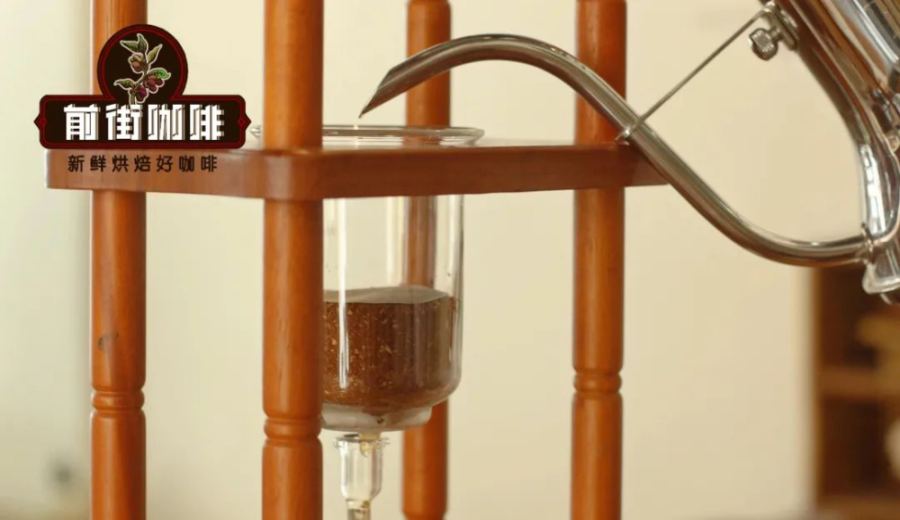
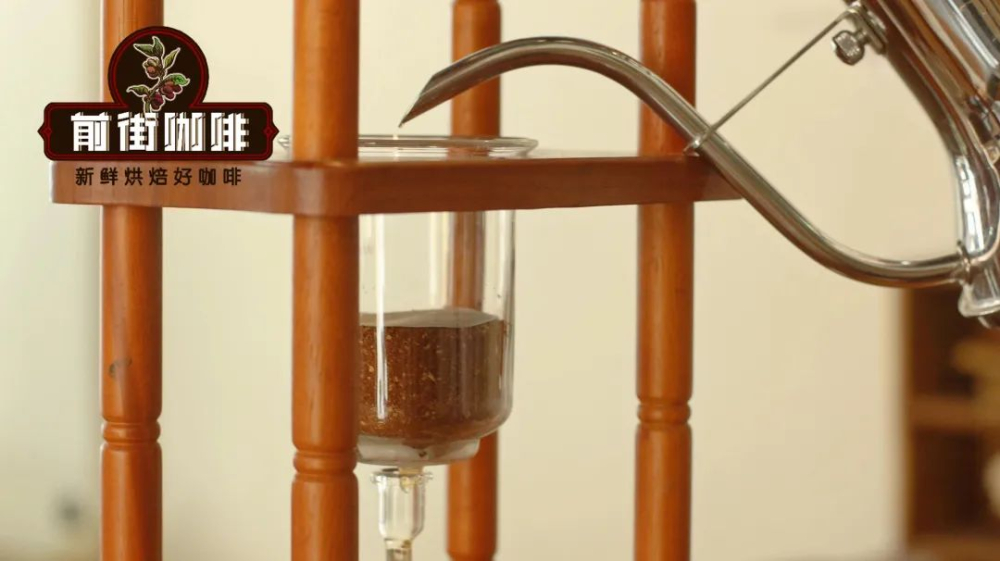
Before performing cold drip extraction, you must prepare a complete set of equipment. Basic tools include a water reservoir for holding the ice-water mixture, an adjustable valve to control the dripping speed, a coffee powder holder, a liquid collection container, and a coffee stand to securely support all parts. It’s recommended to choose materials that are stable and easy to clean, such as glass or food-grade plastic, ensuring no unwanted odors interfere with the process. Pay special attention to lining the bottom of the coffee powder holder with filter paper—not only does this prevent fine coffee particles from leaking, but it also helps evenly distribute the water flow, improving extraction uniformity.
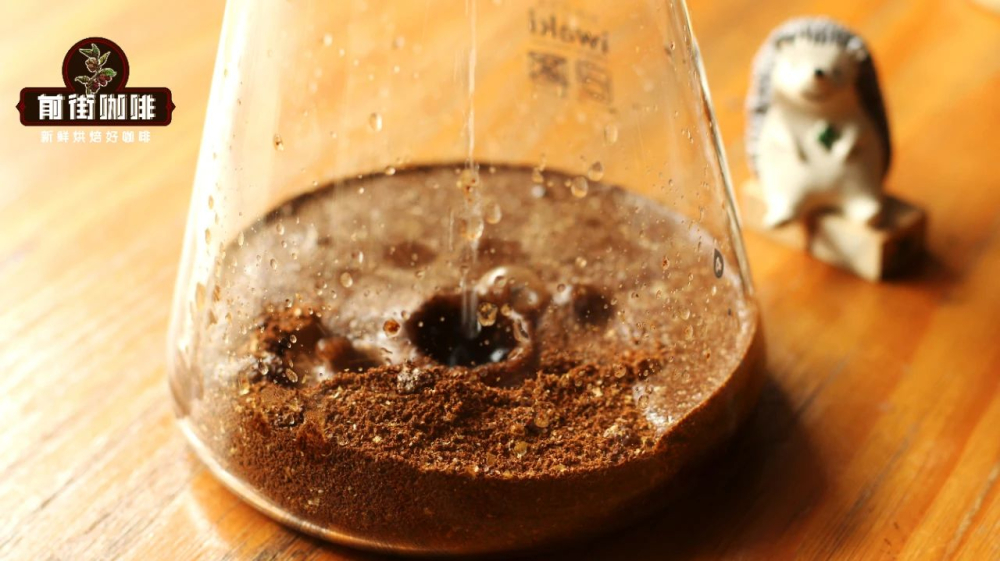
Taking the classic Panama Emerald Estate Diamond Mountain Geisha as an example, the key parameters for practical adjustment are as follows: use 60 grams of freshly ground coffee, paired with a total of 600 milliliters of extracted coffee liquid, maintaining a golden coffee-to-water ratio of 1:10. The grind size should be adjusted to a texture similar to superfine sugar—too coarse will result in under-extraction, too fine may lead to over-extraction and bitterness. The ice-to-water ratio is recommended to be 1:1, that is, 300 grams of ice cubes with 300 milliliters of cold water, ensuring the extraction temperature remains in a low range. A special reminder: in the initial stage, start with a faster drip rate to bloom the coffee grounds. Once the coffee bed is fully saturated, then precisely control the dripping speed to 5 to 7 drops per 10 seconds. This rhythm balances extraction efficiency and the control of impurity dissolution.
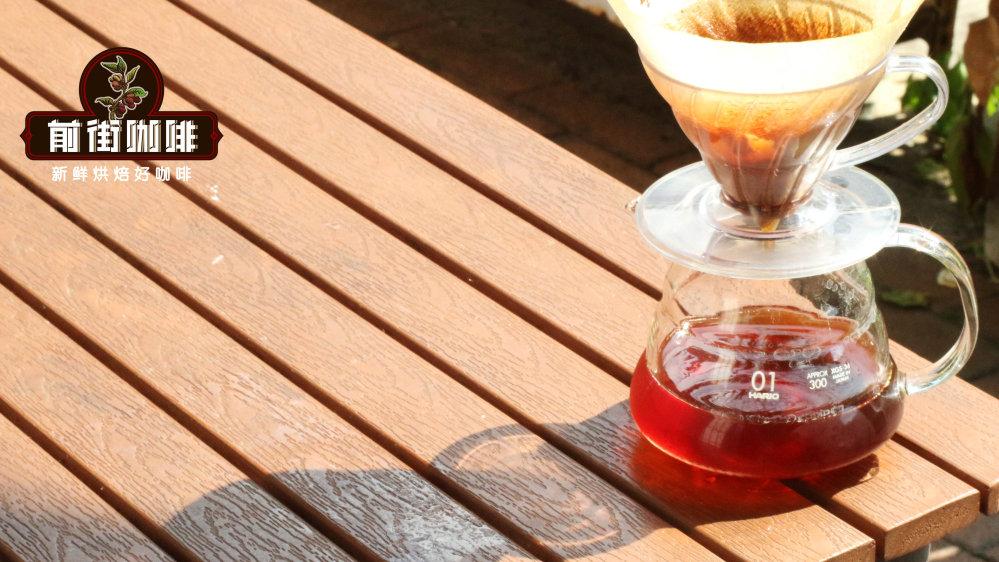
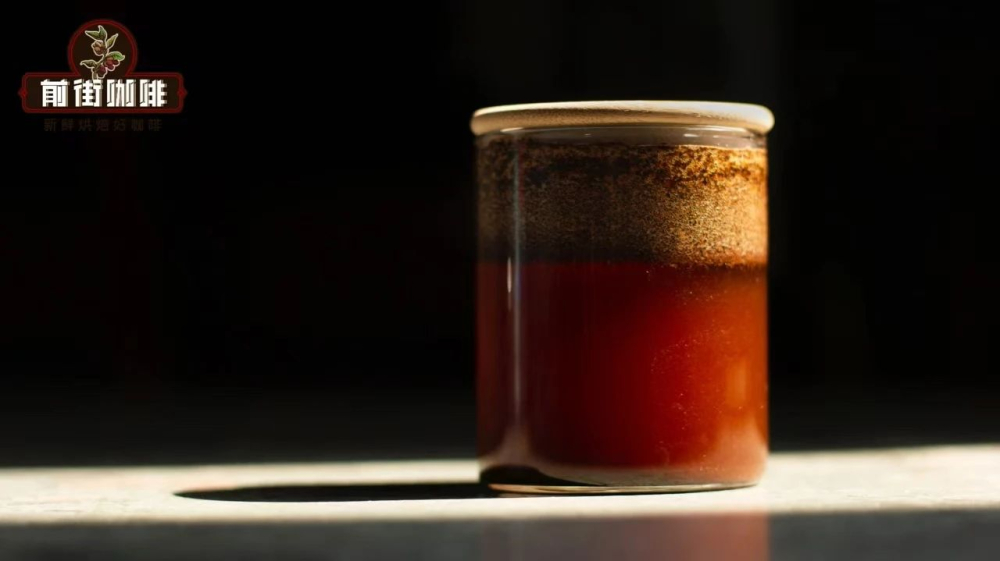
After the long extraction process, the resulting coffee liquid needs to undergo 2 days of refrigeration aging to allow flavor molecules to fully integrate and develop. The final product usually presents a subtle floral base note, accompanied by a soft berry character, with low and lingering acidity and a smooth, velvety mouthfeel—almost no unpleasant off-flavors are noticeable. It’s particularly important to note that, due to the characteristics of low-temperature extraction, whether it’s cold drip or cold brew coffee, it’s recommended to consume it within 5 days from the date of production to ensure optimal flavor and drinking safety.
The above content is compiled by CoffeeHunters, a coffee news website.


