







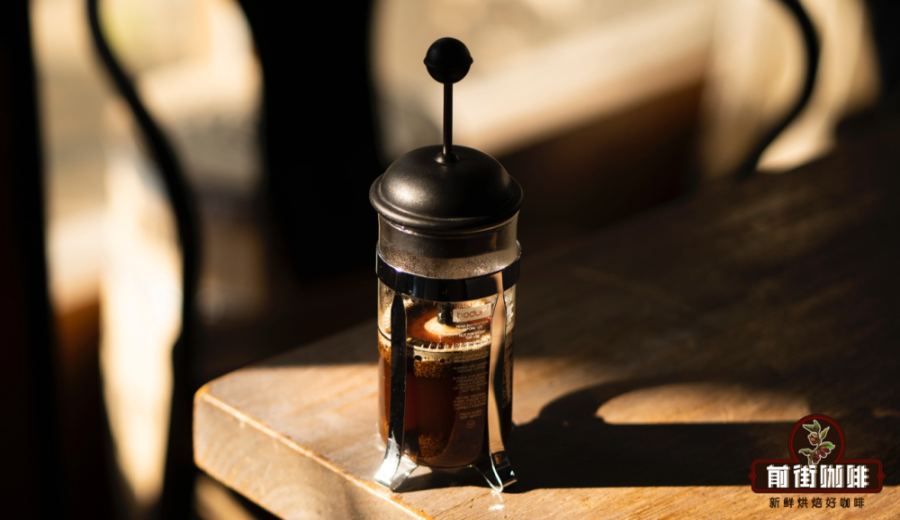
Introduction:The French press is the go-to brewing method for many coffee beginners just starting out at home. However, when used to brew medium-to-light roasted beans like Huakui, it’s easy to end up with coffee that’s either overly bitter or too weak if not handled carefully. This article starts with the origins of the French press, introduces the origin and flavor profile of Huakui coffee, and provides a detailed breakdown of the optimal water temperature, grind size, coffee-to-water ratio, and steeping time. By mastering the principles of immersion brewing, you can avoid common pitfalls and use this simplest of tools to brew a rich and layered cup of Huakui coffee.
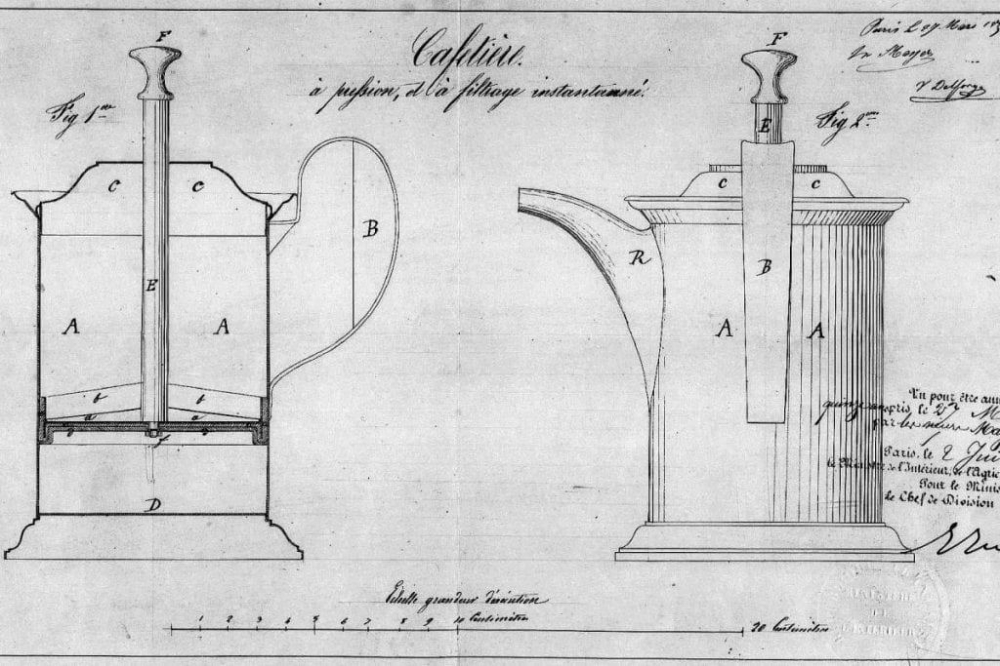
The French filter press, also known as the French press, or French Press in English, is one of the easiest coffee brewing devices to get started with. Its history dates back to the mid-19th century, when an artisan and businessman jointly developed a metal filter equipped with a movable plunger rod. Using a cloth filter and piston mechanism, it left coffee grounds at the bottom and produced relatively clear coffee. By the early 20th century, a company in Milan, Italy, further refined the design, producing the prototype of the French press we’re familiar with today, which gradually gained global popularity.
Originally, the primary use of the French press was actually for brewing tea, not coffee. Tea filters typically have larger holes, whereas coffee requires finer filtration. If you’re busy and don’t want to invest in an expensive coffee machine, the French press is definitely a convenient and practical alternative. It produces coffee with a rich, full-bodied flavor, making it ideal for highlighting the bold characteristics of medium-to-dark roasted beans. In this article, we’ll take Huakui coffee as an example to explore how to use this simple tool to brew a deep-colored, multi-dimensional cup of great coffee.
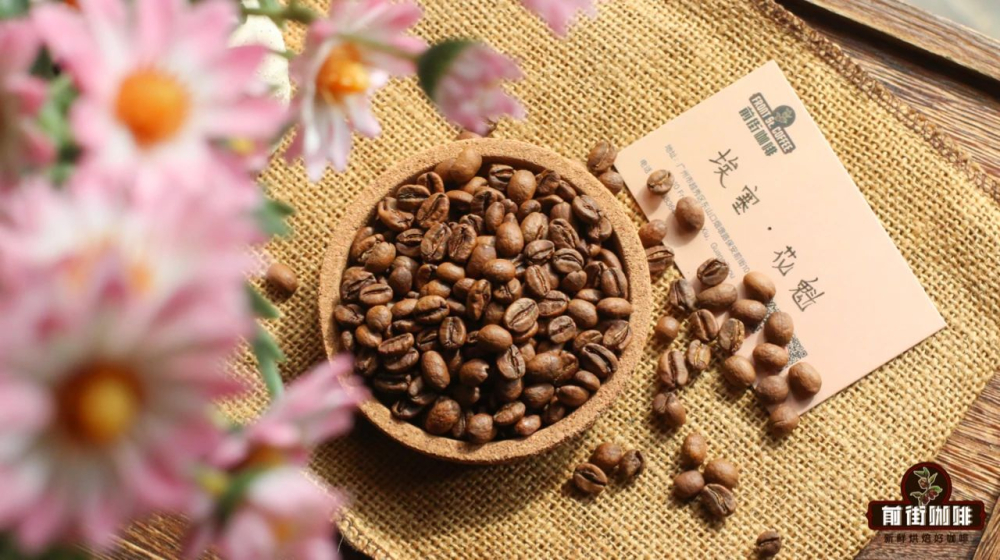
Huakui coffee beans come from the Hambela zone within Ethiopia’s Guji region and are processed using the natural (sun-dried) method by the local Buku Abel washing station. In 2017, these sundried beans participated in the local TOH (Taste of Harvest) competition and won the sun-dried category championship thanks to their intense strawberry cream and fruity flavor profile. These beans were later introduced to the Chinese market and were given the name "Huakui," meaning “the queen of all flowers,” due to their unique flavor. It’s worth mentioning that in Chinese coffee brewing competitions, a contestant once used this batch of Huakui beans to compete, defeating many Geisha enthusiasts and winning accolades, propelling these beans to fame.
Cupping notes reveal that Huakui coffee delivers prominent aromas of strawberry cream, paired with citrus and berry tones, and a tea-like aftertaste. The overall flavor is layered and smooth. However, many coffee enthusiasts find it challenging to replicate this flavor at home, especially when using immersion brewers like the French press, where over-extraction or under-extraction is more likely to occur.
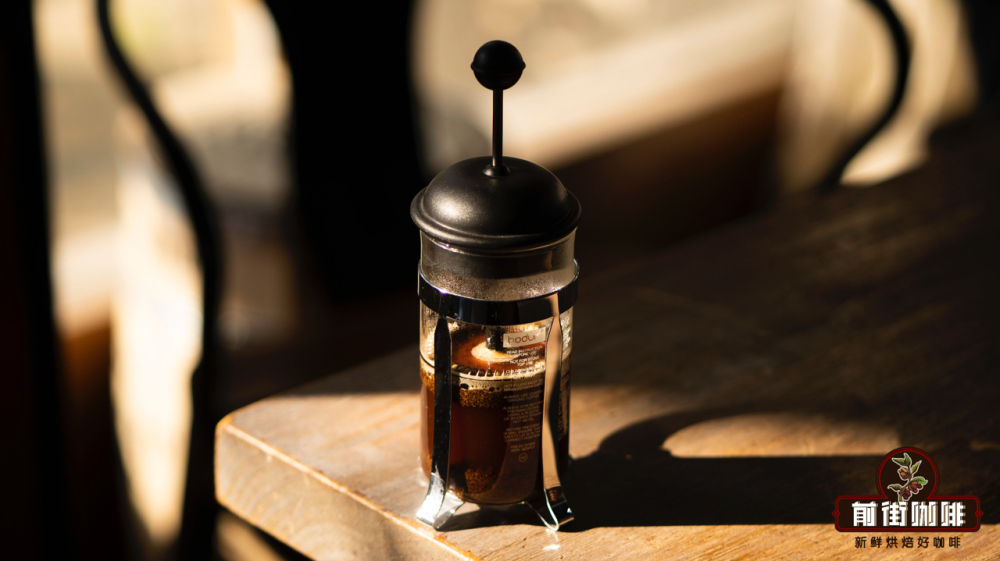
To consistently brew delicious Huakui coffee with a French press, here are the key parameters recommended through practical testing: use approximately water heated to 90°C, a coffee dosage of about 15 grams, and 225 grams of water, resulting in a coffee-to-water ratio of 1:15. For grind size, it’s advised to use a coarseness similar to what passes through a Chinese standard No. 20 sieve at about 70% , which is slightly coarser than typical pour over grind settings—this helps prevent over-extraction and maintains a balanced cup.
Here’s the step-by-step process: First, pour hot water into the French press to preheat it, then discard the water. Next, add 15 grams of Huakui coffee grounds, and slowly pour in 225 grams of 90°C water. Let it steep for about 4 minutes, stirring gently once during this time to promote even extraction. After the time is up, slowly press the plunger down to about one-quarter of the way and then pour out the coffee to enjoy. This method fully highlights the fruity aroma and full body of Huakui.
Why does the French press require a coarser grind than pour over? The reason lies in the long immersion time of the French press. The coffee grounds are in contact with hot water for a longer duration, and if the grind is too fine, it significantly increases the surface area, causing excessive release of flavor compounds, which often leads to noticeable bitterness. On the other hand, if the grind is too coarse, it may result in under-extraction, leaving the coffee tasting thin and overly acidic, while losing the layered complexity and sweet aftertaste that Huakui should have.
A special reminder: although professional baristas often use a finer grind—around 80% passing through a Chinese No. 20 sieve—when pour over brewing Huakui, to match short-duration high-temperature pouring techniques, the French press is a full-immersion method and requires adjusting the grind coarseness to suit its prolonged brewing nature. Also, it’s recommended to use freshly roasted Huakui beans to ensure the best flavor expression, and try to drink the brewed coffee as soon as possible for the optimal taste experience.
In summary, although the French press may seem simple, by controlling water temperature, coffee dosage, coffee-to-water ratio, and grind size, it can reliably deliver Huakui coffee’s rich fruity aroma and full-bodied texture. As long as you master the correct parameters and brewing steps, you can easily brew a cup at home that approaches professional standards, enjoying the captivating flavors unique to Ethiopian sundried beans.
The above content is compiled by CoffeeHunters, a coffee news website.


