







Introduction:Want to brew rich, aromatic coffee with a thick crema even when you're outdoors? The moka pot is one of the most popular pressurized coffee tools for camping enthusiasts due to its simple operation and compatibility with portable gas stoves. But do you know how to choose the right coffee beans and grind size to make a cup that's close to an espresso? This article dives deep into the medium-to-dark and dark roasted beans ideal for moka pots, along with practical grind recommendations and step-by-step instructions, so you can easily master the golden parameters for campsite coffee.
Thanks to its simple structure and direct heating method, the moka pot has become a go-to coffee tool for many campers. Without the need for complex equipment, just a kettle of water, a container of coffee grounds, and a gas stove are enough to enjoy a strong, Italian-style coffee in the wilderness. However, because it operates at near-boiling temperatures and generates a certain amount of pressure during heating, it has specific requirements for the roast level and grind size of the coffee beans.
The working principle of the moka pot involves heating the water in the lower chamber, which then generates steam and pressure that pushes the hot water up through the coffee grounds in the middle, ultimately extracting coffee into the upper chamber. In this high-pressure, high-temperature environment, lightly roasted beans tend to release too much acidity, resulting in a sharp and overly tangy taste, and because they contain less carbon dioxide, they are not conducive to forming the characteristic golden crema of espresso.
Crema is one of the souls of espresso — it not only affects the appearance but also influences whether the mouthfeel is round and full. The formation of this fine, dense foam is mainly due to the high-pressure environment preventing the carbon dioxide released by the coffee grounds from escaping, instead dissolving it into the coffee liquid. Therefore, it’s recommended to use medium-to-dark or dark roasted beans, which not only reduce over-extraction of acidity but also aid in crema formation, delivering a richer drinking experience.
In terms of roast flavor profiles, medium-to-dark roasted beans typically exhibit notes of nuts, caramel, and chocolate, while dark roasted beans often carry layers of spices, woodiness, and even smoky flavors — all of which complement the high-concentration characteristics of moka pot extraction. If you prefer single-origin coffee, you might prioritize Brazilian beans with nutty and cocoa notes, or Indonesian Golden Mandheling with herbal and spicy undertones. For a more balanced combination of multiple flavors, you can also opt for classic Italian blends, which usually have aromas of dark chocolate and butter, or try specialty blends with berry notes.
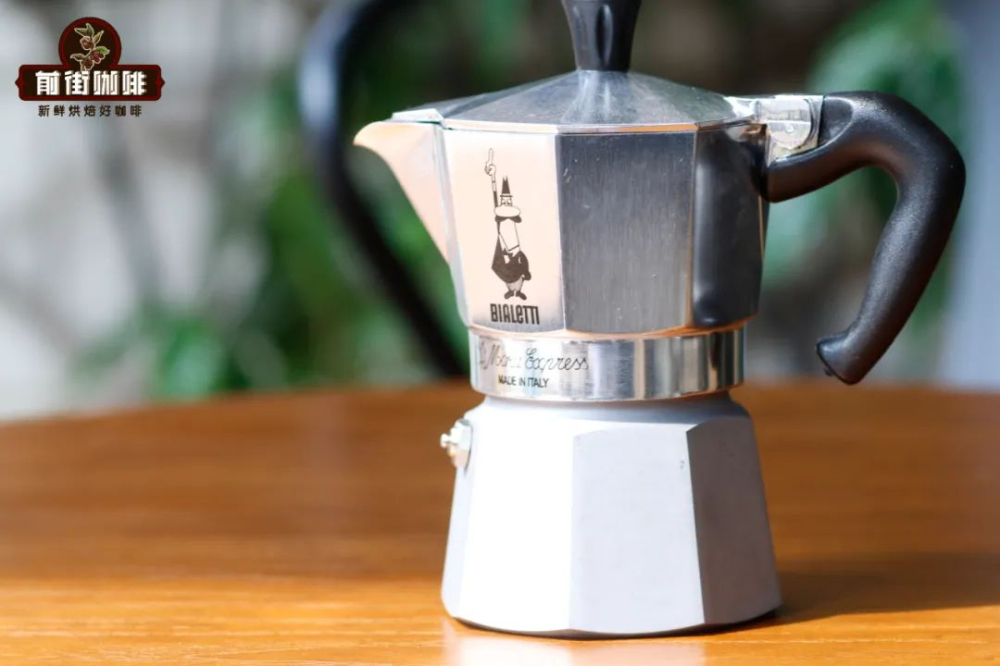
In addition to roast level, grind size is another key factor affecting the success of moka pot extraction. Generally speaking, it’s recommended to grind the coffee to a medium-fine level similar to pour over, or even slightly finer, to ensure there’s enough resistance for the water to pass slowly under pressure, thereby improving extraction efficiency. However, be careful — grinding too finely can lead to channeling or over-extraction, resulting in bitter or burnt-tasting coffee.
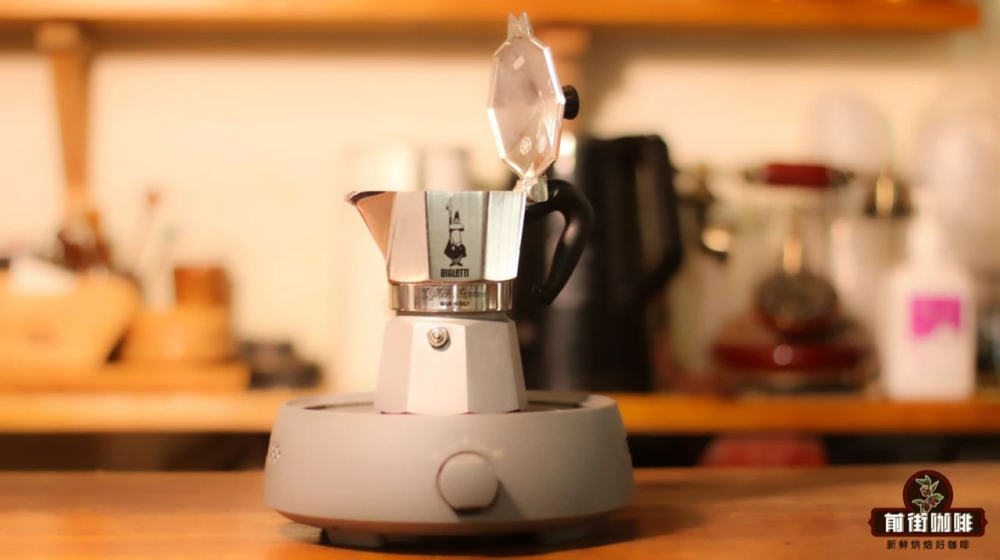
In practice, follow these steps: first, add water to the lower chamber, making sure the water level is below the safety valve to prevent excessive pressure buildup and potential danger. Next, fill the filter basket with the ground coffee, gently level the surface without pressing it down too hard — this could affect water flow speed. You may also use a filter paper if available to help maintain cleanliness. Then, assemble the upper and lower chambers, ensuring the rubber gasket is properly seated, and place it on your heating device to start brewing.
Once heated, the pressure generated by the heated water will push it through the coffee grounds. When you hear a steady extraction sound coming from the upper chamber, that means the extraction has begun. When the sound turns into a faint hiss, it usually signals that extraction is nearing completion — it’s recommended to turn off the heat immediately to avoid over-extraction. The overall extraction time should be controlled between 25 to 40 seconds, and can be slightly adjusted based on heat intensity and personal strength preferences.
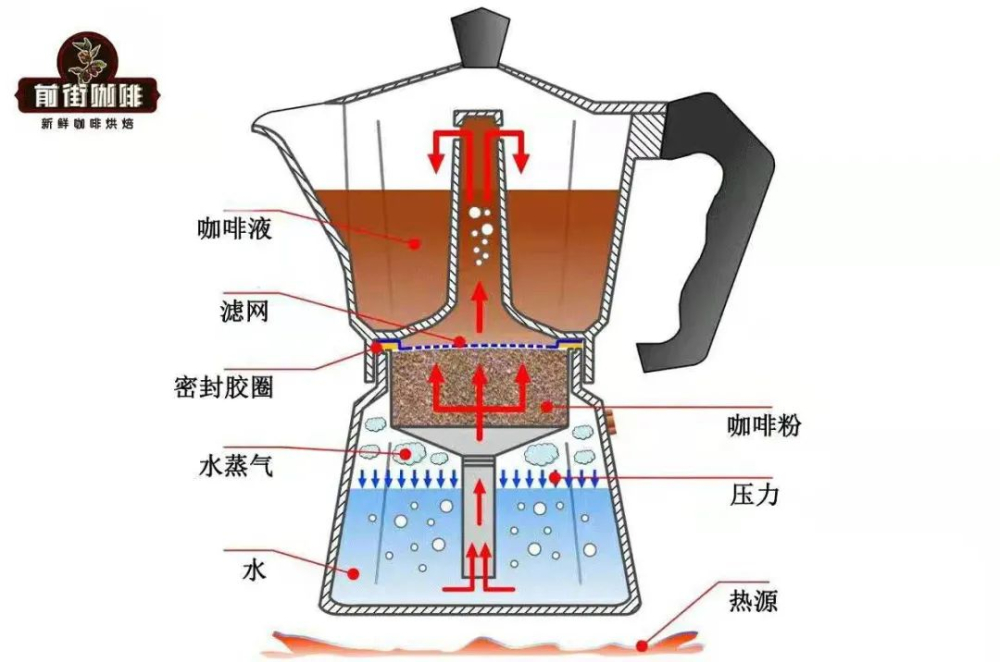
Additionally, safety when using a moka pot should not be overlooked. The lower chamber contains a safety valve that automatically releases pressure if it exceeds the designed limit, preventing the pot from exploding or coffee from spraying everywhere. Therefore, be sure to purchase a quality moka pot from a reliable brand, and regularly check that the safety valve and rubber gasket are in good condition. Never compromise on safety by choosing products from unreliable sources just because they’re cheap — it could lead to accidents.
In summary, as long as you get the roast level, grind size, and extraction time right, you can consistently brew a cup of coffee with moka pot quality that rivals that of a café, even in outdoor settings. Whether it’s paired with breakfast, enjoyed in the afternoon sun, or shared around a nighttime campfire, a cup of coffee rich in crema and bursting with aroma can greatly enhance your camping experience.
The above content is compiled by CoffeeHunters, a coffee news website.


