







Introduction:Want to understand the unique flavors of Ethiopian Yirgacheffe Aricha Natural coffee beans and the brewing techniques that suit them best? This article provides an in-depth analysis of the growing region, processing method, and flavor profile of this Grade 1 natural bean, along with tested pour over parameters and steps. From dry aroma to aftertaste, we cover it all to help you master the brewing essentials of this popular specialty bean.
As the birthplace of coffee, Ethiopia is home to numerous distinctive specialty-growing regions. Among them, Yirgacheffe stands out with its bright floral and fruity notes and vibrant acidity, making it a classic favorite among coffee lovers worldwide. Among various processing methods, the natural (dry) process imparts richer sweetness and layered fermentation complexity—and today’s star, the Yirgacheffe Aricha Natural bean, is a prime example.
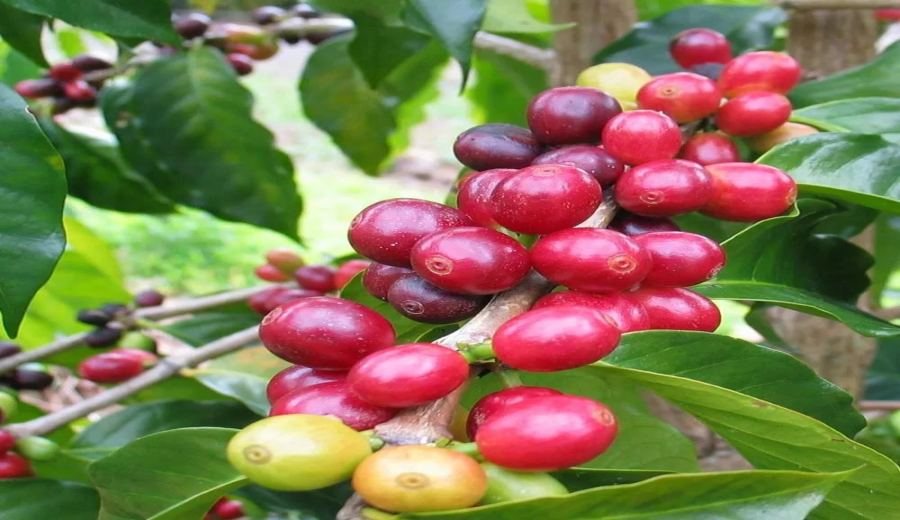
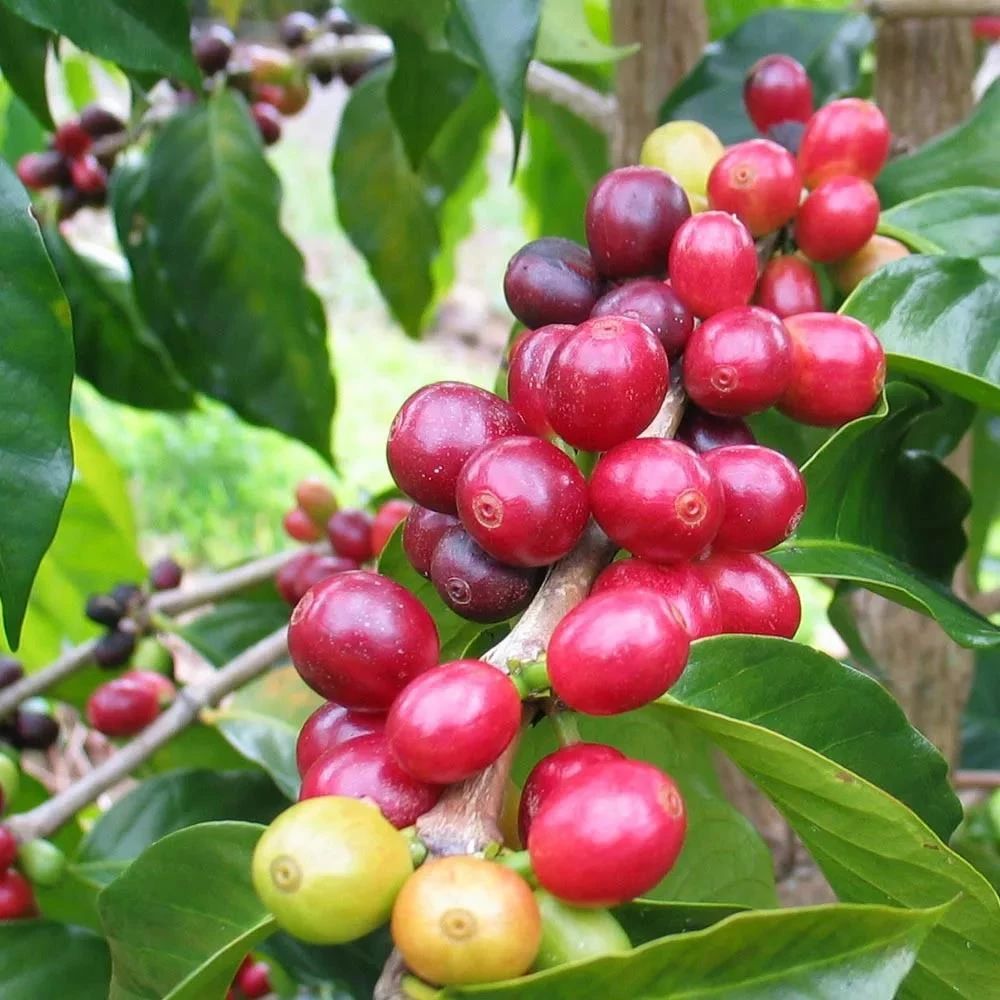
These Grade 1 natural beans from the Kebel Aricha washing station are beloved by many pour over enthusiasts for their intense berry and fruit aromas, delicate sweetness, and smooth mouthfeel. What makes these Aricha Natural beans so special? And how can you brew them to fully unlock their potential? Below, we’ll explore everything from the growing region and processing method, to bean variety characteristics, brewing recommendations, and flavor performance.
Yirgacheffe is located in the Gedeo Zone of Ethiopia’s Southern Nations, Nationalities, and Peoples' Region. Geographically, it’s a small town northwest of Sidamo. Although it has since become its own distinct region, it was once part of the larger Sidamo area. Sitting at an altitude of about 1,800 to 2,000 meters, the high elevation allows coffee cherries to ripen slowly, helping accumulate more complex flavor compounds. Yirgacheffe is known for its “bright acidity and refined floral notes,” with its unique citrus and jasmine tones making it a popular choice for many coffee beginners.
However, aside from the well-known washed process, Yirgacheffe also produces many excellent natural processed coffees. In fact, natural processing is the most traditional and original coffee method in Ethiopia, though it gradually gave way to washed processing after the 1970s due to its introduction and shifting international market preferences. Yet the charm of the natural method remains undiminished—it preserves more of the sweet, fruity fermentation notes from the pulp, especially appealing to those who enjoy bold flavors and fuller body.

The Aricha Natural beans introduced here come from the Aricha kebele village, about 8 kilometers from the town of Yirgacheffe. This area is part of the Yirgacheffe region, featuring mountainous terrain and a warm, dry climate—ideal conditions for natural processing. The Kebel Aricha washing station employs raised African beds for drying, with frequent turning to control fermentation levels, minimizing off-flavors while maximizing fruity aroma expression. Most of these beans come from the wild or semi-wild varieties grown by local smallholder farmers, collectively referred to as “Heirloom” (原生种). This diverse genetic background contributes to the beans’ rich and captivating aromatic profile.
These Aricha Natural beans have been rated Grade 1 by the Ethiopian Commodity Exchange (ECX), the highest grade, indicating an extremely low defect rate and meeting international standards for appearance and green bean quality. During drying, the coffee cherries are left intact with their mucilage, undergoing approximately 4 to 6 weeks of sun exposure until the moisture content drops to around 12% before hulling. Notably, such natural beans are often stored as parchment until just before export, helping stabilize quality and continue flavor development.

In terms of flavor, the Aricha Natural beans offer intense tropical fruit aromas. In the dry stage, you can already detect the sweet scent of blueberries, cherries, and berries, coupled with a candy-like sweetness that’s highly inviting. Upon tasting, distinct layers of cherry, apple, and pineapple sweetness emerge, gradually transforming into mango and peach tones as the temperature cools. The acidity remains soft yet vibrant, with an aftertaste echoing sugared fruits and grape juice—a profile that’s both refreshing and full-bodied, perfect for coffee lovers who appreciate a balance of fruitiness and sweetness.
So, how can you brew to fully bring out the potential of the Aricha Natural beans? Testing recommends using a V60 dripper, with water at 91°C, a brew ratio of 1:15, using 15 grams of coffee ground to a medium-fine setting (similar to 80% passing through a #20 Chinese sieve). This setup balances extraction, fully releasing sweetness and fruity notes without over-extracting and causing bitterness.
Here’s the specific pour over procedure: First, pour 30 grams of water for a 30-second bloom to allow the coffee grounds to fully expand; second, at the 1-minute mark, pour up to 125 grams, then wait for the water level to drop to two-thirds of the coffee bed; third, at 1 minute 40 seconds, pour up to 225 grams, with the total brew time controlled at 1 minute 59 seconds and overall extraction taking about 2 minutes. This stepwise extraction enhances sweetness and clarity, while reducing the risk of over-extraction.

The brewed Aricha Natural coffee offers a rich dry aroma with berry and candy-like sweetness. On the palate, fermentation notes and green grape flavors are immediately noticeable, with a bright and cheerful acidity. As the cup cools slightly, the lively lemon-like acidity intertwines with a creamy smoothness, while the aftertaste lingers with the taste of ripe grape juice—layers upon layers with a long finish. It’s a premium pour over bean that brings great drinking pleasure.
To fully experience the charm of these beans, it’s recommended to choose freshly roasted coffee and allow for an appropriate resting period—typically 4 to 7 days post-roast is when the flavor peaks. Also, because ground coffee oxidizes faster, it’s best to consume it soon after grinding. For convenience, you may opt to buy whole beans and grind them yourself, which helps preserve the original flavors.

The above content is compiled by CoffeeHunters, a coffee news website.


