







Introduction:Yirgacheffe, one of Ethiopia’s most iconic high-altitude coffee-growing regions, is renowned worldwide for its delicate floral notes, bright acidity, and refreshing flavor profile. This article delves into its exceptional geographical environment, historical background, harvesting process, and pour over parameters to help you understand this globally favored bean among specialty coffee enthusiasts—and master practical tips for selection and brewing.
Yirgacheffe, a small plateau town in Ethiopia situated at an altitude of approximately 1,700 to 2,100 meters, is internationally acclaimed for its exquisite and captivating coffee flavors. The region is perennially shrouded in mist, with a humid climate, not only enjoying naturally superior conditions but also being home to numerous native coffee varieties. Overall, the coffees produced here typically exhibit pronounced floral aromas, citrus notes, and an unforgettable vibrant acidity, making it a top choice for many newcomers entering the world of specialty coffee.
Located in the northwest of the Sidamo region and adjacent to Lake Turkana, Lake AbThe altitude here generally exceeds 1,750 meters, reaching up to 2,200 meters at its highest, making it one of the highest-altitude coffee-growing regions in the world. Precisely because of this, the coffee trees grow slowly, allowing the beans to accumulate richer flavor compounds.
Interestingly, Yirgacheffe was originally a sub-region under the larger Sidamo region, but due to its exceptionally outstanding flavor profile, it gradually stood out and is now regarded as an independent specialty coffee region. The name “Yirga” means “to settle down,” while “Cheffe” refers to “wetland,” highlighting the area’s unique geographical characteristics of year-round humidity and pervasive cloud cover.
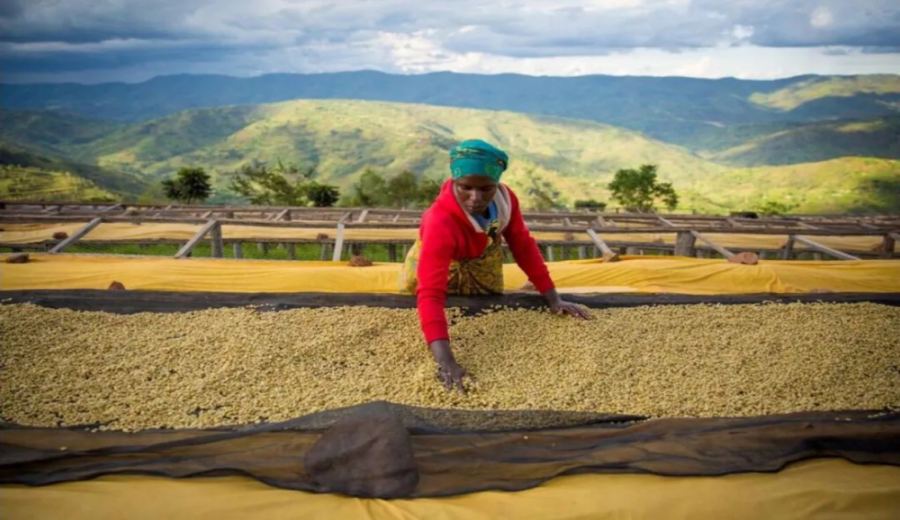
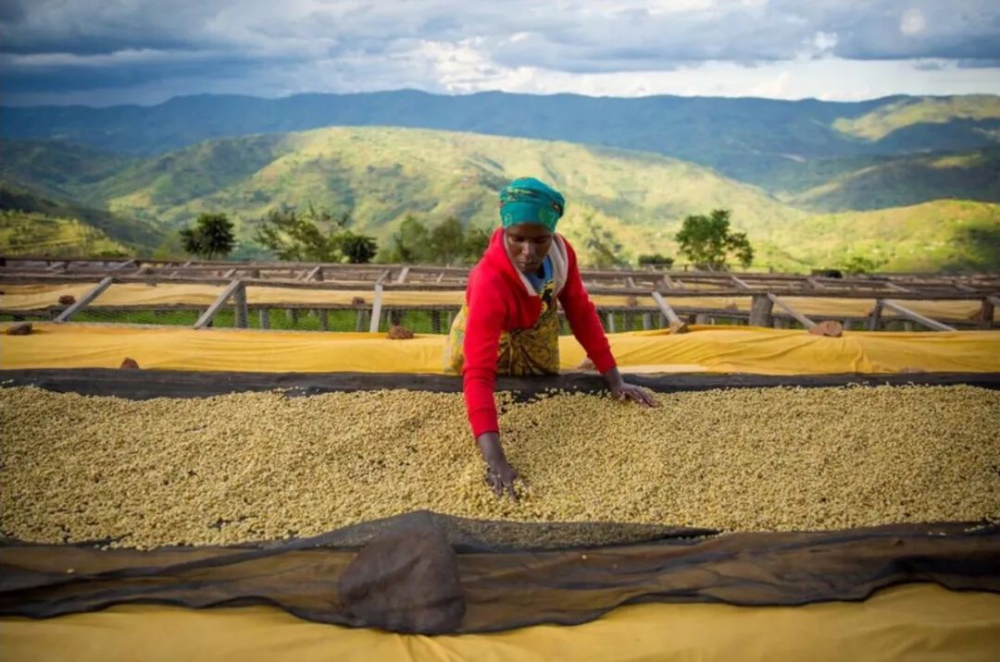
The Yirgacheffe region does not have large-scale commercial coffee plantations; instead, coffee trees are mostly scattered sporadically among native forests and village farmlands. The harvest season typically falls betweenOctober and January of the following year, during which local farmers hand-pick fully ripe red coffee cherries and deliver them to Ethiopia’s official coffee trading companies for centralized purchasing. This smallholder farming model, though modest in scale, ensures the quality and terroir characteristics of the coffee beans.
The most well-known product of this region is its washed-process coffee. This type of coffee typically exhibits strong citrus aromas, jasmine or white floral notes, along with crisp fruit tones such as lemon and blueberry. It has a clean mouthfeel, bright acidity that is not overly sharp, and a smooth, lingering aftertaste. For coffee enthusiasts who prefer brewing methods such as pour over, French press, AeroPress, or even cold brew, Yirgacheffe demonstrates exceptional compatibility and expressive versatility.
If you are a beginner exploring the world of specialty coffee, Yirgacheffe is undoubtedly an excellent entry choice. Its flavors are clear and layered, not only allowing you to experience the fruitiness and balanced acidity of the coffee itself but also helping you develop the ability to discern different regions and processing methods. When brewing with a pour over, it is recommended to try a medium-light roast, with water temperature controlled at90~92°C, a grind size of about medium-fine (similar to the size of granulated sugar), and a coffee-to-water ratio of 2:1 to 1:15, which can effectively bring out its delicate floral and fruity notes and bright acidity.
In summary, Yirgacheffe is not just a place name, but also a symbol of flavor. The coffee from here carries Ethiopia’s long history of coffee cultivation and showcases the unique charm bestowed by its high altitude and wetland environment. Whether you are looking for a daily specialty bean or hoping to broaden your understanding of the coffee world, Yirgacheffe is a classic choice not to be missed.
The above content is compiled by CoffeeHunters, a coffee news website.


