







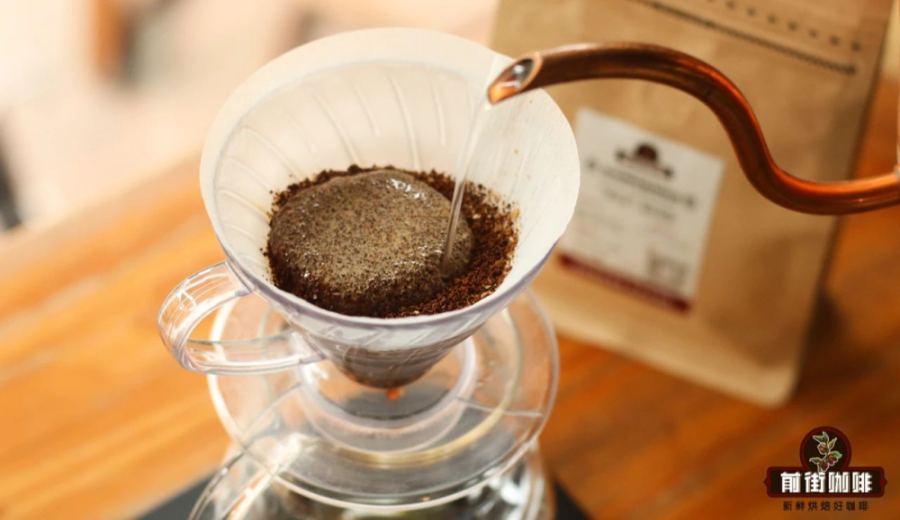
Introduction:Pour over coffee may seem complex, but mastering just a few core elements allows even beginners to easily brew great-tasting coffee. This article systematically breaks down the seven key factors that influence the quality of pour over coffee—from coffee bean freshness, grind size, water temperature, water quality, filter choice, to coffee-to-water ratio and brewing time—and deeply analyzes the principles behind the three extraction stages: "bloom, dissolution, and diffusion." Finally, using an Ethiopian Natural Huila as an example, it provides complete brewing parameters and flavor references to help you progress from beginner to advanced.
When first getting into pour over coffee, many beginners often feel at a loss facing the wide array of equipment and various brewing methods. In fact, by grasping the core essentials, you can quickly improve your brewing skills. This article compiles the seven key elements that affect pour over coffee flavor, including coffee bean freshness, grind size, water temperature, water quality, filter choice, coffee-to-water ratio, and brewing time, and further explains the three brewing stages of "bloom, dissolution, and diffusion." Finally, using an Ethiopian Sidamo Natural Huila as an example, it demonstrates a complete brewing process and flavor profile, guiding you from beginner to professional.
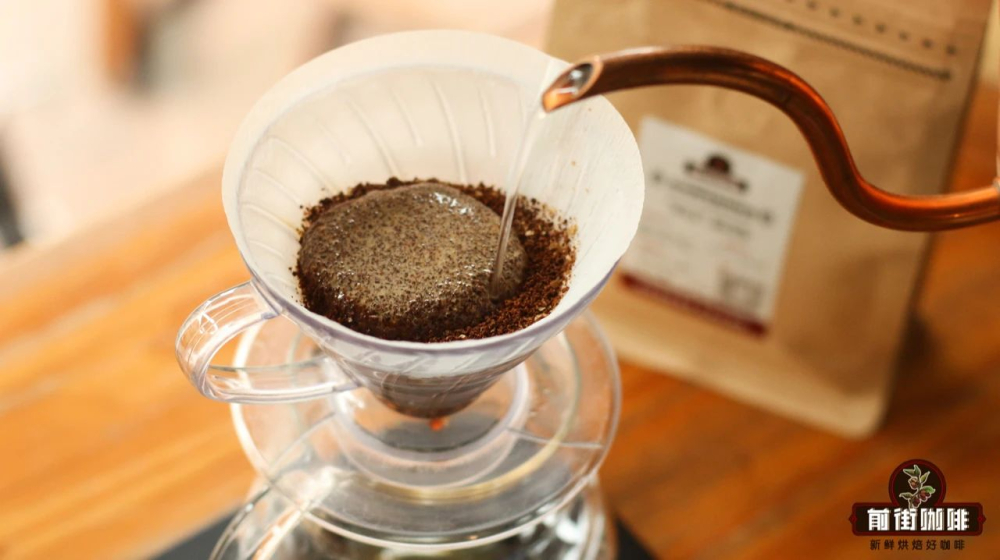
For beginners, facing various brewing tools and techniques can often be overwhelming, and some may even find the process too complicated. Many enthusiasts also frequently ask about beginner-friendly methods for pour over. This article will systematically explain the seven key elements of pour over coffee along with the underlying extraction principles.
These seven elements are practical points derived from long-term experience, allowing you to quickly grasp the key points to pay attention to during brewing without having to sift through extensive material.
1. Use Fresh Coffee Beans
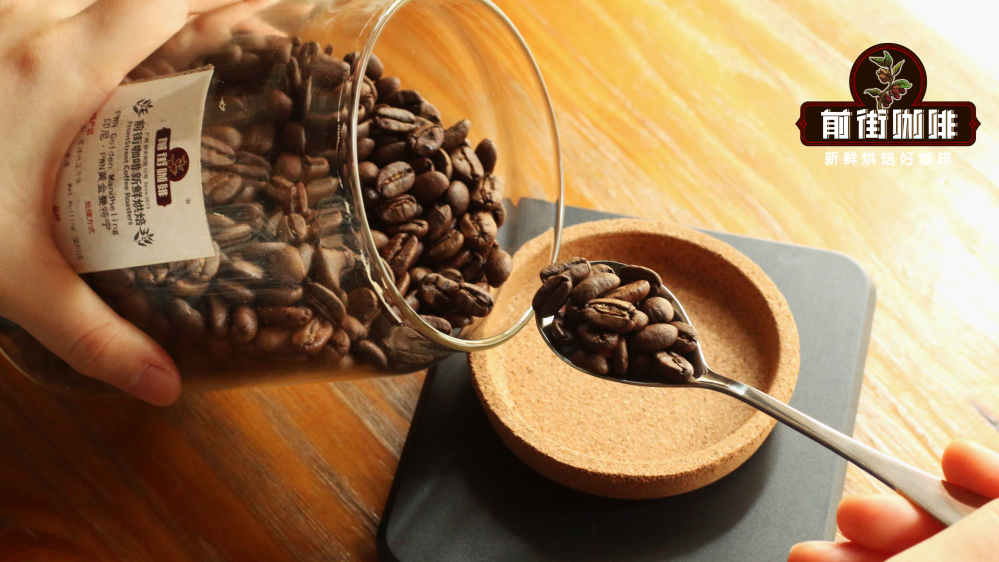
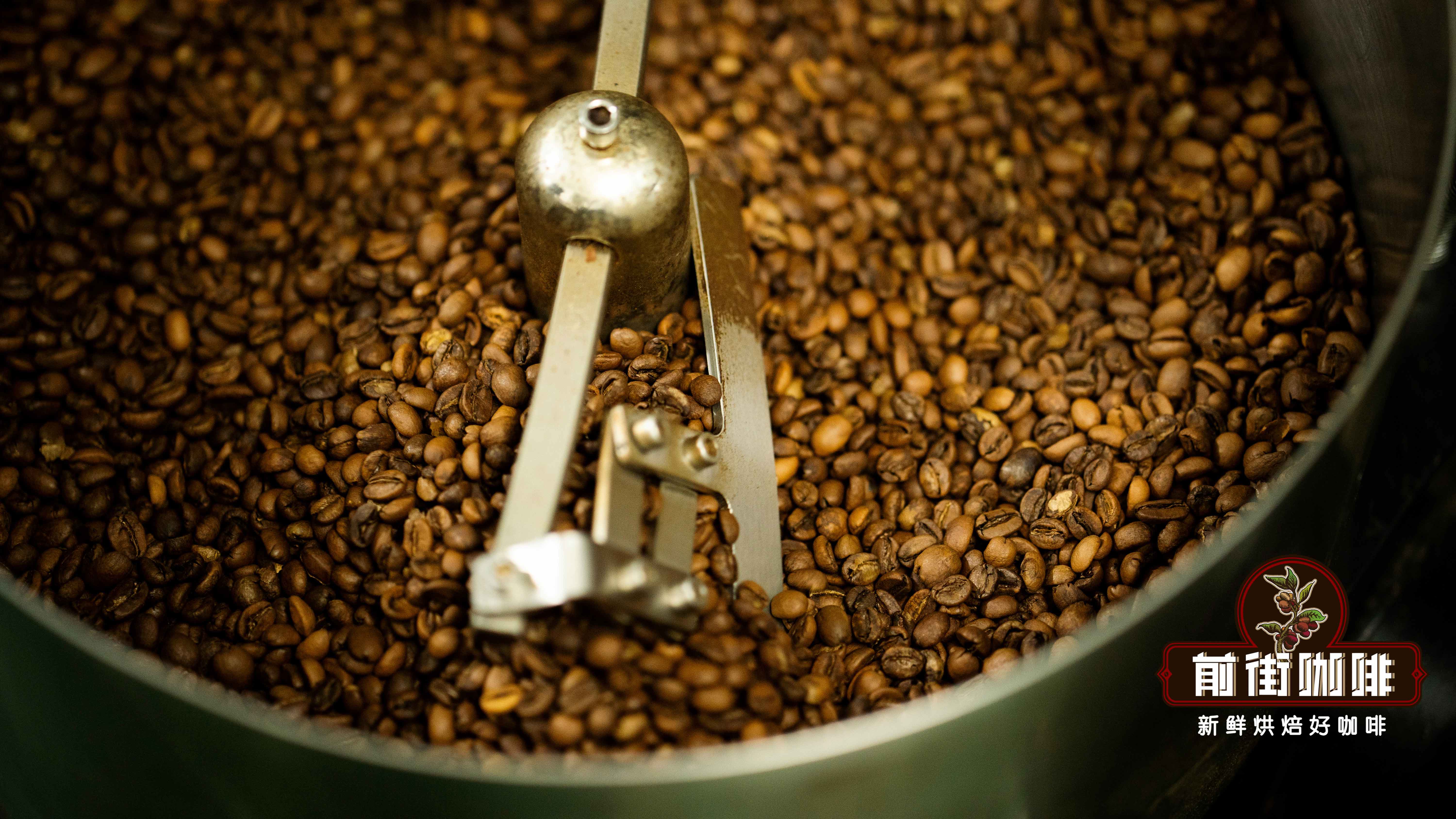
The optimal flavor window for coffee beans is around 30 days. After this period, as internal carbon dioxide is released, aromatic molecules gradually diminish, and the brewed coffee can easily taste flat. Therefore, always use freshly roasted coffee beans when brewing.
2. Grind Size of Coffee Beans
Grind size directly affects water flow rate and extraction efficiency. Too fine a grind causes coffee grounds to compact at the bottom of the filter paper, increasing resistance, slowing flow rate, prolonging extraction time, and potentially bringing out woody or off flavors; too coarse a grind leaves large gaps between coffee particles, reducing the amount of coffee in contact with hot water, speeding up flow rate, lowering extraction yield, and resulting in a weak flavor.
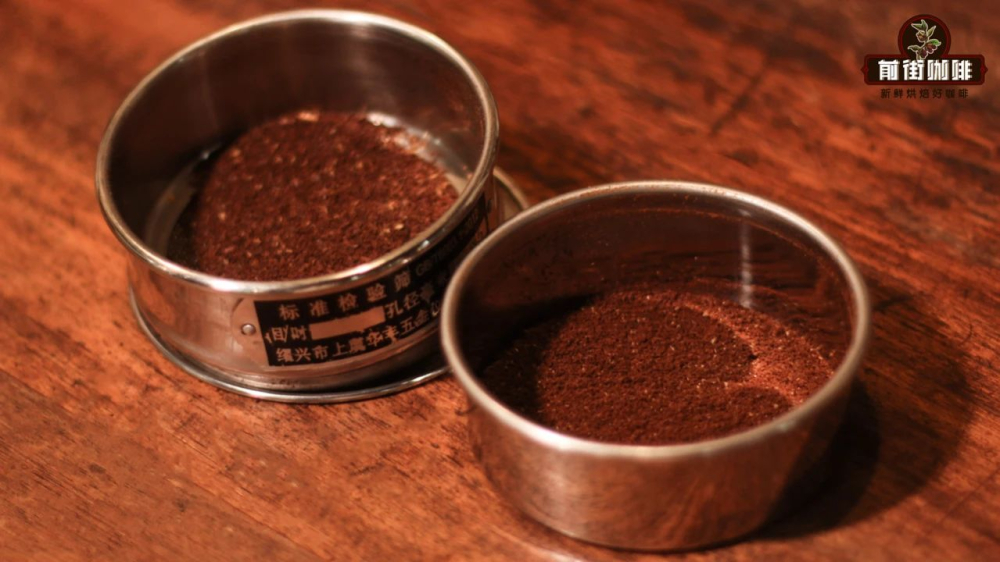
It is recommended to prepare a #20 cupping sieve (0.85 mm aperture). Take 10 grams of coffee beans, adjust the grind to a rough size, grind and sift until no powder remains, then weigh the sieved coffee. A throughput rate of 80% (10g yields 8g) is suitable for medium-light roasts; 70%–75% (10g yields 7–7.5g) is ideal for medium-dark roasts. If the throughput is too high, adjust to a coarser grind; if too low, go finer.
3. Brewing Water Temperature
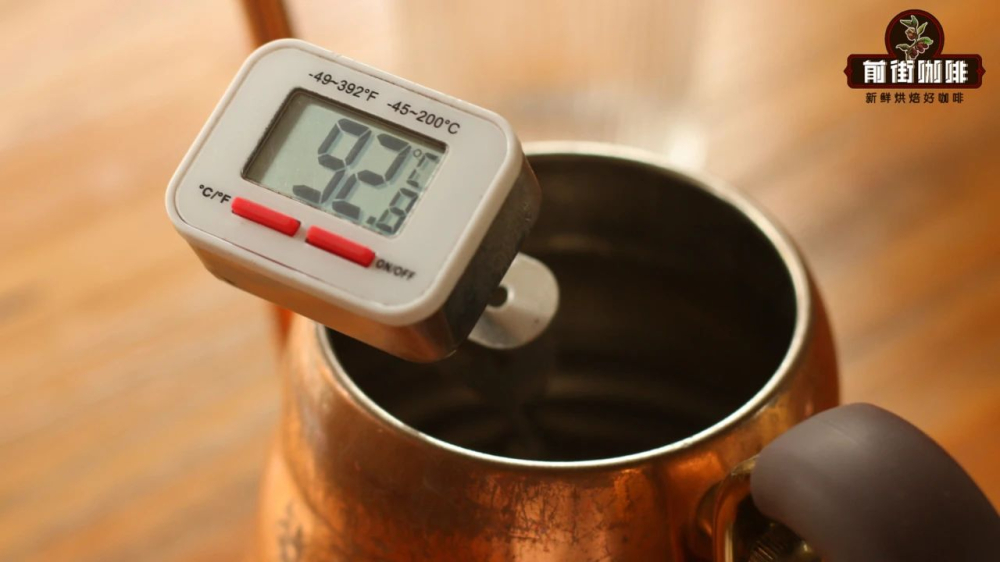
Different roast levels require different water temperatures. The darker the roast, the more internal compounds are lost, so to avoid extracting excessive off-flavors, darker roasts need lower water temperatures. Medium-light roasts are recommended to use water at 90–91°C, while medium-dark roasts should use 87–89°C.
4. Water Quality
Mineral ions such as calcium, magnesium, sodium, and potassium in water affect the extraction capacity of coffee, thereby altering flavor. It’s not recommended to use directly heated tap water for brewing, as impurities can easily lead to unpleasant tastes.
5. Filter Choice
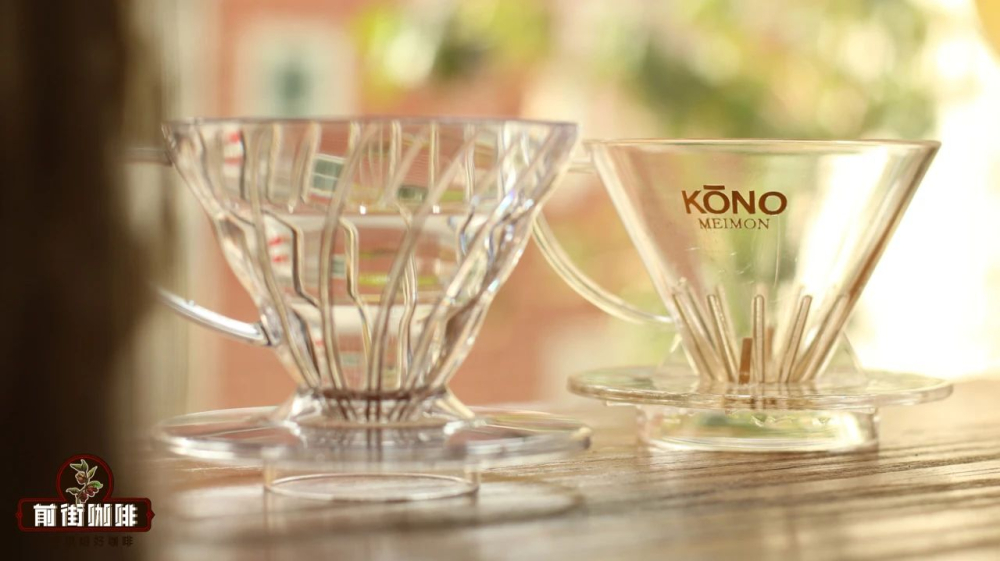
Beginners are advised to use a V60 size 01 filter. Its conical design, wide opening, and spiral ribs allow air to escape smoothly, improving extraction quality. Although the mouthfeel may not be as full-bodied, the high concentration brings out a sweet and sour profile with pronounced aroma, which is its hallmark.
6. Coffee-to-Water Ratio
According to SCA Golden Cup extraction theory, different coffee-to-water ratios yield different taste profiles:
• Bold flavor: 1:10–1:11 (Golden Cup guideline: 1:12.5–1:13.5)
• Balanced flavor: 1:12–1:13 (Golden Cup guideline: 1:14.5–1:15.5)
• Light & refreshing: 1:14–1:16 (Golden Cup guideline: 1:16.5–1:18.5)
A coffee-to-water ratio between 1:14.5–1:15.5 most easily achieves the golden range of Golden Cup extraction yield (18%–22%) and concentration (1.15%–1.35%), which is why a 1:15 ratio is recommended.
7. Brewing Time
During extraction, the early stage features intense and concentrated aroma and flavor; the later stage gradually weakens. The amount of water poured also affects total time. Generally, using 15g of coffee at a 1:15 ratio, keeping the total brew time within 2 to 2 minutes 30 seconds helps avoid over-extraction or under-extraction.
After understanding these seven elements, let’s move on to analyzing the extraction principles of pour over coffee.
Brewing is essentially the process of extracting molecules from coffee cells, consisting of three key steps: bloom (wetting), dissolution, and diffusion. These three steps influence each other and together shape the coffee’s flavor.
【Bloom (Wetting)】
When coffee grounds come into contact with water and become moist, it marks the beginning of molecular release from the cells—this is the common blooming process.
【Dissolution】
This refers to the process where soluble molecules inside coffee cells dissolve into hot water, and it’s the crucial step that determines flavor. About 70% of a coffee bean is insoluble cellulose, and 30% consists of soluble aromatic molecules. These molecules dissolve in water in order of size: small molecules (such as acidity, floral notes, citrus acidity) are released first, followed by medium molecules (such as fruity sweetness, honey-like sweetness), and finally large molecules (such as bitter, burnt notes). Therefore, if you prefer a sweeter taste, you can shorten the extraction time to avoid dissolving too many bitter molecules.
【Diffusion】
The dissolved aromatic molecules exit the coffee cells via osmosis, forming the final extracted liquid. The typical extraction sequence is acidity → sweetness → bitterness, so it’s recommended to gently swirl the coffee liquid after brewing to ensure even integration and present a well-rounded flavor.
With an understanding of the principles, the following uses an Ethiopian Sidamo Natural Huila as an example to demonstrate an actual brewing operation.
Ethiopian Sidamo Natural Huila Coffee Beans
Region: Guji, Hambela
Processing Farm: Buku Able
Altitude: 2350 meters
Variety: Local landrace
Processing Method: Natural
Brewing Parameters: Hario V60 filter, coffee-to-water ratio 1:15, grind size BG#6S (Chinese standard #20 sieve, 80% throughput), water temperature 90°C.
Brewing Technique: Bloom with twice the amount of coffee (30g) for 30 seconds. Then pour in a small circular motion until 125g, pause when the water level nearly exposes the coffee bed, then continue pouring to 225g and stop. Remove the filter when the water level nears the coffee bed again. Total brew time is about 2 minutes.
Flavor Profile: At high temperature, notes of almond emerge; as it cools, citrus acidity becomes apparent, with a rich berry juice character, accompanied by a lemon black tea-like mouthfeel, and a long-lasting sweetness.
The above content is compiled by CoffeeHunters, a coffee news website.


