







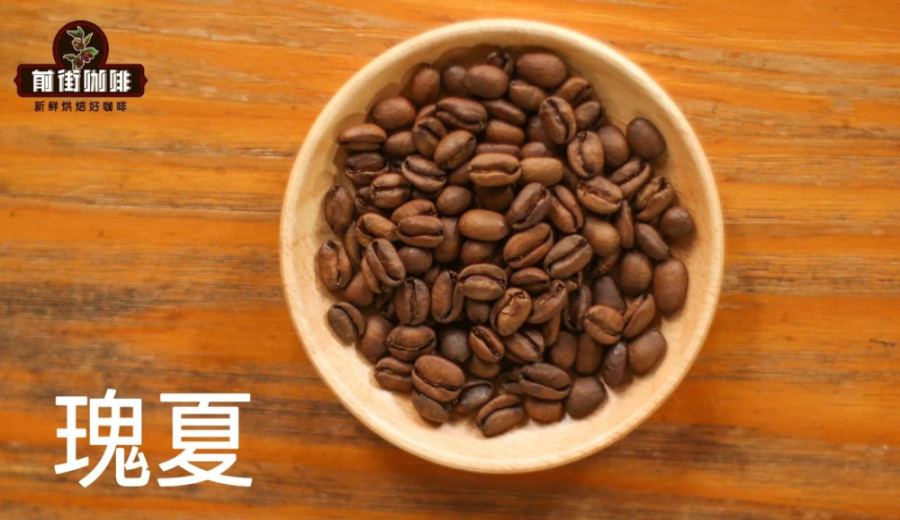
Introduction:Panama Geisha coffee, with its distinctive floral and fruity aromas and delicate sweet-and-sour flavors, has become the dream bean variety for specialty coffee enthusiasts. This article delves into the origins of the Geisha variety, its development in Panama, and focuses particularly on the differences between the Emerald Estate Red Label and Green Label. It covers the growing environment, processing methods, cupping flavors, and market pricing. It also provides practical pour over recommendations, including grind size, water temperature, brew ratio, and a three-stage extraction process to help you fully experience the layered charm of Geisha coffee.
Geisha is arguably the star variety in today’s specialty coffee scene, earning high global attention for its unique citrus and honey notes. Since its sensational debut at the Best of Panama (BOP) green coffee competition in 2004, Geisha not only broke coffee auction price records but also established its prestigious status in the high-end coffee market. This article will take you deep into the background and development trajectory of Geisha, with a special focus on analyzing the grade distinctions, flavor characteristics, and price trends of Panama’s Emerald Estate Red Label and Green Label Geishas, while sharing expert pour over advice to help you grasp the allure of this top-tier coffee.
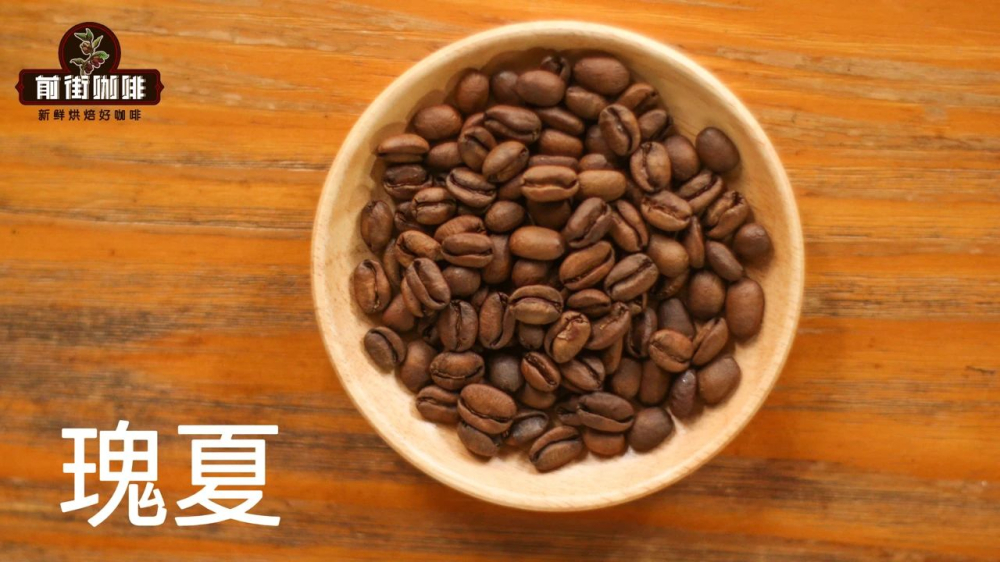
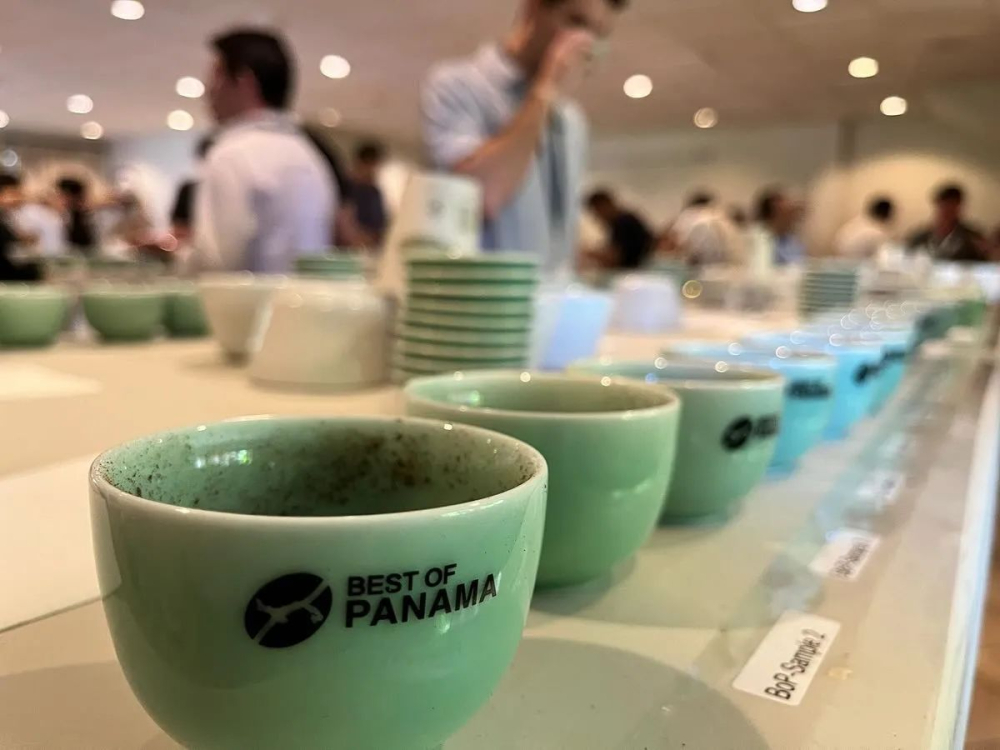
Before making its mark, Geisha did not receive special favor from growers. Its tall and slender plants, weaker disease resistance, and often average performance at low altitudes—with yields that were less than ideal—meant it was overlooked. However, 2004 became a turning point when Geisha won the championship at the Best of Panama green coffee competition with its outstanding jasmine and deep fruity aromas, conquering all judges. From then on, its price soared and its fame quickly swept through the global specialty coffee community. What makes Geisha so beloved is its departure from the heavy intensity of traditional dark roast coffee, instead offering the delicate layers of a fresh floral and fruit tea. It showcases diverse aromas and sweet-and-sour nuances as the temperature changes, earning it the reputation of being a “ceiling-level” variety among many coffee lovers. And behind all this is Panama’s Emerald Estate.
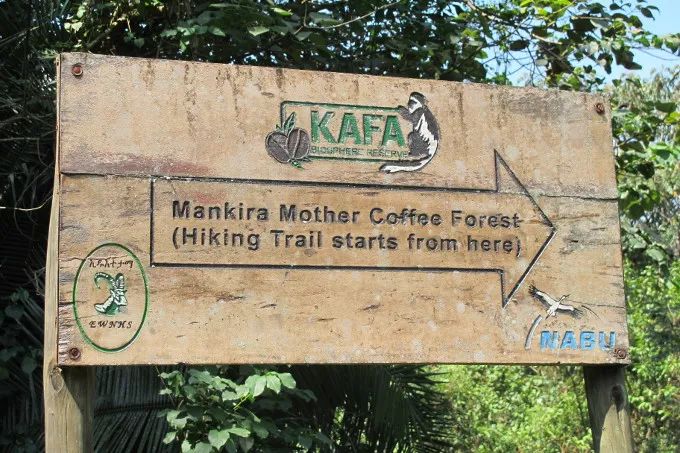
Like many Arabica varieties, Geisha originally comes from the birthplace of coffee—Ethiopia. In 1931, researchers discovered this variety in the wild Kaffa (Kaffa) forests of southern Ethiopia, initially aiming to find disease-resistant genetic sources, and thus named it after the nearby Geisha Mountain. The variety was subsequently introduced to research institutions in Kenya, Uganda, and Tanzania for trial planting, and arrived at CATIE, the Tropical Agricultural Research and Higher Education Center in Costa Rica, in 1953, where it was cataloged as T2722. Although there are records of cultivation on several farms, its fragile branches and low yields prevented it from being widely planted.
It wasn’t until the 1960s that CATIE introduced the T2722 Geisha variety to Panama, where it finally found a suitable stage for growth. By the 1990s, Peterson family, founders of Emerald Estate, were actively engaged in coffee production and acquired the Jaramillo farm located in a high-altitude area. However, the farm faced the threat of leaf rust, affecting most varieties, yet Geisha demonstrated remarkable disease resistance. The Peterson family then isolated Geisha from the mixed planting areas, gradually expanded its cultivation scale, and increased growing altitudes. In 2003, the first cupping revealed this variety's rich white floral notes, clean taste, and long-lasting berry, citrus, and bergamot aftertastes, fully aligning with the classic flavor profile of Panama Geisha. Subsequently, the variety entered the 2004 BOP competition under the name "Geisha" and won first place, instantly gaining renown. The Panama Geisha we know today originates from that very T2722 variety.

Why is Panama Geisha particularly famous? In fact, coffee flavor depends not just on the variety itself, but also on the terroir of the growing environment, post-harvest processing techniques, roast levels, and the final brewing method—all of which significantly influence the final flavor profile. In other words, even if you plant the same Geisha variety as Emerald Estate, without the corresponding environment and processing techniques, it is difficult to replicate its classic citrus and honey notes. Beyond Panama, Geisha coffee can also be found in producing regions such as Costa Rica, Ethiopia, Colombia, and Guatemala, each with its own unique characteristics. For consumers new to Geisha, it is recommended to start with its birthplace—the Panama region—where cultivation experience is the most extensive, and the flavors exhibited are the most representative.
Panama’s specialty coffee-growing regions are mainly concentrated in the western highlands, particularly the Boquete Valley and the Volcán region around Barú Volcano, which include well-known estates such as Emerald Estate, Elida Estate, Janson Estate, and Hartmann Estate. Boquete Town is located in Chiriquí Province, adjacent to the eastern plateau of Barú Volcano, at an altitude of about 1,000 to 2,000 meters. Influenced by the warm, humid trade winds from the Caribbean Sea and the cold currents of the Atlantic Ocean, the terrain is rugged and the climate cool. The area hosts the Barú Volcano National Park ecological reserve, featuring seven microclimates, with year-round fog and abundant rainfall—providing an exceptionally favorable growing environment for Geisha coffee. In this setting, Geisha accumulates rich aromatic compounds, developing layered floral and fruity profiles and acidity, frequently standing out in international coffee competitions.
Among the many estates in Panama, the Red Label and Green Label Geishas from Emerald Estate are the two products that best represent the classic Geisha flavor. So, what exactly is the difference between the Red Label and the Green Label?
The Red Label Geisha belongs to the Emerald Special selection (ESMERALDA SPECIAL), and is the highest-grade product, with some batches participating in auctions. This type of Geisha is harvested from high-altitude areas ranging from 1,600 to 1,800 meters, with cupping scores typically above 90, primarily sourced from the Jaramillo and Cañas Verdes farms. Although high altitudes pose challenges in cultivation and harvesting, it is precisely these conditions that make the floral and fruity aromas of this region’s Geisha particularly prominent. Emerald Estate holds an independent auction each year, classifying specific plot Geishas separately. Each auction batch has a unique code corresponding to the full harvest of a single plot. For example, the renowned Jaramillo farm Mario plot—some well-known shops have introduced Red Label Geisha from this plot, processed using the natural (sun-dried) method, delivering intense and layered flavors.
The Green Label Geisha is categorized as Private Collection, and although it also comes from the Jaramillo and Cañas Verdes plots at altitudes between 1,600 and 1,800 meters, the estate does not publicly disclose specific plot information, hence it does not participate in auctions. The Green Label grade is slightly lower than Red Label but still retains the classic features of high-altitude Geisha, mainly exhibiting fresh lemon, berry, grapefruit, and Tieguanyin tea aromas. The Green Label Geisha introduced by some well-known shops is usually processed using the washed method, resulting in a cleaner and more natural flavor.
Due to the exceptional quality and unique flavors of Emerald Estate Geisha, market prices are relatively high. According to general market rates, Emerald Red Label Geisha roasted beans are priced at approximately 350 yuan/100 grams, while the Green Label is about 168 yuan/100 grams.
To fully experience the flavors of high-grade Geisha, the correct brewing method is crucial. It is recommended to choose freshly roasted coffee beans to ensure optimal aroma and flavor expression. The following uses the Green Label Geisha introduced by a well-known shop as an example to explain pour over suggestions.
Geisha coffee is known for its rich floral notes and complex fruit tones. To preserve its delicate acidity, a medium-light roast is recommended. This roast level retains the bean’s hardness but also requires a higher extraction rate to showcase the full flavor layers. Therefore, it is advised to use a higher water temperature and slightly finer grind size, raising the brew ratio to 1:16 to enhance aroma release. Additionally, using a V60 filter cone is recommended, as its unique flow-guiding ribs and central large hole design effectively control water flow speed, extending contact time between coffee grounds and hot water, thereby improving extraction uniformity and flavor layering.
Brewing parameter suggestions:
Filter cone: V60
Water temperature: 91-92°C
Coffee dose: 15 grams
Brew ratio: 1:16 (can be fine-tuned to 1:15 based on taste preference)
Grind size: Fine sugar-like (approximately 80% passing through a #20 sieve)
Three-stage extraction steps:
1. First stage: Pour 30 grams of hot water, let it bloom for 30 seconds to allow the coffee grounds to fully expand.
2. Second stage: Pour 95 grams of hot water steadily in a circular motion until the coffee bed descends to about half.
3. Third stage: Continue pouring 100 grams of hot water until all the liquid has dripped through. It is recommended to pour gently in small circles from the center to avoid over-extraction or unevenness.
After brewing, gently swirl the coffee to mix, then start tasting from a high temperature to experience the transition—from bright citrus acidity and delicate floral notes—to berry sweetness and the clean tea-like aftertaste in the finish. The overall mouthfeel is full-bodied and distinctly layered.
The above content is compiled by CoffeeHunters, a coffee news website.


