







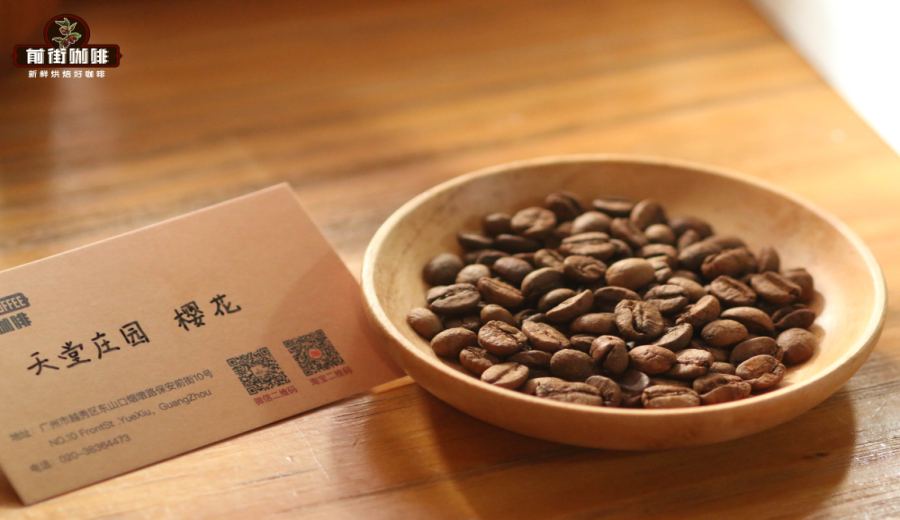
Introduction:Dive deep into the double anaerobic washed Castillo coffee beans produced by Colombia’s Paradise Estate. Explore everything from the growing region, processing method to variety characteristics, and gain a comprehensive understanding of this specialty coffee that boasts aromas of berries, strawberry jam, and mugwort. Practical pour over recommendations and extraction parameters are also provided to help you accurately reproduce its unique flavors — an essential reference for coffee enthusiasts seeking both tasting and brewing insights.
Located in Colombia’s Cauca region, Paradise Estate has been dedicated to the cultivation and processing of specialty coffee since its establishment in 2008 by Diego Samuel. The estate’s double anaerobic washed Castillo beans are crafted through a unique fermentation process, delivering rich and layered fruity acidity with notes reminiscent of berries, raspberries, and strawberry jam, alongside hints of mugwort and spices. The flavor profile is vivid and unforgettable.
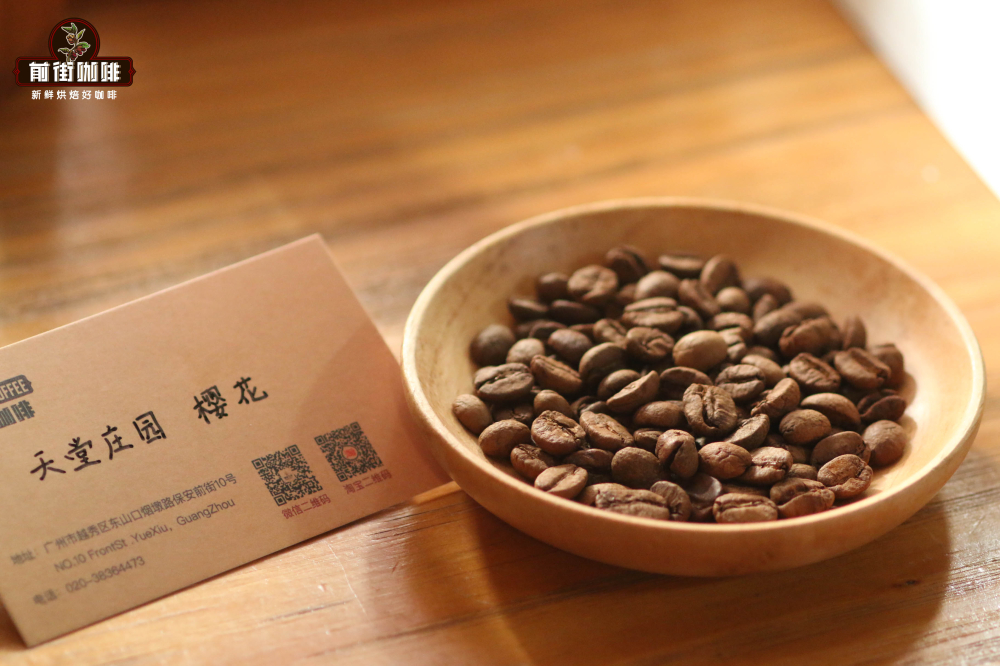
These coffee beans come from the Cauca Department of Colombia, an officially recognized coffee-growing region with an average altitude of about 1,758 meters, and some high-altitude areas even reaching up to 2,100 meters. The Cauca region is predominantly mountainous, with east-west and central mountain ranges belonging to the Andes system, including two active volcanoes: Sotara and Petacas. The area features distinct climatic traits, with rainfall distributed in a single peak pattern throughout the year. The dry season is concentrated between August and September, after which the rainy season begins, causing coffee blossoms to bloom intensively and influencing the harvest rhythm of the following year.
Originally a small family-run farm spanning just 2.5 hectares, Paradise Estate gradually expanded under Diego Samuel’s management, with significant efforts invested in improving the quality of specialty coffee. In 2015, he won the local green bean competition with outstanding coffee quality, marking his emergence in the specialty coffee scene. The estate also actively introduces diverse varieties, among which Castillo is one of the main cultivars, chosen for its high resistance to leaf rust and suitability for stable growth in high-altitude environments.
The standout feature of these double anaerobic washed Castillo beans lies in their two precisely controlled anaerobic fermentation stages. Prior to fermentation, part of the mucilage is removed, followed by the first fermentation in a constant-temperature anaerobic environment. This is then succeeded by a second anaerobic phase interspersed with washing steps to remove the mucilage layer. This process effectively slows down the breakdown of the fruit pulp, allows for more thorough fermentation, enhances sweetness and flavor complexity, while reducing bitterness during final brewing.
In terms of roast level, to fully showcase its fruity character, a certain coffee brand opted for a medium roast. During cupping, the dry aroma reveals intense notes of strawberry and spices. Upon sipping, layers of mugwort, black tea, berries, and citrusy acidity emerge, offering a rich yet balanced mouthfeel with a soft floral aftertaste. The overall flavor is highly distinctive, making it ideal for coffee lovers who enjoy the interplay of fruity and fermented notes.
It is worth noting that due to the bean’s anaerobic processing and high-altitude hard bean characteristics, the cell wall structure becomes relatively loose under enclosed fermentation conditions. As a result, during grinding and extraction, the coffee grounds tend to release flavor compounds more easily. If the water flow rate is too fast, it can lead to under-extraction and a thin-tasting cup. Therefore, it is recommended to usea finer grind sizeto improve the efficiency of coffee-to-water contact. It is suggested to refer to the EK43S #9.5 grind setting, with approximately82%20-mesh sieve extraction rate.
For brewing, the V60 dripper is recommended. Set the water temperature to90°C, and use a coffee-to-water ratio of1:15. The suggested coffee dosage is15 grams. Specifically, you may employ the three-pour method: start by pouring an amount equal to twice the coffee dose (approximately 30 grams) for the bloom, maintaining the time for30 secondsto allow the coffee grounds to fully degas. The second pour involves adding water in small streams in a circular motion from the center outwards, accumulating to125 gramsfor the first break. Once the coffee bed settles slightly, continue pouring until the total water volume reaches225 grams, keeping the entire brew time withinapproximately 2 minutes. After brewing, it is advised to gently swirl the server to evenly mix the coffee liquid. Tasting from a high temperature allows for a fuller experience of its flavor layers.
The above content is compiled by CoffeeHunters, a coffee news website.


