







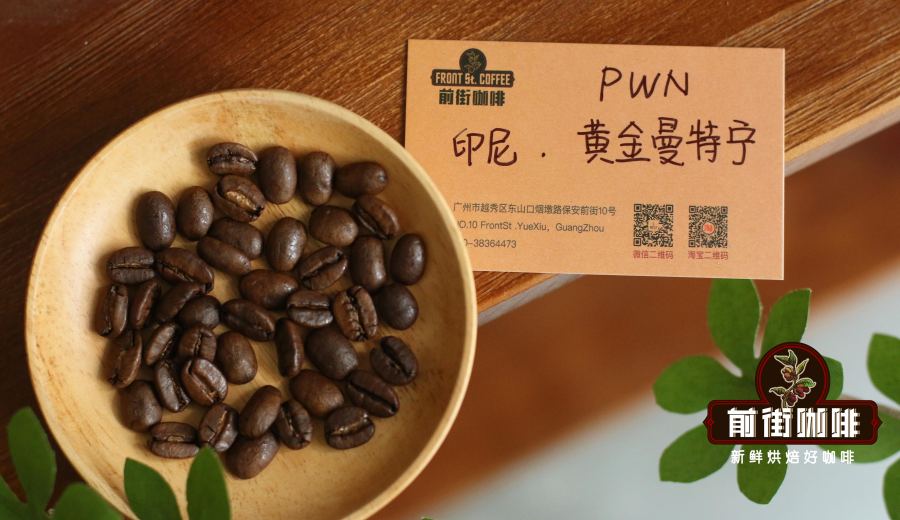
Introduction:The PWN Golden Mandheling is a well-known dark roast bean from Sumatra, known for its intense and well-structured flavor. However, to perfectly present its nutty and caramel layers via pour over, it's essential to master the right water temperature, grind size, and filter choice. This article delves into the bean’s regional background and wet-hulled processing characteristics, and provides practical pour over parameters that have been tested in real brewing scenarios—including an 88°C water temperature, medium-fine grind, Kono filter, and step extraction—to help you consistently brew a rich and balanced cup.
Golden Mandheling is one of Indonesia’s most iconic specialty coffees from Sumatra, beloved by coffee enthusiasts around the world for its deep, bold, and aromatic profile. However, being a dark roast, using the same brewing approach as for light roasts can easily lead to over-extraction or flavor imbalance. This article will start with the regional background and processing method, then go on to explain how to bring out the best of this classic bean through appropriate pour over parameters—such as water temperature, grind size, and filter selection.
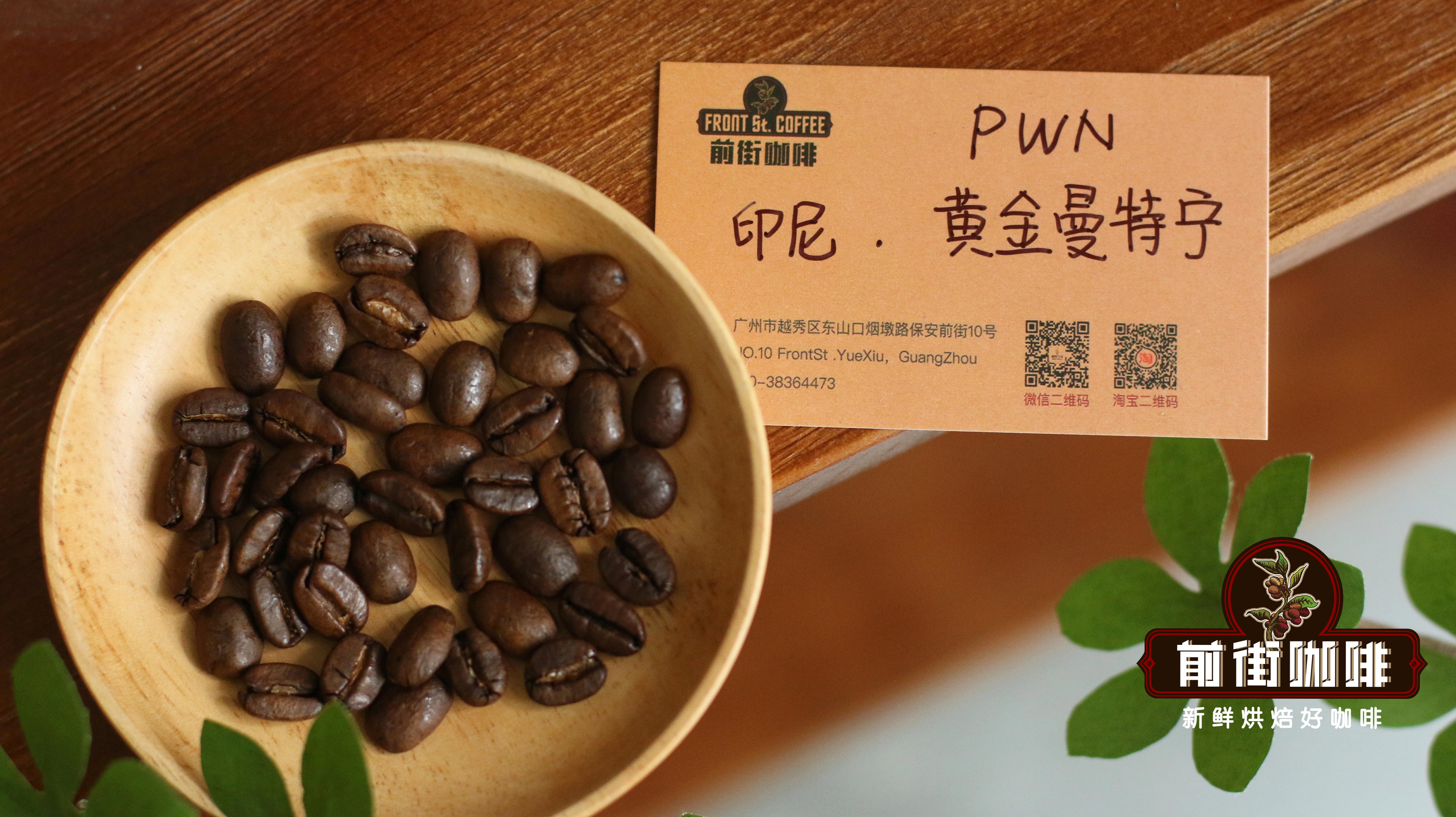
Sumatra is a key region for high-quality Arabica coffee in Indonesia, especially around Lake Toba and the Aceh area, with altitudes mostly ranging between 900 to 1600 meters. The region enjoys stable weather and relatively high humidity, which while not ideal for natural processing, has given rise to the unique wet-hulled method. As for Golden Mandheling, despite the word “Golden” in its name, it does not indicate a grade—it is actually a trademark registered by Indonesia’s PWN (Pusat Penyangga dan Pemasaran Kopi) coffee company, representing strictly selected high-quality G1 grade beans.
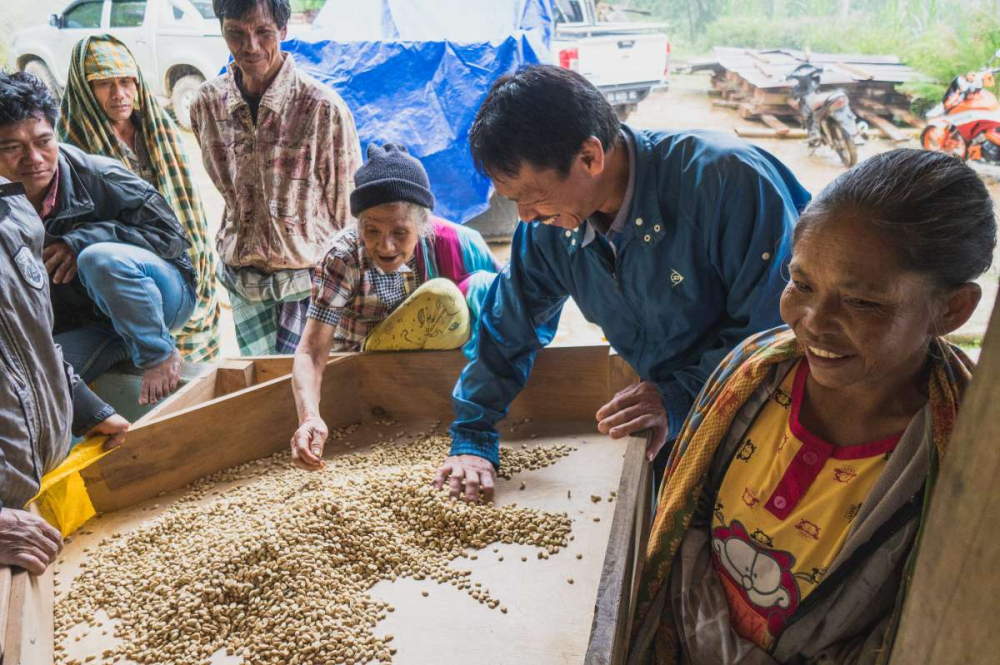
PWN Golden Mandheling beans undergo at least three rounds of manual sorting during the green bean stage, resulting in an extremely low defect rate. The beans are plump and mostly dark green in color, belonging to the flat bean type. The variety is mostly Ateng, a branch of Catimor and a common Arabica-Robusta hybrid in the region. In terms of processing, due to Sumatra’s rainy and humid climate, farmers generally use the wet-hulled method—first fermenting with water wash, then partially drying before removing the parchment. This process gives the coffee a rich base of herbal, earthy, and spicy notes, while still preserving sweetness and body.
For the dark-roasted PWN Golden Mandheling, it is recommended to use a Kono filter for pour over. Compared to the V60, the Kono filter’s ribs are concentrated at the bottom, allowing the filter paper to adhere more tightly to the cup wall, reducing airflow and extending the contact time between water and coffee grounds. This helps fully extract the coffee’s sweetness and body even at lower water temperatures. Additionally, the water temperature is recommended to be set at88°C. Excessively high temperatures can amplify the smoky and off-flavors often found in dark roasts, masking its delicate chocolate and caramel aromas.
The recommended powder-to-water ratio is1:15, which means using 225 grams of water for every 15 grams of coffee. This ratio achieves a good balance between intensity and layered complexity. For grind size, it is suggested to usea medium-fine grind, roughly equivalent to 70% extraction through a #20 sieve—slightly finer than the usual pour over grind. This helps improve extraction efficiency at lower temperatures without over-extracting to the point of bitterness.
During actual pour over, you can adopt the classicstep extraction method: Start by pouring 30 grams of hot water for the bloom, letting it sit for about 30 seconds. This step effectively releases CO₂ from the coffee grounds, laying a stable foundation for subsequent extraction. Then, pour water in small circles, and when the total water volume reaches 125 grams, perform the first pause. After a brief rest, continue pouring until you reach 225 grams. Finally, wait for all the water to drip through the filter. The total brew time is recommended to be aroundtwo minutes. After brewing, gently swirl the coffee in the server before pouring into the cup to ensure even flavor distribution.
The final flavor profile is primarily anchored bynuts, caramel, and chocolate, with a mid-palate featuring soft woody notes and a hint of spice. The finish is long and well-balanced. This expression is thanks to the bold richness brought by the dark roast, along with precise pour over parameters that create a layered and dynamic—not monotonous—cup.
For home brewers, it is recommended to choose freshly roasted whole beans and use them within 4 to 7 days of receipt—this period is typically the coffee’s peak flavor window. If you opt for pre-ground coffee, note that ground coffee oxidizes much faster once exposed to air, so it’s best to use it as soon as possible to preserve optimal flavor. Also, factors such as different filters, water quality, and pouring techniques can all influence the final result. Don’t hesitate to fine-tune these variables to find the combination that best suits your taste.
The above content is compiled by CoffeeHunters, a coffee news website.


