







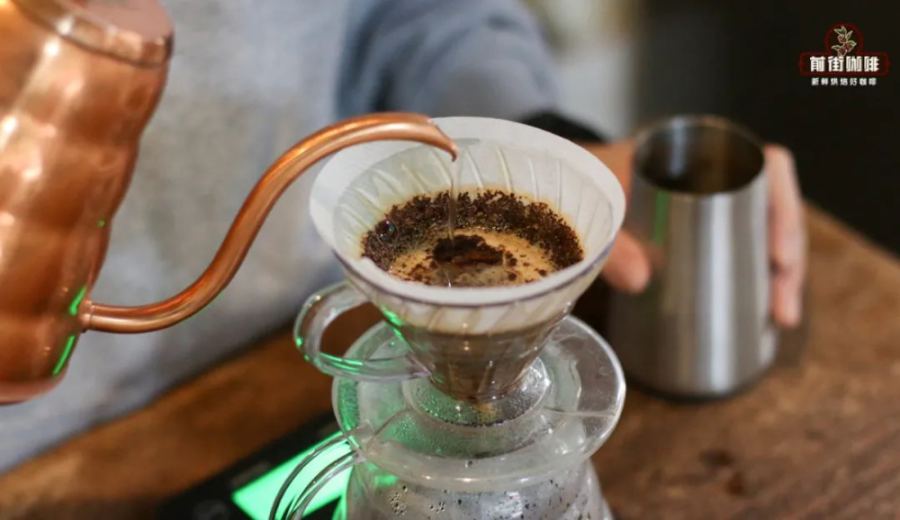
Introduction:To brew a bright, layered Ethiopian Yirgacheffe pour over coffee at home, everything from grind size, water temperature, to pouring technique and timing can significantly impact the final taste and aroma—aside from the beans themselves. This guide uses classic washed Yirgacheffe as an example to detail beginner-friendly bean selection strategies, equipment recommendations, the reasoning behind an 80% extraction rate and 91–93°C water temperature, and offers a practical three-stage pouring scheme to help you establish a stable and repeatable brewing process.
Pour over is one of the brewing methods many coffee enthusiasts enjoy in recent years. It not only preserves the original aroma and flavor of coffee but also allows personal adjustment of various parameters to find the most suitable brewing style. For beginners, Yirgacheffe is a very approachable bean variety, with its bright acidity and citrus notes that can exhibit remarkable complexity under proper brewing conditions.
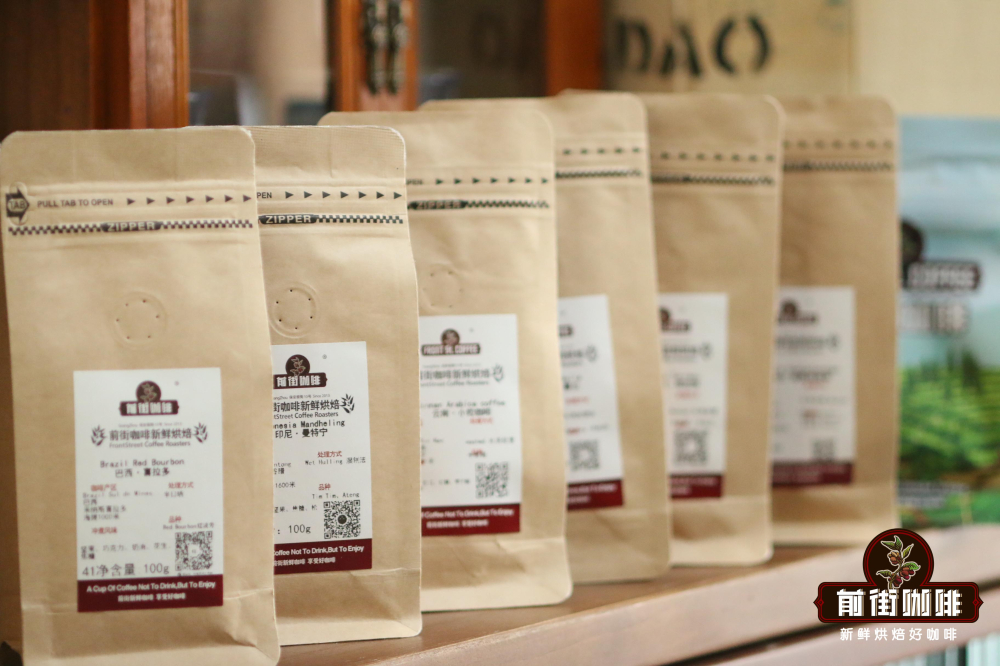
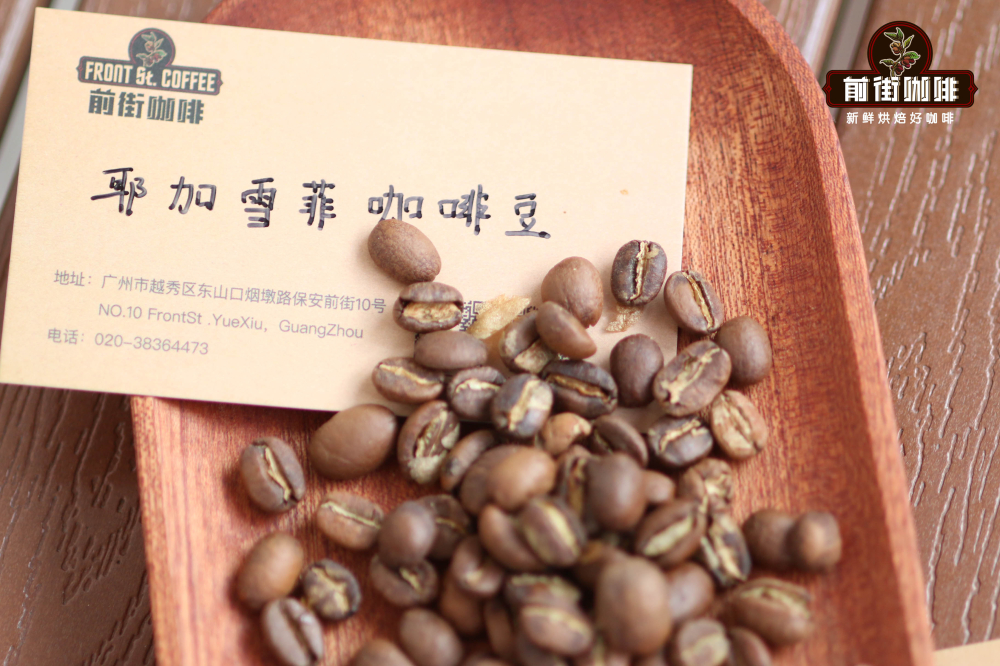
To successfully brew a high-quality Yirgacheffe pour over, start with selecting the beans. Beginners are recommended to first try cost-effective everyday beans for practice, which allows experiencing characteristics from different regions while building hands-on skills without much expense. Common everyday bean series on the market often include a variety of classic origins such as Ethiopian Yirgacheffe, enabling users to explore global coffee flavors at reasonable prices.
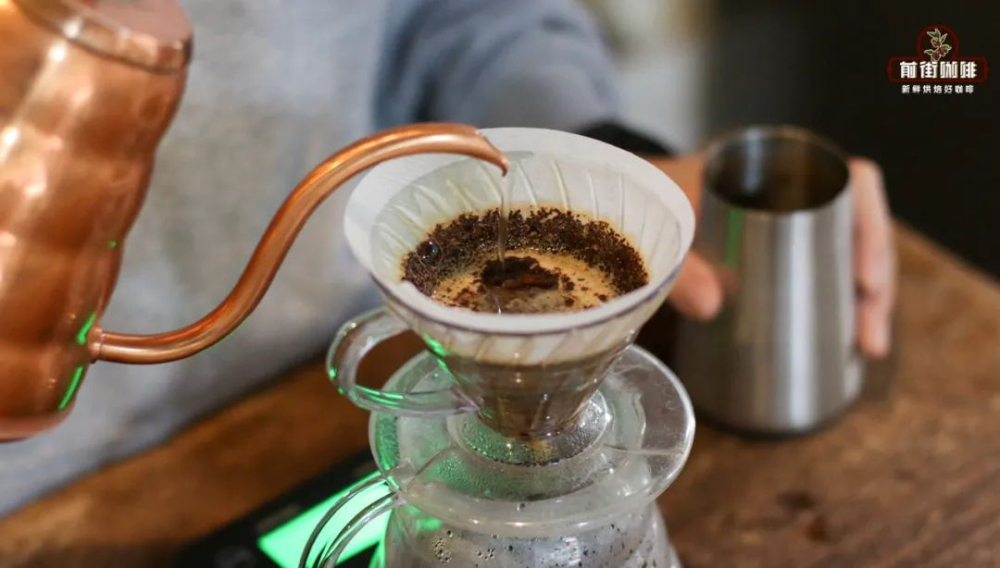
In terms of equipment preparation, the basic pour over setup includes a pour over kettle, filter cone, server, grinder, filter paper, digital scale, and thermometer. Among these, the choice of grinder is particularly crucial—whether hand-cranked or electric, it must ensure uniformly ground coffee particles. Grind size directly affects extraction efficiency: too coarse may lead to under-extraction and flat flavors, while too fine can easily cause over-extraction and produce bitterness.
To control grind consistency, many baristas use standard sieves to test extraction rates. For medium-light roasted Yirgacheffe, it’s recommended to aim for an extraction rate around 80%. This grind size can fully release the aromatic compounds in the beans without over-extracting. Using a standard sieve like No. 20 (0.85 mm) can help determine whether the grind falls within the ideal range.
Water temperature is also a key variable affecting extraction. Generally, medium-dark roasted beans suit a water temperature of 87–90°C, which helps suppress excessive off-flavors and burnt bitterness. For medium-light roasted Yirgacheffe, a higher temperature of 91–93°C is recommended to fully highlight its bright acidity and fruity notes. Water that’s too hot can bring out undesirable flavors, while water that’s too cool may result in under-extraction, compromising overall quality.
The choice of filter cone also influences the coffee’s flow rate and extraction layers. For instance, the Hario V60 filter cone, with its unique spiral ridges and large bottom hole design, accelerates water flow while extending contact time between coffee grounds and water, helping enhance flavor layering and clarity. This design is especially suitable for brewing medium-light roasted beans like Yirgacheffe, known for their vibrant acidity and pronounced aromas.
In practice, beginners are advised to use the three-stage pouring method: with 15 grams of coffee grounds and a 1:15 coffee-to-water ratio, the total water volume is 225 milliliters. The pouring process can be divided into three stages: the first stage involves pouring 30 milliliters of water for a 30-second bloom to help the coffee grounds degas and initiate extraction; the second stage continues pouring up to 125 milliliters with a steady circular motion; the final stage adds another 100 milliliters until reaching the total 225 milliliters. Keeping the overall extraction time around 2 minutes will yield a balanced and layered cup.
The joy of pour over lies in the ability to adjust various parameters according to personal preference and bean characteristics to explore different flavor profiles. From choosing the right coffee beans, adjusting grind size, controlling water temperature, to precisely executing the pouring rhythm—each step directly reflects in the cup’s aroma, acidity, sweetness, and aftertaste. Through continuous experimentation and adjustments, you’ll gradually develop your own pour over style and enjoy the details and variations in each brewing session.
The above content is compiled by CoffeeHunters, a coffee news website.


